Plan and listen to Chapel Of Hôpital Saint-Joseph De La Grave with Audiala.
Audio guide in your pocket, itinerary in your browser. Built for the way you actually visit.
Introduction
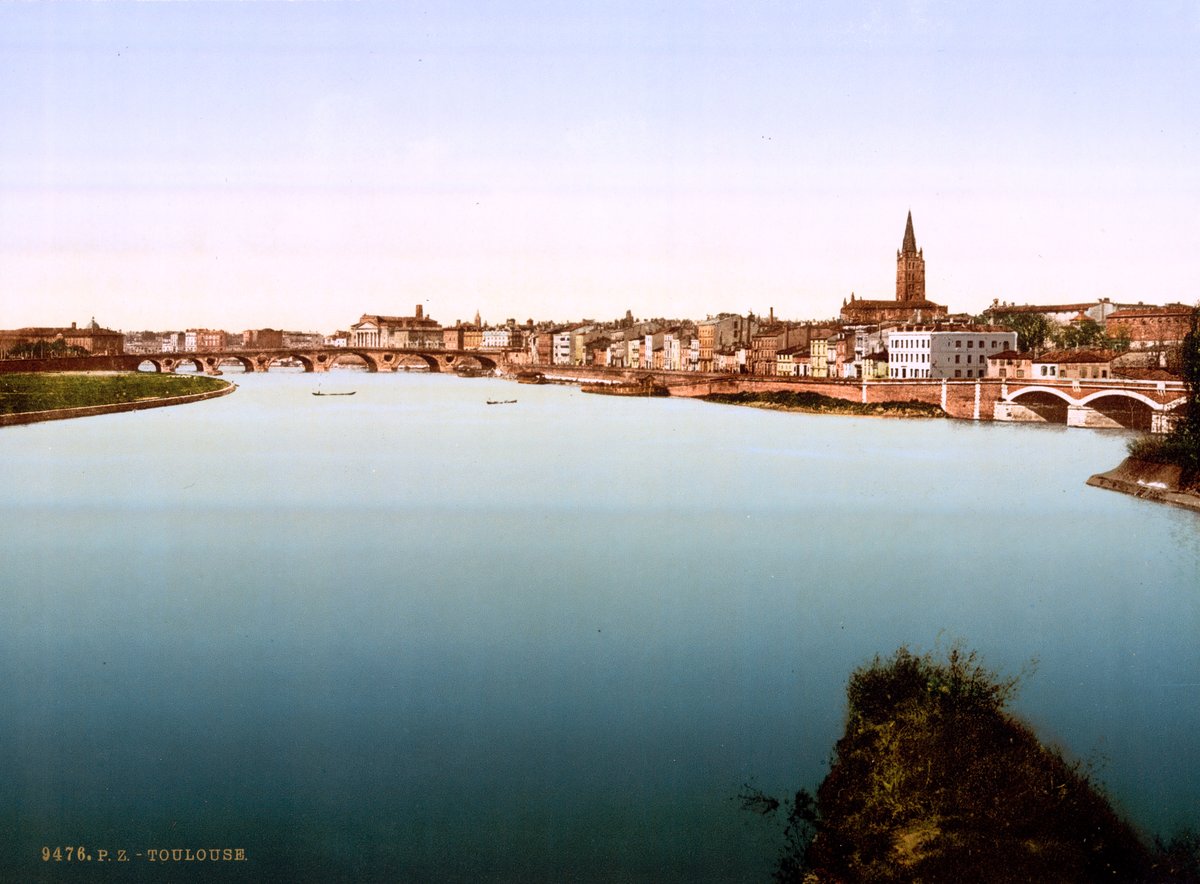
The Chapel of Hôpital Saint-Joseph de La Grave stands as one of Toulouse’s most significant historical and architectural sites. Dominating the left bank of the Garonne River in the Saint-Cyprien district, the chapel’s copper-domed silhouette has become a symbol of the city’s rich heritage. Originally established in the late 12th century as part of a hospital complex for plague victims, La Grave evolved through centuries of medical, social, and architectural transformation, playing a pioneering role in public health and social welfare in Toulouse (Wikipedia, Toulouse Tourisme). Today, the chapel is a dynamic venue for exhibitions and community events, inviting visitors to explore its storied past and vibrant present (Metropole Toulouse).
This guide provides a detailed overview of the chapel’s history, architecture, cultural significance, practical visitor information—including current visiting hours and ticketing—and tips for making the most of your visit to this cherished Toulouse landmark.


Medieval Origins and Early Function
Founded in the late 12th century, the Hôpital de La Grave was first documented in 1197. Its original purpose was to isolate and care for victims of contagious diseases such as the plague, a role shaped by its location outside the medieval city walls on the sandy bank (“grève”) of the Garonne (Wikipedia, Toulouse Tourisme). For centuries, La Grave remained a key institution for the city’s most vulnerable, reflecting evolving approaches to disease management and public health (Metropole Toulouse).
Transformation During the Grand Renfermement
In the 17th century, La Grave’s role expanded dramatically during the “Grand Renfermement”—a period characterized by the institutionalization of the poor, homeless, and marginalized. Designated as Hôpital Général Saint-Joseph de La Grave, it became both a hospital and a center for social reintegration, offering vocational training and shelter (Guide Toulouse Pyrénées, Hautegaronne Tourism). This dual mission marked La Grave as an early example of holistic social care in France.
Architectural Evolution and Expansion
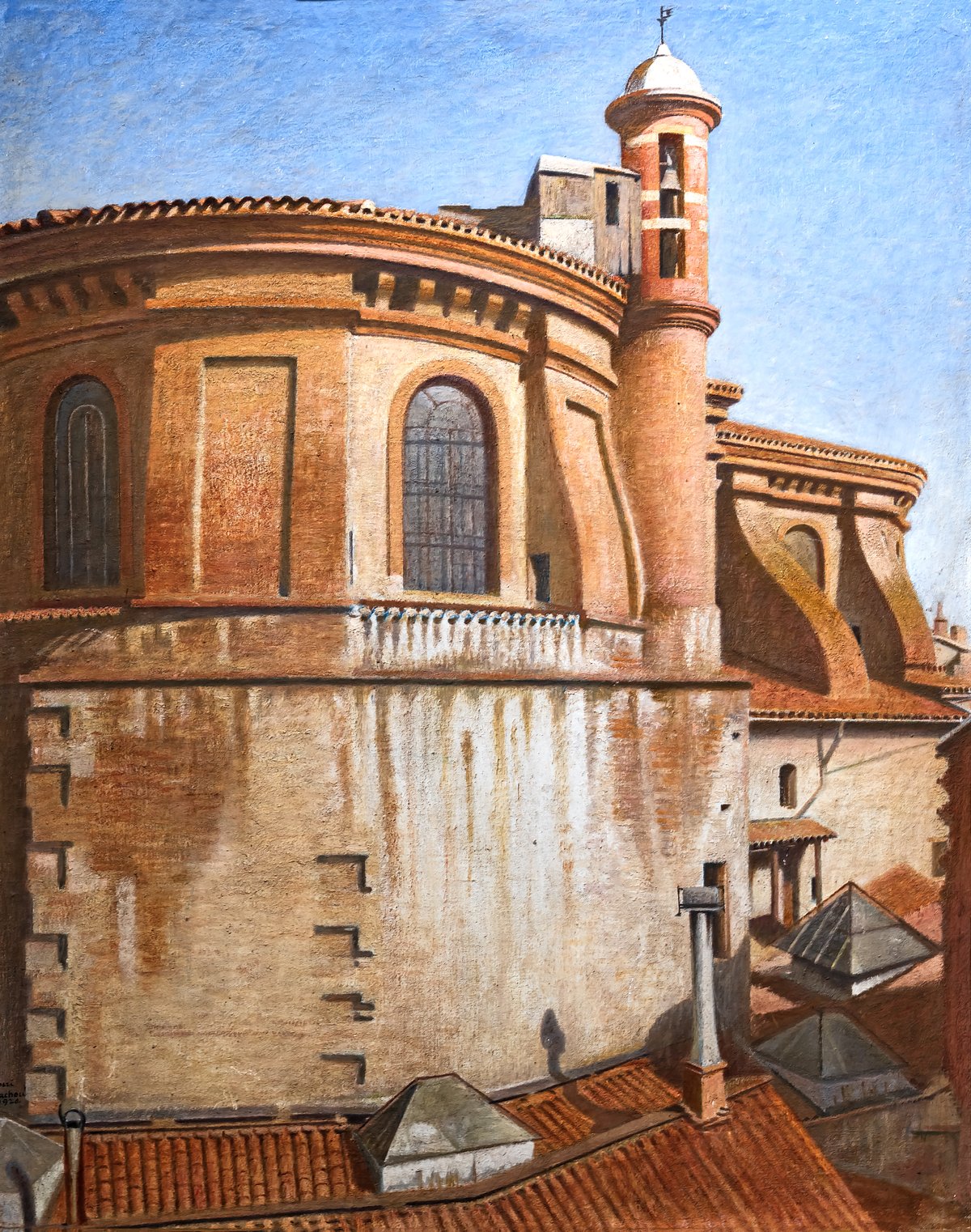
The hospital complex underwent significant expansion in the 17th and 18th centuries, ultimately covering several hectares. The most iconic feature—the Chapel of Saint-Joseph de La Grave—was built between 1758 and 1845. Its dome, constructed with a lightweight wooden structure and covered in copper, is a masterpiece of neoclassical ingenuity, designed to reduce weight while achieving monumental scale (Paris1972-Versailles2003, Metropole Toulouse). The dome’s striking turquoise patina and harmonious proportions make it a defining element of Toulouse’s skyline.
Inside, the chapel offers a serene nave, marble and gilded wood altar, and light-filled interior accentuated by the dome’s arched windows and lantern. Restoration efforts have preserved its elegant decorative elements, balancing historical authenticity with the needs of a modern cultural venue (Mairie de Toulouse).
Role in Public Health and Social Services
Throughout the 18th and 19th centuries, La Grave was among the largest hospitals in France. It evolved from a plague hospital to a general hospital and, by the 20th century, served as the city’s main maternity center until the development of newer medical sites (Guide Toulouse Pyrénées, Paris1972-Versailles2003). The institution’s commitment to both medical treatment and social welfare was pioneering for its era.
Modern Era and Cultural Rebirth
In the 20th century, as medical functions moved elsewhere, the chapel was deconsecrated and repurposed as a cultural space. Listed as a historic monument in 1978, it now hosts exhibitions, music events, and community gatherings. Notably, recent exhibitions, such as those by Eva Jospin, have created vibrant dialogues between contemporary art and the chapel’s historic architecture (Mairie de Toulouse).
The city of Toulouse has invested in making the chapel accessible, inclusive, and engaging for all, with multilingual information, educational kits for families, and accessible facilities (Metropole Toulouse).
Visiting Information
Opening Hours
- During school holidays: Tuesday to Sunday, 11:00–18:00
- Outside school holidays: Wednesday to Sunday, 11:00–18:00
- Closed Mondays (except during school holidays)
- Guided tours are typically offered at set times (e.g., 11:30, 15:00, 16:30). Always confirm the current schedule on the official website.
Tickets and Admission
- Standard entry: Check up-to-date rates on the official ticketing platform.
- Free admission: For children under 6, students, persons with disabilities, select pass holders, and on the first Sunday of each month.
- Family offer: Pedagogical kit (€10 per family, entry not included).
- Combined tickets: Available for other sites, such as the Couvent des Jacobins.
- Advance booking: Strongly recommended, especially for groups and during exhibitions.
Accessibility
- The chapel is accessible to visitors with reduced mobility. Contact the site in advance for specific accommodations.
- Multilingual guided tours (including English and Spanish) are available upon request.
- Educational materials and guided activities are offered for families and schools.
Getting There
- Address: 1 Place Lange, 31300 Toulouse
- Metro: Saint-Cyprien République (Line A)
- Bus: St Cyprien République stop (several lines)
- Train: Saint-Cyprien-Arènes station (~21 minutes on foot)
- Bicycle: VéloToulouse stations nearby
- Parking: Limited in the area; public transport recommended
Visitor Facilities
- Restrooms available on-site
- Gift shop with souvenirs and heritage publications (no café/restaurant; refreshments in the nearby Saint-Cyprien district)
- Family-friendly amenities, including educational kits
Nearby Attractions
- Pont Saint-Pierre: Scenic bridge and photo spot
- Couvent des Jacobins: Historic convent, accessible with combined ticket
- Les Abattoirs: Modern and contemporary art museum
- Prairie des Filtres: Riverside park
- Saint-Cyprien Market: Local produce and crafts
Tips for a Memorable Visit
- Book in advance: Especially during weekends, holidays, and for group visits.
- Check current schedules: Guided tours and special events may affect hours.
- Arrive early: Enjoy a quieter atmosphere and avoid crowds.
- Bring a camera: The dome is especially photogenic at sunset and from the Pont Saint-Pierre.
- Dress appropriately: Comfortable and modest attire is recommended.
- Engage with guides: Multilingual tours enrich the experience.
Frequently Asked Questions (FAQ)
Q: What are the Chapel of Hôpital Saint-Joseph de La Grave visiting hours?
A: Typically Tuesday–Sunday, 11:00–18:00. Closed Mondays except during school holidays. Always check the official website for updates.
Q: Do I need to book tickets in advance?
A: Advance booking is highly recommended, especially for groups and during exhibitions.
Q: Is the chapel accessible for visitors with disabilities?
A: Yes, but contact the site ahead for specific needs.
Q: Are guided tours available in English?
A: Yes, tours are offered in multiple languages.
Q: Can I visit without a guided tour?
A: Entry is mainly via guided tours; independent visits may be limited.
Q: Are there free admission days?
A: Yes, on the first Sunday of each month.
Listen to the full story in the app
The whole Chapel Of Hôpital Saint-Joseph De La Grave,
told well.
Audio guides for 1,100+ cities across 96 countries. History, stories, and local insight — offline ready.
Verified, and shown.
Researched and written by the Audiala editorial team from historical records, architectural archives, and local expertise.
Hôpital de La Grave
Chapelle Saint-Joseph de La Grave
Chapelle Saint-Joseph Hospice de La Grave
Hospice de La Grave
Chapelle Saint-Joseph de La Grave
(2020, January 16). The Dome of La Chapelle Saint-Joseph de La Grave Toulouse
Exposition Eva Jospin à la Chapelle de La Grave
Chapelle Saint-Joseph de La Grave - Toulouse
Researched from Wikidata, Wikipedia & official sources · fact-checked · How we make our guides →