Plan and listen to Castelet De Croix-Daurade with Audiala.
Audio guide in your pocket, itinerary in your browser. Built for the way you actually visit.
Introduction
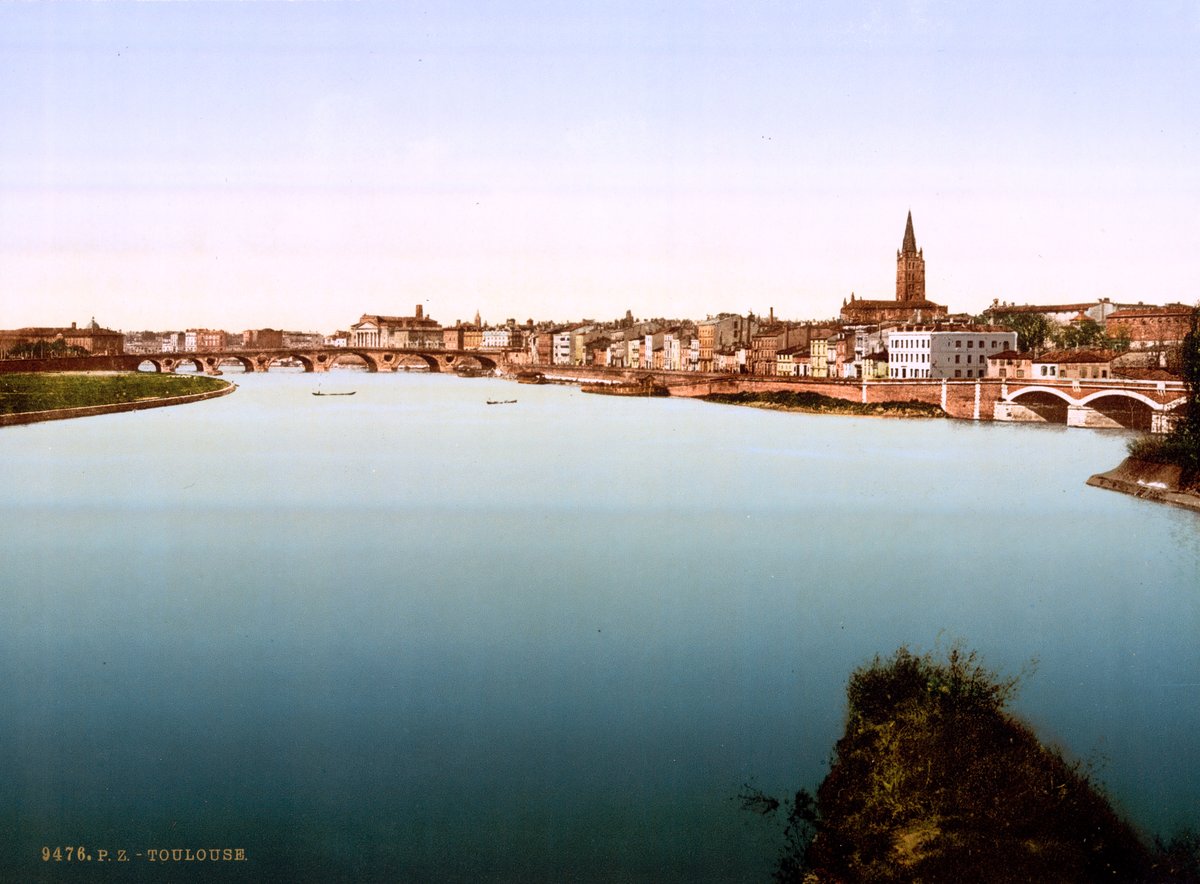
The Castelet De Croix-Daurade stands as a remarkable testament to Toulouse’s layered history, blending architectural innovation, social change, and enduring community spirit. Once the administrative heart of the Saint-Michel Prison complex, this emblematic site has evolved into a center for reflection and education. Whether you’re a history enthusiast, architecture lover, or cultural explorer, the Castelet offers a unique lens through which to view Toulouse’s transformation from the 19th century to the present day (Haute-Garonne Tourism, Toulouse Tourisme).
This comprehensive guide details the Castelet’s origins, historical roles, architectural features, practical visitor information, and its significance within both the Croix-Daurade and Saint-Michel districts. Read on for everything you need to plan a memorable visit, including accessibility, ticketing, travel tips, and advice for exploring Toulouse’s wider heritage landscape.
- Origins and Construction
- Role within the Saint-Michel Prison Complex
- Historical Significance in the 20th Century
- Transformation into an Interpretation Center
- Architectural Features
- Visitor Information: Hours, Tickets & Accessibility
- Travel Tips & Nearby Attractions
- The Castelet in Community Life
- Preservation and Research Initiatives
- Frequently Asked Questions (FAQ)
- Conclusion & Planning Resources
- Sources
Origins and Construction
Completed in 1872 by architect Jacques-Jean Esquié, the Castelet De Croix-Daurade reflects Toulouse’s embrace of modernized civic infrastructure during the late 19th century. It was conceived as the administrative nucleus of the Saint-Michel Prison complex, embodying contemporary ideas about penal reform and social order. The building’s “Pink City” brick façade, symmetrical layout, and advanced features—such as improved ventilation and natural light—set a new standard for institutional architecture in the region (Haute-Garonne Tourism).
Role within the Saint-Michel Prison Complex
For over 150 years, the Castelet was central to the operations of Toulouse’s largest prison. It housed administrative offices, records, and the warden’s quarters, orchestrating daily routines and overseeing security and rehabilitation programs. Its strategic location in the historically working-class Saint-Michel district gave it a prominent role in shaping Toulouse’s social and judicial landscape.
Historical Significance in the 20th Century
World War II and the French Resistance
During the German occupation and the Vichy regime, the Saint-Michel Prison and its Castelet became sites of suffering and resistance. The prison interned French Resistance members, political prisoners, and Jews awaiting deportation. Testimonies and archives preserved at the Castelet today pay tribute to the courage and resilience of those who endured these dark times (Haute-Garonne Tourism).
Post-War Evolution
Following Toulouse’s liberation in 1944, the prison adapted to shifts in the French penal system but ultimately closed due to overcrowding and outdated facilities. The main prison closed in 2003, while the Castelet was designated a Historic Monument in 2011, safeguarding its architectural and historical legacy for future generations (Haute-Garonne Tourism).
Transformation into an Interpretation Center
After restoration, the Castelet reopened as an interpretation center in 2021. Its exhibitions now explore the evolution of penal practices, daily life inside the prison, notable inmates, and the building’s wartime legacy. Archival documents, multimedia displays, and personal accounts provide an immersive educational experience for visitors of all ages (Haute-Garonne Tourism).
Architectural Features
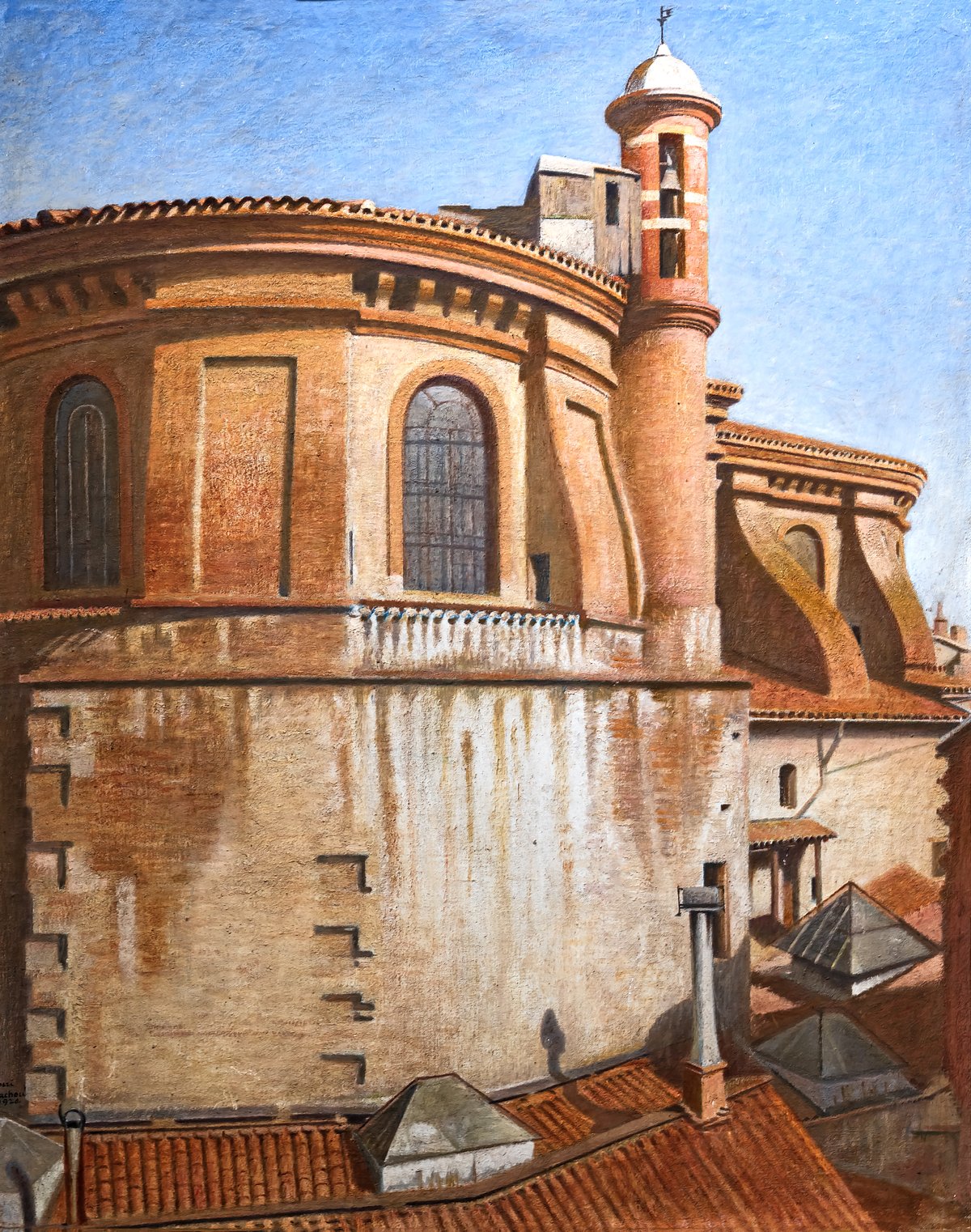
The Castelet’s architecture exemplifies Toulouse’s signature pink brickwork, Gothic and Renaissance influences, and 19th-century innovations. Key features include:
- Symmetrical façade with arched windows and decorative brick detailing.
- Vaulted ceilings and wrought-iron staircases preserved from the original design.
- Terracotta ornamentation and original period furnishings.
- Landscaped gardens influenced by English park design, with features like the orangerie and "temple de l’Amour" reflecting 19th-century romanticism.
These features contribute to the site’s status as both an architectural gem and a symbol of Toulouse’s cultural aspirations (Toulouse Heritage).
Visitor Information: Hours, Tickets & Accessibility
- Opening Hours: Regularly open Wednesday to Sunday, 11:00 AM–6:00 PM; closed Mondays and Tuesdays. Additional access may be available during special events and public holidays—always check the official events calendar.
- Admission: Free for all visitors on the first Sunday of the month and with certain tourism passes. Standard admission is modest, with reduced rates for guided tours; some special exhibitions may require advance booking (Toulouse Tourisme, Monuments Toulouse).
- Guided Tours: Regularly scheduled in French, with English tours during peak seasons. Advance booking recommended.
- Accessibility: Main exhibition areas are wheelchair accessible, and restrooms are adapted. Some historic sections may be less accessible—contact ahead for details. The site is certified with the Handicap Tourism Label.
- Facilities: Restrooms, free public Wi-Fi, and QR-coded digital guides are available. There is no on-site gift shop, but nearby artisan markets offer souvenirs.
Travel Tips & Nearby Attractions
- Getting There:
- Public transport: Metro (Saint-Michel–Marcel Langer, Line B); tram lines T1 and T2; multiple bus routes.
- By bike: VélÔToulouse stations nearby; area is pedestrian and cyclist friendly.
- By car: Limited parking in surrounding streets—public transit is encouraged during events.
- Nearby Sites:
- Musée des Augustins (fine arts museum)
- Hôtel d’Assézat (Renaissance mansion)
- Garonne River banks and Place du Capitole
- Covered Market of Les Carmes
- Local bakeries, markets, and green spaces in the Croix-Daurade and Saint-Michel districts
- Dining & Accommodation: Numerous local restaurants; hotels such as Lagrange Apart’Hôtel Toulouse Saint-Michel are within walking distance.
The Castelet in Community Life
Beyond its historical and architectural significance, the Castelet is deeply woven into community life. It hosts neighborhood festivals, open-air concerts, educational workshops, and guided tours. The gardens and courtyards are popular gathering spaces, especially in summer. Annual events like the Fête de la Musique and Journées du Patrimoine foster community engagement and celebrate local heritage (Fête de la Musique Toulouse).
Preservation and Research Initiatives
The Castelet supports ongoing preservation of testimonies and research collaborations with historians, former inmates, and local families. Conferences, seminars, and publications highlight themes of justice, civic identity, and memory. Its archives and exhibitions serve as valuable resources for educators, scholars, and visitors (Toulouse Culture).
Frequently Asked Questions (FAQ)
Q: What are the Castelet De Croix-Daurade visiting hours?
A: Typically Wednesday–Sunday, 11:00 AM–6:00 PM; closed Mondays and Tuesdays. Confirm special hours on the official events calendar.
Q: Is there an entry fee?
A: Free on the first Sunday of each month and with certain passes. Standard tickets are affordably priced; special exhibitions may vary.
Q: Are guided tours available in English?
A: Yes, especially during peak seasons. Advance reservation is recommended.
Q: Is the site wheelchair accessible?
A: Yes, main areas and restrooms are accessible; some historic sections may have limitations.
Q: Can I take photographs?
A: Photography is allowed in public areas; some exhibitions may have restrictions.
Q: Are the gardens open outside event hours?
A: Generally, the gardens are accessible during opening hours and public events.
Listen to the full story in the app
The whole Castelet De Croix-Daurade,
told well.
Audio guides for 1,100+ cities across 96 countries. History, stories, and local insight — offline ready.

Verified, and shown.
Researched and written by the Audiala editorial team from historical records, architectural archives, and local expertise.
Researched from Wikidata, Wikipedia & official sources · fact-checked · How we make our guides →