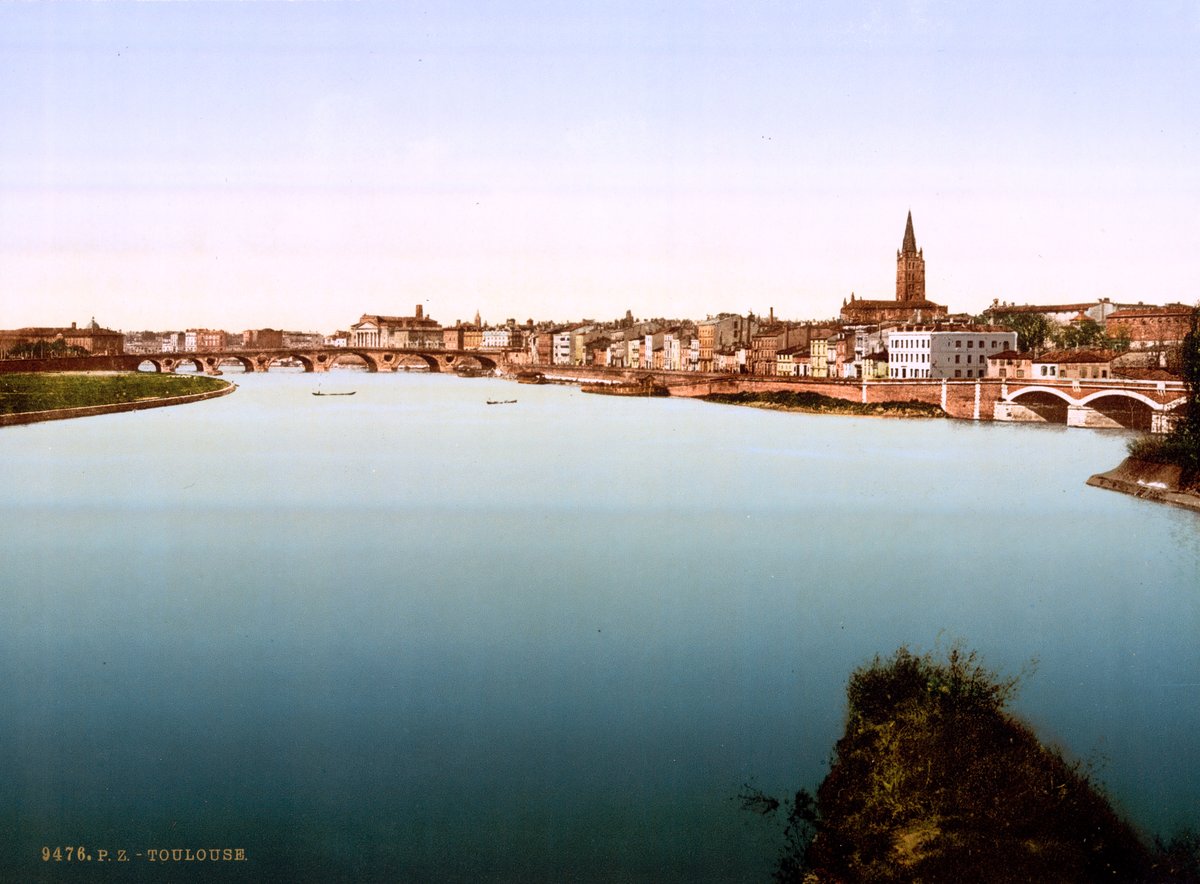
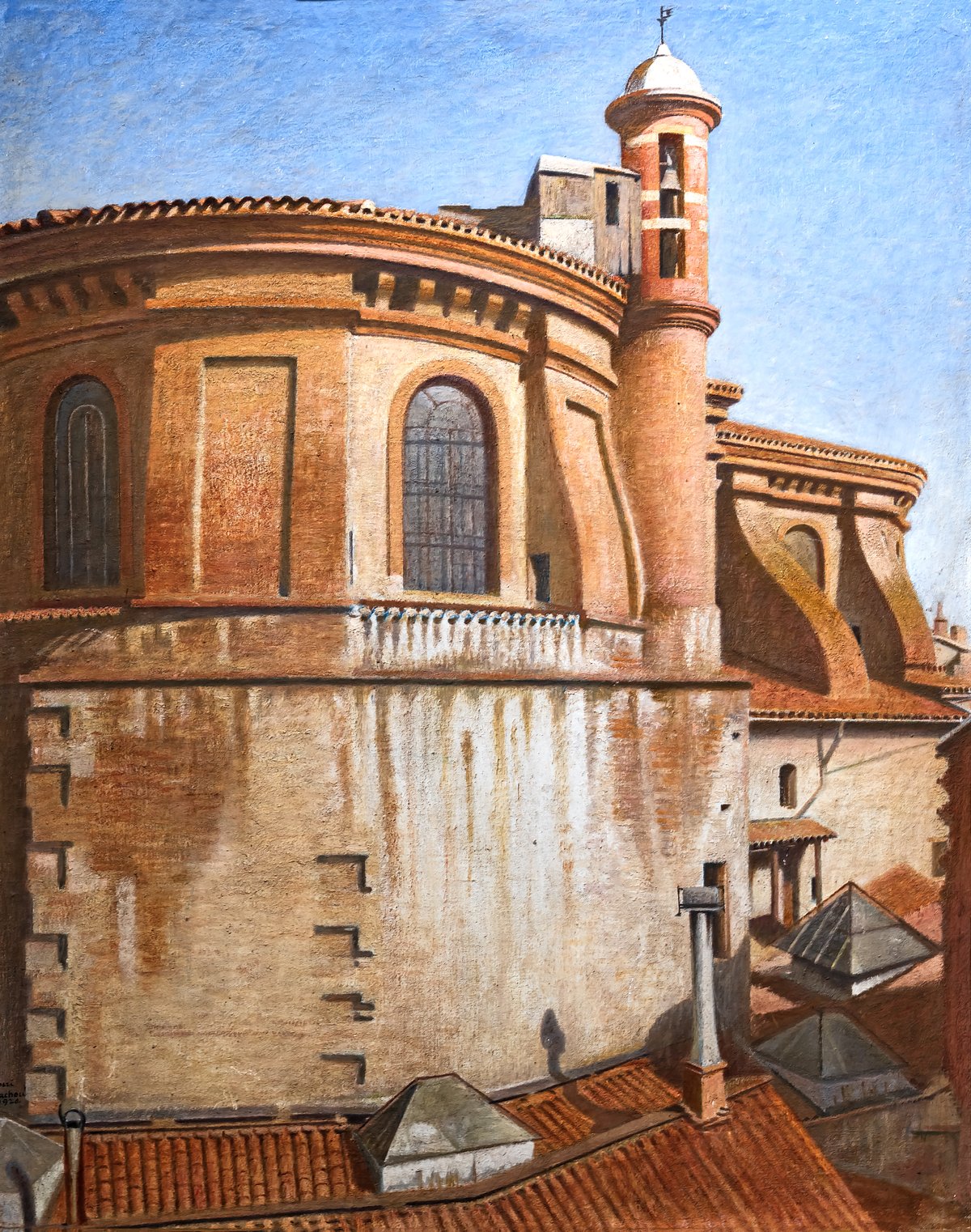
Plan and listen to Capitole De Toulouse with Audiala.
Audio guide in your pocket, itinerary in your browser. Built for the way you actually visit.
Introduction
The Capitole de Toulouse is more than just the city’s administrative headquarters—it is a monumental symbol of Toulouse’s political history, artistic achievement, and communal spirit. Located at the heart of the bustling Place du Capitole, this iconic building embodies the essence of "La Ville Rose" (the Pink City) and offers visitors a captivating journey through centuries of history, architecture, and culture. From its origins as the seat of the medieval Capitouls to its present-day role as city hall and a major cultural venue, the Capitole stands as a testament to Toulouse’s enduring civic pride and vibrant public life (Spotting History; La Ramoneta; Lost in Bordeaux).
This guide provides detailed information on the Capitole’s history, artistic treasures, visiting hours, ticketing, accessibility, and practical tips to ensure you make the most of your visit to this remarkable site.


Origins and Medieval Foundations
The Capitole’s story begins in 1190, when the Capitouls—Toulouse’s elected city magistrates—commissioned a “maison commune” as their seat of power. The name “Capitole” comes from the Latin “capitulum,” signifying both a chapter (assembly) and echoing the grandeur of Rome’s Capitol Hill. According to legend, the site is also linked to the martyrdom of Saint Saturninus, Toulouse’s first bishop, in the 3rd century, adding spiritual significance to its civic importance (Spotting History; La Ramoneta).
Throughout the Middle Ages, the Capitole was not just a municipal building but a vibrant hub of justice, finance, and urban governance. Its continuous expansion reflected Toulouse’s growing prosperity and the complex needs of its rulers.
Renaissance and Religious Turmoil
The 16th century marked a turbulent chapter for the Capitole, as Toulouse became a flashpoint during the French Wars of Religion. In 1562, Huguenot forces seized the Capitole, using its strategic position to defend their cause. This period left its mark on the building’s fabric, with surviving Renaissance elements such as the Henri IV courtyard and gate, reminders of the Capitole’s resilience through upheaval (Spotting History; La Ramoneta).
Neoclassical Transformation & 19th Century Developments
The Capitole’s current neoclassical grandeur dates to 1750, when architect Guillaume Cammas designed the iconic pink-brick façade, stretching 135 meters along Place du Capitole. Eight columns symbolize the original Capitouls, and the restrained order and symmetry exemplify Enlightenment ideals. In the 19th century, architect Eugène Viollet-le-Duc added the bell tower, while the interiors were enriched with artistic and decorative flourishes reflecting Toulouse’s cultural ambitions (Spotting History; Lost in Bordeaux).
Salle des Illustres & Artistic Heritage
One of the Capitole’s crowning jewels is the Salle des Illustres, inaugurated in 1898. Inspired by the Hall of Mirrors at Versailles, this ceremonial gallery dazzles with floor-to-ceiling murals, allegorical paintings, and sculptures by renowned artists such as Henri Martin, Jean-Paul Laurens, and Paul Gervais. The artworks chronicle Toulouse’s history, celebrate its luminaries, and encapsulate the city’s artistic legacy. The Salle des Illustres remains a venue for official ceremonies, weddings, and cultural events, offering a unique blend of grandeur and civic life (La Ramoneta; Lost in Bordeaux).
Elsewhere, the Galerie des Arcades along Place du Capitole features painted ceilings depicting local legends and historical scenes, while public art—such as the Occitan cross set in the square’s paving—emphasizes the region’s distinct identity (Lost in Bordeaux).
Civic and Cultural Roles
Seat of Power and Administration
Since its inception, the Capitole has been the epicenter of Toulouse’s municipal government. It houses the mayor’s office, city council chambers, and other administrative functions. Over the centuries, the building has witnessed significant events, including the execution of the Duke of Montmorency and the ongoing evolution of Toulouse’s civic governance (Toulouse Tourisme; Factsgem).
Cultural and Artistic Hub
The Capitole is also home to the Théâtre du Capitole, one of France’s leading opera houses. The theater’s lavish auditorium, renowned for its acoustics and ornate design, hosts international productions of opera, ballet, and classical music (Lost in Bordeaux; Travel2Next). The integration of civic, artistic, and musical functions within one complex is rare, making the Capitole a true nexus of Toulouse’s cultural life.
Place du Capitole: Public Life & Events
The pedestrianized Place du Capitole is the city’s main square and a vibrant gathering place. Marked by the golden Occitan cross, it is lined with arcades, cafés, and boutiques. The square hosts markets, festivals, concerts, and rallies, serving as a focal point for both daily life and major celebrations such as Bastille Day and the Christmas market (French Moments; Diego en France).
Visiting Hours, Tickets, and Accessibility
Opening Hours
- General Opening: The Capitole is open to visitors daily, typically from 8:00 am (or 8:30 am) to 6:00–7:00 pm, with longer hours in spring and summer. Hours may vary due to official functions or special events (Toulouse Tourisme).
- Théâtre du Capitole: Performance schedules vary; check the theater’s program for event times.
Admission & Tickets
- General Admission: Entry to most public areas, including the Salle des Illustres, is free.
- Guided Tours: Available in multiple languages for a fee. Advance booking is recommended, especially during peak tourist seasons.
- Theater Performances: Tickets for opera, ballet, and concerts must be purchased separately, either online or at the box office (Toulouse Tourisme).
Accessibility
- The Capitole is accessible to visitors with reduced mobility. Ramps, elevators, and accessible restrooms are available throughout the building.
- Staff at the Capitole and nearby Tourist Office can provide additional assistance and information as needed.
Travel Tips & Nearby Attractions
- Getting There: The Capitole is located at Place du Capitole, 31000 Toulouse. The Capitole metro station (Line A) is directly below the square. Paid underground parking is available nearby.
- Best Times to Visit: Early mornings or late afternoons are quieter; evenings offer a lively atmosphere. For performances or guided tours, book ahead.
- Nearby Sites: The Basilica of Saint-Sernin (UNESCO-listed), the Jacobins Convent, and the old town are all within walking distance, making the Capitole an ideal starting point for exploring Toulouse’s heritage (Travelfrancebucketlist; The Tourist Checklist).
Special Events & Photography
- Events: The Capitole and its square host numerous festivals, markets, and open-air concerts, especially in summer and during holidays (Lost in Bordeaux).
- Photography: Non-flash photography is allowed in most public areas. The pink façade, Salle des Illustres, and bustling square are excellent photo subjects—early morning and sunset offer the best light.
Frequently Asked Questions
Q: What are the Capitole de Toulouse visiting hours?
A: Usually open daily from 8:00/8:30 am to 6:00–7:00 pm, with extended hours in summer. Check the official website for updates.
Q: Is there an entrance fee?
A: General admission is free. Guided tours and theater performances require tickets.
Q: Are guided tours available?
A: Yes, in French and English. Booking in advance is recommended.
Q: Is the Capitole accessible for visitors with disabilities?
A: Yes, with ramps, elevators, and accessible restrooms.
Q: What are the best nearby attractions?
A: Basilica of Saint-Sernin, Jacobins Convent, the historic old town, and the Garonne riverfront.
Summary & Recommendations
The Capitole de Toulouse is a must-see for anyone interested in French history, architecture, and culture. Its blend of medieval origins, neoclassical elegance, and ongoing civic and artistic activity offers a rich, immersive experience. Free admission, central location, and accessibility make it a welcoming destination for all visitors. Enhance your visit with a guided tour, attend a performance at the Théâtre du Capitole, and don’t miss the vibrant life of Place du Capitole.
Plan ahead by checking official resources and downloading the Audiala app for in-depth audio guides and updates. The Capitole de Toulouse awaits to share its story with you.
Listen to the full story in the app
The whole Capitole De Toulouse,
told well.
Audio guides for 1,100+ cities across 96 countries. History, stories, and local insight — offline ready.
Verified, and shown.
Researched and written by the Audiala editorial team from historical records, architectural archives, and local expertise.
Researched from Wikidata, Wikipedia & official sources · fact-checked · How we make our guides →