Plan and listen to Canal De Brienne with Audiala.
Audio guide in your pocket, itinerary in your browser. Built for the way you actually visit.
Introduction
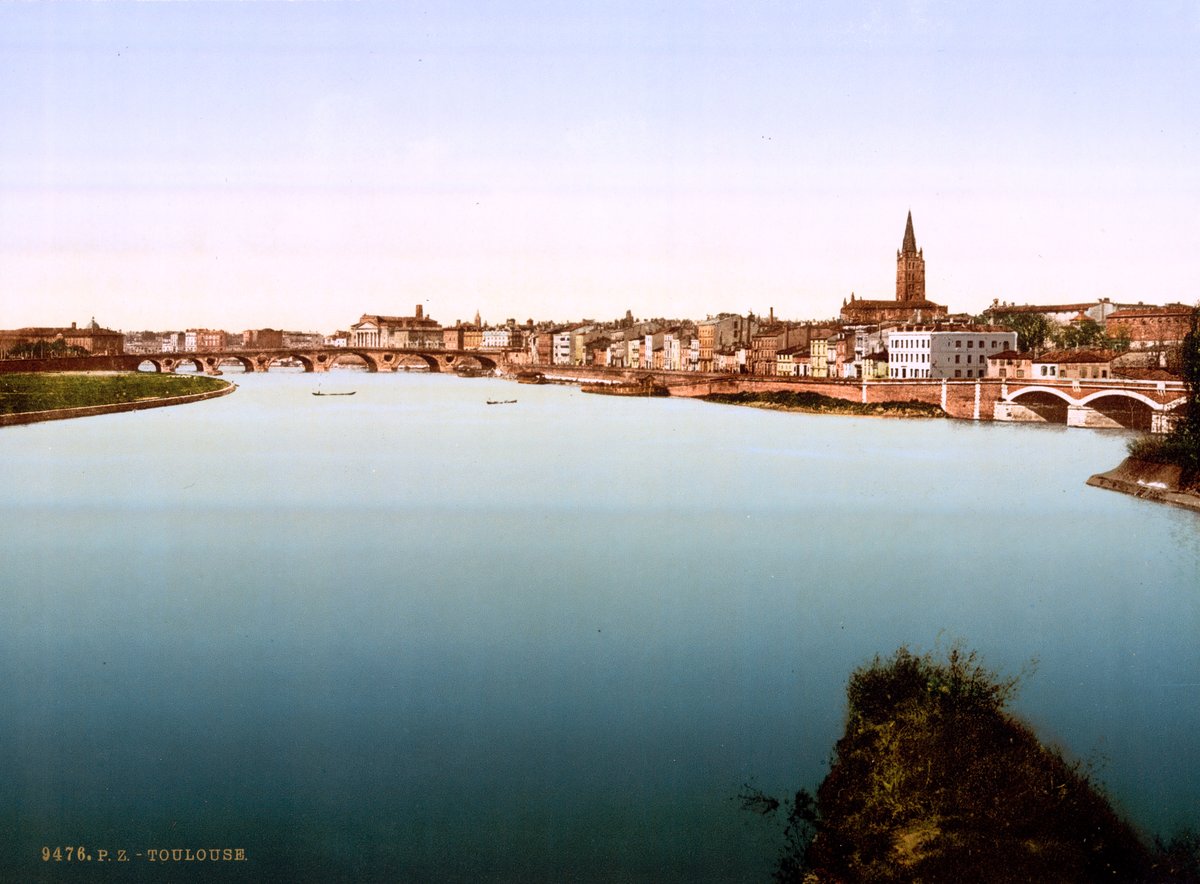
Nestled in the heart of Toulouse, the Canal de Brienne stands as a testament to the city’s remarkable historical legacy, innovative engineering, and vibrant urban culture. Constructed between 1765 and 1776, this 1.5-kilometer canal was designed to connect the Garonne River with the Canal du Midi and the Canal Latéral à la Garonne, solidifying Toulouse’s status as a major inland commercial hub (Toulouse Tourisme; Wikipedia). Today, the canal is not only a cherished heritage site but also a lively green corridor, popular with walkers, cyclists, and those eager to explore the city’s waterways.
This comprehensive guide provides essential information for visitors, including the canal’s historical background, engineering highlights, practical visiting details, accessibility, nearby attractions, and current urban projects. Discover how to make the most of your trip to one of Toulouse’s most emblematic sites.

Historical and Strategic Significance
The Canal de Brienne was constructed to address the limitations of the original Canal du Midi, which bypassed the city center. By linking the Garonne with both the Canal du Midi and the Canal Latéral à la Garonne, the canal enabled direct waterborne access to the heart of Toulouse for goods and people (Wikipedia; Urbicus). Its inauguration in 1776 marked a new era, fostering economic growth and integrating Toulouse more deeply into southern France’s commercial circuits.
Engineering and Architectural Features
Strategic Connectivity
At just over 1.5 kilometers in length, the Canal de Brienne’s significance lies in its function as a connector. It links the Garonne River to the critical junction at the Port de l’Embouchure, where three major canals—Brienne, Midi, and Latéral—converge at the Ponts Jumeaux, a striking ensemble of bridges that facilitate both road and river traffic (Toulouse Tourisme).
Architectural Landmarks
Noteworthy features include the monumental Carrara marble bas-relief at the Ponts Jumeaux, created by François Lucas in the 18th century, which celebrates the modernization of Toulouse. The canal’s banks are lined with plane trees, providing shade and enhancing biodiversity, while also creating a scenic promenade for locals and visitors alike.
Hydraulic Engineering
The canal incorporates the Écluse Saint-Pierre lock, originally built to manage the difference in water levels between the Garonne and the canal system. The lock is still operational and is a fascinating example of 18th-century hydraulic engineering (Canal du Midi Overview).
The Canal’s Role in Toulouse’s Waterway Network
As part of Toulouse’s historic canal network, the Canal de Brienne plays a central role in connecting the city to the Canal du Midi (a UNESCO World Heritage site) and the Canal Latéral à la Garonne. The Port de l’Embouchure serves as the symbolic and functional gateway to this network (Canal du Midi Overview). While the Brienne canal itself is not separately listed by UNESCO, it is included in the broader preservation and enhancement efforts of the “Canal des Deux Mers” system.
Practical Visitor Information
Visiting Hours
The Canal de Brienne’s towpaths and promenades are public spaces open daily from dawn to dusk, year-round. There are no entrance fees.
Tickets and Booking
Access to the canal banks is free. Tickets are only required for guided boat tours or special events, with prices for cruises generally ranging from €15 to €40 per person (Toulouse Tourisme). Advance booking is recommended during peak periods.
Accessibility
The majority of towpaths are flat and paved, suitable for wheelchair users and strollers. Some historic areas near locks or bridges may be uneven, so visitors with mobility needs should plan accordingly. Public transport, including metro, bus, and tram, provides easy access.
Getting There
- Address: Allée de Barcelone, 31000 Toulouse, France.
- Public Transport: Metro stations Compans-Caffarelli and Saint-Cyprien-République are nearby; bus and tram stops are available within walking distance.
- Bicycle: Use the VeloToulouse bike-sharing network for easy access.
- Car: Parking is available, but car access is being reduced to favor pedestrians and cyclists (AToulouse).
Amenities
Facilities include benches, picnic areas, information panels, and nearby cafés and restaurants. Public restrooms are located at the Port de l’Embouchure and in adjacent parks.
Activities and Highlights
Walking and Cycling
Enjoy tranquil walks or leisurely bike rides beneath centuries-old plane trees. The flat, shaded paths are ideal for all ages and abilities (Trip101).
Boat Cruises
From March to October, guided cruises depart from Port de la Daurade and Port de l’Embouchure, offering unique views of the canal and historic locks (Toulouse Tourisme).
Points of Interest
- Ponts Jumeaux: Admire historic bridges and marble bas-relief.
- Écluse Saint-Pierre: Watch boats navigate the lock.
- Prairie des Filtres: A nearby park hosting summer festivals.
- Saint-Pierre District: Known for its nightlife and cafés.
Events and Festivals
The canal is a focal point for cultural events, especially in summer:
- Convivencia Festival: Floating musical performances in July at the Port de l’Embouchure (Toulouse Secret).
- Toulouse Plages: Free summer festival featuring sports, beach-like activities, and entertainment along the Garonne and canal.
- Water Rugby: Unique rugby tournaments held on floating platforms near the canal.
Economic, Social, and Environmental Impact
Economic Revitalization
Historically, the canal boosted commerce by enabling efficient transport of goods. Today, it supports tourism, benefiting local businesses and enhancing Toulouse’s appeal (France Adventurer).
Social and Cultural Role
The canal’s banks are gathering places for festivals, markets, and daily recreation. Community engagement and cultural programming ensure the canal remains central to city life (Urbicus).
Environmental Contributions
As part of the “Grand Parc Canal” project, ongoing ecological improvements include restoration of locks, tree planting, and the creation of new pedestrian zones, all aimed at enhancing biodiversity and climate resilience (Toulouse Métropole; VNF).
Urban Mobility and Development Projects
By 2028, car access along the canal will be reduced by 50%, reallocating space to pedestrians and cyclists. The “Grand Parc Canal” initiative is revitalizing green spaces, improving water quality, and restoring historical features to reinforce the canal's role as Toulouse’s green lung (Toulouse Métropole; AToulouse).
Frequently Asked Questions (FAQ)
What are the Canal de Brienne visiting hours?
The canal is open daily from dawn until dusk, year-round.
Are tickets required for visiting?
Access to the towpaths is free; tickets are only needed for boat cruises and special events.
Is the Canal de Brienne accessible for people with disabilities?
Most towpaths are accessible and flat, but some historic areas may present challenges.
Are guided tours available?
Yes, local operators and the tourist office offer walking and boat tours.
How do I get to the Canal de Brienne?
Public transport, bike-sharing, and pedestrian access are recommended; car access is limited.
Visual Gallery


Related Articles
- Exploring the Canal du Midi: UNESCO World Heritage Site in Toulouse
- Top Historical Sites to Visit in Toulouse
- Biking in Toulouse: Best Routes and Tips
Listen to the full story in the app
The whole Canal De Brienne,
told well.
Audio guides for 1,100+ cities across 96 countries. History, stories, and local insight — offline ready.
Verified, and shown.
Researched and written by the Audiala editorial team from historical records, architectural archives, and local expertise.
Researched from Wikidata, Wikipedia & official sources · fact-checked · How we make our guides →