Plan and listen to Basilica Of St. Sernin with Audiala.
Audio guide in your pocket, itinerary in your browser. Built for the way you actually visit.
Introduction to the Basilica of St Sernin
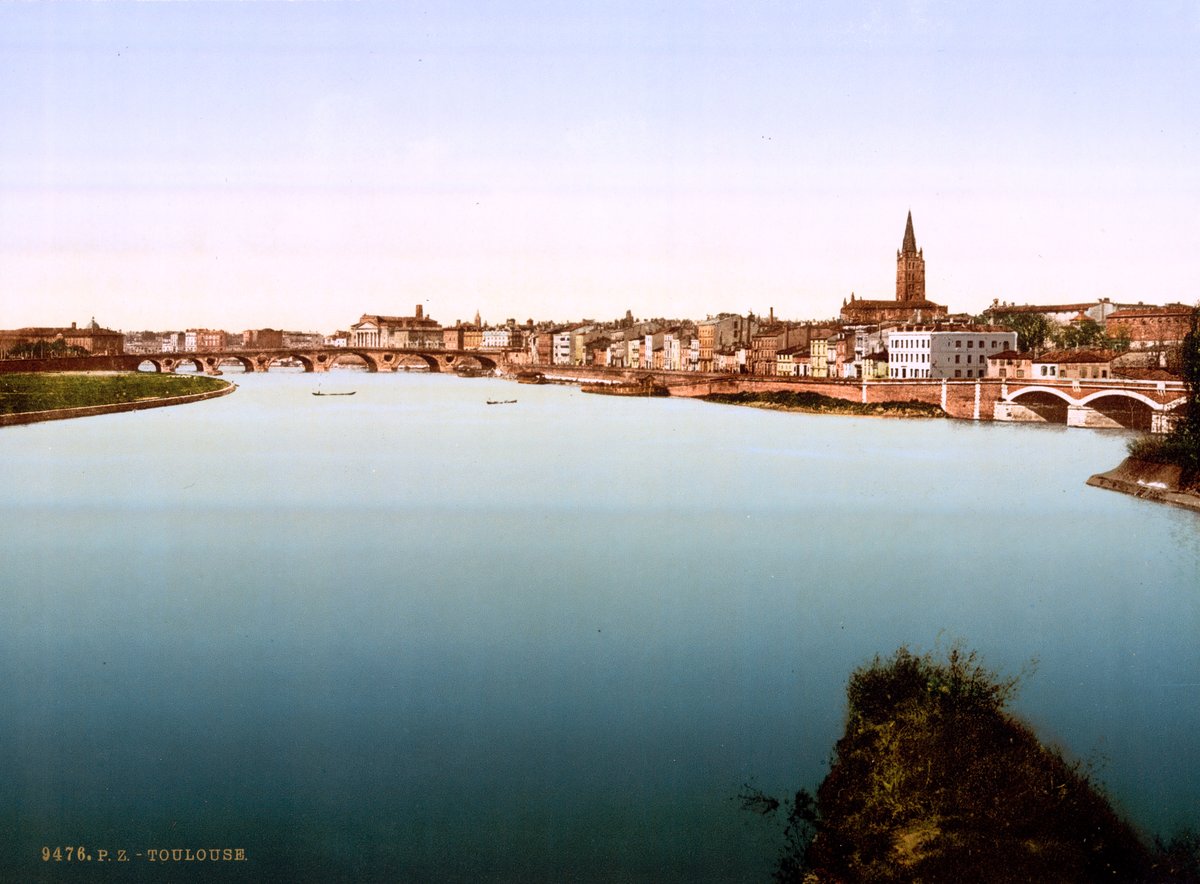
Rising in the heart of Toulouse, the Basilica of Saint-Sernin stands as a monumental symbol of faith, artistry, and medieval architecture. Celebrated as the largest Romanesque church in France and a UNESCO World Heritage Site, it has drawn pilgrims along the Routes of Santiago de Compostela for centuries. The basilica owes its origins to Saint Saturnin (Saint Sernin), Toulouse’s first bishop and Christian martyr, whose relics remain enshrined in the crypt. Over the ages, what began as a modest memorial has become a grand pilgrimage church, renowned for its Toulouse brickwork, soaring bell tower, and exceptional Romanesque sculpture (History Tools; Catholic Shrine Basilica; Wikipedia).
The basilica is not only a place of worship but also a masterpiece of medieval innovation. Its five-aisled nave, ambulatory, and radiating chapels were designed to accommodate vast numbers of pilgrims. The iconic bell tower, blending Romanesque and Gothic elements, remains a dominant feature on the Toulouse skyline (SpottingHistory; Smarthistory). This guide will provide you with a detailed understanding of the basilica’s history, architectural significance, visiting hours, ticketing, and must-see attractions nearby.
Early Origins and the Cult of Saint Saturnin
The basilica’s foundations are tied to the 3rd-century martyrdom of Saint Saturnin, who, legend says, was dragged by a bull through Toulouse for refusing to renounce his faith (History Tools). His burial site soon became a place of veneration. By the 4th century, Bishop Saint Sylvius constructed a church on the site, and it evolved into a significant destination for early Christian pilgrims (Wikipedia; Aleteia).
Medieval Expansion and Pilgrimage
The basilica’s reputation grew when Charlemagne donated a vast collection of relics in the 8th century (History Hit), making it second only to the Vatican in relics (Aleteia). The influx of pilgrims along the Via Tolosana prompted the construction of the current Romanesque basilica in the late 11th century, specifically designed to facilitate the flow of pilgrims while preserving sacred rituals (Ives Diary).
Architectural Highlights
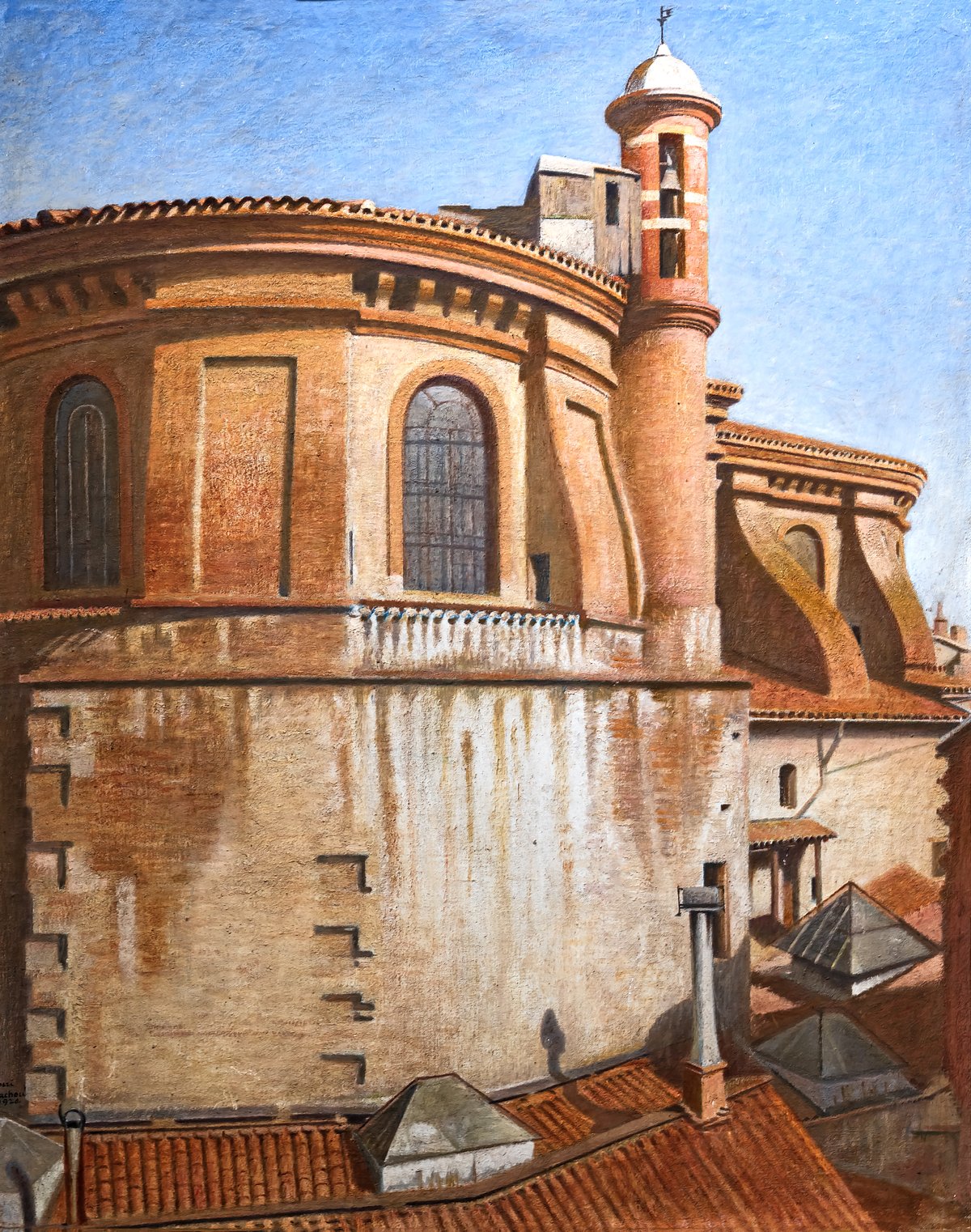
The Basilica of Saint-Sernin exemplifies Romanesque grandeur. Its cruciform plan stretches over 100 meters, featuring:
- Ambulatory and Chapels: Allowing pilgrims to venerate relics in radiating chapels without disturbing the main altar (Smarthistory).
- Vaulted Ceilings: Stone barrel vaults, a hallmark of Romanesque innovation, enhance the acoustics and fire resistance.
- Sculpture: The basilica’s capitals and tympanum are celebrated examples of Romanesque stone carving (Wikipedia).
- Bell Tower: The five-tiered octagonal tower, rising 65 meters, blends Romanesque and Gothic design and is visible across Toulouse (Smarthistory).
The basilica’s design influenced other pilgrimage churches, notably Santiago de Compostela (Catholic Shrine Basilica).
Religious and Cultural Significance
As a central stop on the Camino de Santiago, the basilica has been a spiritual and cultural hub since the Middle Ages (TravelSetu). Its treasury of relics, donated by Charlemagne and others, elevated its religious importance (Ives Diary). The basilica continues to shape the spiritual and civic life of Toulouse, with feast days and festivals marking key moments in the city’s calendar (Catholic Shrine Basilica).
Historical Transformations
- Medieval Prosperity: Pilgrimage brought prosperity and prestige to Toulouse (TravelSetu).
- French Revolution: The basilica was secularized, and some relics were lost, but it survived and was restored in the 19th century (Ives Diary).
- Restorations: Eugène Viollet-le-Duc led major 19th-century restoration efforts (Catholic Shrine Basilica).
- UNESCO World Heritage: In 1998, the basilica was inscribed as a UNESCO World Heritage Site (Wikipedia).
Practical Visitor Information
Visiting Hours
- Regular Opening: Daily from 8:30 AM to 7:00 PM (Trip101; Basilique Saint-Sernin official site)
- Note: Hours may vary on religious holidays or during special events. Always check the official website before your visit.
Tickets and Admission
- General Admission: Free for all visitors.
- Crypt Access: A small fee (around 2 Euros) is required to visit the crypts (Tourispo).
- Guided Tours: Available in several languages; advance booking recommended for group visits (France Voyage).
Accessibility
- Wheelchair Access: The main nave is accessible via ramps. Some areas, particularly the crypts, have limited accessibility due to steps and uneven surfaces.
- Assistance: Contact the secretariat in advance for accommodations.
Guided Tours and Events
Guided tours offer in-depth exploration of the basilica’s art, history, and architecture. Check the official website or call +33 5 61 21 80 45 for schedules. The basilica also hosts concerts, festivals, and markets throughout the year.
Photography and Media
- Photography: Permitted without flash. Respect signage and worshippers’ privacy.
- Visuals: Virtual tours and high-quality images are available via the Toulouse Tourisme website.
Nearby Attractions and Travel Tips
- Nearby Sights: Capitole de Toulouse, Jacobins Convent, Musée Saint-Raymond, and the Japanese Garden are within walking distance.
- Markets: The Sunday flea market in front of the basilica is a local highlight (Tourispo).
- Transport: The Jeanne d’Arc Metro (Line B) is nearby, and several bus routes stop close to the basilica (Trip101).
- Best Time to Visit: Spring and autumn offer pleasant weather and fewer crowds (TravelSetu).
Frequently Asked Questions (FAQ)
Q: What are the basilica’s opening hours?
A: Daily from 8:30 AM to 7:00 PM; check the official website for updates.
Q: Is there an entry fee?
A: Entry is free; crypt access costs around 2 Euros.
Q: Are guided tours available?
A: Yes, in multiple languages, with advance booking recommended for groups.
Q: Is the basilica accessible to visitors with disabilities?
A: The main nave is accessible; some areas like crypts have steps.
Q: Can I attend mass?
A: Yes, masses are held daily at 9:00 AM and 6:45 PM.
Q: Are there nearby attractions?
A: Yes, including the Capitole de Toulouse, Jacobins Convent, and Musée Saint-Raymond.
Summary and Recommendations
The Basilica of Saint-Sernin is an enduring icon of Toulouse’s religious, cultural, and architectural legacy. As a UNESCO World Heritage Site and a pivotal stop on the Camino de Santiago, it welcomes pilgrims and travelers alike. To make the most of your visit:
- Arrive early or during off-peak months for a quieter experience.
- Dress modestly and respect the sacred atmosphere.
- Consider a guided tour to deepen your appreciation of the basilica’s history and art.
- Explore nearby historical sites to enrich your understanding of Toulouse’s heritage (Wikipedia; Ives Diary).
For up-to-date information, downloadable resources, and personalized recommendations, use the Audiala app and follow us on social media.
Tickets & tours.
These are guided options from our partners — same price as booking direct.
Prices are indicative — final pricing and availability are confirmed at checkout. Audiala may earn a commission from bookings made through these links.
Listen to the full story in the app
The whole Basilica Of St. Sernin,
told well.
Audio guides for 1,100+ cities across 96 countries. History, stories, and local insight — offline ready.

Verified, and shown.
Researched and written by the Audiala editorial team from historical records, architectural archives, and local expertise.
Researched from Wikidata, Wikipedia & official sources · fact-checked · How we make our guides →