Introduction
Nestled in the vibrant heart of Strasbourg, France, the University of Strasbourg stands as a testament to centuries of academic excellence and cultural fusion. With origins dating to 1538, it is one of Europe’s oldest universities and plays a pivotal role in the intellectual and cultural landscape of the region. This comprehensive guide provides an in-depth overview of the university’s history, architectural heritage, practical visitor information—including visiting hours and ticketing—and recommendations for nearby historical attractions. Whether you are a tourist, a prospective student, or a history enthusiast, this guide will help you plan an enriching visit to one of Strasbourg’s most iconic landmarks (History of Strasbourg - Wikipedia; University of Strasbourg: History).
Photo Gallery
Explore University of Strasbourg in Pictures
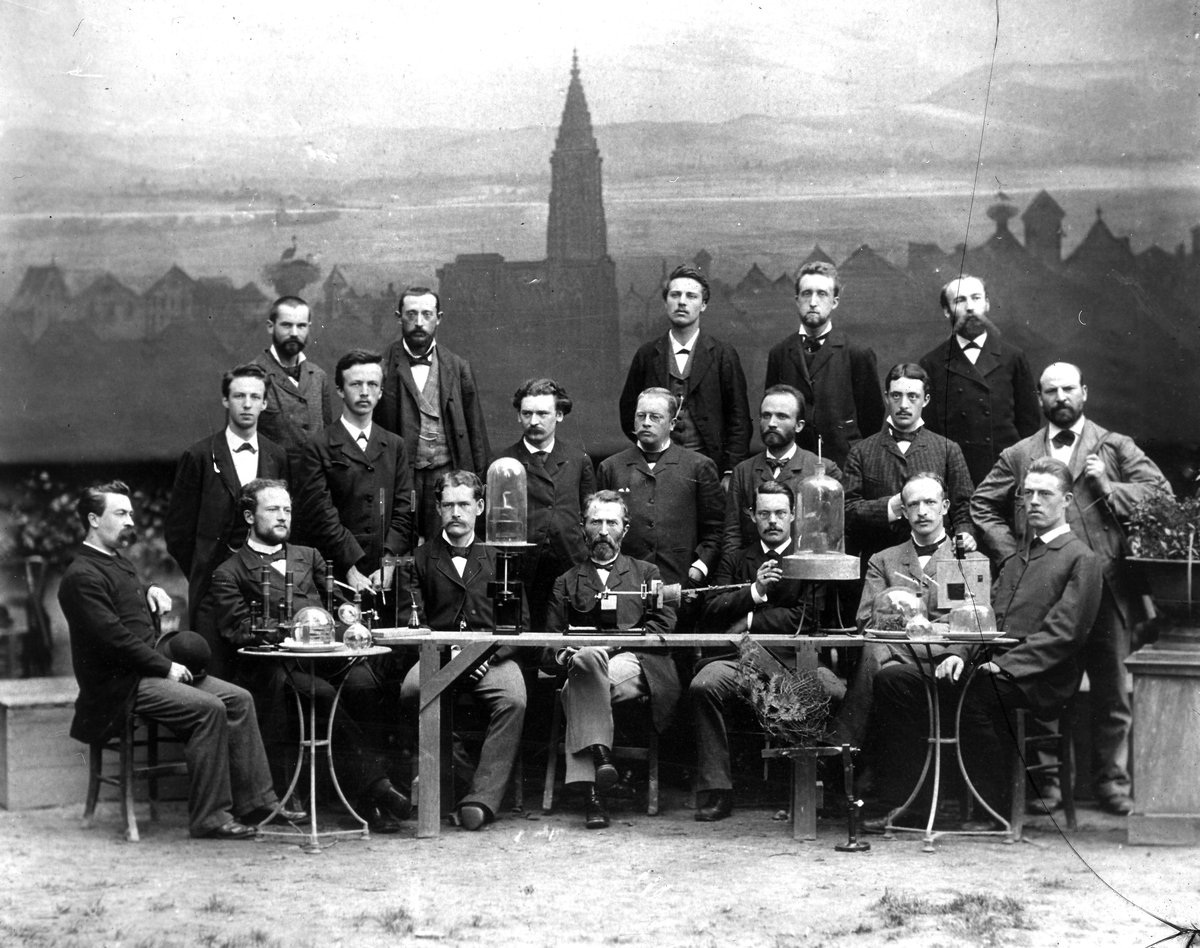
Historical photo of Anton de Bary surrounded by students in a photo studio, with the Strasbourg Cathedral visible in the background, taken before 1888.

Historic image of the University of Strasbourg building in 1919 following its return to France after World War I
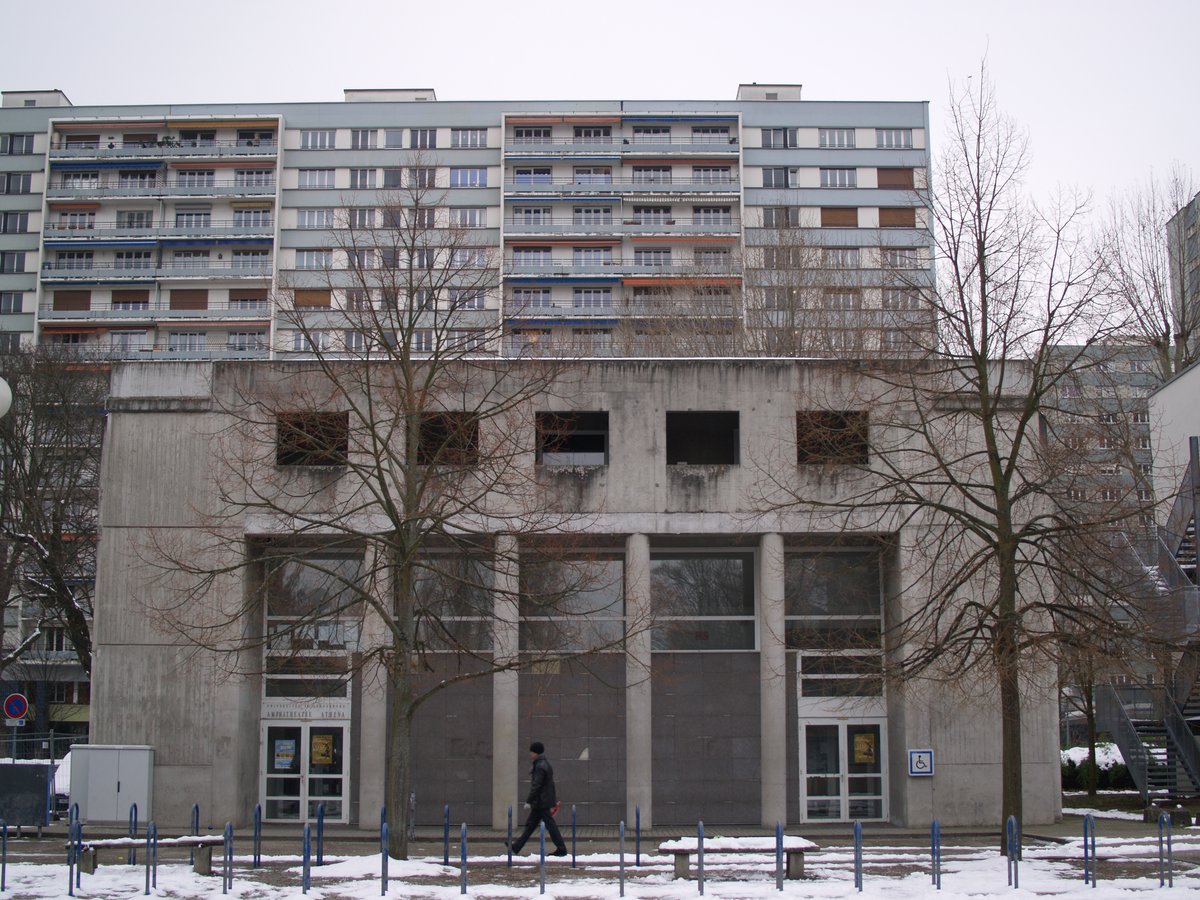
Exterior view of the Athena Amphitheatre at the University of Strasbourg, showcasing its architectural design.
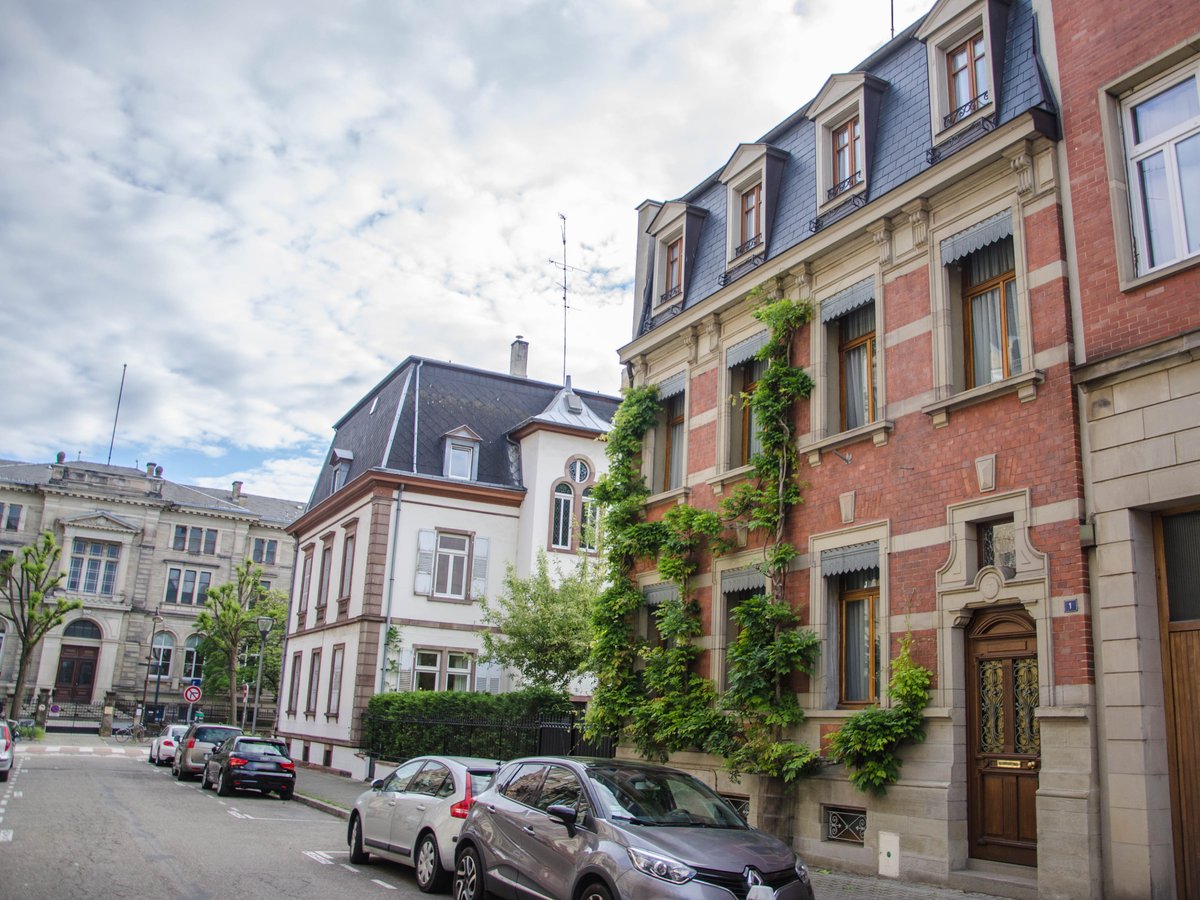
Historic red brick house at 1 rue Fischart, Strasbourg, former premises of the Strassburger Bauverein (Union of Strasbourg builders) during the Prussian period.
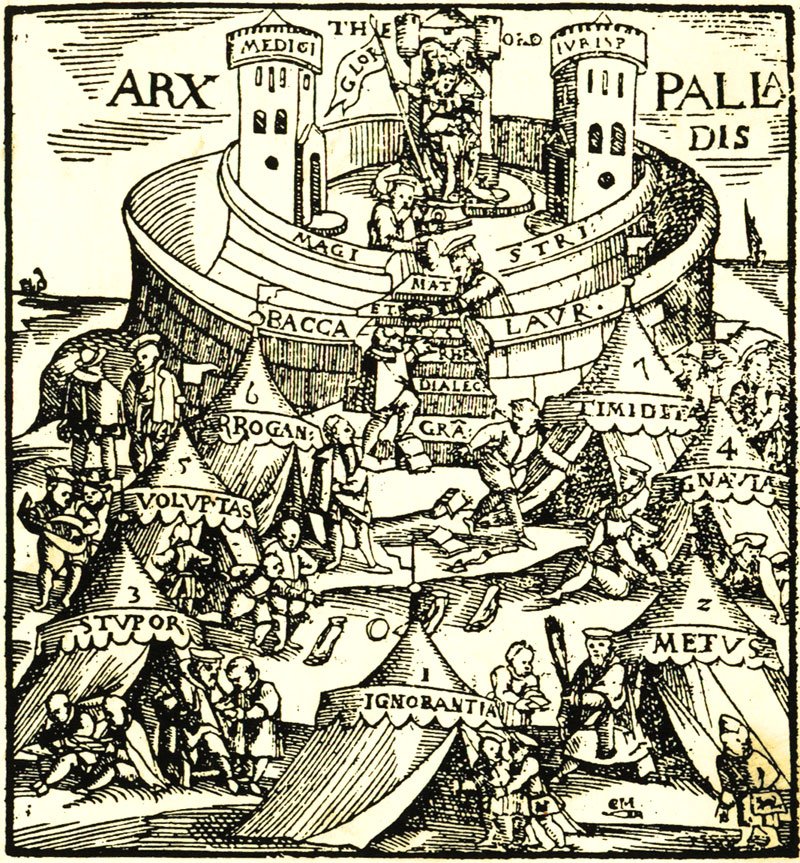
Woodcut frontispiece from the 1578 course catalog of the Strasbourg Academy, depicting intricate Renaissance details.
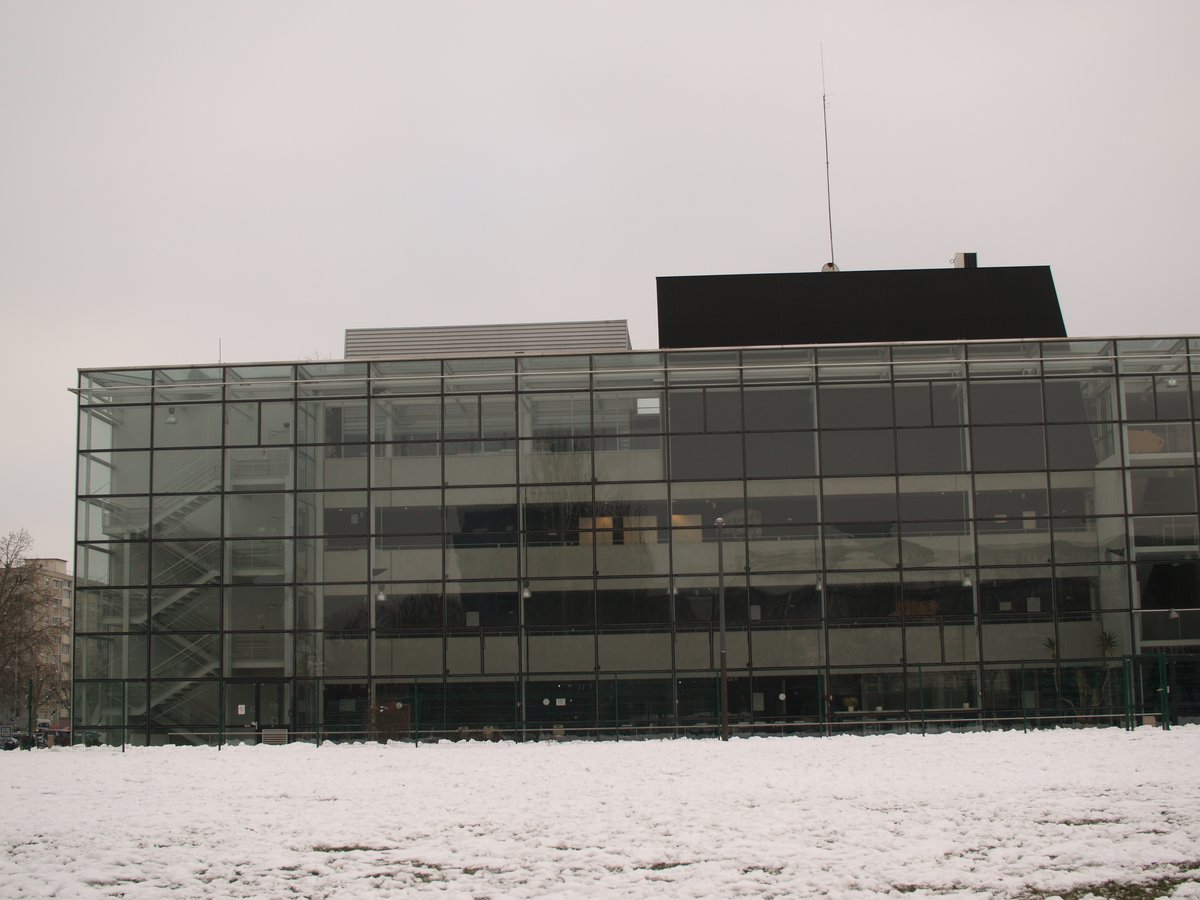
Modern architectural design of L'Atrium interior at the University of Strasbourg featuring spacious seating areas and natural lighting
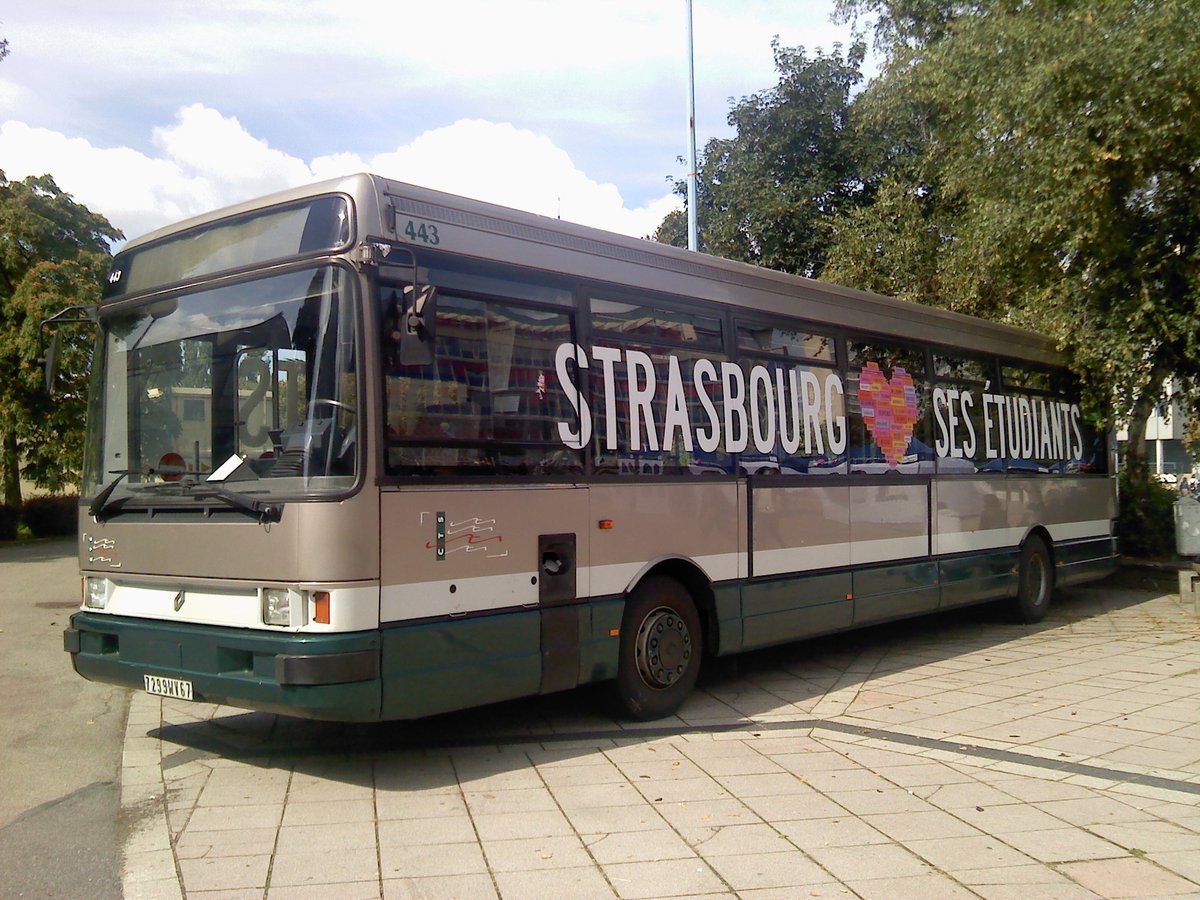
A colorful bus decorated for the university rentrée parked in front of the Faculty of Law in Strasbourg, celebrating the start of the academic year.
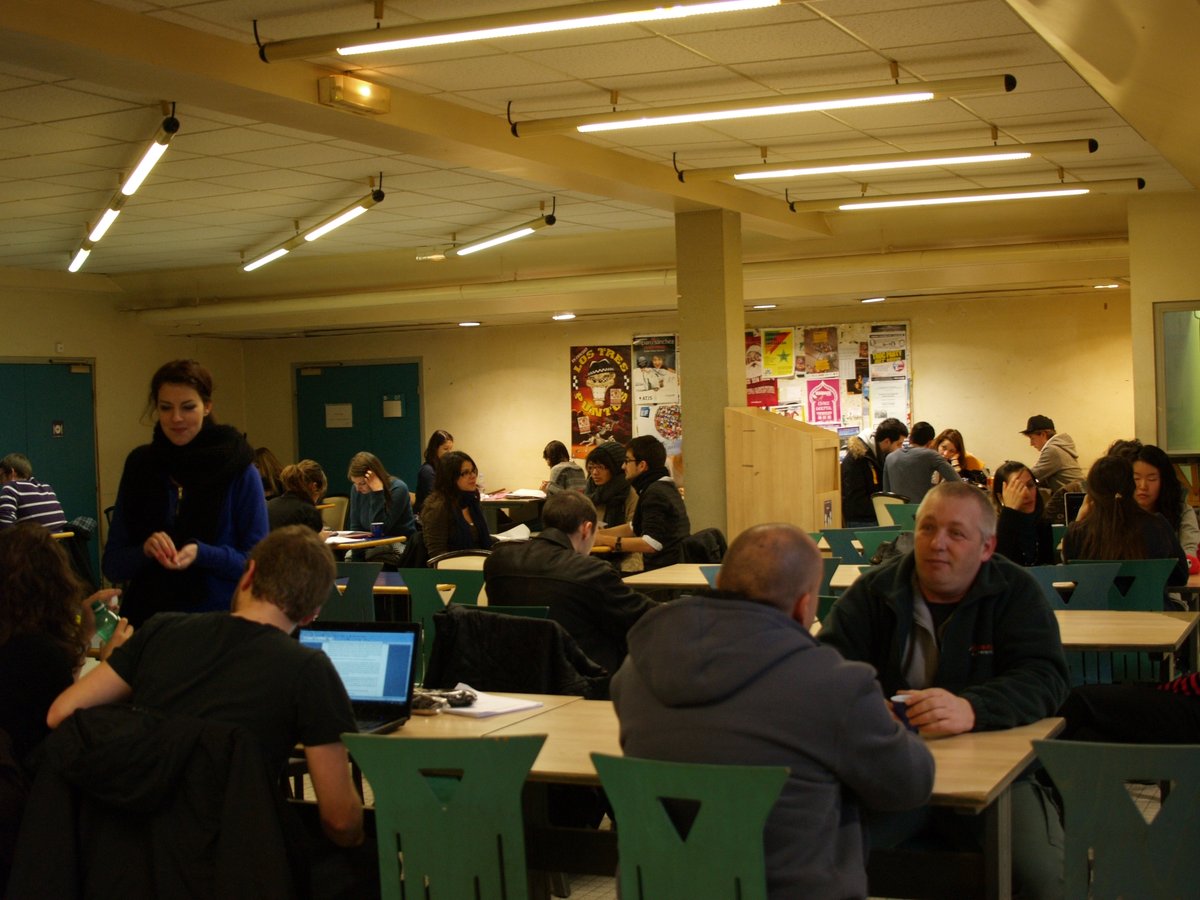
The cafeteria patio at the University of Strasbourg featuring outdoor seating area surrounded by greenery and natural light
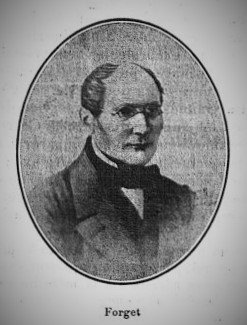
Black and white photograph of Charles Polydore Forget by Charles Winter, featured in Bulletin de la Société française d'histoire de la médecine, 1914, issue 13.
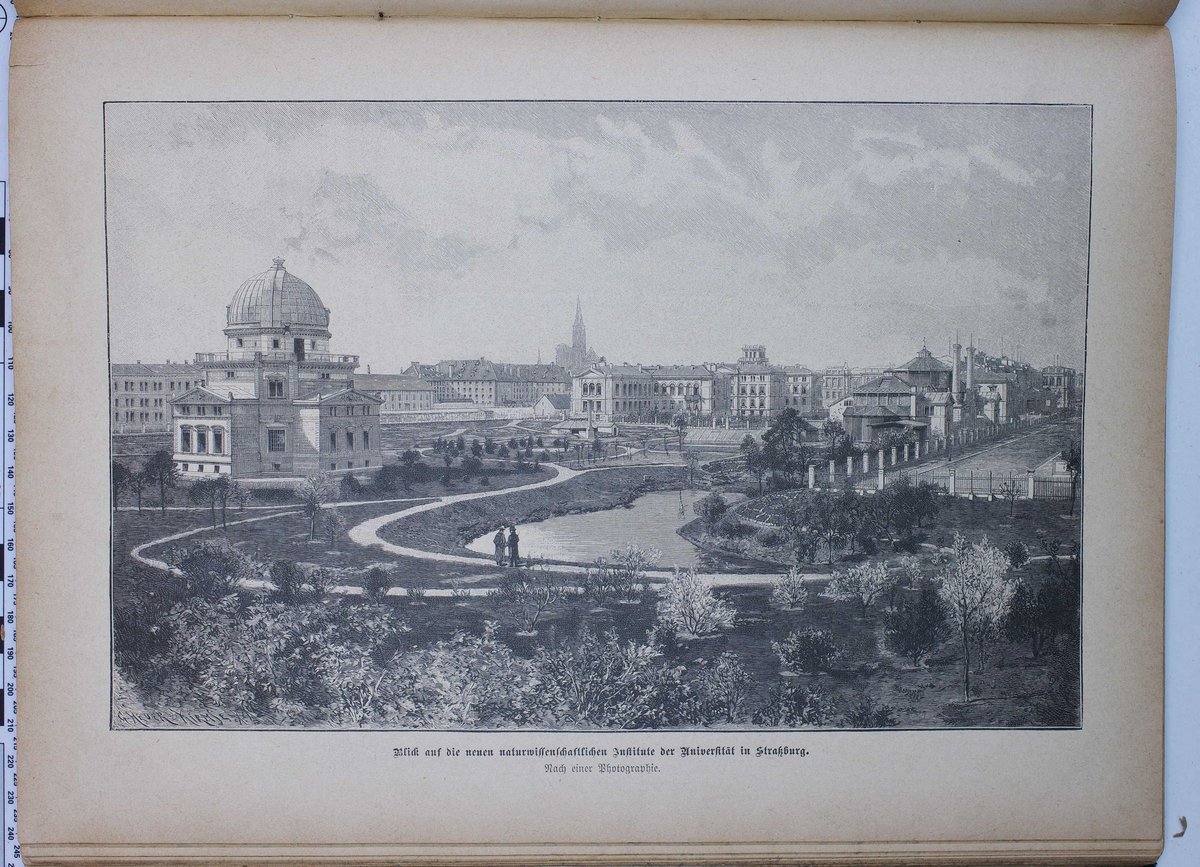
Detailed illustration from the 1884 edition of Die Gartenlaube magazine depicting a Victorian era family gathering around a table, showcasing period clothing and interior.
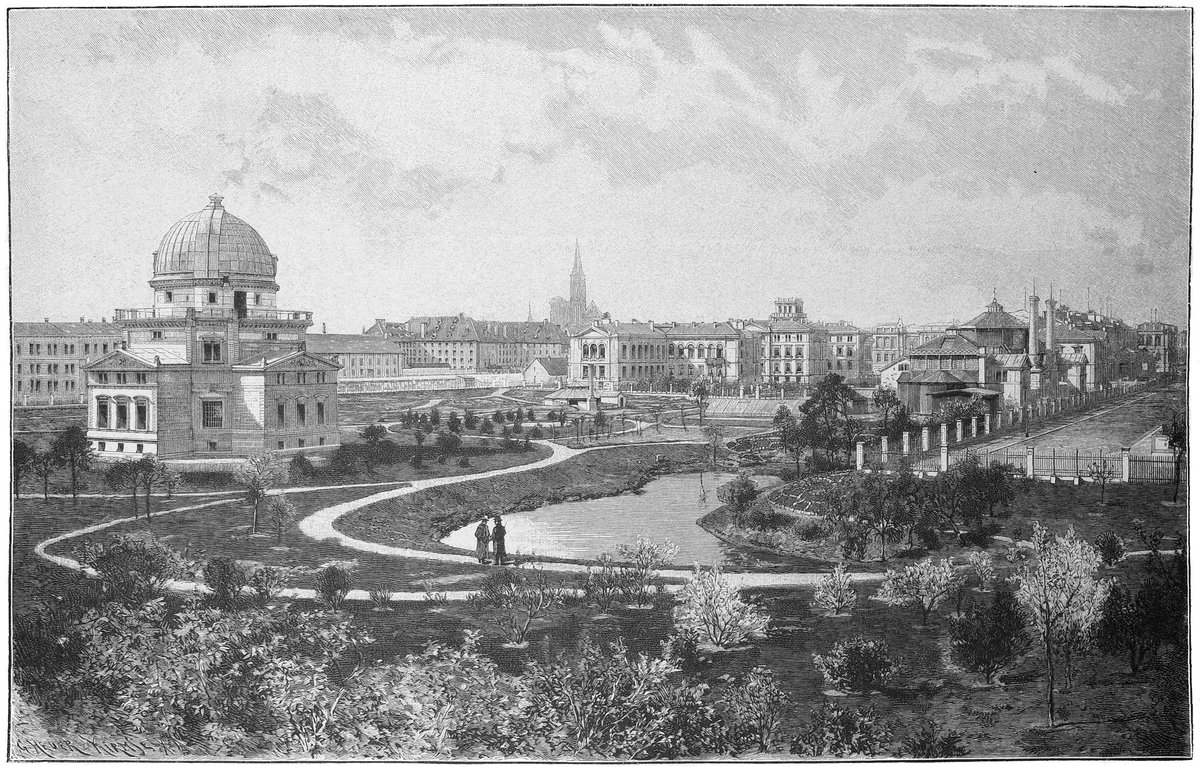
Historic photograph showing the new natural science institutes of the University of Strasbourg taken in 1884
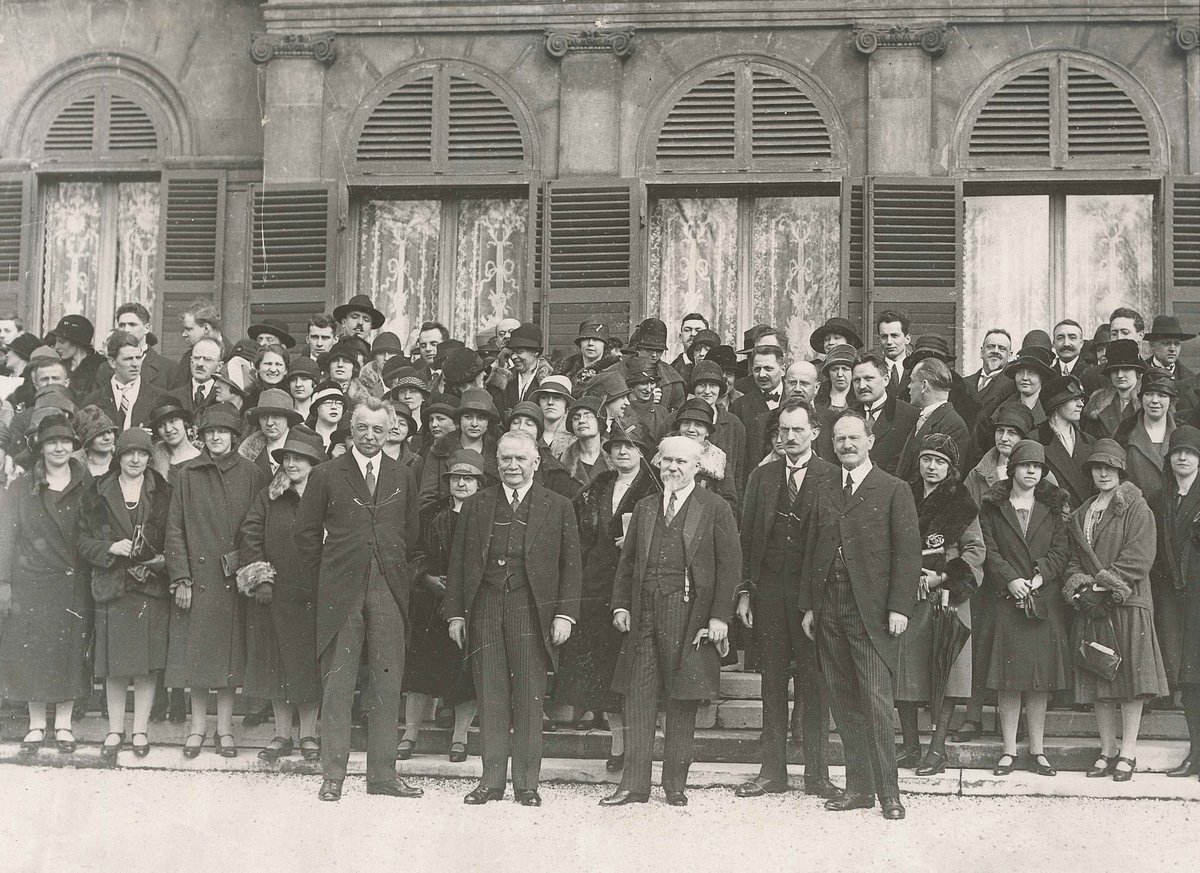
Historic photograph capturing an excursion of the Faculty of Protestant Theology members in Strasbourg, from the Médiathèque protestante de Strasbourg collection.
Early Foundations and Medieval Origins
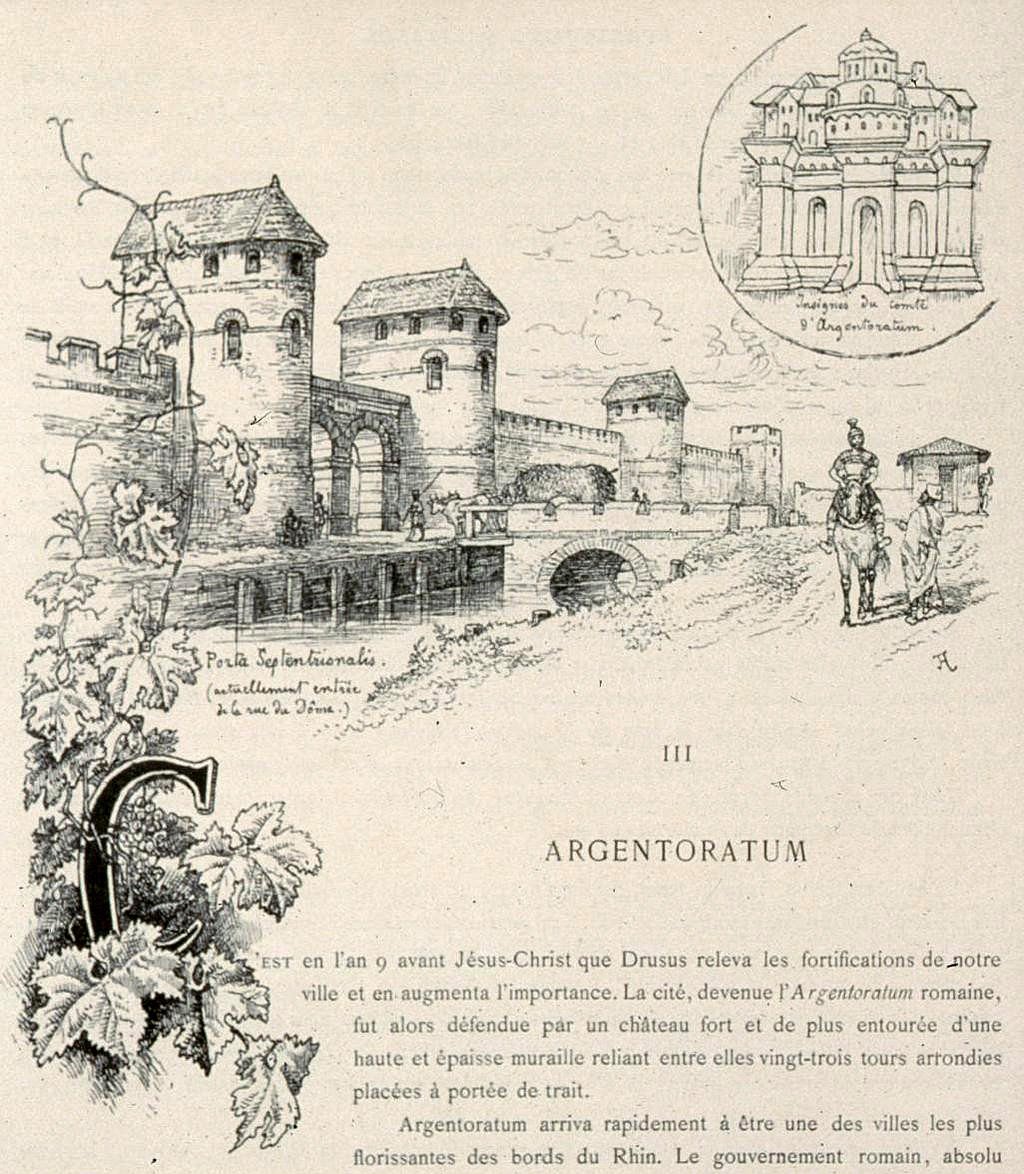
The University of Strasbourg began as a Protestant Gymnasium in 1538, reflecting Strasbourg’s position as a crossroads of Roman and Germanic influence. The city’s openness to new ideas during the Reformation fostered a culture of humanist scholarship. The institution was elevated to university status in 1621, marking the official birth of the Universitas Argentoratensis, with a strong Lutheran identity and a curriculum focused on theology, law, medicine, and the arts. The university quickly gained a reputation for academic rigor, attracting students from across Europe (History of Strasbourg - Wikipedia; French Moments - Strasbourg History).
Age of Enlightenment
In the 18th century, the university flourished as a cosmopolitan hub of learning. Its innovative teaching methods, especially in law and medicine, set it apart. The world’s first school for midwives was established here in 1728, and the university’s alumni included literary figures such as Johann Wolfgang von Goethe (French Moments - Strasbourg History). The institution’s influence extended across Europe, shaping intellectual discourse and scientific progress.
Revolutionary Upheaval and Napoleonic Reforms
The French Revolution disrupted university life, leading to closures and the loss of resources. However, under Napoleon’s reforms, the university reopened in 1808, aligning its curriculum with the French higher education system and revitalizing its academic foundations (History of Strasbourg - Wikipedia).
Franco-German Rivalry and the Imperial University
After the Franco-Prussian War of 1870–71, Strasbourg became part of the German Empire, and the university was reconstituted as the Kaiser-Wilhelms-Universität. This period saw significant expansion, including the construction of the grand Palais Universitaire and the development of research infrastructure. The university became a flagship institution of German scientific innovation (French Moments - Strasbourg History).
20th Century: War, Division, and Reunification
Following World War I, Strasbourg was returned to France and the university was reorganized accordingly. The interwar period was marked by scholarly innovation, including the founding of the Annales School of historiography. During World War II, the university community resisted Nazi occupation, temporarily relocating to Clermont-Ferrand. After the war, the university resumed its mission in Strasbourg, symbolizing Franco-German reconciliation (French Moments - Strasbourg and Europe).
Modern Era: Mergers and European Significance
In 1971, the university split into three separate entities, reflecting broader trends in French higher education. These institutions merged again in 2009, creating the current University of Strasbourg, which today enrolls over 50,000 students from 156 nationalities. The university is renowned for its research output, including 18 Nobel laureates, and its role as a major player in European academic networks (University of Strasbourg: Facts and Figures; Times Higher Education - University of Strasbourg).
Architectural and Cultural Heritage
The University of Strasbourg’s campus is situated in the UNESCO-listed Neustadt district, noted for its 19th-century German imperial architecture. The Palais Universitaire—a neo-Renaissance masterpiece constructed between 1879 and 1884—is the symbolic heart of the university. The campus boasts notable green spaces, including the Jardin Botanique de l’Université de Strasbourg, one of France’s oldest botanical gardens, founded in 1619 and home to over 6,000 species. The campus also includes the Bibliothèque Nationale et Universitaire (BNU), France’s second-largest library, and several specialized museums (University of Strasbourg: Heritage; UNESCO – Neustadt District).
Visiting the University: Hours, Tickets, and Tours
Visiting Hours
- Palais Universitaire: Generally open Monday–Friday, 8:00 AM–6:00 PM. Access may be restricted during holidays or special events.
- Jardin Botanique: Open daily from dawn to dusk, with seasonal variations.
- Libraries and Museums: Hours vary; check the official website or contact the welcome desk for details.
(University of Strasbourg Official Site)
Ticketing and Admission
- General Campus and Outdoor Areas: Free entry; no tickets required.
- Guided Tours or Special Exhibitions: Some may require advance booking or a nominal fee, especially during European Heritage Days or special events (University of Strasbourg Open Days).
- Museums: Entry may be free or require a small charge, depending on the exhibition.
Accessibility
The campus is largely accessible for visitors with reduced mobility. Most major buildings are equipped with ramps, elevators, and accessible restrooms. Visitors with special needs should contact visitor services in advance for tailored assistance (University of Strasbourg Accessibility).
Guided Tours and Events
- Guided Tours: Available by appointment and during special events, such as European Heritage Days in September. Tours highlight architectural, historical, and scientific features of the campus.
- Public Lectures and Cultural Activities: Regularly scheduled and often open to the public (Strasbourg Events Calendar).
Campus Highlights and Nearby Attractions
On Campus
- Palais Universitaire: Iconic façade, ceremonial halls, and a historic library reading room.
- Jardin Botanique: Free entry, peaceful walking paths, historic greenhouses.
- BNU Library: Architectural blend of old and new, open to the public.
- Musée Zoologique: Natural history collections; family-friendly exhibits.
- Maison Universitaire Internationale: Cultural events and support for international visitors.
Nearby Strasbourg Attractions
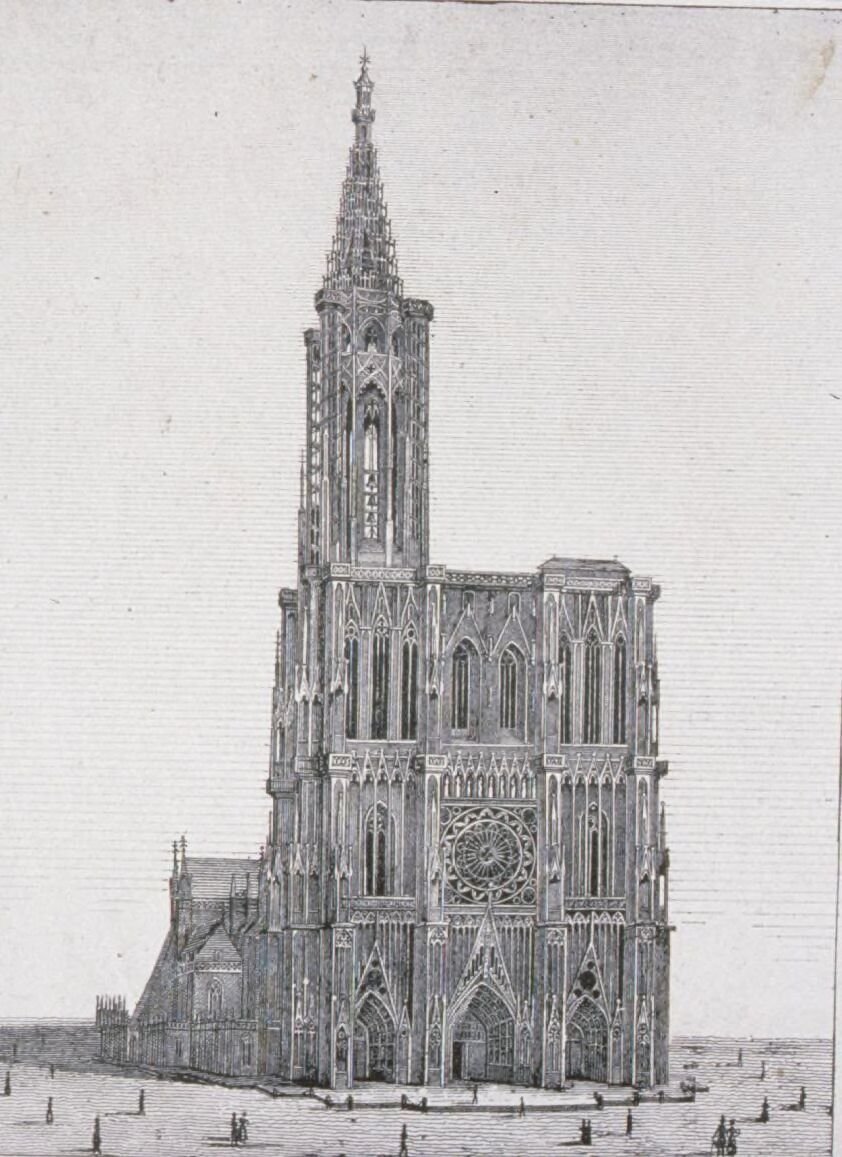
- Strasbourg Cathedral (Cathédrale Notre-Dame): Gothic masterpiece, a short walk from campus.
- La Petite France: Historic district with half-timbered houses and canals.
- Palais Rohan: 18th-century palace housing multiple museums.
- Parc de l’Orangerie: Expansive park ideal for relaxation or photography.
(Strasbourg Historical Sites; Visit Strasbourg)
Visitor Tips and FAQs
Practical Tips
- Getting There: The main campus is served by tram lines C, E, and F; a 15–20-minute walk from the city center.
- Cycling: Strasbourg is a cycling-friendly city with extensive bike paths.
- Facilities: Cafés, student restaurants, restrooms, and Wi-Fi (“Unistra-Visiteurs”) are available on campus.
- Language: French is predominant; English is widely spoken in international offices and among students.
- Security: The campus is safe, with posted emergency contacts and CCTV in main buildings.
FAQs
Q: What are the University of Strasbourg’s visiting hours?
A: Generally 8:00 AM–6:00 PM on weekdays for main buildings; the Botanical Garden is open daily from dawn to dusk.
Q: Is there an entrance fee?
A: Most outdoor areas are free. Some museums or guided tours may charge a small fee.
Q: Are guided tours available?
A: Yes, during certain events and by appointment.
Q: Is the campus accessible for people with disabilities?
A: Yes, most major buildings are accessible.
Q: What are the best nearby attractions?
A: Strasbourg Cathedral, La Petite France, Palais Rohan, and Parc de l’Orangerie.
Listen to the full story in the app
Your Personal Curator, in Your Pocket.
Audio guides for 1,100+ cities across 96 countries. History, stories, and local insight — offline ready.
Audiala App
Available on iOS & Android
Join 50k+ Curators
Sources
- verified
- verified
- verified
- verified
- verified
- verified
- verified
- verified
- verified
- verified
- verified
- verified
Last reviewed: