Introduction
The Stolpersteine project, initiated by German artist Gunter Demnig in the early 1990s, is the world’s largest decentralized memorial to victims of Nazi persecution. These small brass-plated cobblestones, installed in front of victims’ last freely chosen residences, are inscribed with names, birth years, and fates, transforming ordinary sidewalks into sites of remembrance. Since its expansion beyond Germany in 1997, the project has spread throughout Europe, including France. Strasbourg, with its complex WWII history and significant Jewish community, has become home to many Stolpersteine, inviting residents and visitors to engage directly with the stories of those persecuted during the Holocaust.
Among these is the Stolperstein dedicated to Marguerite Gunzburger. Located at 6 Rue du Faubourg-de-Pierre in Strasbourg, this memorial marks the last residence of a young Jewish woman deported and murdered during the Holocaust. Its installation resulted from extensive research and community collaboration, serving both as a personal remembrance and a catalyst for broader historical reflection.
This guide provides detailed information on the history, cultural significance, and practical aspects of visiting the Stolperstein for Marguerite Gunzburger in Strasbourg. Readers will find essential details about the Stolpersteine project, the context of Strasbourg’s installations, location and accessibility, visiting hours, nearby attractions, and recommended travel tips. Whether you are a history enthusiast, student, or traveler seeking meaningful cultural experiences, this article will help you appreciate this important site of memory within Strasbourg’s historic urban landscape (memoires-en-jeu.com, IamExpat Media, stolpersteine.eu).
Photo Gallery
Explore Stolperstein Dedicated to Marguerite Gunzburger in Pictures
Origins and Conceptual Foundations of the Stolpersteine Project
The Stolpersteine (“stumbling stones”) project was conceived by Gunter Demnig in the early 1990s to commemorate individuals persecuted, deported, or murdered by the Nazis. Each Stolperstein is a 10 x 10 cm concrete cube with a brass plate engraved with the victim’s name, year of birth, fate, and, if known, the date and place of death (migration-lab.net). Unlike monumental memorials, their decentralized, street-level placement brings remembrance into daily life, encouraging passersby to “stumble upon” history and reflect on individual stories behind the statistics (memoires-en-jeu.com).
Expansion Across Europe and France
The Stolpersteine project has grown to over 90,000 stones in more than 2,000 European cities and towns, including Germany, Austria, the Netherlands, Belgium, Italy, Hungary, Poland, Ukraine, and France (stolpersteine.eu). In France, the first Stolpersteine were installed in 2013, with the movement gaining momentum, particularly in Alsace, since 2016. Local associations and schools have been key to the project’s educational mission and expansion (memoires-en-jeu.com).
Stolpersteine in Strasbourg and Alsace
Strasbourg and the wider Alsace region hold special significance due to their WWII history. The first Alsatian Stolpersteine were installed in April and May 2019, following years of debate and negotiation with local authorities and Jewish organizations. The installations were accompanied by educational exhibitions, notably at the ORT School, and now number dozens across the city and region (memoires-en-jeu.com).
Memorial Philosophy and Artistic Approach
Stolpersteine are minimalist and intentionally placed at ground level to provoke reflection and empathy. The act of “stumbling” over a name in daily life personalizes remembrance and democratizes memory, bringing individual stories into the public sphere and prompting continuous engagement (Kaiser, 2018).
Visiting Stolpersteine in Strasbourg: Practical Information
Location and How to Find Stolpersteine
Stolpersteine are installed throughout Strasbourg and surrounding towns. The Stolperstein for Marguerite Gunzburger is at 6 Rue du Faubourg-de-Pierre, 67000 Strasbourg. Interactive maps and local heritage websites help visitors locate specific stones (stolpersteine.eu).
Visiting Hours and Accessibility
Stolpersteine are outdoors and accessible 24/7. There is no admission fee or ticket required. The memorials are generally wheelchair accessible as they are embedded in pedestrian pathways, but do take care on busy streets.
Guided Tours and Educational Visits
Guided tours focusing on Holocaust remembrance and Jewish heritage are available through local organizations and the Strasbourg tourist office. These tours often include visits to Stolpersteine, museums, and related sites.
Travel Tips
- Wear comfortable walking shoes, as many memorials are best reached on foot.
- Respect the solemnity of the site; consider pausing or cleaning the stone as an act of remembrance.
- Combine your visit with nearby historical sites for a richer understanding of Strasbourg’s past.
Community Engagement and Educational Initiatives
Local schools, particularly the ORT School, and community groups play a critical role in researching biographies, organizing installations, and developing educational materials. Digital resources, such as interactive maps and online databases, allow for deeper exploration of the stories behind each Stolperstein (stolpersteine.lautre.net).
Commemorative Practices and Ongoing Installations
Stolpersteine installations are often marked by community ceremonies, including readings, moments of silence, and flower-laying. Despite pandemic-related delays, installations continue throughout Strasbourg and neighboring communes.
The Stolperstein for Marguerite Gunzburger: Context and Significance
Historical Context
Marguerite Gunzburger was born in Strasbourg in 1917 and was part of the city’s Jewish community, which faced systematic persecution after the Nazi annexation of Alsace in 1940. She was arrested, deported via Drancy, and murdered in Auschwitz at age 26 (IamExpat Media). Her Stolperstein marks her last place of free residence, giving her story—and those of countless others—enduring presence in the city’s daily life.
Description
The Stolperstein for Marguerite Gunzburger is a 10x10 cm brass plaque set into the sidewalk. It reads, in French:
- “Ici habitait” (“Here lived”)
- Marguerite Gunzburger’s name
- Year of birth
- Date and place of deportation
- Fate (if known)
The unvarnished brass plaque is often cleaned by residents and visitors, especially around Holocaust Memorial Day (January 27), as a sign of respect.
Location and Accessibility
- Address: 6 Rue du Faubourg-de-Pierre, 67000 Strasbourg, France
- Nearby transit: Tram stop “Faubourg de Pierre” (lines C and F); public parking at “Parking République” and “Parking Halles P2 Sébastopol”
- Accessibility: The area is pedestrian-friendly and wheelchair accessible
Nearby Attractions and Planning Your Visit
While visiting the Stolperstein, consider exploring other historical sites in Strasbourg:
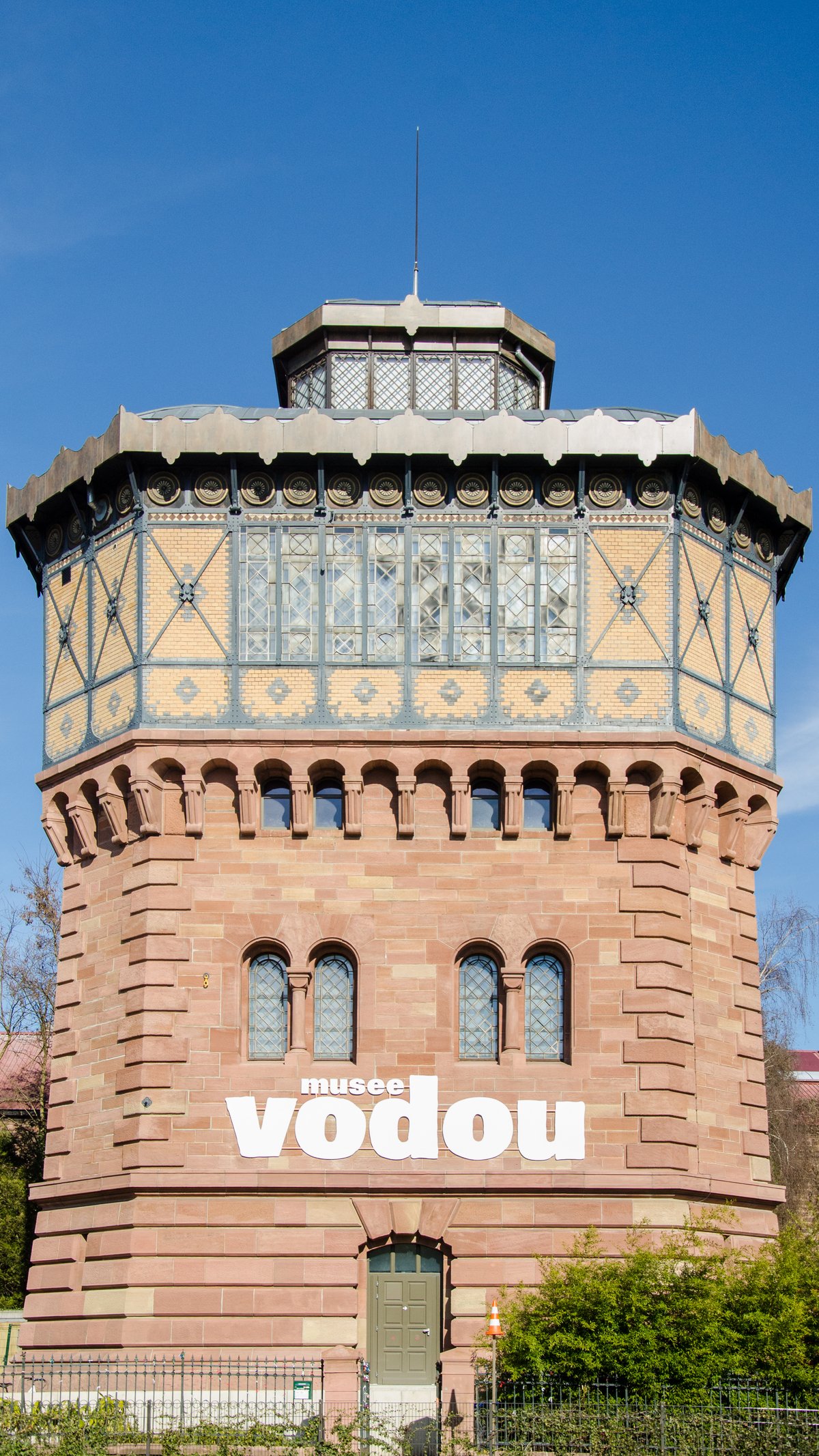
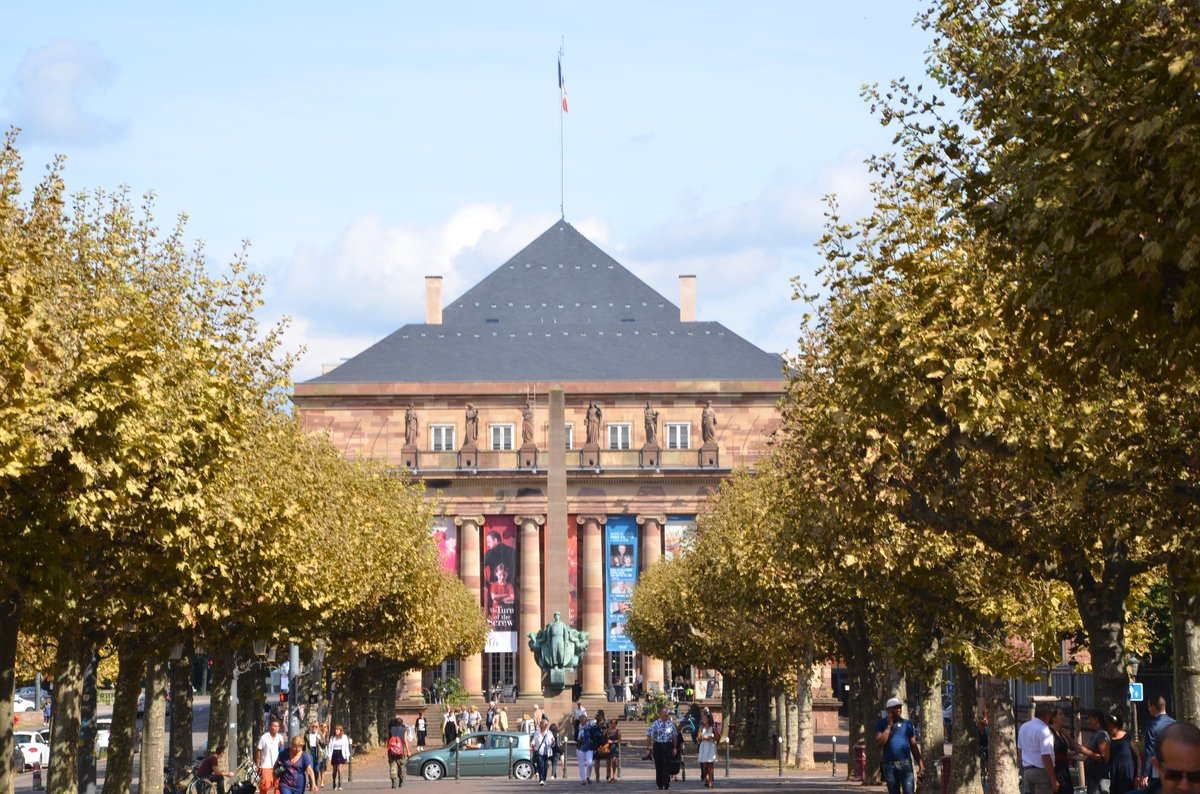
- Place de la République and the Strasbourg National Theatre
- Alsace Museum and La Petite France historic district
- Strasbourg Cathedral and Maison Kammerzell
- Memorial to the Victims of the Deportation
These sites are within walking distance, making it easy to combine your visit for a broader understanding of the city’s history.
Frequently Asked Questions (FAQ)
Q: Where can I find the Stolperstein for Marguerite Gunzburger?
A: 6 Rue du Faubourg-de-Pierre, 67000 Strasbourg, France.
Q: Do I need tickets to visit?
A: No, Stolpersteine are public memorials accessible free of charge at any time.
Q: Are Stolpersteine wheelchair accessible?
A: Yes, they are generally embedded in pedestrian pathways and accessible.
Q: Are guided tours available?
A: Yes, guided tours focusing on Strasbourg’s Jewish history and Holocaust remembrance are offered by local organizations.
Q: Can I participate in commemorative activities?
A: Yes, local groups often organize cleaning events and remembrance ceremonies, especially around Holocaust Memorial Day.
Summary and Final Tips
Visiting the Stolperstein dedicated to Marguerite Gunzburger offers a profound connection to Strasbourg’s layered history and the personal narratives behind the Holocaust. The project’s philosophy—decentralizing remembrance and embedding it in daily life—encourages ongoing reflection and empathy. The stone at 6 Rue du Faubourg-de-Pierre honors Marguerite’s life and fate while inviting each visitor to remember and uphold the memory of countless others.
The site is accessible at any time, free of charge, and situated within easy reach of Strasbourg’s historic center and other landmarks. Enhance your visit by exploring additional historical sites, joining a guided tour, or using digital tools like interactive maps and the Audiala app for audio guides.
By visiting, reflecting, and sharing these stories, you help ensure that the victims of Nazi persecution are never forgotten. For more information, consult official Stolpersteine websites and Strasbourg’s tourism platforms for updates on tours, events, and new installations (memoires-en-jeu.com, stolpersteine.eu, IamExpat Media).
Listen to the full story in the app
Your Personal Curator, in Your Pocket.
Audio guides for 1,100+ cities across 96 countries. History, stories, and local insight — offline ready.
Audiala App
Available on iOS & Android
Join 50k+ Curators
Sources
- verified
- verified
- verified
Last reviewed: