Introduction
Saint Thomas Church (Église Saint-Thomas) is a cornerstone of Strasbourg’s religious, architectural, and cultural landscape. Located in the historic city center, this Lutheran church traces its origins to the 6th century and stands as a remarkable example of Alsatian Gothic architecture. With its rare five-naved hall church design, celebrated Silbermann organ, and a rich heritage as a focal point of the Protestant Reformation, Saint Thomas Church offers visitors an immersive journey through centuries of history, art, and music (Visit Strasbourg). This guide provides comprehensive information on visiting hours, tickets, accessibility, guided tours, and the church’s historical significance, ensuring you make the most of your visit.
Saint Thomas Church’s roots reach back to the early 6th century, when a modest church dedicated to Saint Thomas the Apostle was first erected on the site. After destruction by fire in the 10th century, it was rebuilt, with the current structure’s foundations laid in 1196. The church evolved over several centuries, transitioning from Romanesque to Gothic styles; the choir was completed in the 14th century, and the nave and transept in the 15th century, resulting in a unique architectural blend (Wikipedia). This layered construction history is reflected in the church’s solid, fortress-like exterior and soaring, unified interior spaces.
As Strasbourg embraced the Protestant Reformation in 1524, Saint Thomas Church became the principal Lutheran church in the city, symbolizing the shifting religious landscape of early modern Europe (TravelSetu). It has since remained a center of Lutheran worship and theological thought.
Photo Gallery
Explore Saint Thomas Church, Strasbourg in Pictures
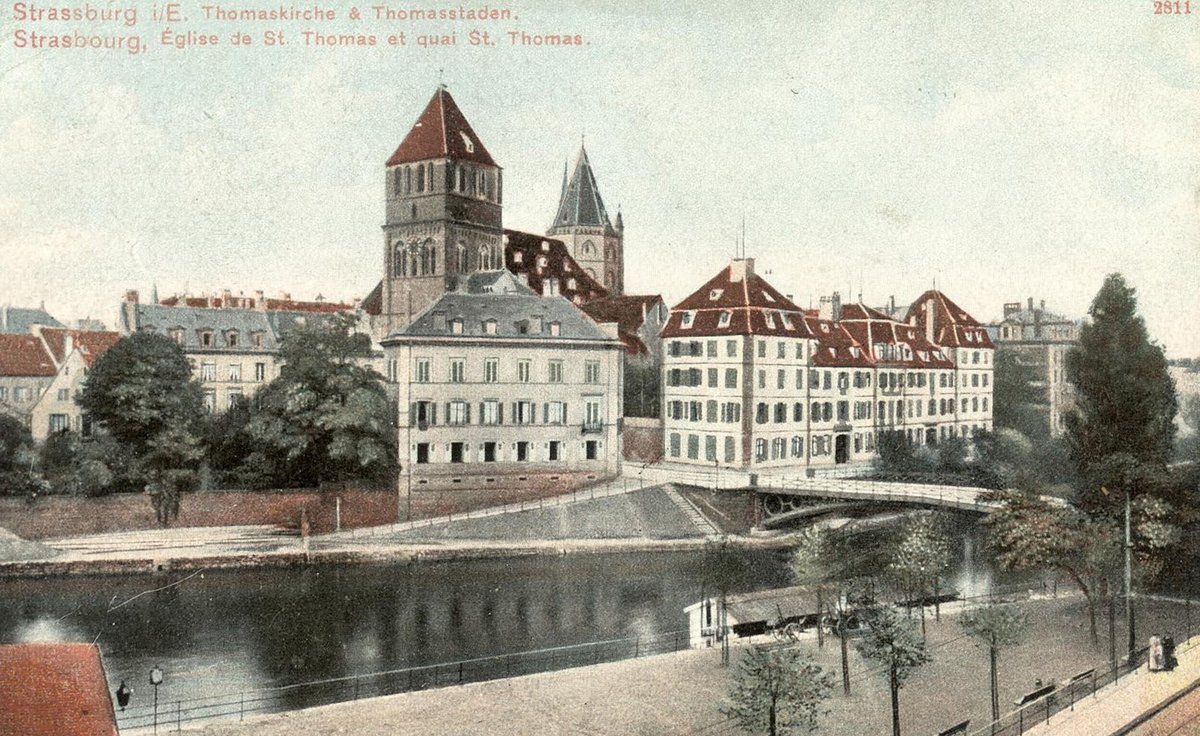
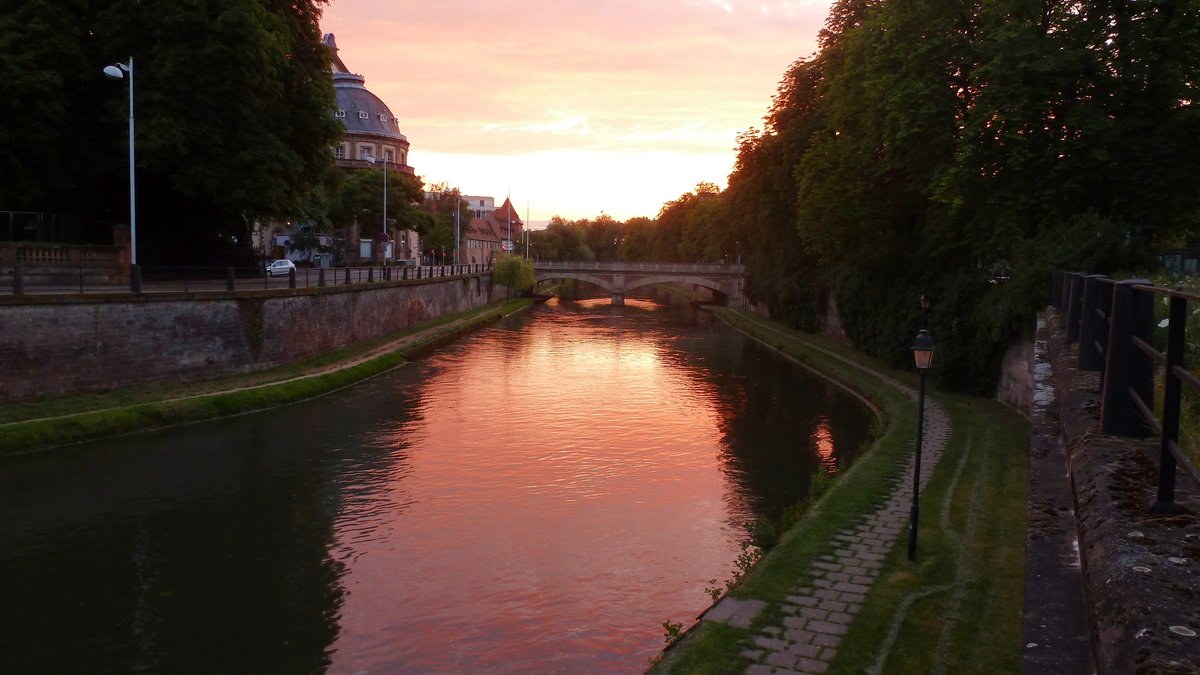
Postcard image depicting the Thomaskirche church and the Quai Saint-Thomas in Strasbourg, showcasing historical architecture and scenic riverfront
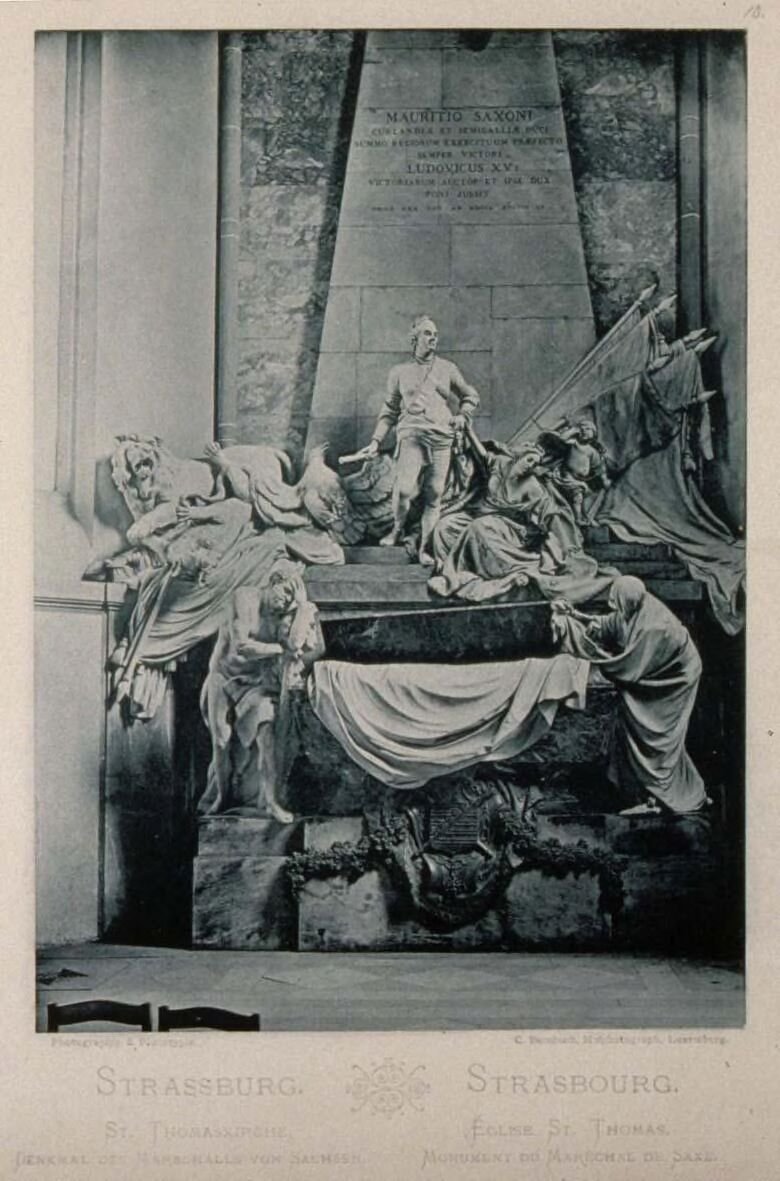
Interior of Saint Thomas Church in Strasbourg showcasing the detailed monument dedicated to Marshal de Saxe, documented in French and German by Heinrich W.
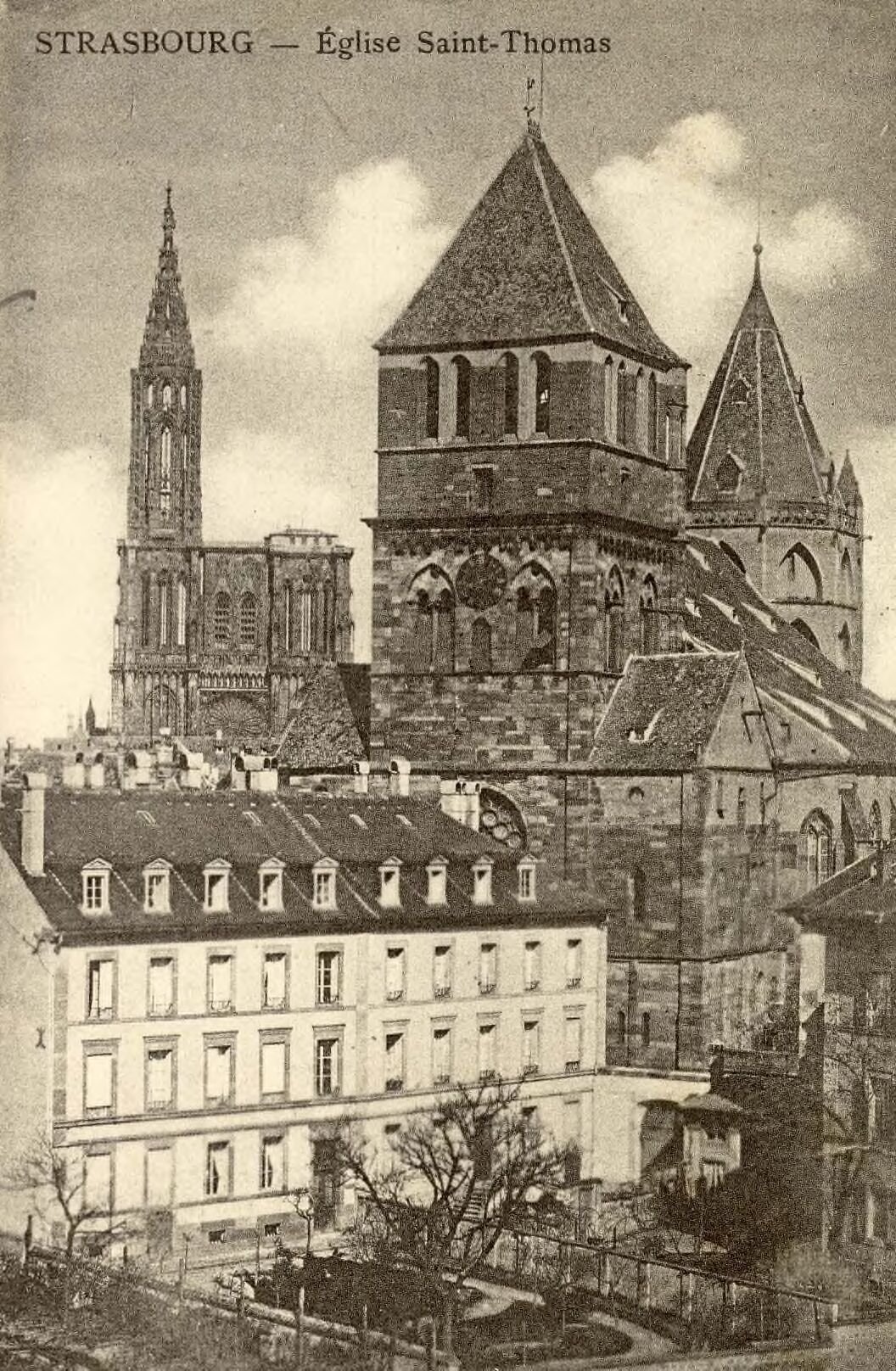
Vintage postcard image of Saint-Thomas Church located in Strasbourg, Bas-Rhin, France. The image showcases historic architecture typical of the region.
Architectural and Artistic Heritage
Exterior and Hall Church Structure
The church’s imposing exterior, constructed from pink Vosges sandstone, sets it apart with a warm hue and robust silhouette. Its five-naved hall church (Hallenkirche) design is unique in Alsace, with all naves of equal height, creating an open and unified interior space measuring approximately 65 meters in length, 30 meters in width, and up to 22 meters in height, rising to 30 meters beneath the cupola (France Voyage). This design, influenced by Germanic traditions, supports Protestant liturgy by maximizing visibility and acoustics (Wikipedia).
Interior Features and Artistic Treasures
Inside, the church boasts:
- The Baroque Mausoleum of Marshal Maurice de Saxe: A dramatic 18th-century funerary monument by Jean-Baptiste Pigalle, celebrating the marshal’s military achievements (Visit Strasbourg).
- The Sarcophagus of Bishop Adelochus: A richly carved Romanesque tomb dating to around 1130, commemorating a key figure in the church’s early development (France Voyage).
- Stained Glass Windows: Medieval and modern stained glass, including a rose window, depicting biblical scenes and saints.
- Organs: The renowned Silbermann organ (1741), played by Mozart in 1778, and a Neo-Baroque organ by Fritz Haerpfer and Albert Schweitzer (France Adventurer).
- Other Monuments: Includes memorials such as the Renaissance tombstone of Nikolaus Roeder von Tiersberg and works by Landolin Ohmacht.
The church also once housed a series of 15th-century Passion paintings, now preserved in Karlsruhe (Wikipedia).
Religious Role and Community Significance
Saint Thomas Church is not only an architectural marvel but also a living center of faith, music, and community engagement. It played a central role in the Protestant Reformation and continues to host Lutheran services in both French and German, reflecting Strasbourg’s bilingual and multicultural heritage (Strassburg.eu). The church has also served as a bridge between different faith communities and is a venue for concerts, cultural events, and guided tours, welcoming visitors of all backgrounds.
Notable burials include reformer Martin Bucer, Marshal Maurice de Saxe, and patrician Nikolaus Roder von Tiersberg, making the church a pilgrimage site for those interested in Protestant history and European religious heritage (Strassburg.eu).
Visiting Hours, Tickets, and Tours
Visiting Hours:
- Monday to Saturday: 10:00 AM – 6:00 PM
- Sunday: 1:30 PM – 6:00 PM
- Closed to tourists during Sunday morning services and certain special events.
Hours may vary during holidays and special services; always check the official website for up-to-date information.
Admission:
- Entry is free for all visitors; donations are appreciated to support maintenance and community programs.
- Special concerts and exhibitions may require tickets (see the agenda).
Guided Tours:
- Available in French and German (occasionally in English) by prior arrangement or at set times during the peak season.
- Tours offer access to areas like the choir and mausoleum, with expert commentary on the church’s art and history.
Accessibility and Amenities
- Wheelchair Access: The main entrance and most interior spaces are accessible. Some galleries are not accessible due to the historic structure (Accessibility details).
- Facilities: Benches and pews are available; no on-site restrooms or gift shop, but public facilities and tourist shops are nearby.
- Information: Printed guides and multilingual panels are available; downloadable materials can be found on the church’s website.
Events, Services, and Concerts
- Services: Main Lutheran service every Sunday at 10:30 AM; services alternate between French and German.
- Concerts: The church frequently hosts concerts featuring the Silbermann organ and choral works, especially during the “Fête de la Musique” and other music festivals.
- Special Events: Includes art exhibitions, lectures, and community gatherings. Check the events page for current listings.
Visitor Etiquette and Photography
- Dress modestly (shoulders and knees covered).
- Maintain silence and respect, especially during services.
- Personal photography is allowed without flash; professional or commercial filming requires advance permission.
- Refrain from photographing during religious ceremonies and concerts unless permitted.
Nearby Attractions and Practical Tips
- Location: 11 Rue Martin Luther, 67000 Strasbourg, close to Strasbourg Cathedral, Petite France, and the Strasbourg Museum of Modern and Contemporary Art.
- Transport: Accessible by tram (Langstross/Grand’Rue, Porte de l’Hôpital) and public parking nearby (limited during weekends/holidays).
- Combine Visits: Explore other historic churches and museums in Strasbourg’s old town.
- Language: Most signage in French and German; some English available.
- Weather: The church is a cool retreat in summer and offers shelter in winter—dress accordingly.
Frequently Asked Questions (FAQ)
Q: What are Saint Thomas Church’s visiting hours?
A: Monday to Saturday 10:00 AM–6:00 PM, Sunday 1:30 PM–6:00 PM. Hours may change during special events (official site).
Q: Is there an admission fee?
A: No, entry is free; donations are welcome.
Q: Are guided tours available?
A: Yes, by prior arrangement and during peak seasons, mainly in French and German.
Q: Is the church accessible to wheelchair users?
A: Yes, the main areas are accessible; some upper galleries are not.
Q: Can I take photos inside?
A: Yes, for personal use (no flash), but not during services or concerts.
Q: What nearby attractions can I visit?
A: Strasbourg Cathedral, Petite France, and the Alsatian Museum are all within walking distance.
Contact Information
- Address: Église Saint-Thomas, 11 Rue Martin Luther, 67000 Strasbourg, France
- Parish Office: +33 (0)3 88 32 14 46 (Mon–Fri: 9:00 AM–12:00 PM; Wed: 10:00 AM–12:00 PM)
- Official Website: www.saint-thomas-strasbourg.fr
- Tourist Office: 17 Place de la Cathédrale, 67082 Strasbourg CEDEX, Tel: +33 3 88 52 28 28 (Tourist Office)
Listen to the full story in the app
Your Personal Curator, in Your Pocket.
Audio guides for 1,100+ cities across 96 countries. History, stories, and local insight — offline ready.
Audiala App
Available on iOS & Android
Join 50k+ Curators
Sources
- verified
- verified
- verified
- verified
- verified
- verified
Last reviewed: