Introduction
Saint Stephen’s Church (Église Saint-Étienne) in Strasbourg is a remarkable testament to over 1,500 years of Christian heritage and architectural evolution. As one of the oldest churches in the Alsace region, it provides visitors with a profound journey through late antiquity, the Middle Ages, and into modern times. This guide offers detailed information on the church’s history, architectural highlights, visiting hours, ticketing, accessibility, and practical travel tips, ensuring a rewarding experience for every visitor (History of Strasbourg).
Photo Gallery
Explore Saint Stephen’S Church, Strasbourg in Pictures

Detailed drawing of the Ancienne Eglise Saint-Etienne de Strasbourg by Silbermann, from Bibliothèque nationale et universitaire de Strasbourg collection.

Historical image showing the eastern parts of the ancient Saint Stephen's Church in Strasbourg from 1876, archived at the Bibliothèque nationale et universitaire de Strasbourg.

Historical view of the Old Saint Stephen Church in Strasbourg from the year 1860, archived at the National and University Library of Strasbourg.

Historic photograph of the east side of Saint Stephen Church in Strasbourg, constructed around 1200, captured by Jules Manias in 1906.

Lithograph by Sandmann depicting a historic view of Strasbourg in Alsace, featuring the Saint-Etienne Church and the Faux-Remparts in the Bas-Rhin region.

Watercolor painting of the Saint-Etienne Church in Strasbourg, Bas-Rhin, Alsace, dated to the 17th century by Arhardt, showcasing a historic view of the area.

A vibrant polychrome stained glass window at Lycée International des Pontonniers, designed to perfectly frame and highlight an attractive outdoor location, enhancing the visual illusion and artistic impact.

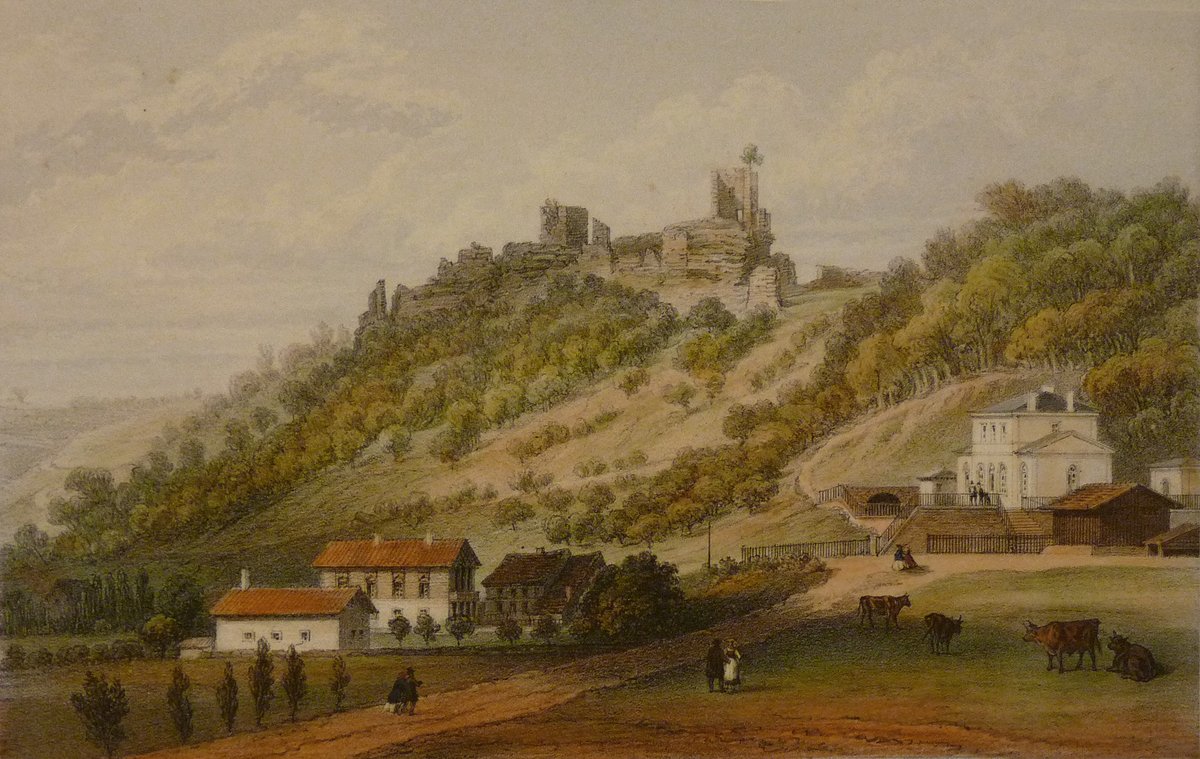
Detailed historical engraving by William Woolnoth depicting the suburbs of Strasbourg with intricate architectural and landscape elements.
Historical Origins and Evolution
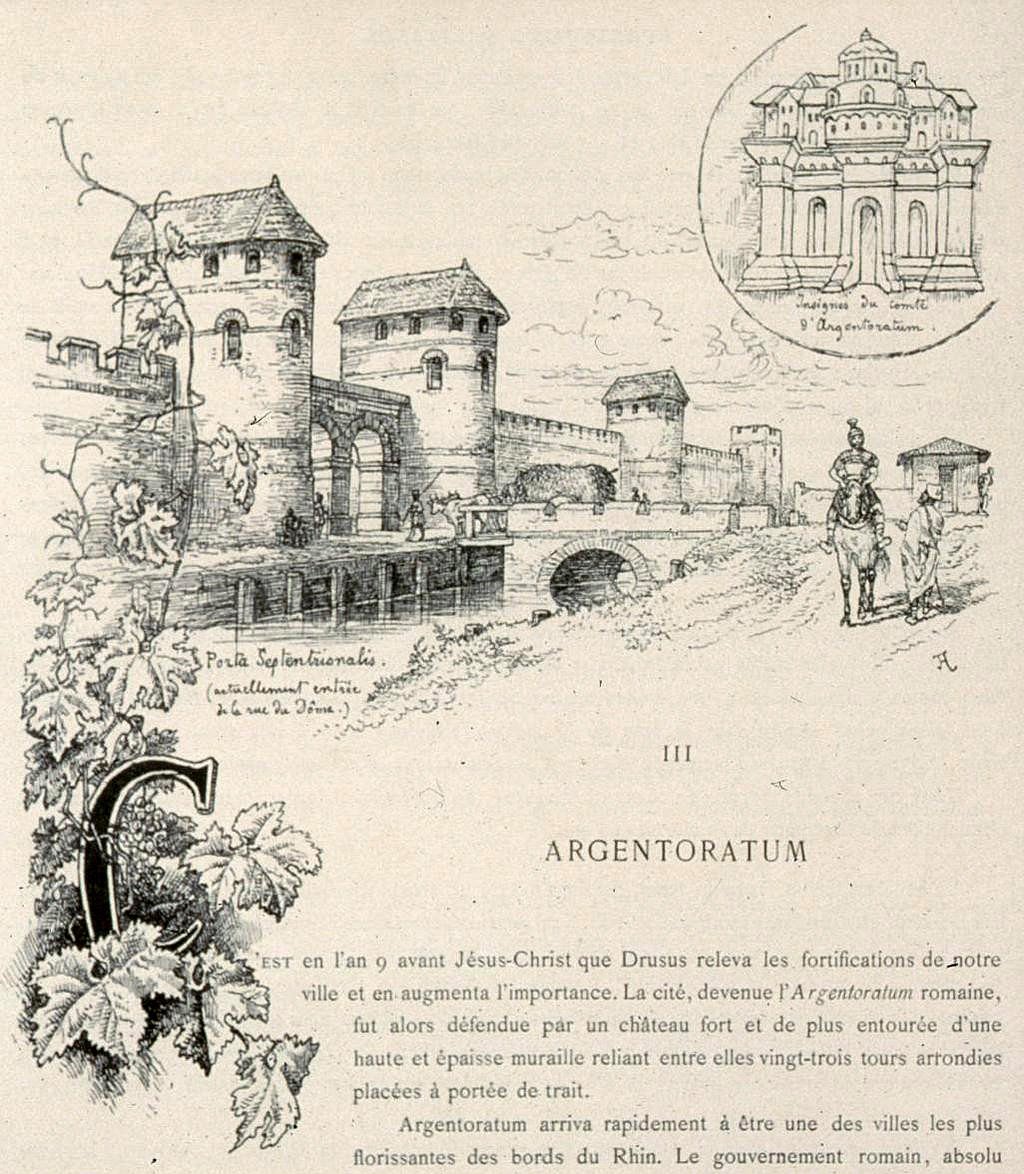
Saint Stephen’s Church is widely regarded as the oldest Christian place of worship in Strasbourg. Archaeological excavations have uncovered an apse dating back to the late 4th or early 5th century, confirming its origins in the late Roman Empire (History of Strasbourg). Established in the heart of Argentoratum—the Roman precursor to Strasbourg—the church was integral to the spread of Christianity in Alsace and the establishment of the Bishopric of Strasbourg.
Throughout the centuries, Saint Stephen’s underwent multiple reconstructions and expansions. During the Carolingian period, it was rebuilt to accommodate a growing congregation, followed by significant Romanesque and Gothic transformations throughout the High Middle Ages. Surviving wars, religious upheavals, and revolutions, the church’s layered architecture tells the story of Strasbourg’s religious and political shifts (Visit Strasbourg Religious Heritage PDF).
Architectural Highlights
Saint Stephen’s Church is an architectural palimpsest, reflecting the evolution of European ecclesiastical design:
- Romanesque Foundations: The crypt and some lower walls retain original Romanesque masonry, characterized by robust columns and rounded arches.
- Gothic Enhancements: Later expansions in the 13th and 14th centuries introduced pointed arches, ribbed vaults, and larger stained-glass windows in the nave and choir.
- Unique Features: The church boasts a rare triple-apse transept and exposed medieval timber structures in the nave, revealed during modern restorations.
- Artistic Treasures: Inside, visitors can admire medieval frescoes, centuries-old stained glass, and a collection of religious artworks and liturgical objects.
The restoration and preservation of these elements have allowed the church to retain its historical character while remaining accessible to modern visitors (Visit Strasbourg).
Religious and Cultural Significance
Dedicated to Saint Stephen, the first Christian martyr, the church has been a beacon of faith for generations. It played a pivotal role during the establishment of the Catholic Diocese of Strasbourg and has continuously served as a center for worship, education, and charity. During the Reformation, while many Strasbourg churches became Protestant, Saint Stephen’s retained its Catholic identity, underscoring its significance as a bastion of Catholic tradition (Visit Strasbourg Religious Heritage PDF).
The church is especially prominent during the celebration of Saint Stephen’s Day (December 26), a public holiday unique to Alsace and Moselle, marked by special services and vibrant community gatherings (Enjoy Strasbourg).
Notable Historical Events
- Reformation and Religious Change: In the 16th century, Strasbourg became a Protestant stronghold, yet Saint Stephen’s remained Catholic, reflecting the city’s religious diversity and tensions (History of Strasbourg).
- French Revolution: The church, like many religious institutions, faced secularization and interruptions to worship, but survived intact.
- Archaeological Discoveries: Excavations in the mid-20th century unearthed the ancient Romanesque crypt and Merovingian apse, further cementing the church’s status as a key site for understanding early Christianity in Alsace.
Visiting Information
Visiting Hours
Saint Stephen’s Church is generally open to visitors daily from 9:00 AM to 6:00 PM. However, as it also functions as the chapel for the Catholic ‘Saint-Étienne’ college, public access may be restricted during school hours, with expanded access during special events such as European Heritage Days (mid-September). Always check with the Strasbourg Tourism Office or the church’s own notices for up-to-date schedules.
Entry and Ticketing
- Entry: Free of charge. Donations are welcomed and support ongoing preservation.
- Tickets: Not required for general visits. Special events, concerts, or guided tours may require advance booking or tickets.
Accessibility
- Mobility: The main church is accessible to wheelchair users, with ramps at principal entrances. Some older areas, such as the crypt, may have limited access due to their historical structure.
- Assistance: Visitors with specific accessibility needs are encouraged to contact the church or tourism office in advance for tailored assistance (Visit Strasbourg).
Guided Tours and Special Events
- Guided Tours: Available through the Strasbourg tourism office and during special occasions. Tours cover the church’s history, architecture, and recent archaeological discoveries.
- Concerts and Cultural Events: The church hosts concerts, especially organ recitals, and participates in citywide events like European Heritage Days and the Strasbourg Christmas festivities.
Photography Tips
- Interior Photography: Permitted, though flash should be avoided. Be respectful during services and religious ceremonies.
- Best Times: Early morning or late afternoon for optimal lighting and a peaceful atmosphere.
Nearby Attractions and Amenities
Saint Stephen’s Church is centrally located on Strasbourg’s UNESCO-listed Grande Île, within walking distance of major attractions:
- Strasbourg Cathedral (Cathédrale Notre-Dame)
- Musée de l’Œuvre Notre-Dame
- Petite France historic district
Public transport (tram and bus lines), ample bike paths, and nearby dining options make it easy to incorporate a visit to Saint Stephen’s into your Strasbourg itinerary (Faraway Worlds).
Frequently Asked Questions (FAQ)
Q: What are the typical visiting hours?
A: Usually 9:00 AM to 6:00 PM daily, but check ahead for variations during holidays and school events.
Q: Is there an entrance fee?
A: No, entry is free. Donations are appreciated.
Q: Is the church accessible for wheelchair users?
A: The main church is accessible, but some historic areas, such as the crypt, may be more challenging.
Q: Are guided tours available?
A: Yes, especially during special events and through local tourism providers.
Q: Can I attend concerts or special events?
A: Yes, concerts and cultural events are held periodically. Check local listings or the tourism office.
Q: Can I take photographs inside?
A: Yes, but please do so respectfully, especially during services.
Summary and Recommendations
Saint Stephen’s Church Strasbourg is an essential destination for those seeking to explore the city’s deep religious roots, architectural splendor, and vibrant community life. Its Romanesque crypt, Gothic nave, and rare triple-apse transept reflect the layers of Strasbourg’s history, while ongoing religious and cultural events bring this heritage to life.
- Best Times to Visit: During European Heritage Days, Christmas season, or Saint Stephen’s Day (December 26) for unique experiences.
- Combine with Other Sites: Its location makes it perfect to include in a walking or cycling tour of central Strasbourg.
- Respectful Behavior: As an active place of worship, modest dress and quiet reflection are appreciated.
- Practical Tips: Use public transport or bicycles for easy access; check the weather and event schedules in advance.
For the latest information on visiting hours, guided tours, and events, consult the Strasbourg Tourism Office and related resources.
Listen to the full story in the app
Your Personal Curator, in Your Pocket.
Audio guides for 1,100+ cities across 96 countries. History, stories, and local insight — offline ready.
Audiala App
Available on iOS & Android
Join 50k+ Curators
Sources
- verified
- verified
- verified
- verified
- verified
- verified
- verified
Last reviewed: