Introduction: The Rhine Bridge’s History and Cultural Importance
Spanning the historic Rhine River, the bridges of Strasbourg form a vital link between France and Germany, embodying centuries of European history—from Roman military outposts and medieval trade to postwar reconciliation and unity. Today, the Rhine Bridge is not a single structure but a network of crossings—including the Pont de l’Europe, Passerelle des Deux Rives, and tram and rail bridges—that physically and symbolically connect Strasbourg with its German neighbor Kehl. These bridges are essential for daily commuting, cycling, and walking, while also serving as lasting emblems of peace and cross-border cooperation (French Moments; strasbourg.eu; Postcards and Places; Strasbourg Deux Rives).
Open year-round and free to access, the bridges offer visitors panoramic views, compelling architecture, and a glimpse into the vibrant cultural life of Strasbourg and the surrounding Jardin des Deux Rives park (visit.strasbourg.eu; Kehl City). This detailed guide covers everything you need to know for a memorable visit, from history and significance to travel tips, nearby attractions, and FAQs.
Photo Gallery
Explore Rhine Bridge in Pictures

Opening ceremony of Strasbourg tramway Line D international extension from Strasbourg, France to Kehl, Germany featuring tram number 2009 on the Rhine Bridge at Kehl, passing near a TGV train and river ship Schwelgern on the Rhine.

Scenic view of the Rhine River captured in July 2007 showing the natural landscape between Strasbourg, France and Kehl, Germany with green vegetation and calm waters under a clear summer sky.

Scenic view of the Rhine River captured in July 2007, showing the natural landscape and waterway between Strasbourg, France and Kehl, Germany under a clear sky.

Scenic view of the tramway bridge and railway bridge seen from the Europa bridge in Strasbourg, Bas-Rhin, France, showcasing transportation infrastructure.

View of the three bridges in Strasbourg, Bas-Rhin, France taken from the Passerelle des Deux-Rives. The image shows the railway bridge, tramway bridge, and road bridge (Europa bridge) from farthest to nearest.

Historical stereocard image showing the ponton bridge at Kehl during summer 1859 with the partially constructed pre-rolled railway bridge above. Part of the Bords du Rhin series by Henri-Charles Plaut.
1. Roman and Medieval Origins
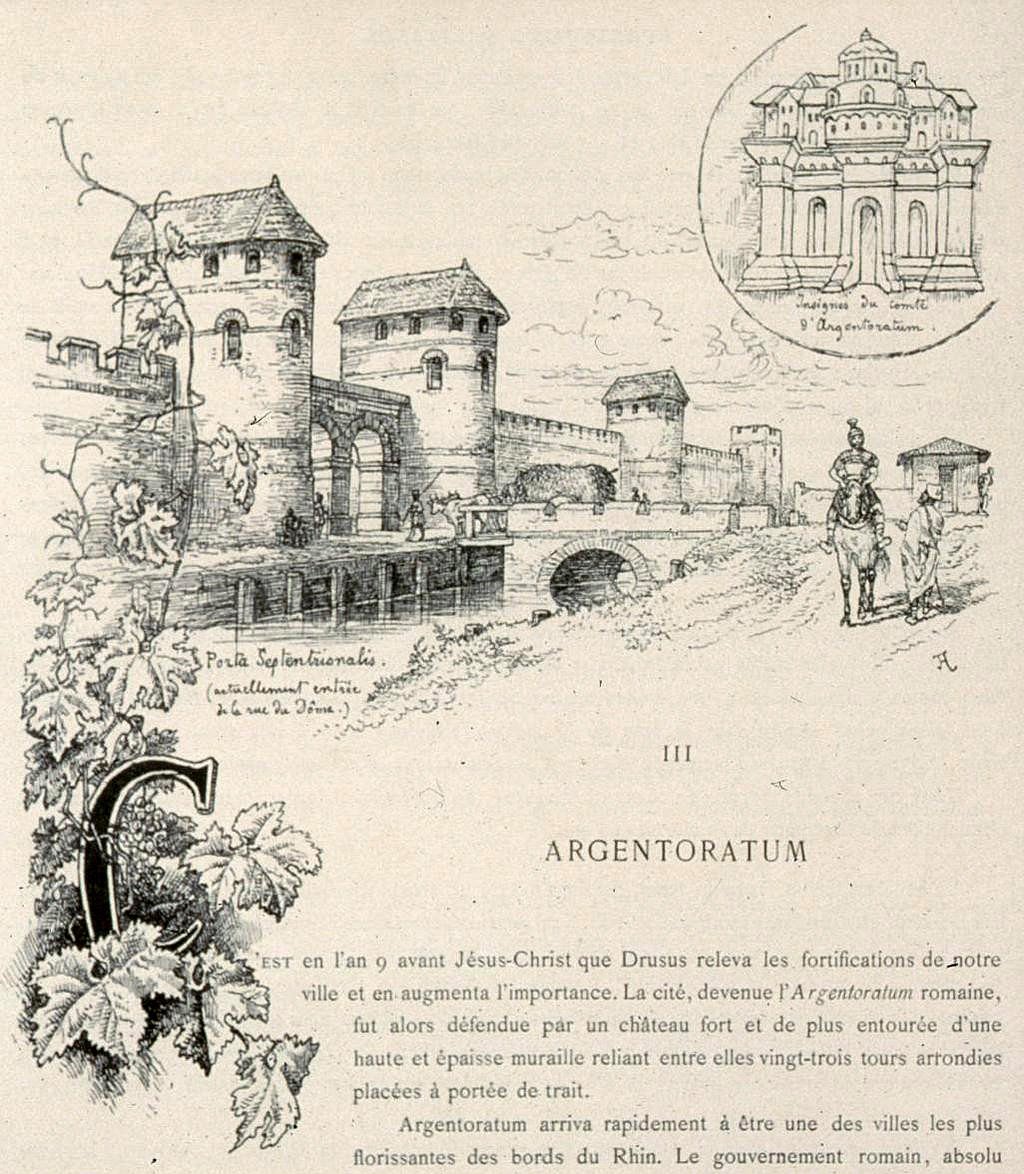
Strasbourg’s location on the Rhine has shaped its destiny for millennia. The earliest settlement, Argentorate, was established by Celts and then fortified by Romans in 12 BC, giving rise to Argentoratum (French Moments). The river’s strategic importance led to the construction of temporary wooden bridges and ferries for military and commercial use, though no Roman bridge structures survive today. The Rhine’s currents and width made stone bridges rare and often short-lived (Wikipedia).
2. Bridge Development through the Ages
In the Middle Ages, Strasbourg’s wealth as a free imperial city depended on controlling Rhine crossings. Wooden bridges, repeatedly rebuilt after ice and war damage, linked Strasbourg and Kehl. After Strasbourg’s annexation by France in 1681, military engineer Vauban built a star-shaped fortress to protect the bridge, underscoring its importance for both trade and defense (Postcards and Places).
3. Modernization and Postwar Reconstruction
The 19th century brought railways, canals, and modern infrastructure, prompting the construction of more durable bridges to accommodate road and rail traffic (French Moments). The Franco-Prussian War and subsequent German annexation of Alsace-Lorraine shifted the border and turned the bridge into a potent national symbol (Postcards and Places).
During World War II, the Rhine bridge was a critical military asset and a site of tragedy during the deportation of Jews and other victims (Blaues Haus Breisach). After wartime destruction, the bridge was rebuilt, heralding a new era of Franco-German cooperation. The reopening of the Kehl-Strasbourg crossing and the establishment of European institutions in Strasbourg cemented the bridge’s role as a symbol of reconciliation (Wikipedia).
4. Contemporary Bridges & Urban Integration
Pont de l’Europe (Europe Bridge)
Completed in 1960, the Europe Bridge is a major road artery between Strasbourg and Kehl, representing postwar peace and the ideals of European unity (strasbourg.eu).
Passerelle des Deux Rives (Bridge of the Two Banks)
Opened in 2004, this striking pedestrian and cyclist bridge features a 387-meter span and a unique double-deck design. It connects the Jardin des Deux Rives parks on both banks, blending innovative engineering and symbolism (Postcards and Places).
Rail and Tram Bridges
The 2017 extension of the Strasbourg tramway to Kehl marked a milestone in cross-border integration. The modern tram bridge is part of the Deux-Rives project, further unifying both cities (Strasbourg Deux Rives).
5. Cultural and Political Significance
The Rhine bridges epitomize Strasbourg’s role as a crossroads of Europe. Once contested frontiers, these crossings now symbolize Franco-German reconciliation and European unity. The area, transformed by the Deux-Rives urban project, hosts festivals, art installations, and public gatherings, while the Jardin des Deux Rives offers green space and panoramic river views (Strasbourg Deux Rives).
6. Visiting Information
Visiting Hours & Accessibility
- Open 24/7, year-round
- Free access for pedestrians, cyclists, and public transport users
- Fully accessible with ramps, smooth paths, and nearby public transport
Getting There
- Tram: Strasbourg Lines A, D (Port du Rhin station); Kehl regional trains and buses
- Cycling: Bike rentals available; EuroVelo 15 cycle route passes through
- Parking: Near tram stations; public transport recommended
Tours & Events
- Local operators offer guided walking and cycling tours focusing on history and architecture
- Cultural events and festivals around the bridges, especially in summer and during European celebrations
Photography Tips
- Best light: Sunrise and sunset for dramatic views and fewer crowds
- Vantage points: Jardin des Deux Rives, the central platform of Passerelle des Deux Rives, and fortress remains
7. Frequently Asked Questions (FAQs)
Q: What are the Rhine Bridge visiting hours?
A: All Rhine bridges are open 24/7, year-round, with free access.
Q: Is there an entry fee or ticket required?
A: No, all bridges are free to cross. Tram rides require a valid ticket.
Q: How accessible are the bridges?
A: Fully accessible for wheelchairs, strollers, and bicycles.
Q: Are there guided tours?
A: Yes, local tourism offices and private operators offer tours that include the bridges.
Q: What’s the best time to visit?
A: Spring through autumn for pleasant weather; early mornings or evenings for ideal light and fewer people.
8. Additional Strasbourg Highlights
Enhance your visit by exploring:
- Grande Île: UNESCO-listed historic city center
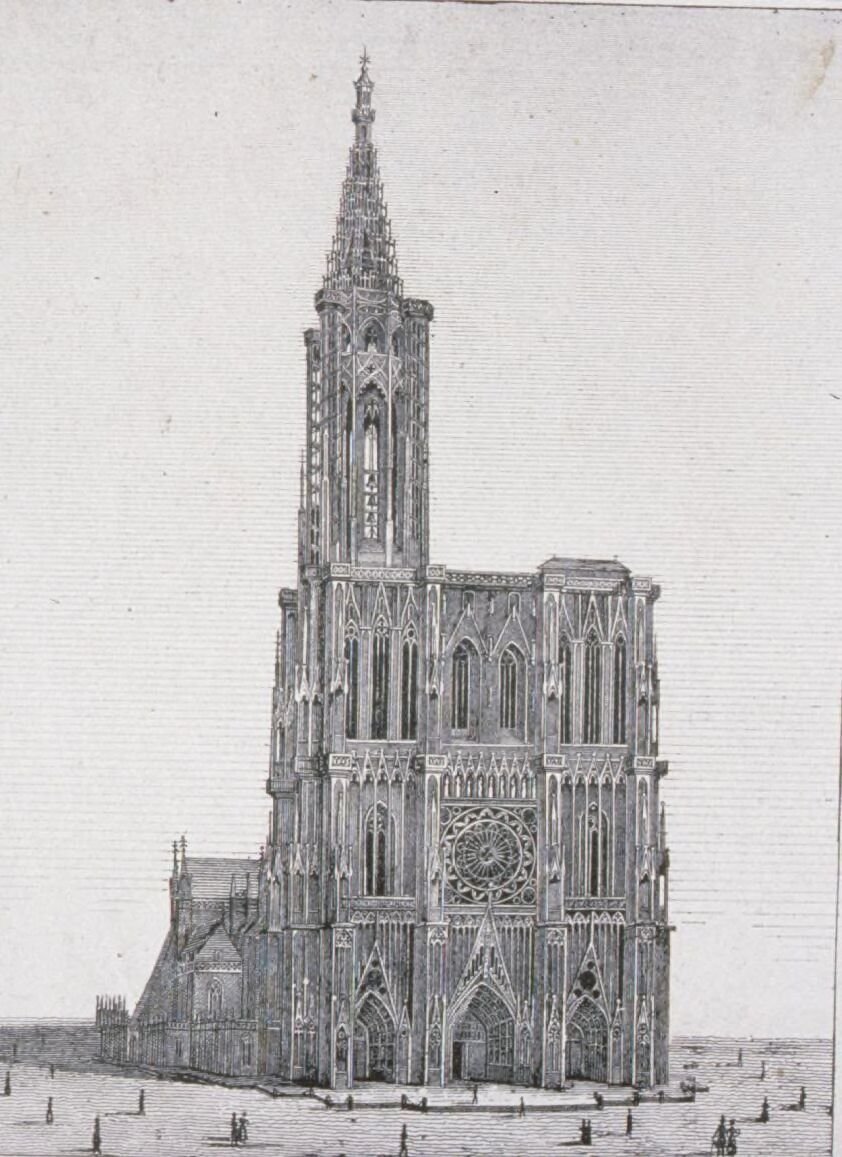
- Strasbourg Cathedral: A Gothic masterpiece
- European Parliament: Symbol of modern Europe
Internal links (on your site) can connect to detailed guides for each.
10. The Passerelle des Deux Rives: Visitor Guide

- Open 24/7, year-round
- Free access; no tickets required
- Fully accessible for all users
Getting there: Take Tram D to Port du Rhin, then walk through Jardin des Deux Rives. Cycling is encouraged; EuroVelo 15 crosses here.
Best times: Spring–autumn; sunrise, sunset, and during cultural events.
Nearby: Cafés, playgrounds, picnic areas, and scenic park trails.
Etiquette: Use marked lanes for cycling and walking; respect the environment and local wildlife.
For a virtual tour and a map of Strasbourg attractions, visit the provided resources.
11. Summary & Travel Recommendations
The Rhine Bridge in Strasbourg, with its rich history and modern architectural beauty, is a must-visit for travelers interested in European history, culture, and unity. The Pont de l’Europe, Passerelle des Deux Rives, and tram bridges offer not only practical transit but also immersive experiences—panoramic views, festivals, and a unique cross-border atmosphere (Wikipedia; coe.int; Postcards and Places; Strasbourg Deux Rives).
Plan your visit to walk, cycle, or simply enjoy the view, and take advantage of nearby attractions. For deeper exploration, guided tours and digital resources like the Audiala app offer curated insights and updates (visit.strasbourg.eu; audiala.com).
Listen to the full story in the app
Your Personal Curator, in Your Pocket.
Audio guides for 1,100+ cities across 96 countries. History, stories, and local insight — offline ready.
Audiala App
Available on iOS & Android
Join 50k+ Curators
Sources
- verified
- verified
- verified
- verified
- verified
- verified
- verified
- verified
- verified
- verified
Last reviewed: