Introduction
The Porte des Bouchers ("Butchers’ Gate") is a storied site at the heart of Strasbourg, France, embodying the city’s rich transformation from a medieval walled town to a bustling port and, today, a vibrant cultural district. Though the original medieval gate no longer stands, its legacy endures through preserved industrial architecture and the dynamic urban life of the surrounding Malraux and Petite France districts. This guide provides a comprehensive look at the history and evolution of the Porte des Bouchers, its architectural features, practical visiting details, and tips to help you explore one of Strasbourg’s most fascinating heritage sites.
For the latest visitor updates and official information, refer to Strasbourg Tourism and the Port Autonome de Strasbourg.
Photo Gallery
Explore Porte Des Bouchers in Pictures

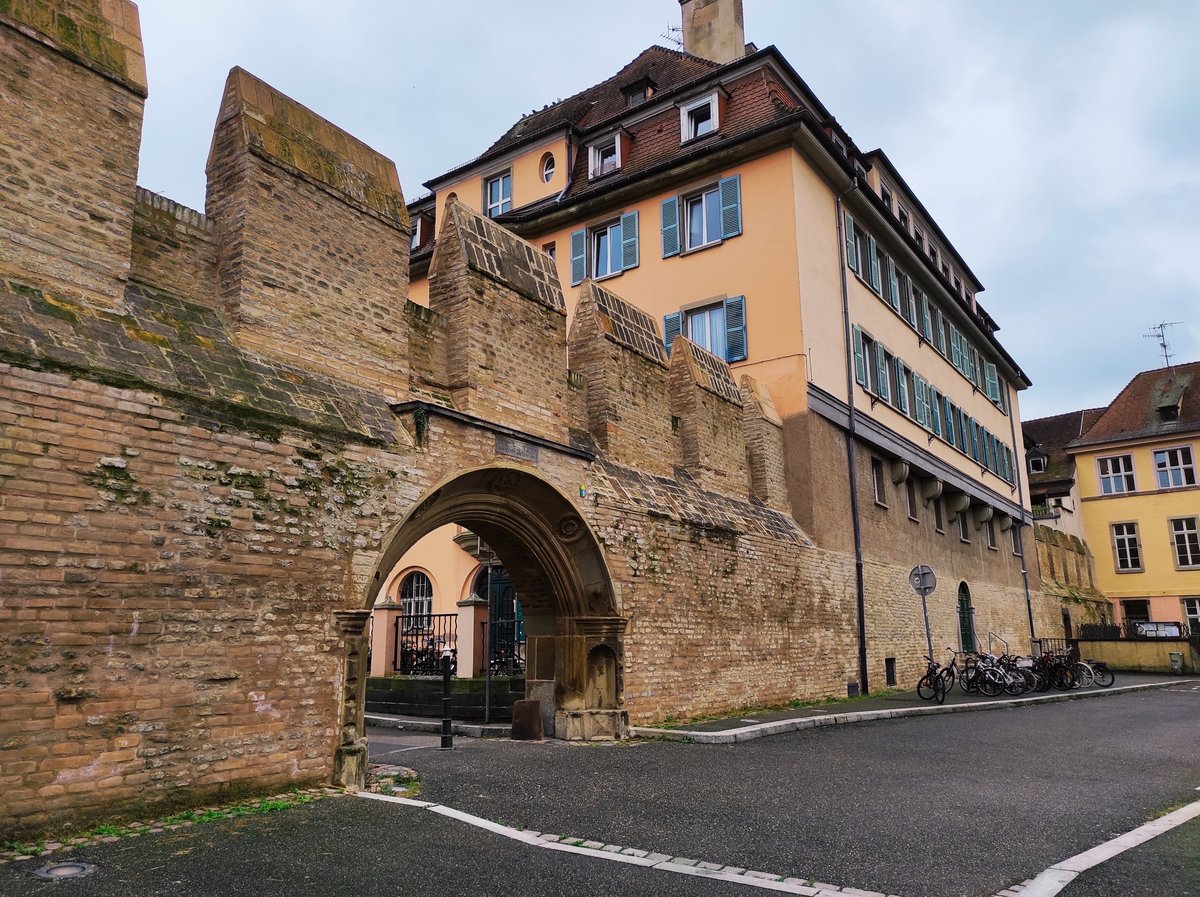
Scenic exterior view of the historic Porte des Bouchers gate in Strasbourg, showcasing its architectural features and stonework.

Detailed engraving depicting the historic Porte des Bouchers, also known as Porte d’Austerlitz, located in Strasbourg.

Detailed photograph of the historic Porte des Bouchers, a notable city gate in Strasbourg, showcasing its architecture and stone walls.

Historic image of Porte des Bouchers gate and the surrounding fortifications in Strasbourg, featuring key labeled elements including the former bastion at rue d’Austerlitz, rue de la Madeleine, Waisengraben filled ditch, faux-rempart with houses on rue des Orphelins, Place d’Austerlitz, remaining se

A detailed exterior view of the Porte des Bouchers, showing the historic stone gateway with multiple arches and classic architectural details.

SEO-friendly exterior view of Porte des Bouchers, showcasing historic architecture.

Photograph showing the interior architectural details of the Porte des Bouchers, a historic gate

Historical black and white illustration showing the Porte d’Austerlitz, a city gate in Paris, around the year 1860.

Color illustration of the Porte d’Austerlitz in Paris as it appeared around the year 1860
Medieval Origins and Urban Development
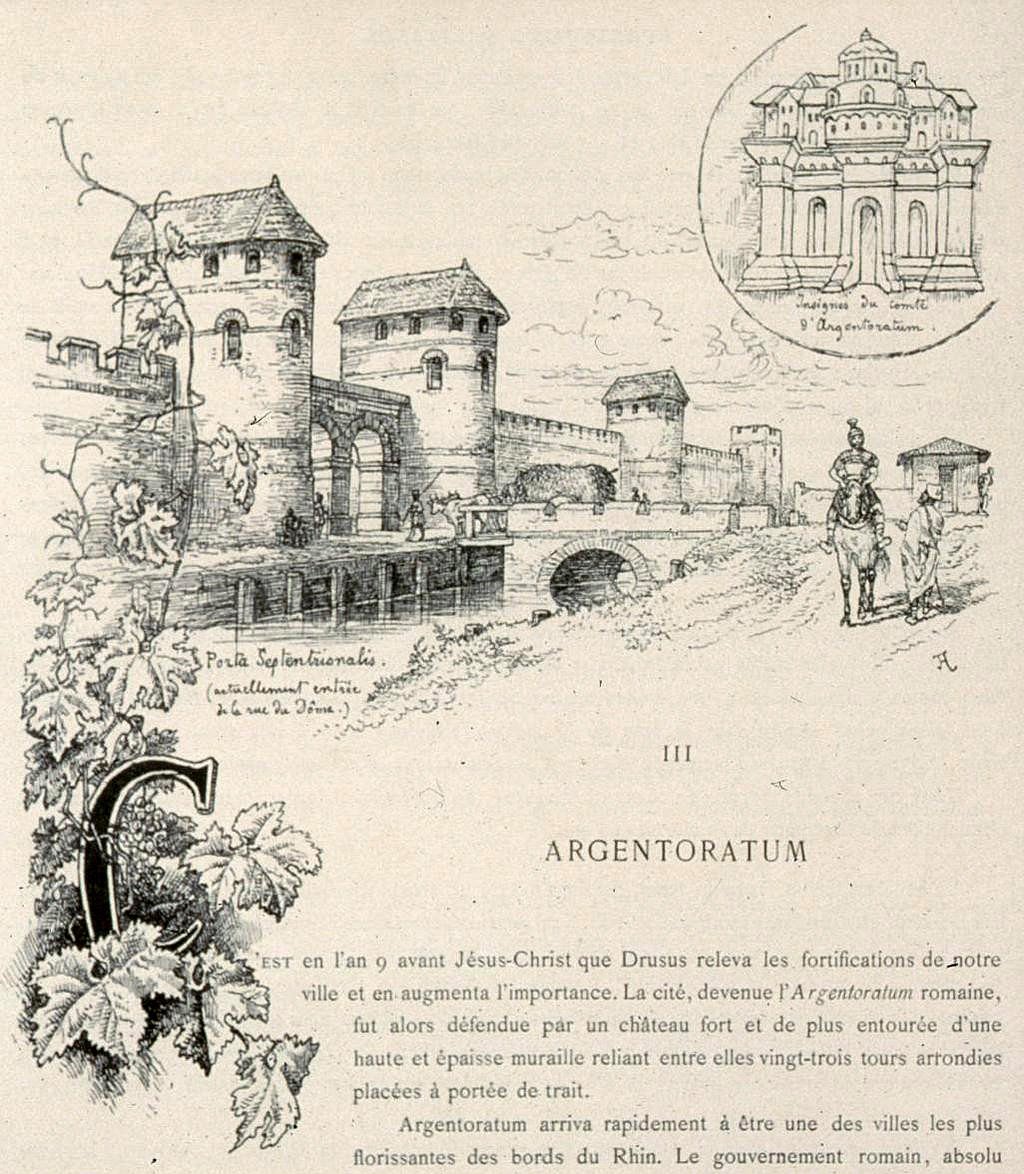
The Porte des Bouchers originated as a fortified gateway in Strasbourg’s medieval walls, serving the butchers’ quarter and regulating the flow of goods and people along the Ill River. The gate’s name reflects the importance of guilds in the city’s commerce, while its location marked a crucial point of defense and trade (History of Strasbourg - Wikipedia).
Transformation into Industrial Port
Following Alsace’s annexation by Germany in 1871, urban planners capitalized on the site’s strategic position at the confluence of the Canal du Rhône au Rhin and the Canal de la Marne au Rhin. The area was selected for major port development, officially opening as the Port d’Austerlitz in 1892 (POP: Port de la Porte des Bouchers). The port rapidly became a hub for commerce and industry, especially after the construction of landmark structures like the Seegmuller silo and warehouse complex.
Modernization and Heritage Preservation
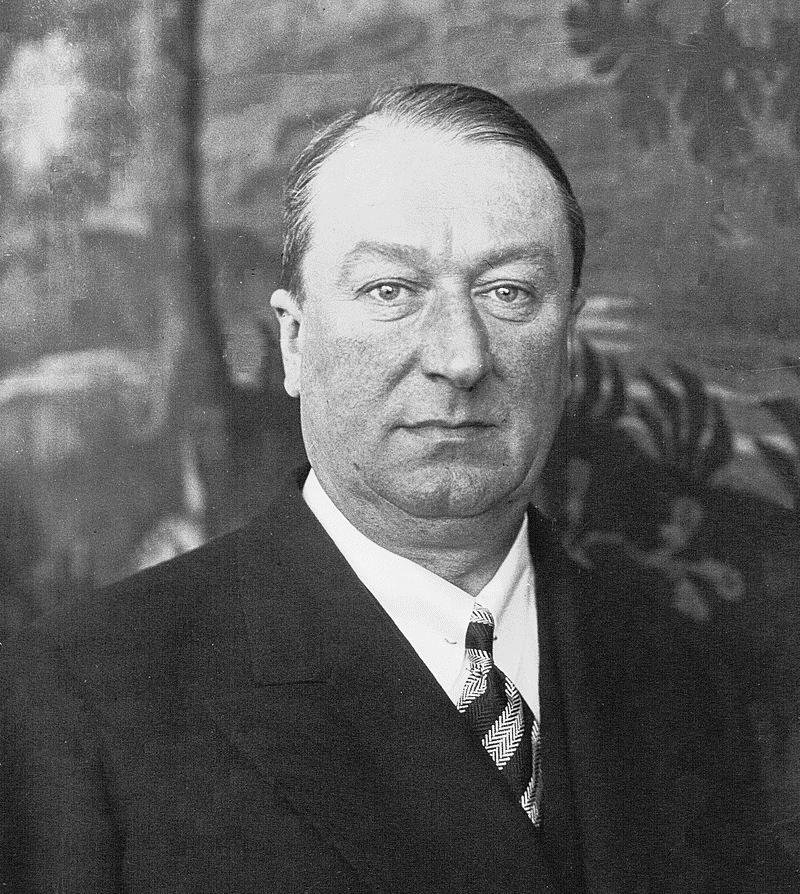
A catastrophic fire in 1928 led to significant reconstruction under architect Gustave Umbdenstock, introducing modernist industrial design. In the late 20th century, as port activity declined, many original installations were repurposed or preserved as industrial heritage. The area’s transformation into the presqu’île Malraux and the ongoing ZAC Deux-Rives urban renewal project are testaments to Strasbourg’s commitment to balancing preservation with contemporary development (POP: Port de la Porte des Bouchers, Pokaa).
Architectural Features & Artistic Significance
Medieval Remnants and Urban Traces
While the original medieval gate has disappeared, its historical footprint persists in the alignment of streets and the naming of the area. The medieval structure would have featured defensive stonework, towers, and a portcullis, echoing the architectural language of Strasbourg’s former city walls (antoinewendling.eu).
Industrial Era Landmarks
The Seegmuller silo and warehouse, reconstructed after 1928, are iconic examples of early 20th-century industrial architecture. Key features include:
- Exposed reinforced concrete frames and brick infill—hallmarks of modernist design.
- Monumental gables and arcades, earning the silo the nickname “cathedral of industry.”
- The neo-medieval Capitainerie (Port Authority), built in 1899 with Vosges sandstone, stepped gables, and oriel windows, referencing Strasbourg’s medieval heritage (pop.culture.gouv.fr).
Artistic and Cultural Integration
The site inspires local artists and urban photographers, who are drawn to the interplay of historic masonry and industrial lines. The presqu’île Malraux hosts public art, workshops, and exhibitions in repurposed industrial spaces, blending heritage with contemporary creativity (veronikasadventure.com).
Visiting Porte des Bouchers: Hours, Tickets, and Accessibility
Visiting Hours
- Outdoor Areas: The area around the former Porte des Bouchers, including presqu’île Malraux and the Seegmuller complex, is publicly accessible year-round, generally from 8:00 AM to 8:00 PM.
- Cultural Venues: Hours for specific museums, galleries, and events vary; check Strasbourg Tourism for details.
Tickets and Admission
- General Access: Free of charge for outdoor areas and public spaces.
- Special Exhibitions & Guided Tours: Some events or workshops may require tickets—consult official event pages or the Strasbourg Tourist Office.
Accessibility
- The district is pedestrian-friendly and largely accessible for visitors with reduced mobility. Most quays, venues, and public spaces have ramps and smooth surfaces, although some cobblestone streets in Petite France may present challenges.
- Public restrooms and accessible facilities are available nearby.
Getting There
- Public Transport: Tram lines C and E (Winston Churchill stop) serve the Malraux district; Petite France is a short walk from central tram stops (Homme de Fer, Langstross/Grand’Rue) (En Wikivoyage).
- Bicycle: Strasbourg boasts over 600 km of bike paths; bikes can be rented from Vélhop (farawayworlds.com).
- Car: Parking is available in nearby lots, but walking or cycling is recommended for the best experience.
Exploring the Surrounding Districts
Petite France: A UNESCO World Heritage Site
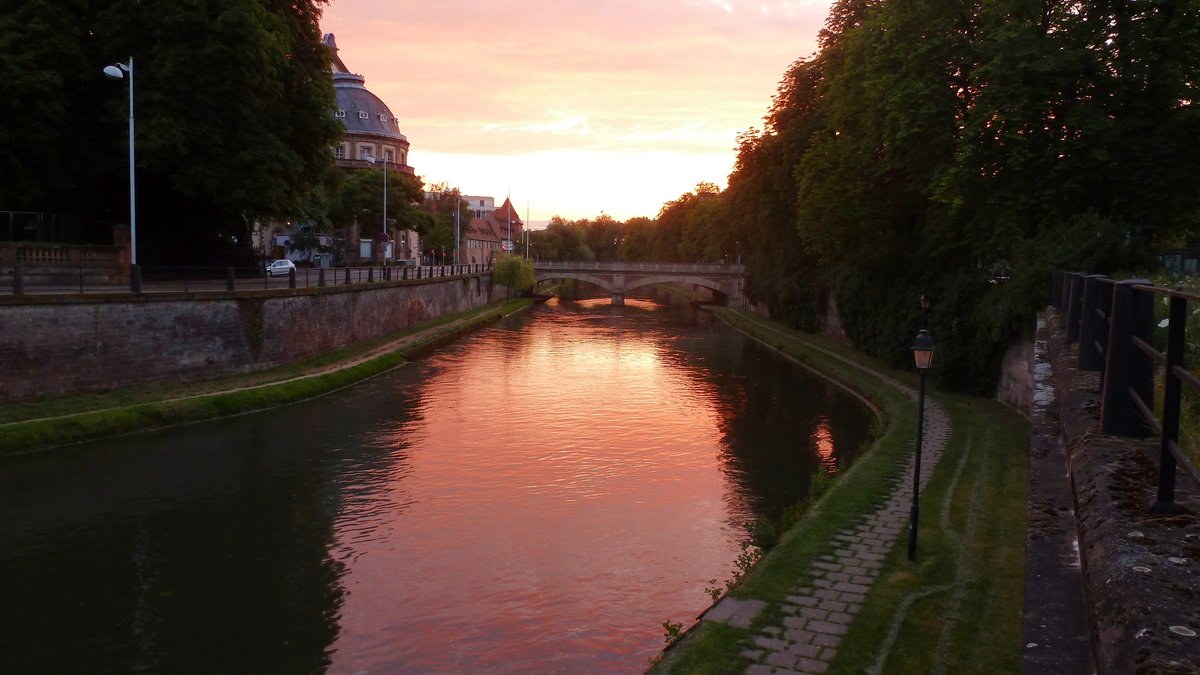
Porte des Bouchers sits at the edge of Petite France, Strasbourg’s most picturesque quarter. With its half-timbered houses, cobbled lanes, and scenic canals, the area is a living museum of Alsatian history and culture (touristplaces.guide). The gate historically marked entry into the butchers’ and tanners’ district, integral to the city’s economic vibrancy (myglobalviewpoint.com).
Malraux Quarter: From Industry to Culture
The closure of the Seegmuller company in 2000 catalyzed the Malraux district’s transformation into a hub of culture and recreation. Today, visitors will find:
- The Médiathèque André Malraux, one of France’s largest libraries.
- The Rivetoile shopping center.
- Public art installations, creative workshops, and riverside cafés (Pokaa).
Frequently Asked Questions (FAQ)
Q: What are the opening hours of Porte des Bouchers?
A: The area is open to the public year-round, with outdoor spaces generally accessible from 8:00 AM to 8:00 PM. There are no restrictions for viewing the historic site itself.
Q: Is there an entry fee or ticket required?
A: No tickets are needed to visit the gate or surrounding public areas. Some cultural venues and tours may require booking.
Q: Is the site accessible for wheelchairs?
A: Yes, most paths are accessible, though some cobbled sections in Petite France may be uneven.
Q: Are guided tours available?
A: Yes, walking tours and audio guides can be booked via the Strasbourg Tourist Office.
Q: How do I reach Porte des Bouchers using public transport?
A: Tram lines C and E stop near Malraux; for Petite France, use Homme de Fer or Langstross/Grand’Rue stops. Both areas are a short walk from the city center.
Suggested Itineraries & Insider Tips
- Short Visit (1–2 hours): Begin at Porte des Bouchers, stroll through Petite France, and continue to the Covered Bridges and Vauban Dam for panoramic views (theworldwasherefirst.com).
- Half-Day Exploration: Combine a walk through the Malraux quarter with a guided history tour and lunch at a traditional winstub.
- Full-Day Immersion: Explore museums, take a boat cruise along the Ill, and enjoy local cuisine in the historic center.
Insider Tips:
- Visit Early or Late: Enjoy soft light for photography and fewer crowds.
- Attend Local Events: Time your visit with festivals such as the Strasbourg Music Festival or European Heritage Days (cityzeum.com).
- Explore by Bike: Use Strasbourg’s extensive cycling network to cover more ground (farawayworlds.com).
- Sample Alsatian Cuisine: Try tarte flambée, choucroute, and kougelhopf at nearby restaurants (cityzeum.com).
Discover More
Porte des Bouchers is more than a historical relic—it is a living emblem of Strasbourg’s evolution and resilience. Whether you’re drawn by medieval fortifications, industrial landmarks, or contemporary art scenes, this site offers a rich tapestry of experiences at the crossroads of history and modern life.
Plan your visit today: Download the Audiala app for self-guided audio tours and curated local insights. For up-to-date information, events, and itineraries, consult Strasbourg Tourism and follow us on social media to stay connected to Strasbourg’s vibrant cultural scene.
Listen to the full story in the app
Your Personal Curator, in Your Pocket.
Audio guides for 1,100+ cities across 96 countries. History, stories, and local insight — offline ready.
Audiala App
Available on iOS & Android
Join 50k+ Curators
Sources
- verified
- verified
- verified
- verified
- verified
- verified
- verified
- verified
- verified
- verified
- verified
- verified
- verified
- verified
- verified
- verified
Last reviewed: