Introduction
Place Broglie, located in the heart of Strasbourg’s UNESCO-listed Grande Île, is a living testament to the city’s layered history, architectural splendor, and vibrant civic life. This elongated, tree-lined promenade is famous for its harmonious blend of architectural styles—classical, neoclassical, Renaissance, Rococo, Art Nouveau, and traditional Alsatian half-timbered buildings—reflecting Strasbourg’s unique position at the crossroads of French and Germanic cultures (Voyage Tips; Wikipedia). Named after Marshal François-Marie de Broglie, the square is a focal point for major historic events, festive markets, and cultural gatherings, making it a must-visit for travelers and history enthusiasts alike.
Place Broglie is open to the public 24/7, free of charge, and is fully accessible, with nearby tram stops and pedestrianized pathways. Its monuments, historic buildings, and lively atmosphere offer visitors a multifaceted experience of Strasbourg’s heritage and contemporary life (Dabbling in Jetlag).
This guide provides detailed information on Place Broglie’s history, architecture, visiting hours, guided tours, major events, accessibility, and practical travel tips, helping you plan an enriching visit to one of Strasbourg’s most cherished locations.
Photo Gallery
Explore Place Broglie in Pictures

Historical black and white photo of Marshal Foch with Generals Weygand and Gouraud standing at attention at Place Broglie on November 21, 1920
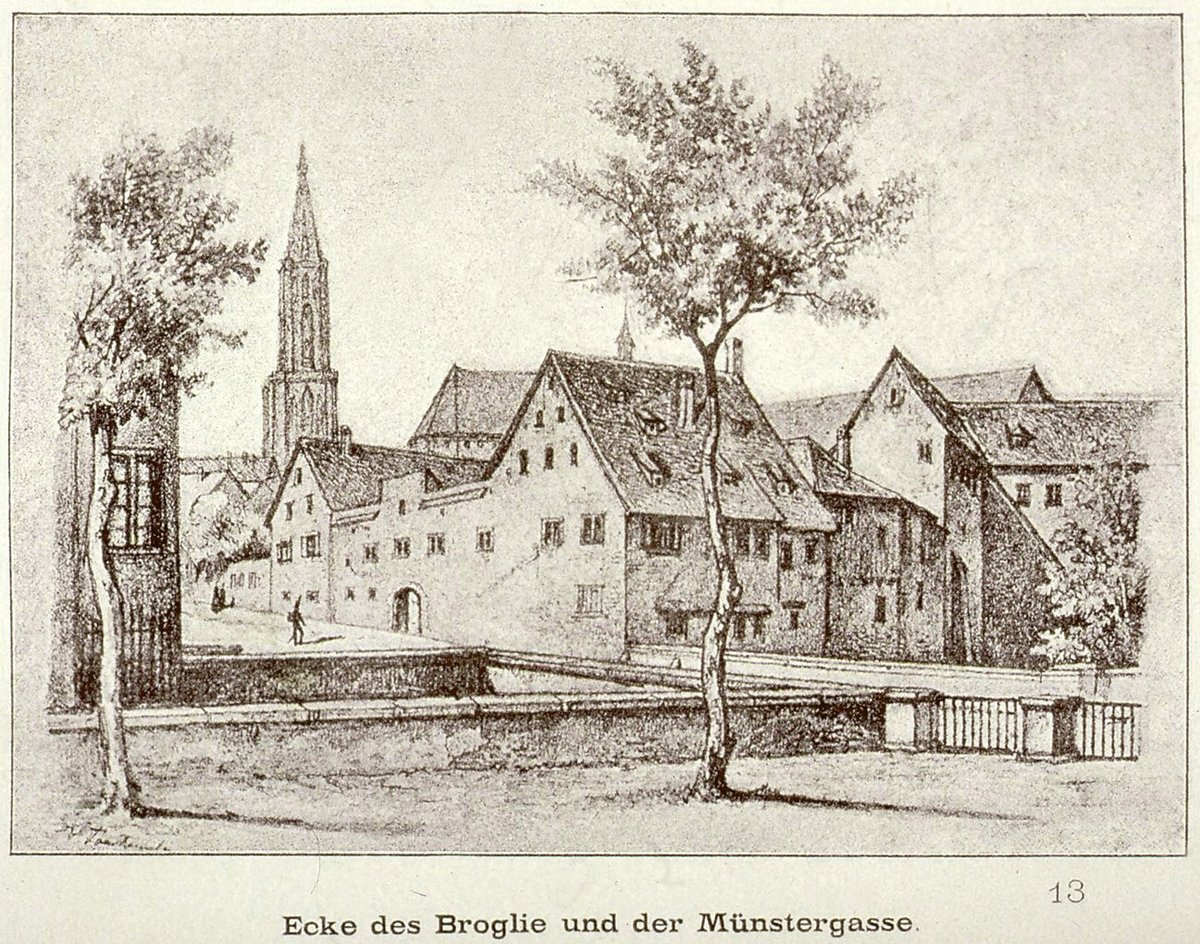
Historic black and white photograph by Alfred Touchemolin depicting the corner of Broglie and Münstergasse in Strasbourg, taken in 1891. From the collection of the Bibliothèque nationale et universitaire de Strasbourg, NIM27986.

Historic image of La Maison Scheidecker in Strasbourg, showcasing 1870 period architecture, preserved by the Bibliothèque nationale et universitaire de Strasbourg

View of the historic building at Place Broglie no 4 in Strasbourg, formerly the court of Burcart von Muellenheim where Emperor Rudolf of Habsburg and his son King Albert stayed in the 13th and 14th centuries

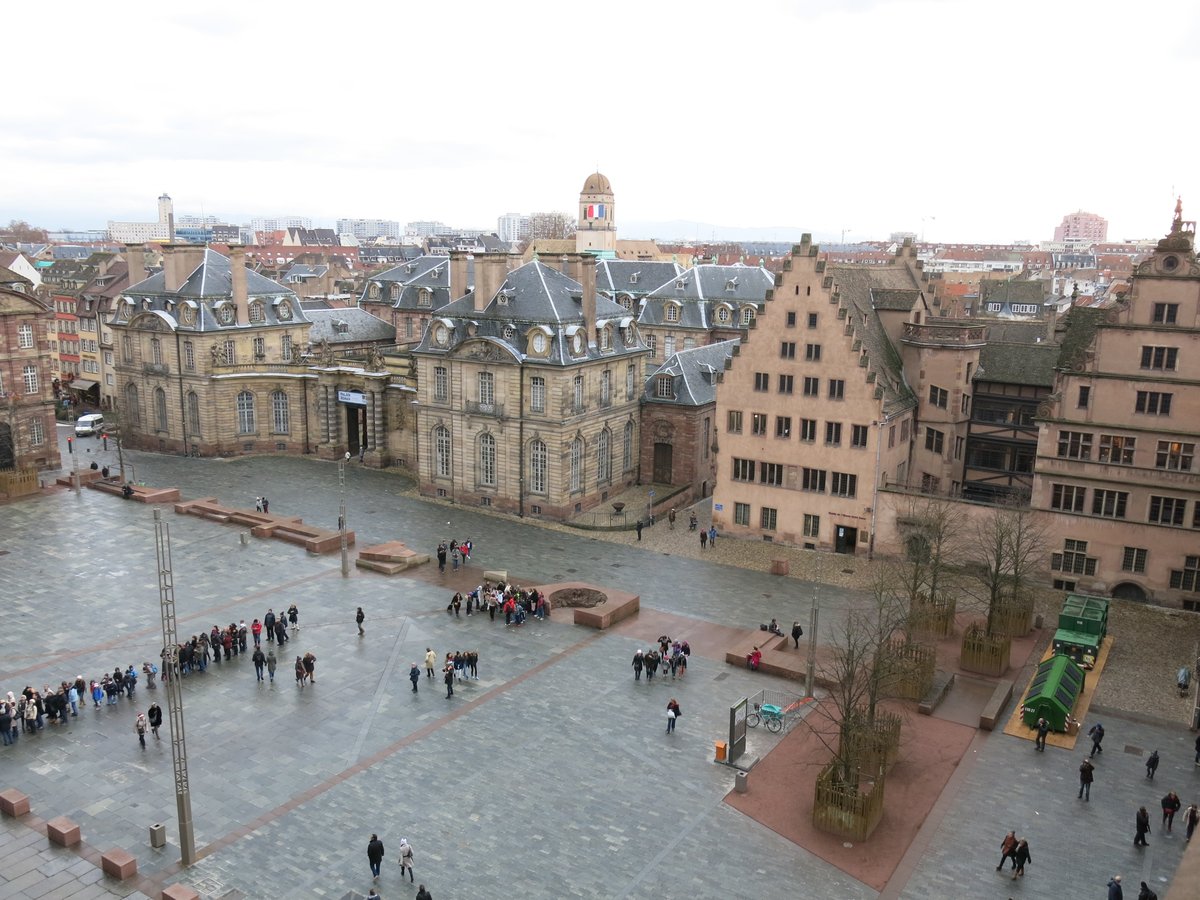
Broglieplatz in Strasbourg featuring historic architecture and a central fountain under a clear blue sky

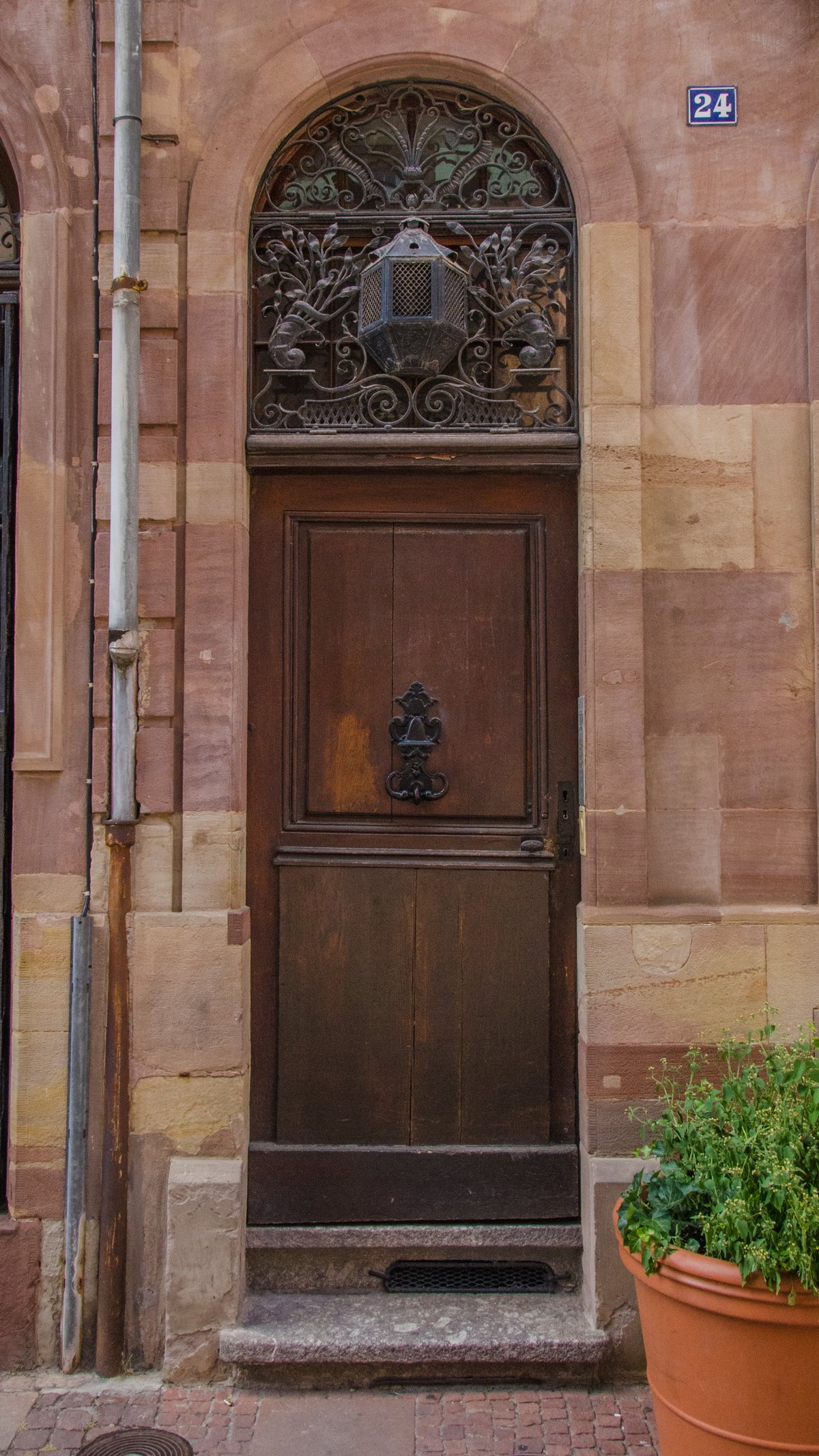
Close-up detail of a wrought iron door showcasing a traditional torero (bullfighter) figure in classical attire, highlighting exquisite craftsmanship and artistic metalwork. This design inspired similar patterns on neighboring buildings' doors.

Emile Schweitzer's 1894 artwork Tournoi au Marché-Aux-Chevaux depicting a historic horse market scene at current place Broglie in Strasbourg, from Bibliothèque nationale et universitaire de Strasbourg collection

French residential building Maison Gast located in Broglie neighborhood, Strasbourg, captured in a historical photograph from 1872.

Historic Maison Scheidecker building located in Broglie, Strasbourg as captured in 1872, part of the Bibliothèque nationale et universitaire de Strasbourg collection NIM22631.

Classical lion sculptures crowning the historic Broglie bookstore building in Strasbourg, a bookstore with roots dating back to 1676, now replaced by a luxury brand's boutique after over 20 years of operation.

Christmas market at Place Broglie in Strasbourg, featuring festive stalls and decorations, near the Bibliothèque nationale et universitaire de Strasbourg
Origins and Urban Development
Place Broglie was established in the 18th century during a period of significant urban transformation inspired by Enlightenment ideals of order and public utility. Named after Marshal François-Marie de Broglie, the square was designed alongside grand civic buildings and stately mansions that still line its promenade (Voyage Tips).
Architectural Significance
The square is renowned for its harmonious architectural blend. Notable buildings include the imposing Hôtel de Ville (Strasbourg City Hall), the neoclassical Strasbourg Opera House, and beautiful examples of Renaissance, Rococo, Art Nouveau, and Alsatian half-timbered architecture. Double rows of plane trees, planted in the 18th century, add to the tranquil, elegant ambiance (Wikipedia).
Historical Events and Civic Life
Place Broglie has long served as a stage for Strasbourg’s civic life, hosting military parades, political rallies, and cultural festivities. It is perhaps best known for the annual Christkindelsmärik Christmas market, founded in 1570, which draws millions of visitors each year (solosophie.com; dabblinginjetlag.com). The square has also witnessed revolutionary rallies and celebrations marking Alsace’s return to France after World War I.
Notable Residents and Figures
Place Broglie and its surrounding area have been home to prominent individuals, including its namesake Marshal François-Marie de Broglie, Johann Wolfgang von Goethe (who studied in Strasbourg), automobile pioneer Émile Mathis, and Dadaist artist Hans Arp.
Architectural Diversity and Urban Layout
Notable Architectural Styles
Place Broglie stands as a showcase of Strasbourg’s architectural evolution. Highlights include:
- Renaissance (No. 2): Symmetrical, classical proportions with ornate stonework.
- Rococo (No. 12): Playful curves and decorative flourishes characteristic of the 18th century.
- Art Nouveau (No. 1): Flowing lines and organic motifs from the turn of the 20th century.
- Historicism (No. 22): 19th-century style blending various historical periods.
- Alsatian Half-Timbered (No. 15): Regional vernacular with exposed beams and colorful plaster (Wikipedia).
Prestigious Civic and Cultural Buildings
- Strasbourg Opera House: Neoclassical with grand columns, a hub for cultural performances (Wikipedia).
- City Hall (Hôtel de Ville): Administrative heart of Strasbourg.
- Governor’s and Prefect’s Palaces: Ornate facades and formal gardens, symbolizing regional governance.
- Banque de France: Built in the grand Louis XV style, with plaques commemorating Charles de Foucauld and the first singing of “La Marseillaise” (Wikipedia).
Monuments and Public Art
- Janus Fountain: Modern artwork by Tomi Ungerer symbolizing Strasbourg’s dual French-German heritage (Dabbling in Jetlag).
- Leclerc Monument: Commemorates Liberation of Strasbourg in 1944.
- Kellermann Statue: Honors the Marshal and hero of Valmy.
- Monument to the Marseillaise: Marks the square’s connection to France’s national anthem (Wikipedia).
Cultural Significance and Community Life
Markets and Annual Events
- Marché Européen de la Brocante et du Design: European antique and design market held several times a year, attracting dealers and collectors (JDS, Antiquités du Rhin).
- Weekly Food Market: Fresh produce, cheeses, and Alsatian specialties (Visit Alsace).
- Christmas Market: Place Broglie is a central part of Strasbourg’s world-famous “Capital of Christmas” celebrations (My French Country Home Magazine).
Civic and Cultural Gatherings
The square is a favored site for parades, concerts, and public celebrations, especially during national holidays and festivals (Visit Strasbourg). Cafés and bakeries lining the square further contribute to its lively atmosphere.
Symbolism and Identity
Place Broglie encapsulates Strasbourg’s dual French-Germanic identity, illustrated by its architecture and public art. The Janus Fountain is a literal and metaphorical representation of this theme (Dabbling in Jetlag). Its monuments and commemorative plaques serve as reminders of pivotal moments in French and European history (Wikipedia).
Events and Markets
Christkindelsmärik: Strasbourg’s Christmas Market
Place Broglie is home to the Christkindelsmärik, one of Europe’s oldest and largest Christmas markets. The 2025 edition runs from November 26th to December 24th, typically open from 11:00 am to 8:00 pm (dabblinginjetlag.com; andrewandkait.com). The market features over 100 chalets, festive illuminations, and a wide variety of Alsatian treats and gifts (solosophie.com).
Tips:
- Visit weekday mornings or late evenings to avoid crowds (thetwordtravel.com).
- Cash is preferred for purchases; bring euros (andrewandkait.com).
- The area is fully accessible and pedestrianized.
Antique and Food Markets
Place Broglie hosts weekly food markets and European antique and design markets several times a year (brocantes-strasbourg.com). These markets offer local produce, vintage art, books, and collectibles.
Civic and Cultural Events
The square is a central venue for Heritage Days, music and art festivals, commemorative ceremonies, and more (cityzeum.com; strasbourg.eu).
Visitor Information
Visiting Hours and Accessibility
- General Hours: Place Broglie is accessible 24/7; no entry fee.
- Event Hours: Market and event hours vary. Christkindelsmärik: 11:00 am to 8:00 pm during the season (andrewandkait.com).
- Accessibility: Wheelchair accessible, with nearby tram stops (Broglie: lines B, C, F).
Guided Tours and Tickets
- Square Access: Free, no ticket required.
- Guided Tours: Bookable through the official Strasbourg tourism website or local guide services.
- Audio Guides: Available via the Audiala app for self-paced exploration.
How to Get There
- Tram: Stop at Broglie (Lines B, C, F).
- Walking: Five minutes from Strasbourg Cathedral.
- Car: Opéra–Broglie parking lot nearby (brocantes-strasbourg.com).
- Bike: Vél’Hop rental stations available.
Dining and Refreshments
Place Broglie and its surrounding streets offer historic cafés, traditional winstubs, and access to festive market food. Sample regional specialties like tarte flambée, choucroute, and kougelhopf.
Nearby Attractions
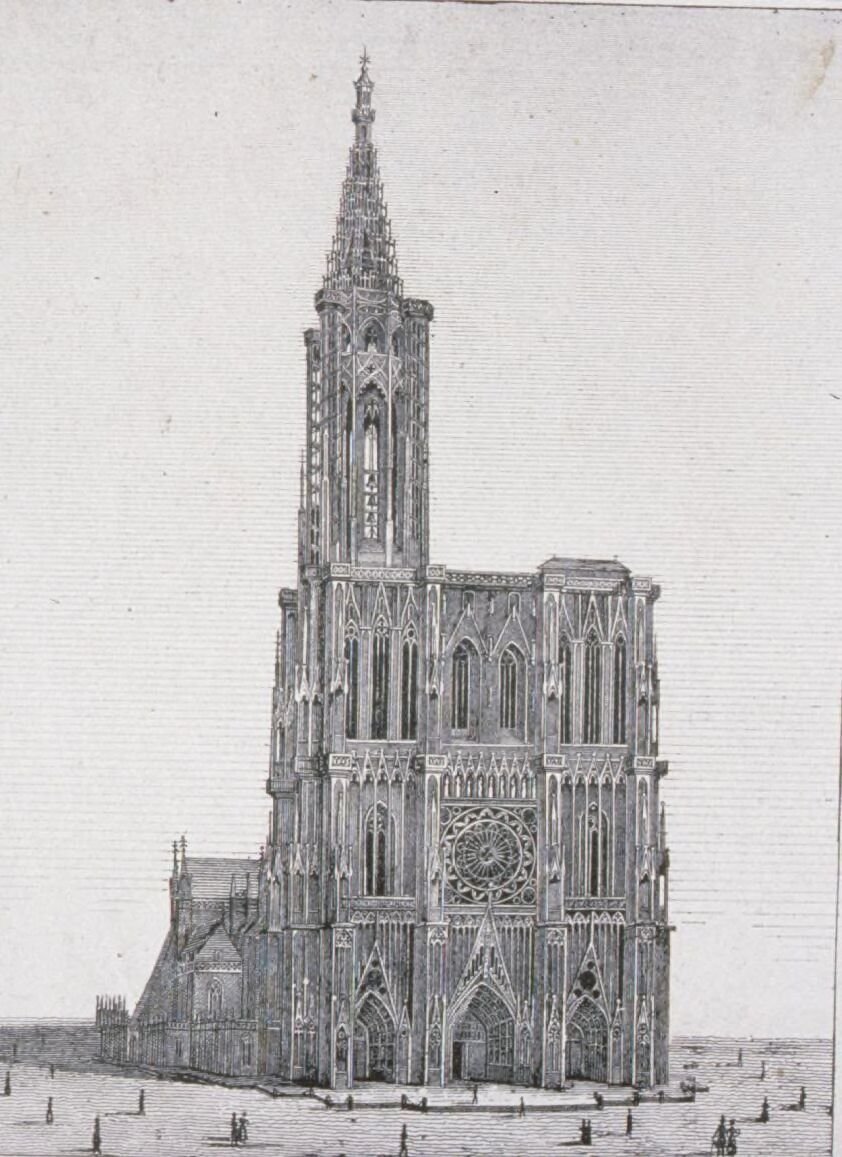
- Strasbourg Cathedral: A Gothic masterpiece with an astronomical clock.
- Palais Rohan: A museum complex with fine arts and archaeology.
- Opéra du Rhin: Strasbourg’s opera house.
- Place Kléber: Main square with shops and historic buildings.
- Carré d’Or and Petite France: Picturesque historic districts within easy walking distance.
Preservation and Heritage
Place Broglie is part of the UNESCO World Heritage-listed center. Conservation efforts protect its historic buildings, monuments, and mature plane trees for future generations (Wikipedia).
Sustainable and Responsible Tourism
Strasbourg encourages visitors to use public transport, recycle, and support local artisans for a sustainable tourism experience (visitstrasbourg.fr).
Frequently Asked Questions (FAQ)
Q: What are Place Broglie’s visiting hours?
A: Open 24/7 as a public square; event hours vary.
Q: Is there an entry fee?
A: No, the square is free to access.
Q: Are guided tours available?
A: Yes, through local guides and the Audiala app.
Q: Is Place Broglie wheelchair accessible?
A: Yes, with pedestrian paths and tram access.
Q: What is the best time to visit?
A: During the Christmas market (late November–December), or on market days in spring and summer.
Q: What attractions are nearby?
A: Strasbourg Cathedral, Palais Rohan, Opéra du Rhin, Place Kléber.
Discover More
Enhance your visit to Place Broglie by checking event calendars, booking guided tours, and downloading the Audiala app for audio guides and interactive maps. For real-time updates and insider tips, follow the official Strasbourg tourism website and their social media channels.
Visuals:
- Include images with alt text such as "Place Broglie Strasbourg promenade" and "Christmas market at Place Broglie Strasbourg".
- Embed interactive maps highlighting Place Broglie’s location and nearby tram stops.
Internal Links:
- Connect to articles on Strasbourg Cathedral, Palais Rohan, and Strasbourg Christmas Markets to encourage further exploration.
Summary and Final Tips
Place Broglie is an essential stop in Strasbourg, blending history, architecture, and culture. Its open, accessible setting and year-round events make it ideal for immersive experiences. For the best visit, plan ahead for events, use public transport, and explore neighboring attractions. Make the most of your time with audio guides and stay updated via reputable tourism resources (Wikipedia; solosophie.com; Visit Strasbourg; Audiala app).
Listen to the full story in the app
Your Personal Curator, in Your Pocket.
Audio guides for 1,100+ cities across 96 countries. History, stories, and local insight — offline ready.
Audiala App
Available on iOS & Android
Join 50k+ Curators
Sources
- verified
- verified
- verified
- verified
- verified
- verified
- verified
- verified
- verified
Last reviewed: