Introduction
Petite France, nestled at the southwestern edge of Strasbourg’s Grande Île, is one of the city’s most iconic and picturesque districts. Recognized for its enchanting half-timbered houses, winding canals, and cobblestone streets, Petite France encapsulates the rich history, cultural diversity, and architectural heritage of Strasbourg. Originally a hub for tanners, millers, and fishermen during the Middle Ages, the area has transformed into a vibrant quarter renowned for its unique Franco-German identity and status as a UNESCO World Heritage Site (Travelers Universe; French Moments).
Today, visitors to Petite France enjoy free public access to its charming streets and squares, while select landmarks and museums offer ticketed entry and guided tours. The district is celebrated for its historical depth, Alsatian gastronomy, festive events such as the Christmas markets, and its embodiment of Strasbourg’s complex cultural narrative (Discover Walks; The Savvy Ladylike).
Photo Gallery
Explore Petite France in Pictures
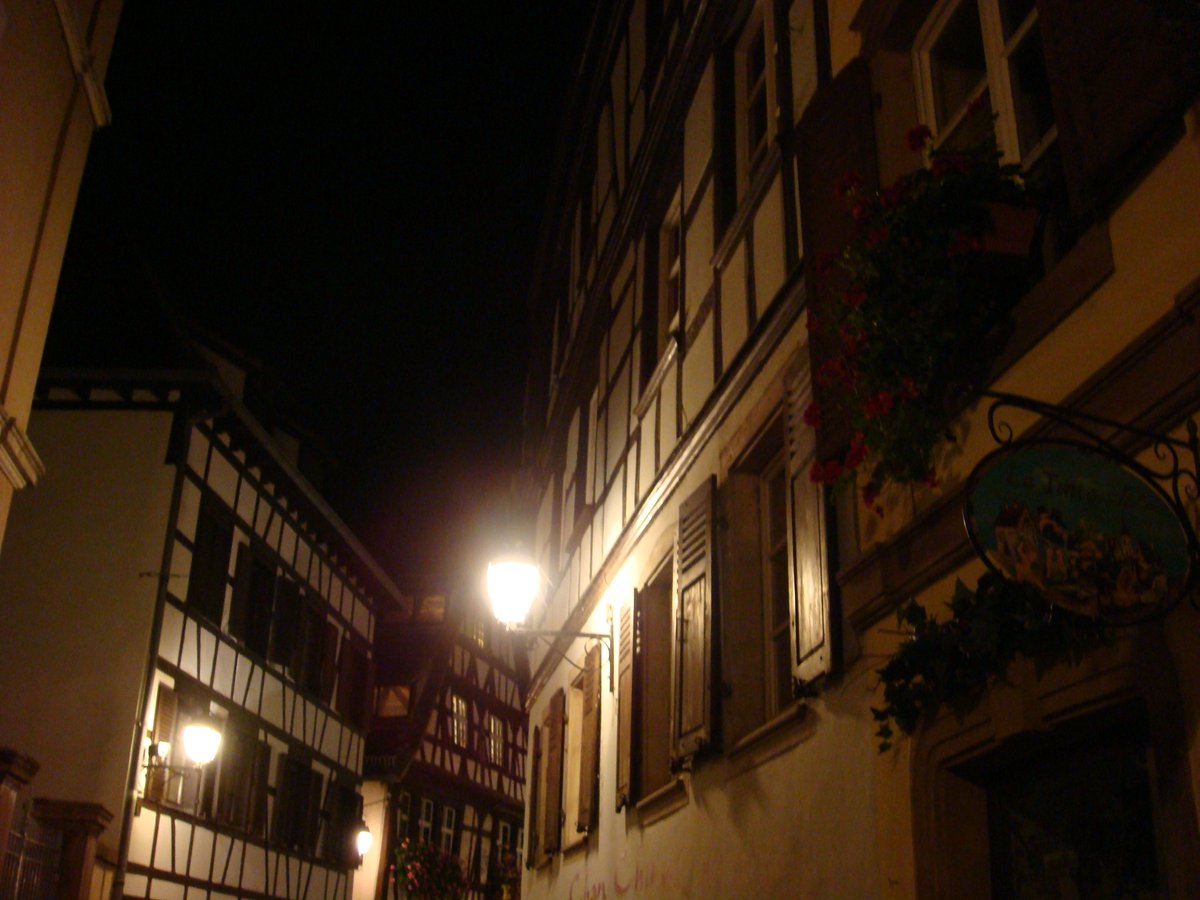
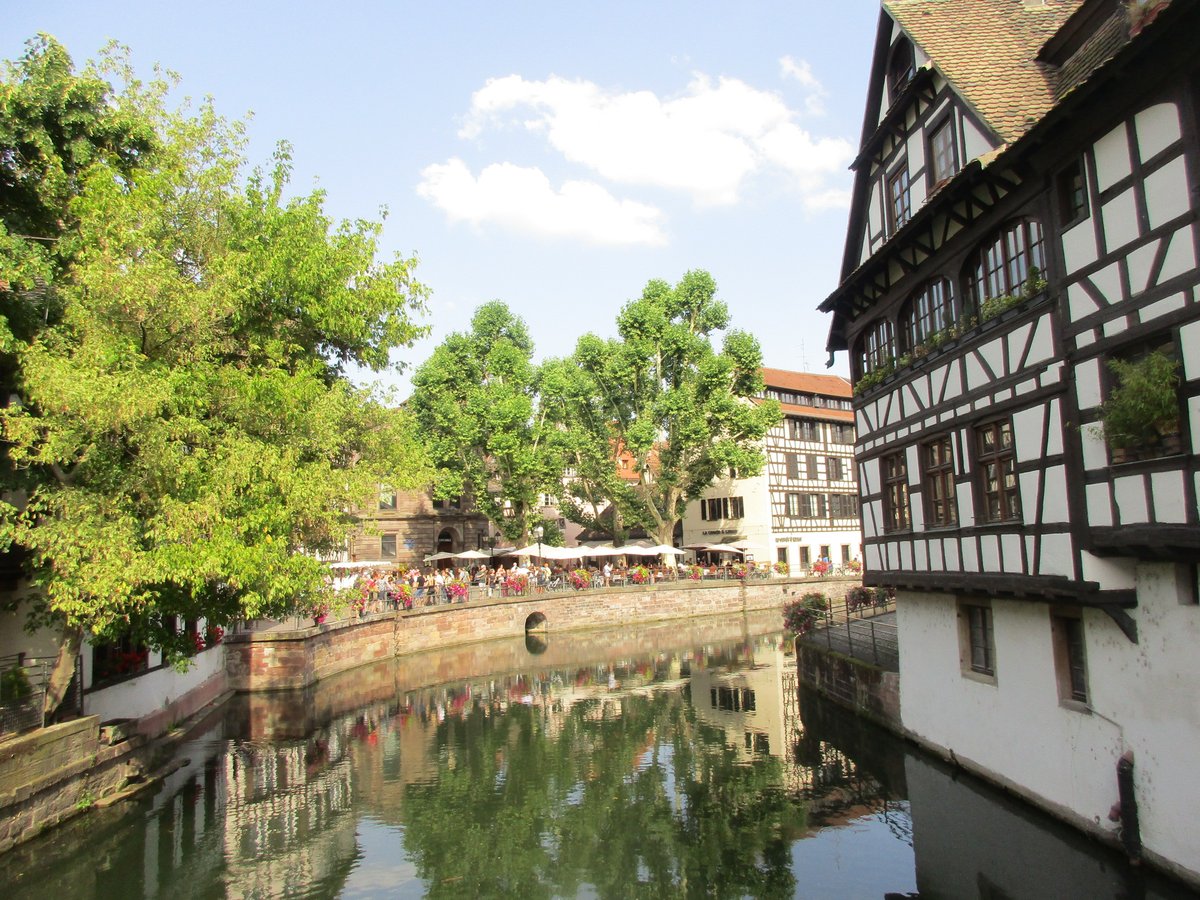
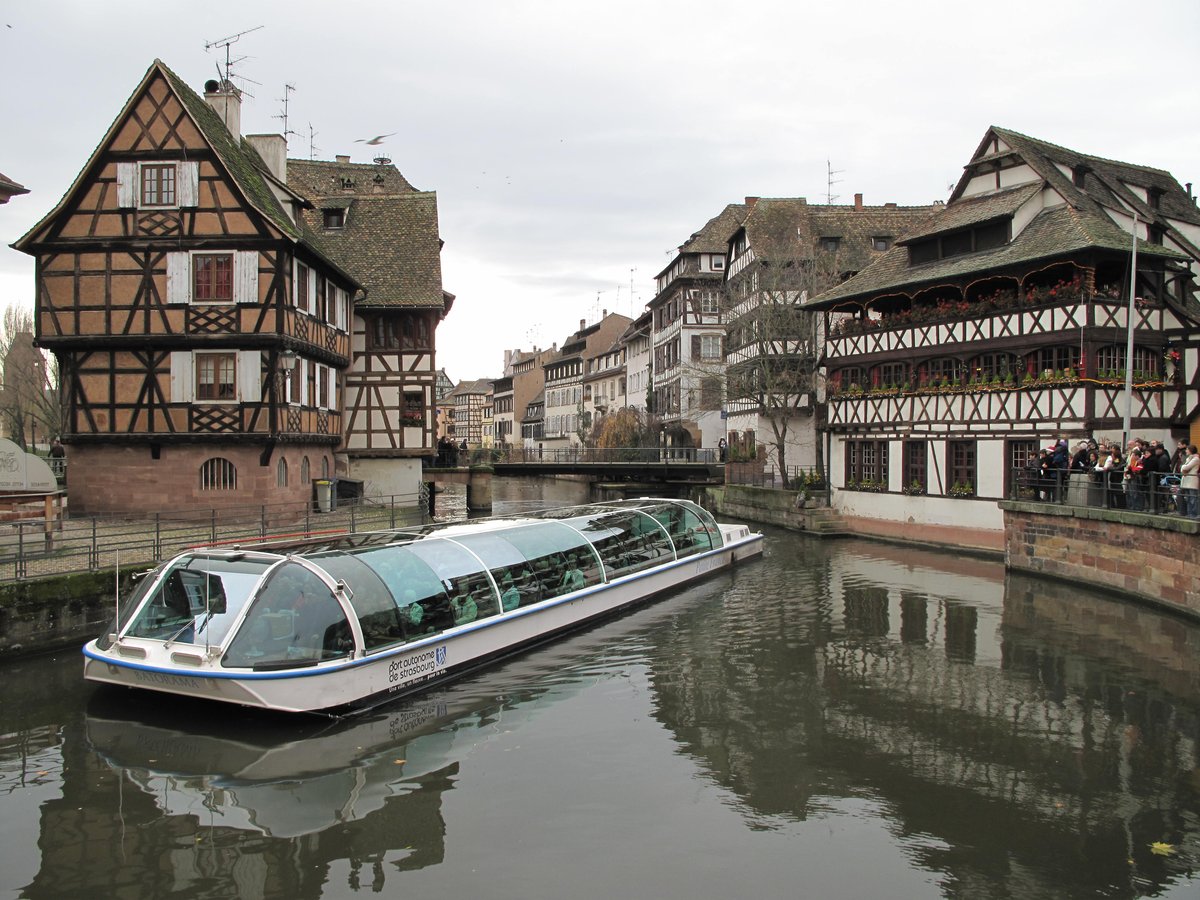
Scenic view of the Petite France neighborhood in Strasbourg showcasing historic half-timbered buildings along the canals in 2007
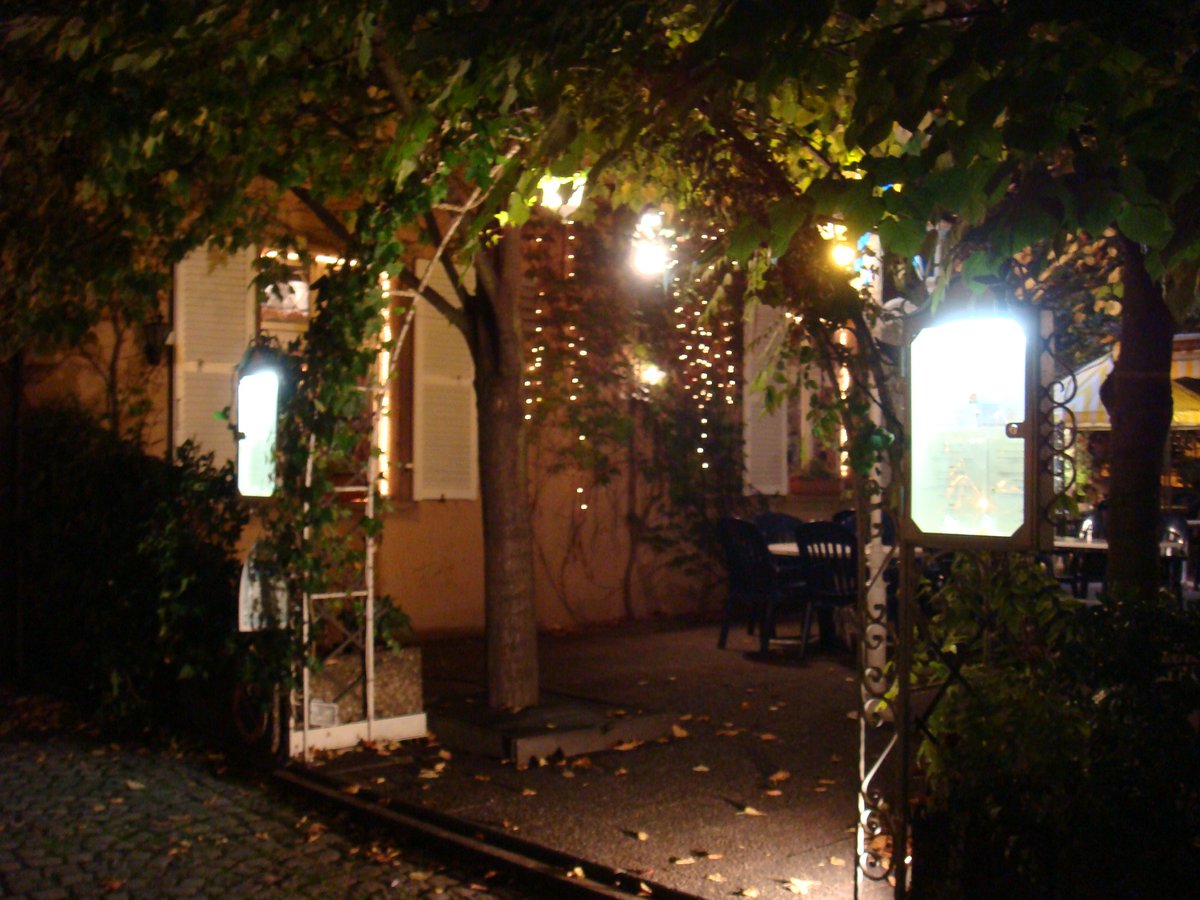
Scenic view of historic timber-framed houses along the canal in the Petite France district, Strasbourg, France in 2007
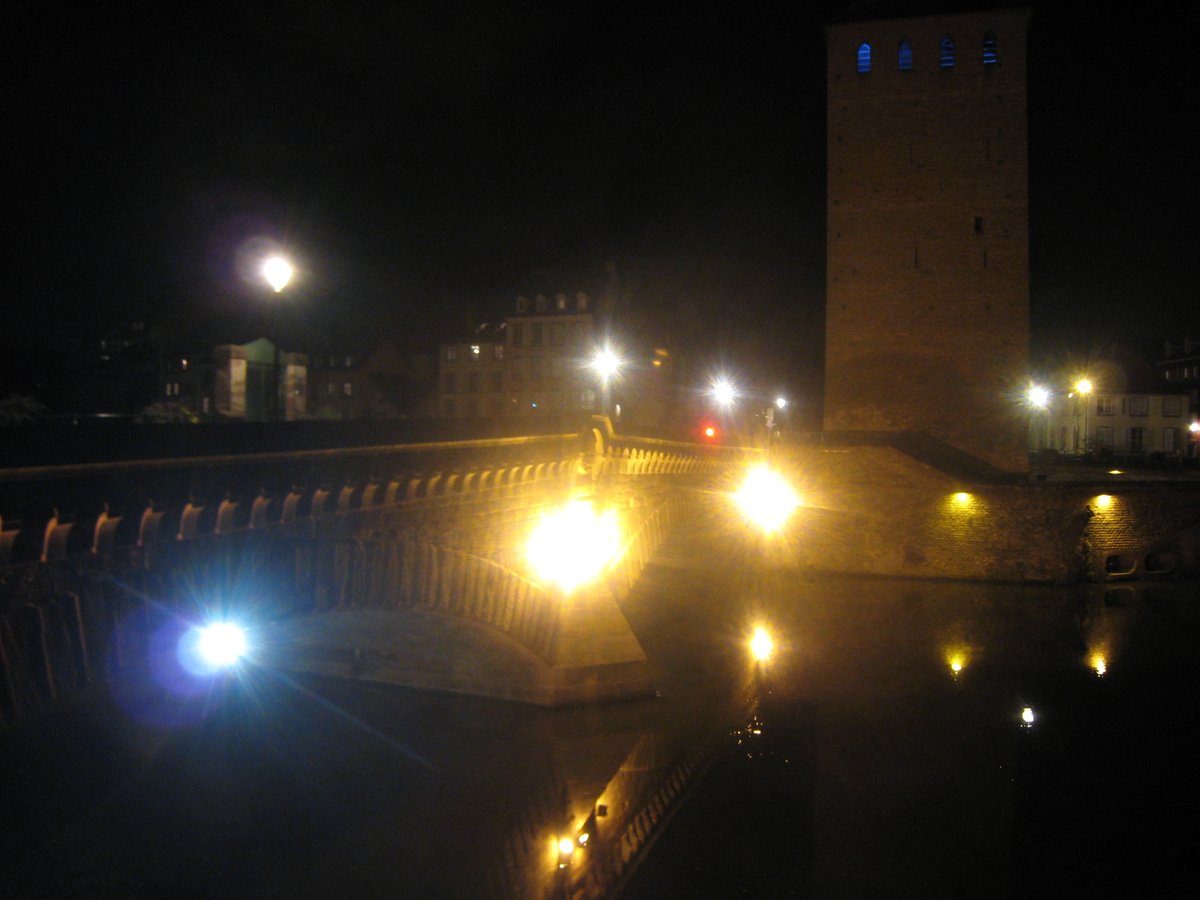
Scenic view of the Petite France district in Strasbourg featuring traditional half-timbered houses along the river in 2007
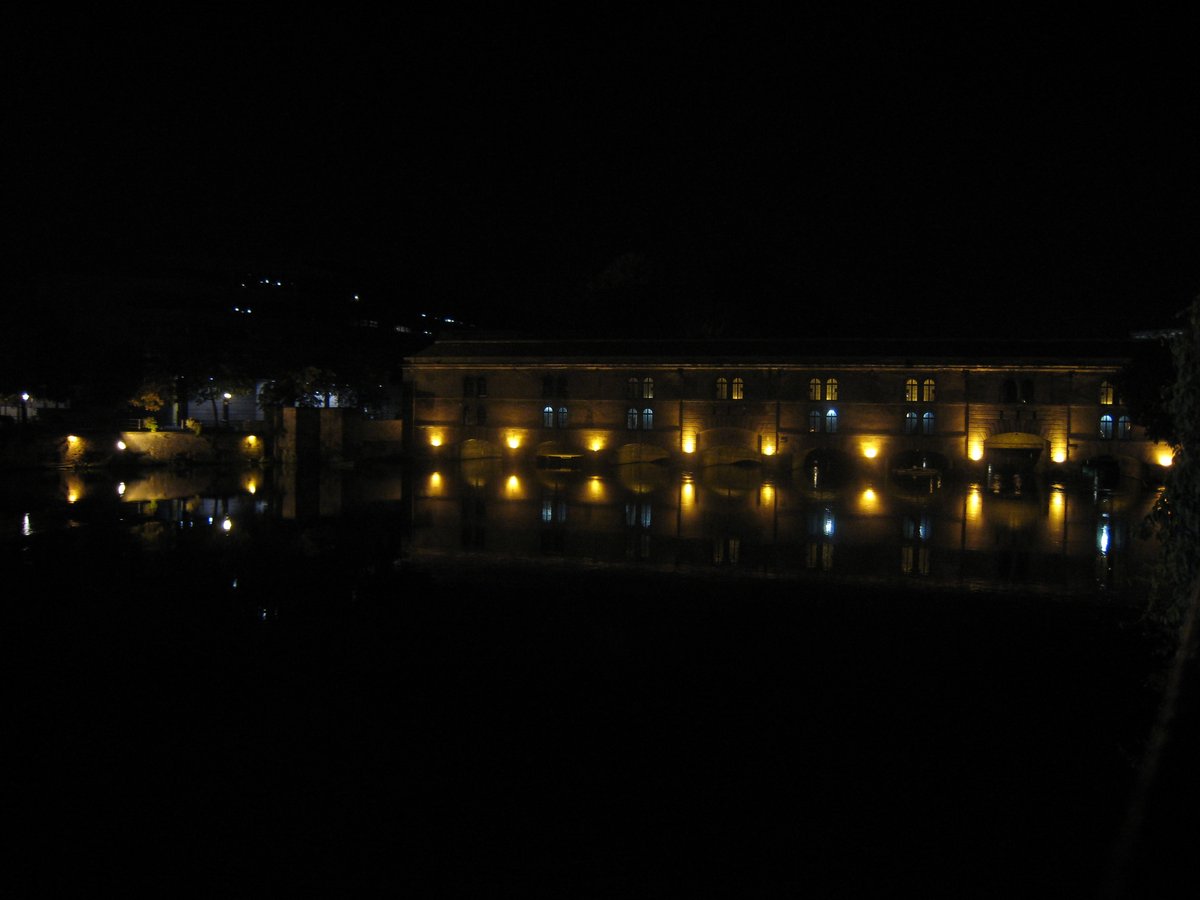
2007 photograph of Petite France in Strasbourg showcasing traditional half-timbered architecture along the Ill River
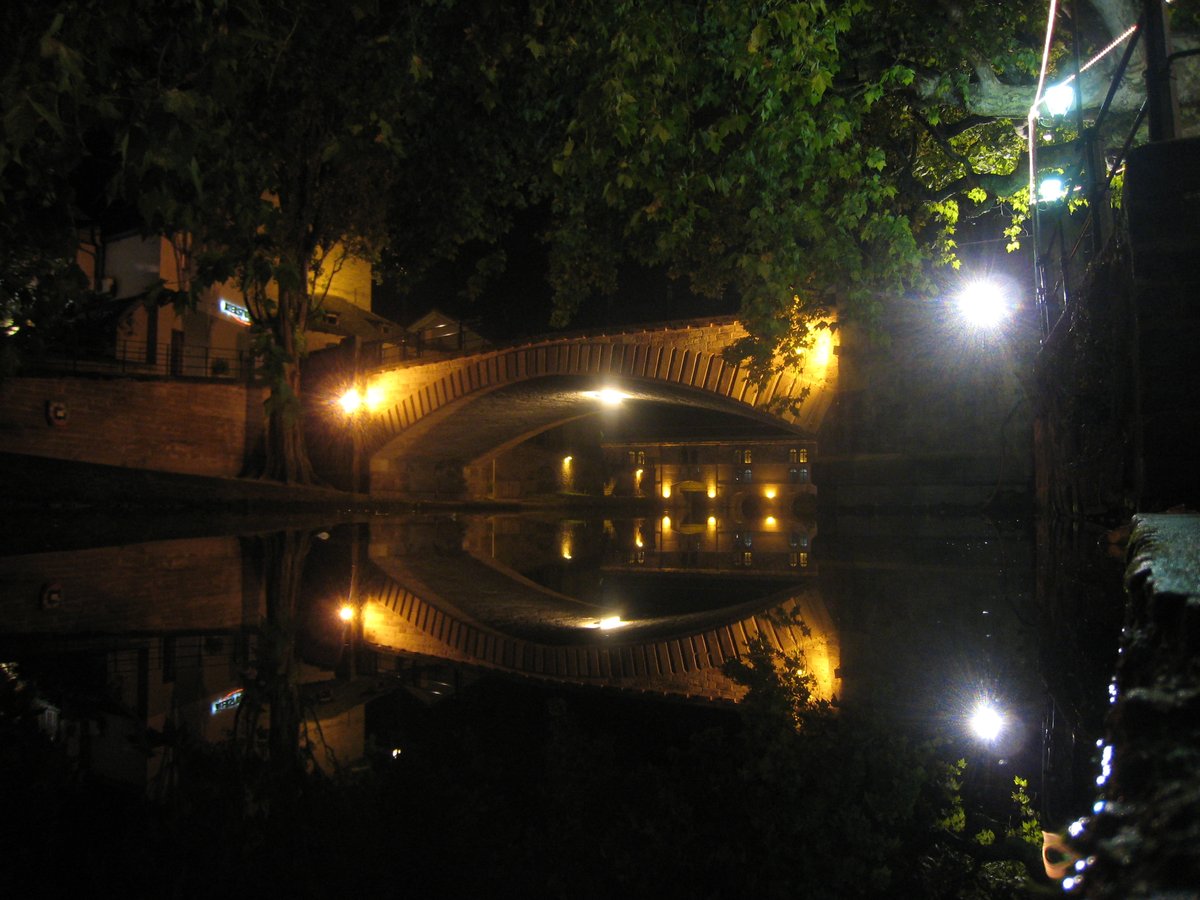
2007 image of Petite France in Strasbourg featuring charming half-timbered buildings by the river in the historic district
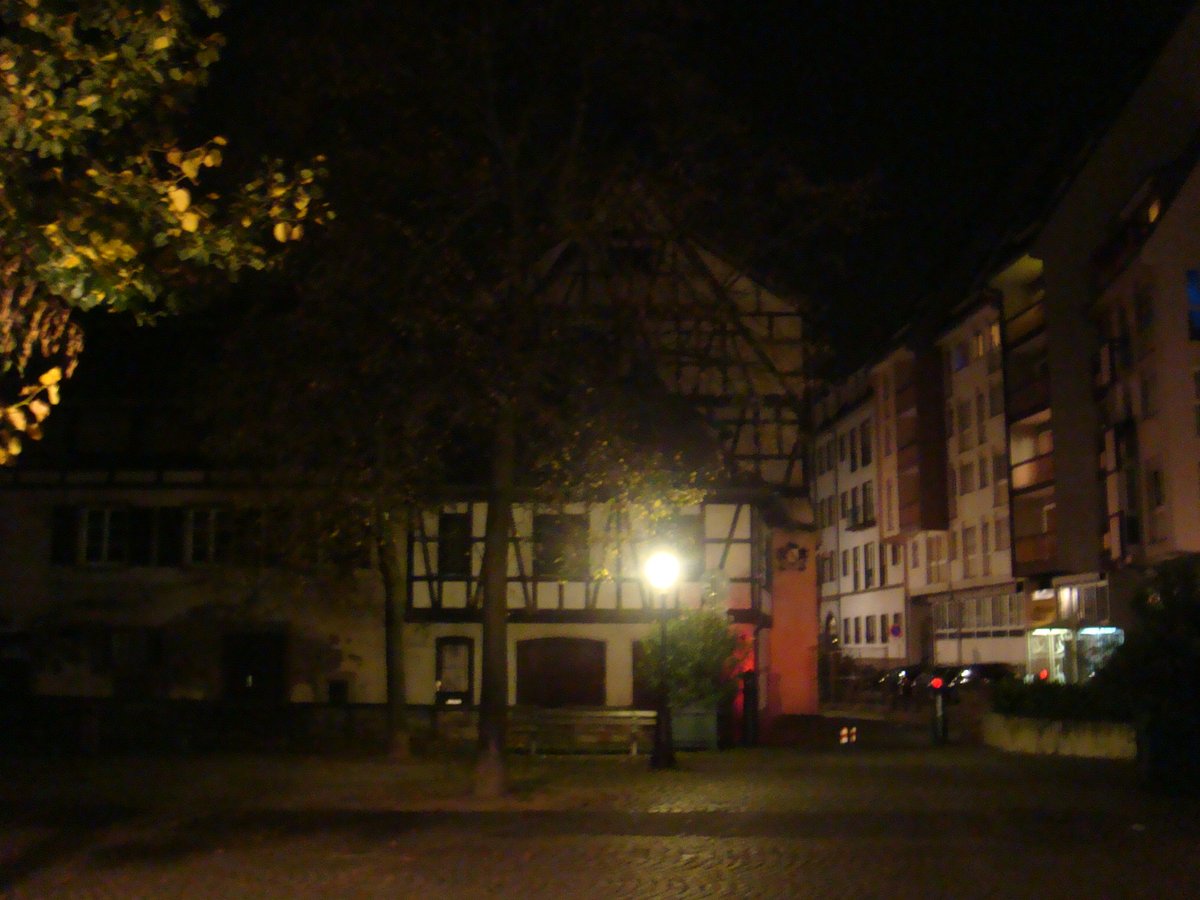
Scenic 2007 photo of Petite France in Strasbourg highlighting traditional half-timbered houses along the river, showcasing historic architecture and charming atmosphere
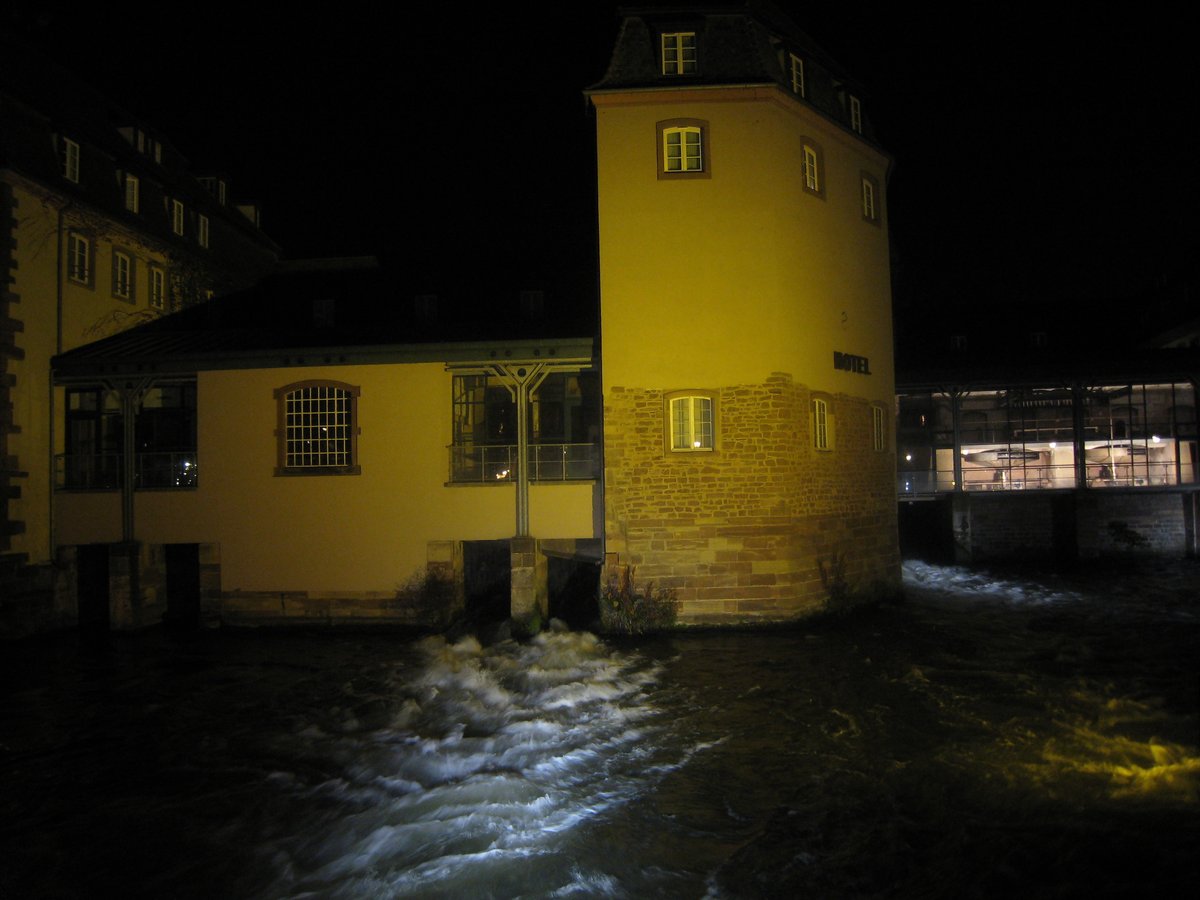
View of Petite France in Strasbourg in 2007 showing historic half-timbered houses and canals, a popular tourist attraction in France
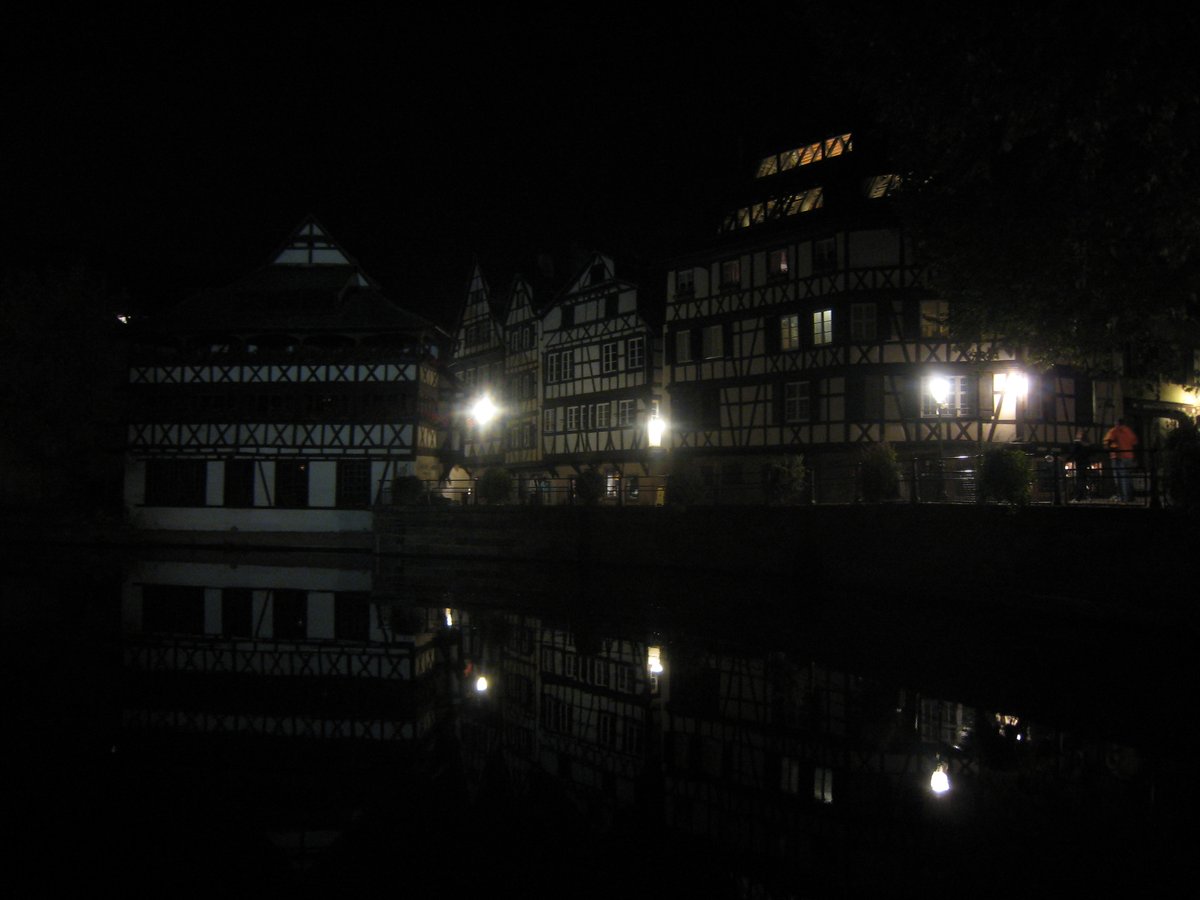
View of the charming half-timbered buildings along the river in Petite France district of Strasbourg in the year 2007
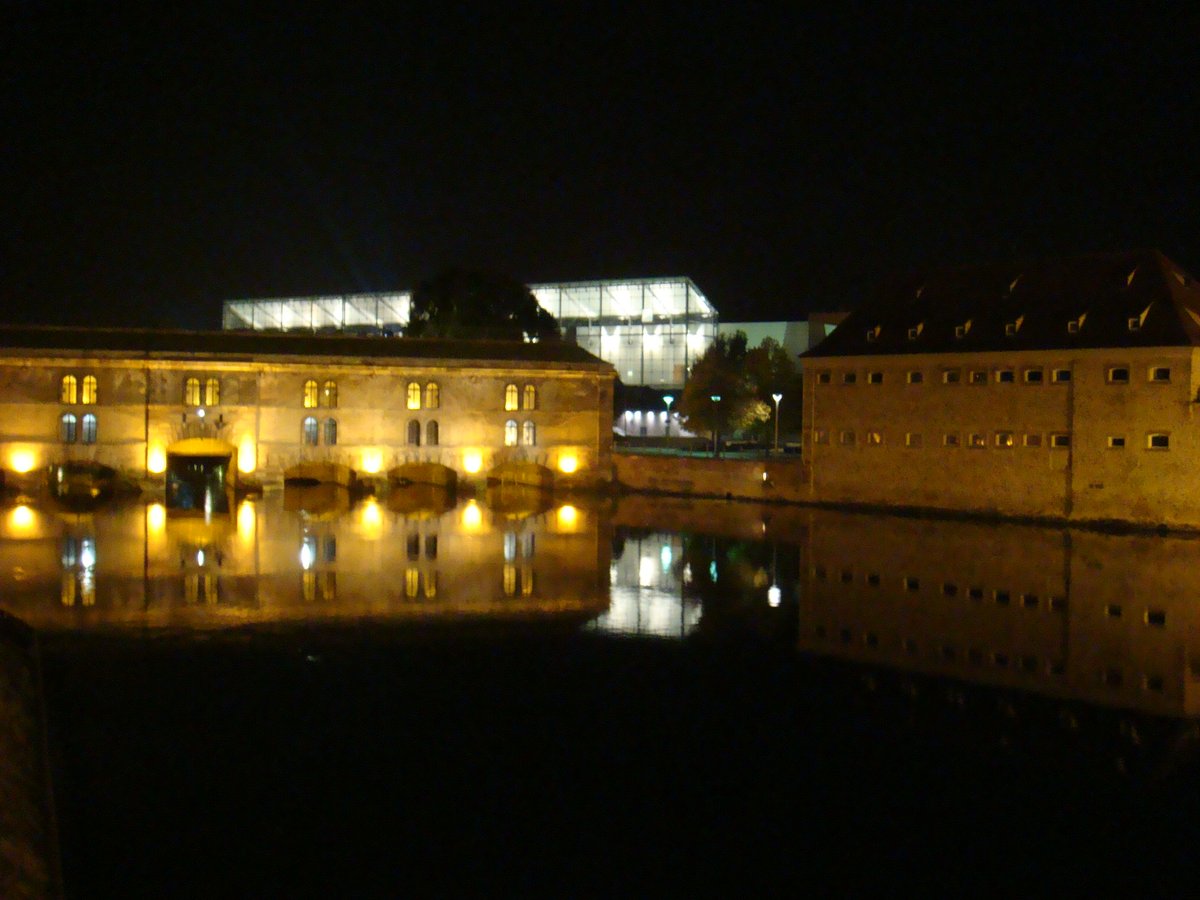
Scenic view of Petite France district in Strasbourg featuring historic half-timbered houses along the river captured in 2007
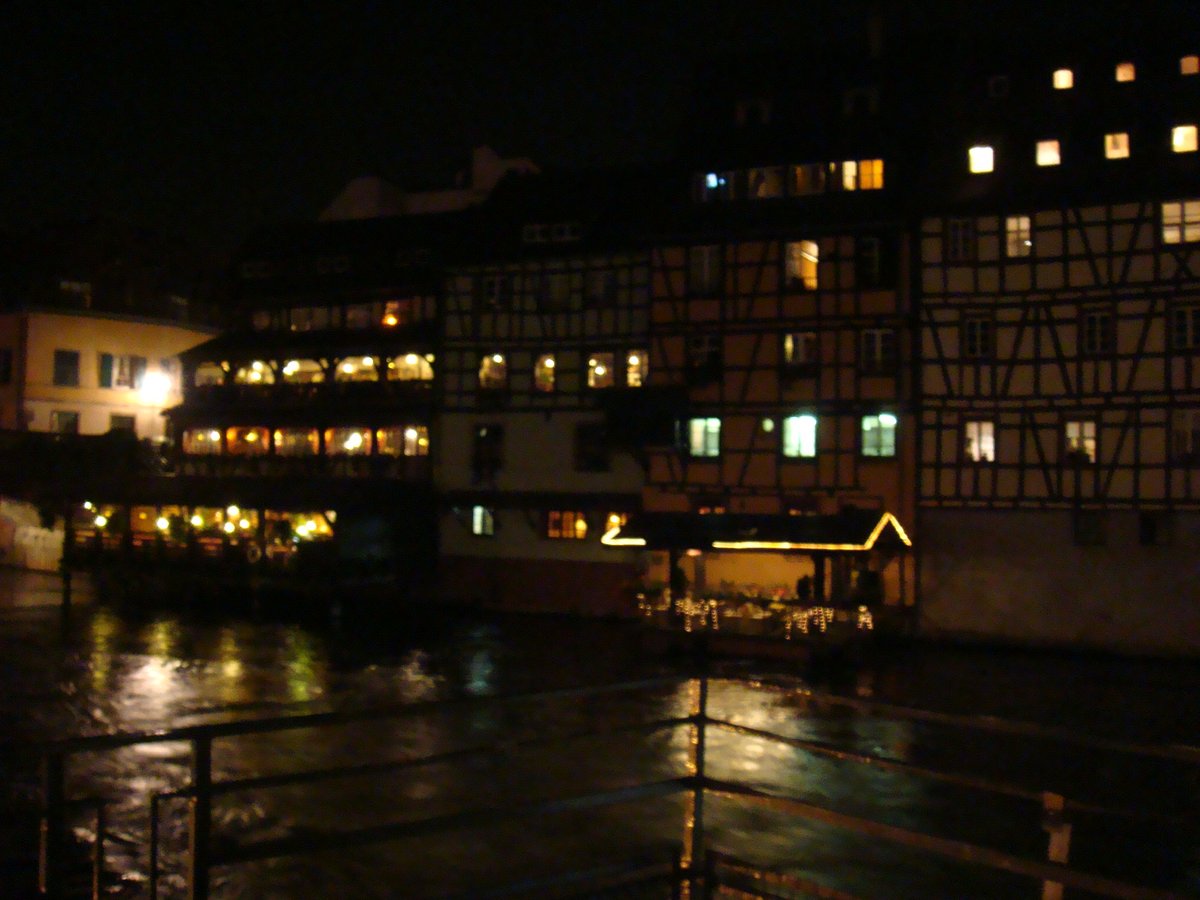
Scenic 2007 photograph of Petite France district in Strasbourg featuring traditional half-timbered houses lining the river, showcasing the historic charm and architecture of this iconic area
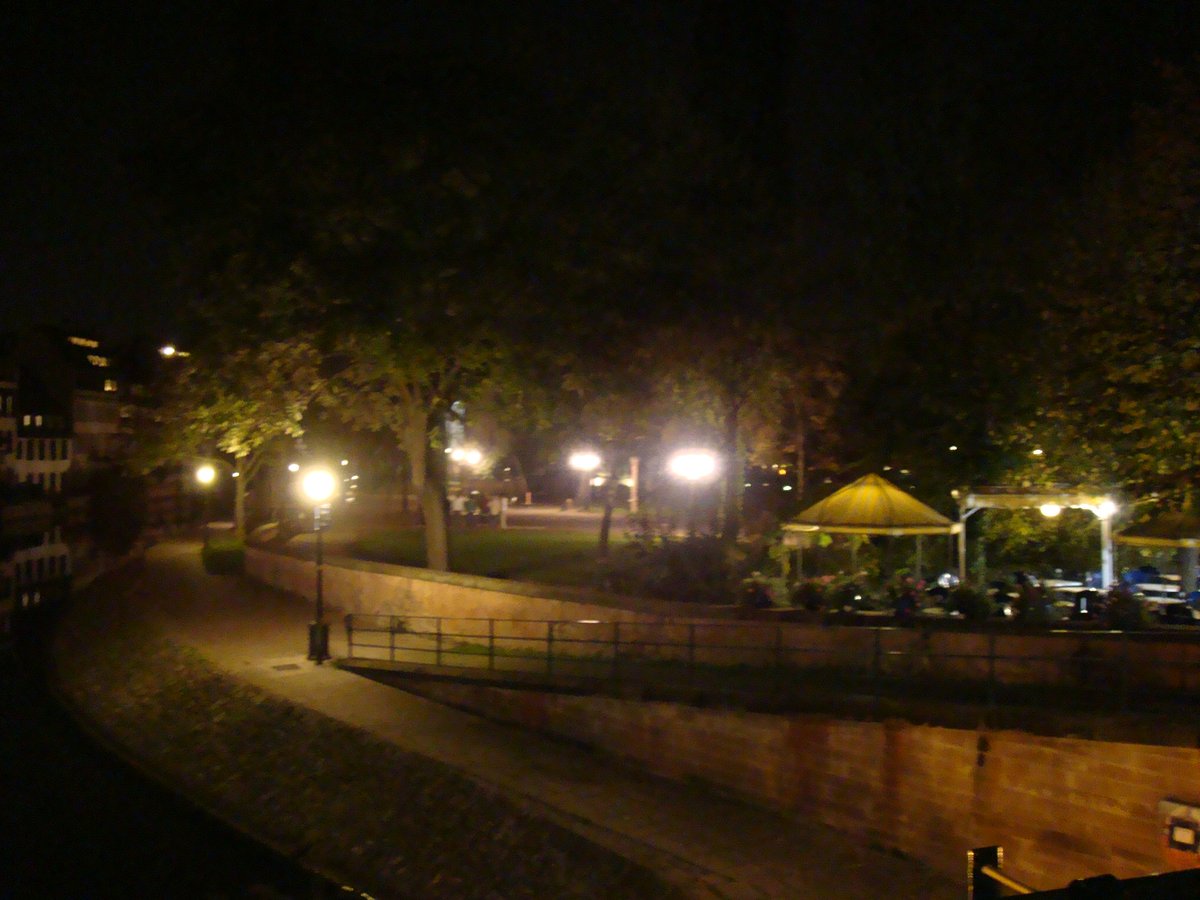
A 2007 photograph of Petite France, a historic district in Strasbourg known for its picturesque half-timbered houses and scenic river views.
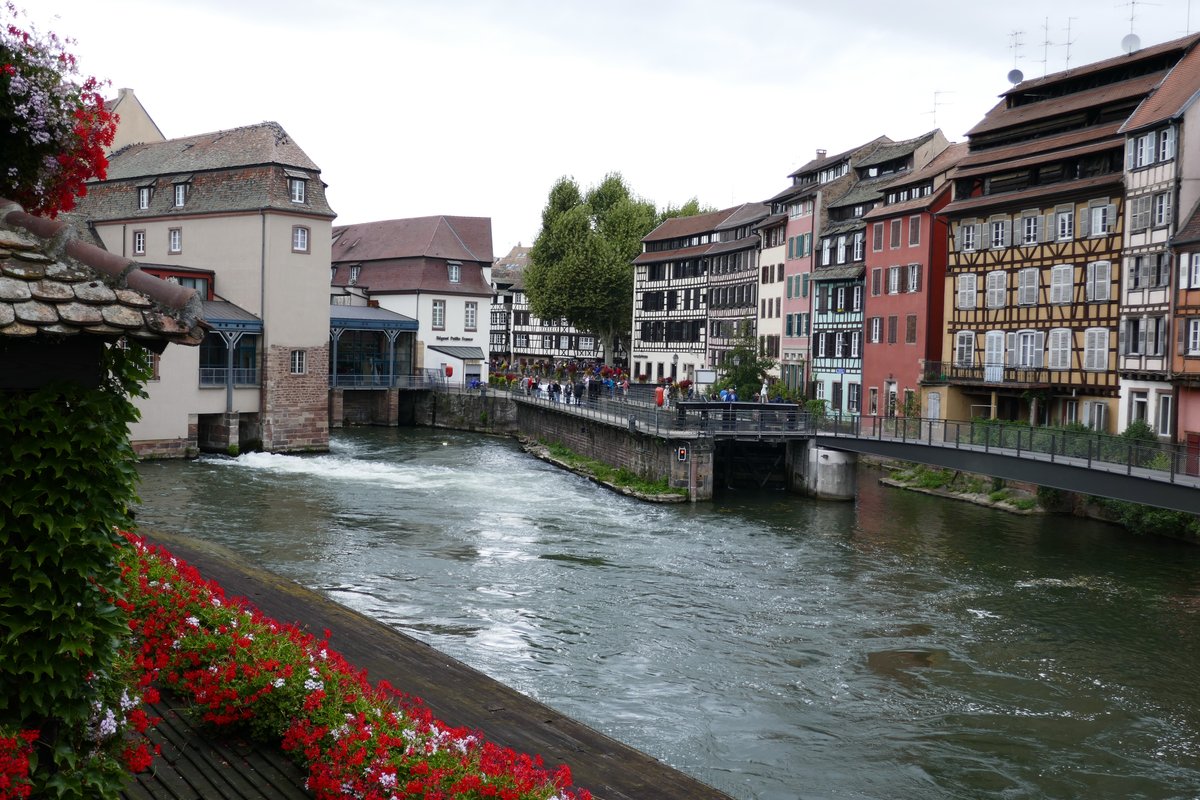
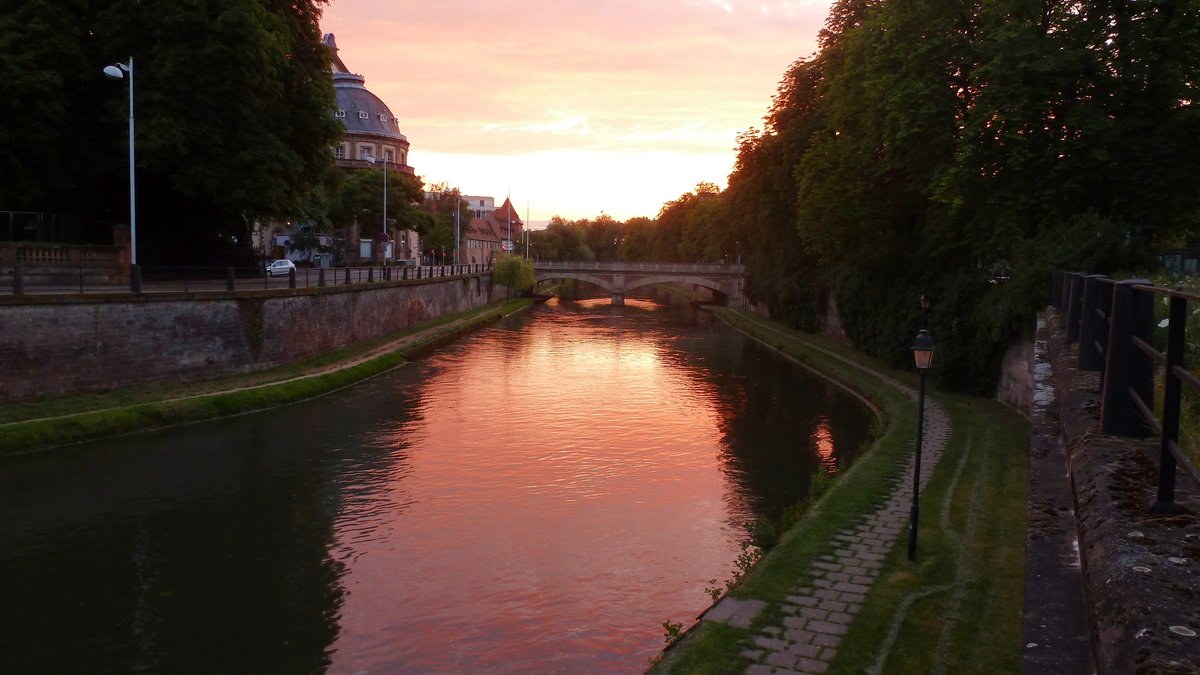
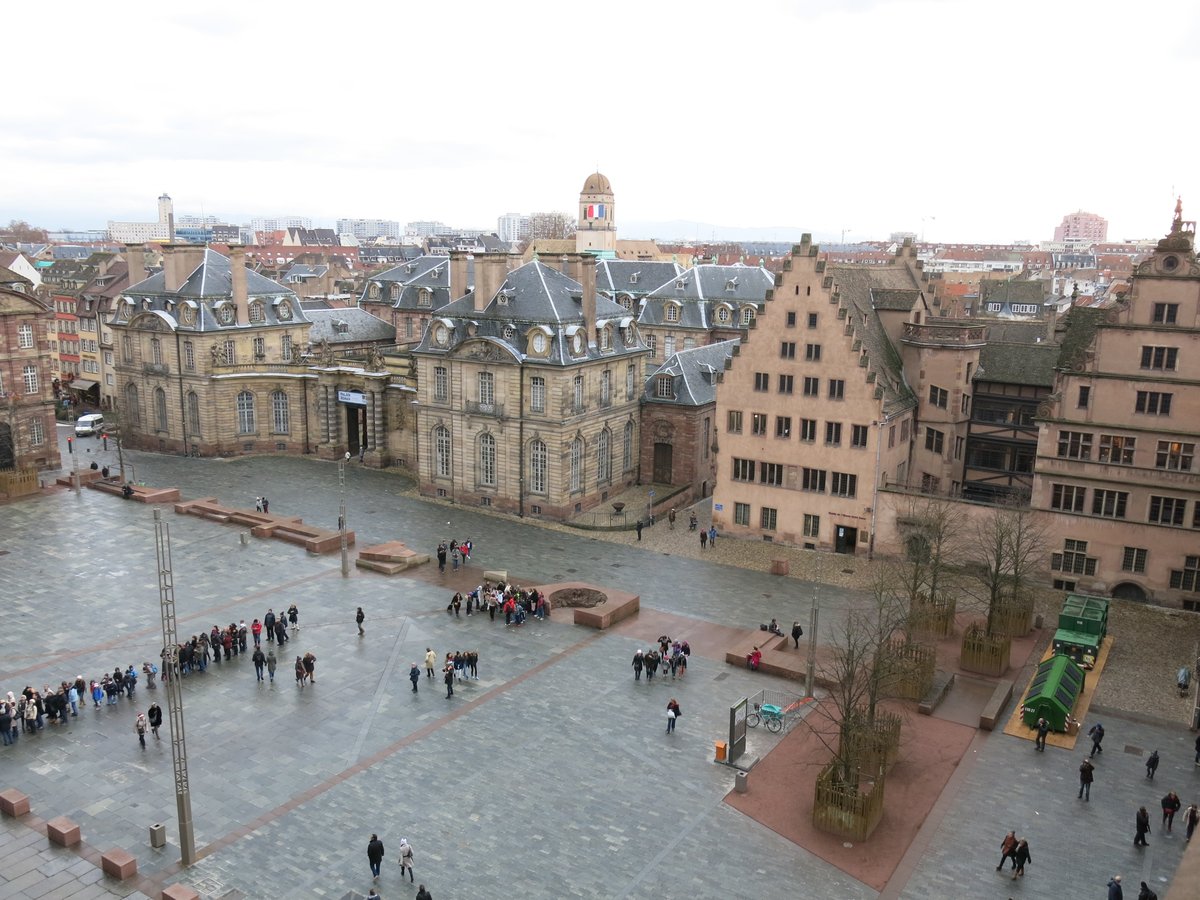
A panoramic view of Strasbourg on August 24, 2018, showcasing historic buildings along the river and the cityscape under a partly cloudy sky.
The Medieval Origins of Petite France
Petite France’s roots date back to the Middle Ages, when its prime location at the confluence of the River Ill and the Canal du Faux-Rempart made it a bustling hub for water-dependent trades. By the 14th and 15th centuries, tanners, millers, and fishermen dominated the district, utilizing the waterways for both industry and daily life. Many of the area’s distinctive half-timbered houses, constructed in the 16th and 17th centuries, feature open attics designed for drying hides, a testament to the tanning industry’s influence (Travelers Universe; Enjoy Strasbourg).
The district’s industrial past is further reflected in its narrow streets, canals, and weirs, which powered mills and facilitated the tanning process. The historic Maison des Tanneurs, built in 1572, stands as an enduring symbol of this era.
The Name “Petite France”: History and Significance
The name "Petite France" carries a poignant historical legacy. In the late 15th and early 16th centuries, a hospice was established in the Tanners’ Quarter to treat French and Swiss mercenaries suffering from syphilis, then known as the “French disease.” The hospital, colloquially called "Zum Französel" (the Little Frenchman), eventually lent its name to the entire neighborhood (French Moments; My Weekend in Alsace). While the area was once marginalized due to this association, today the name is embraced as a symbol of the district’s resilience and heritage (Visit France Guide).
Economic and Social Transformation
Petite France remained a working-class district through the 17th and 18th centuries, sustained by the tanning, milling, and fishing trades. The area’s fortunes were closely tied to Strasbourg’s shifting status between French and German control—a testament to Alsace’s complex history (Travel Setu).
The 19th century saw the decline of traditional industries and the rise of tourism and preservation. Restoration efforts in the late 19th and early 20th centuries helped maintain Petite France’s unique architectural and cultural character (Travel Setu).
Architectural and Defensive Heritage
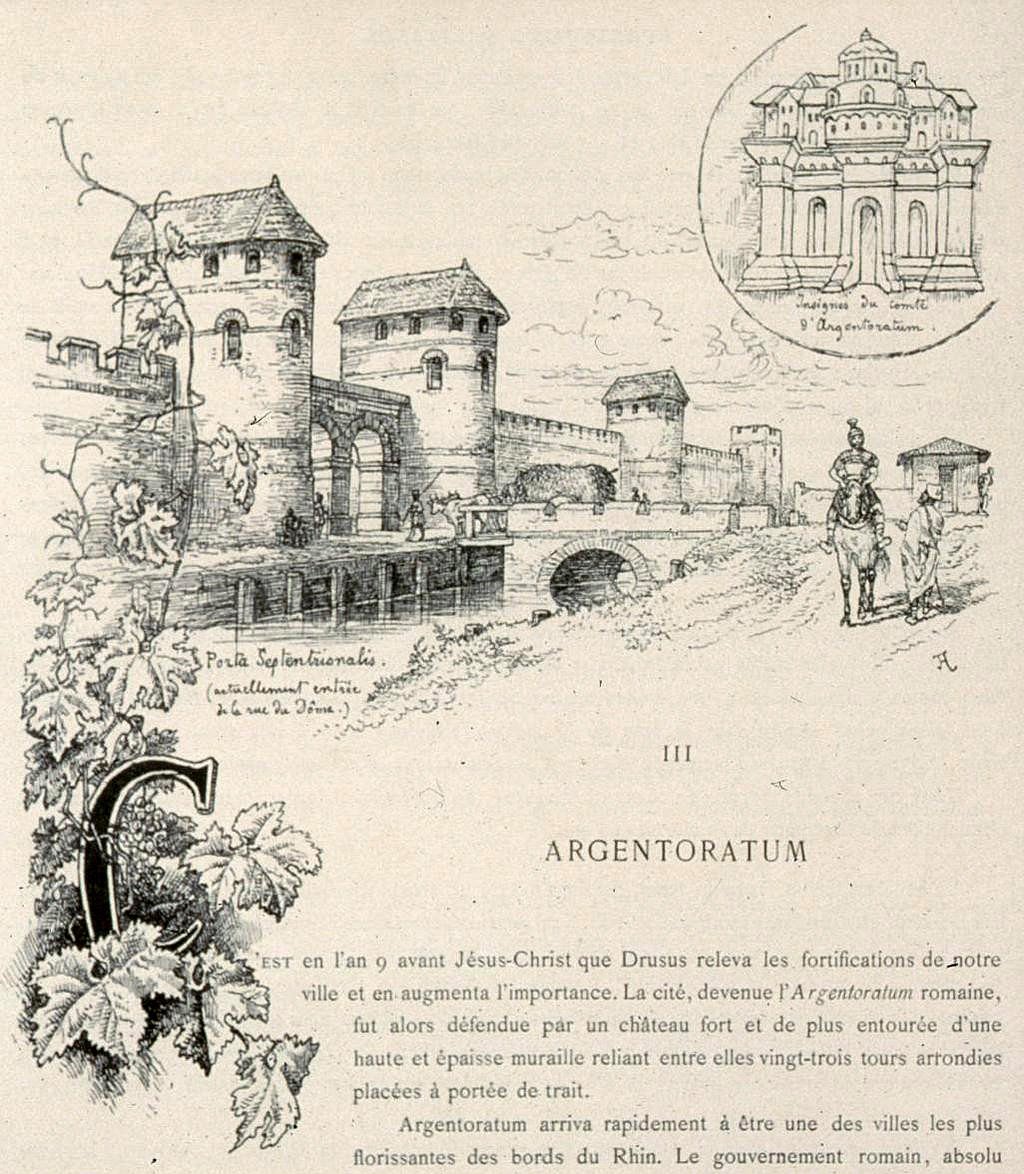
Petite France’s urban landscape is defined by its pastel-colored, half-timbered houses, cobblestone streets, and iconic bridges. The Ponts Couverts (Covered Bridges), built in the 13th century, were a critical part of the city’s medieval defenses and remain flanked by four imposing towers (Enjoy Strasbourg).
The Barrage Vauban (Vauban Dam), constructed in the late 17th century by military engineer Vauban, was designed to flood the southern approaches to Strasbourg during sieges. Today, it serves as both a historical monument and a panoramic viewing platform (My Weekend in Alsace).
Practical Visitor Information: Hours, Tickets, Accessibility
General Access
- Petite France district: Open 24/7 with free public access; no ticket required.
Key Sites & Hours
- Maison des Tanneurs: Open daily for dining, typically 11:30 AM–10:00 PM. No entry fee (restaurant).
- Ponts Couverts: Accessible at all times, year-round, free of charge.
- Barrage Vauban: Open daily (April–October: 9:00 AM–6:00 PM; November–March: 10:00 AM–5:00 PM). Free entry.
- Boat Tours (Batorama): Depart from the quay near Palais des Rohan, daily from 10:00 AM–5:30 PM (extended hours in summer). Tickets from €14 adults, €7 children (CN Traveller).
- Alsatian Museum (nearby): Open Tuesday–Sunday, 10:00 AM–6:00 PM. Tickets ~€6.
Accessibility
- The district is pedestrian-friendly, though cobblestone streets and some historic bridges may be challenging for those with mobility issues.
- Most main thoroughfares are accessible; some older buildings have limited access.
- Public transport: Accessible by tram and bus; parking available at Parking Austerlitz and Parking Gutenberg.
Travel Tips and Nearby Attractions
- Best Time to Visit: Early morning or late afternoon for fewer crowds and excellent light for photography.
- Special Events: The Strasbourg Christmas Market (late November–December) transforms the district into a festive wonderland (France Travel Blog).
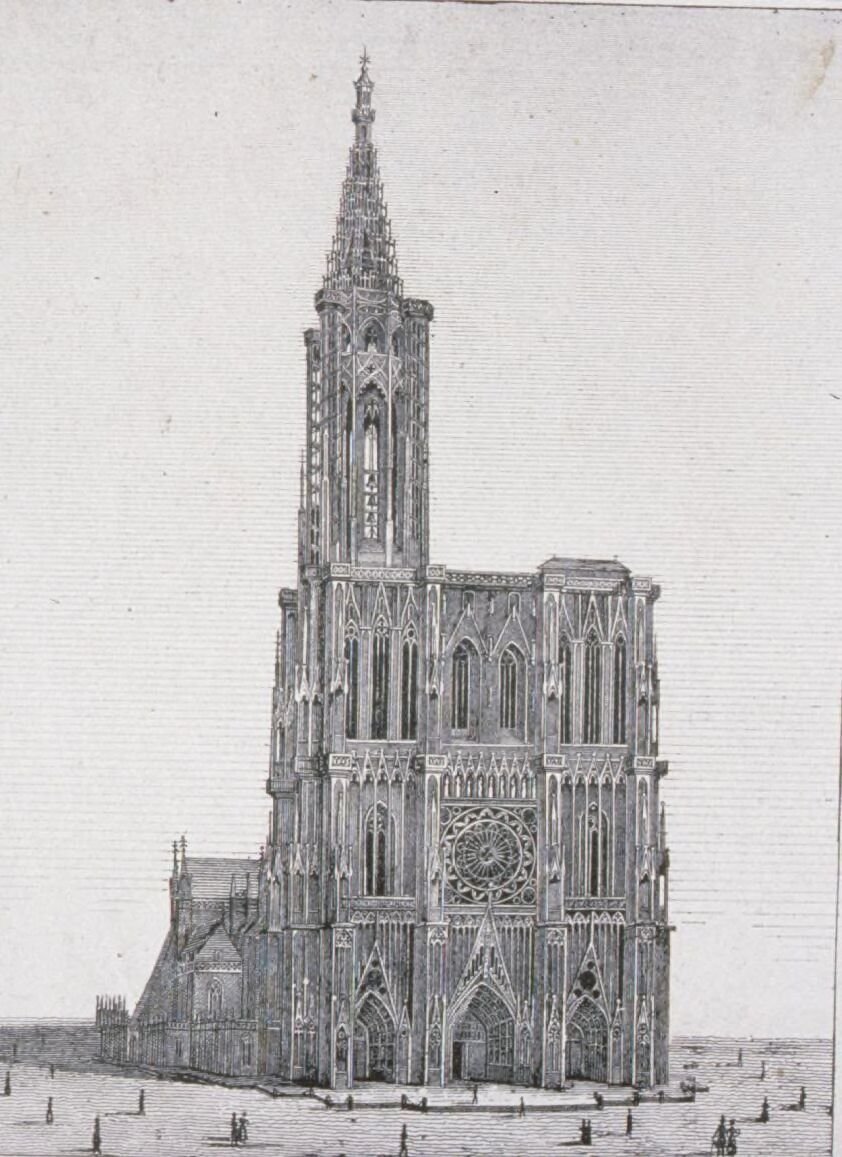
- Nearby Sights: Strasbourg Cathedral, Place Kléber, European Parliament, and Alsatian Museum are all within easy reach.
- Guided Tours: Walking and boat tours can be booked online or through the Strasbourg Tourist Office.
Cultural Significance and Notable Figures
Petite France is a microcosm of Strasbourg’s broader Franco-German heritage, visible in its language, cuisine, and traditions (Visit France Guide). The district is associated with influential figures such as General Jean-Baptiste Kléber and illustrator Benjamin Zix (My Weekend in Alsace). Its culinary culture thrives in winstubs and bakeries, serving specialties like choucroute garnie and kougelhopf (France Rent).
From Industrial Quarter to UNESCO World Heritage Site
Petite France’s transformation from a marginalized working-class neighborhood to a cherished heritage site is a story of urban renewal and preservation. In 1988, Strasbourg’s Grande Île, including Petite France, was designated a UNESCO World Heritage Site (Travel France Online). This recognition has led to sustained conservation efforts and the careful blending of modern tourism with historic preservation.
Historical Events and Visitor Experience
The district’s layered history is visible in its built environment, from the scars of its industrial past to its role in Strasbourg’s defense. Seasonal events—especially the Christmas markets—draw on centuries-old traditions and bring the area to life (Enjoy Strasbourg). Multimedia exhibits and guided tours offer deeper insight into Petite France’s evolution.
Preservation and Sustainable Tourism
Sustainable tourism practices are emphasized, with small-group tours, pedestrianization, and eco-friendly businesses. The district’s enduring appeal lies in its blend of historical authenticity and modern vibrancy (Travel Setu; The Good Life France).
Frequently Asked Questions (FAQ)
Q: What are the visiting hours for Petite France?
A: The district is open to the public 24/7. Key attractions have individual hours, usually 9:00 AM–6:00 PM.
Q: Is there an entrance fee?
A: No, access to the district is free. Fees apply to some attractions and tours.
Q: Are guided tours available?
A: Yes, both walking and boat tours are offered in multiple languages.
Q: Is the area accessible for people with disabilities?
A: Main areas are accessible, though cobblestones and some historic sites may present challenges.
Q: Where can I get tickets for boat tours?
A: Tickets are available online and at the quay near Palais des Rohan.
Enhance Your Visit: Visuals and Further Exploration
- For maps, virtual tours, and photo galleries, visit the official Strasbourg tourism website.
- Alt tags such as "Petite France Strasbourg visiting hours" and "Strasbourg historical sites" improve accessibility and help with trip planning.
Discover More
Petite France stands as a vibrant testament to Strasbourg’s intricate history, cultural fusion, and commitment to preservation. Its scenic canals, medieval streets, and festive atmosphere offer an immersive journey through the heart of Alsace. Use official resources and mobile guides like Audiala for up-to-date information, and plan your visit to experience one of Europe’s most captivating quarters (Travel France Online; Enjoy Strasbourg; Mon Week-End en Alsace; Full Suitcase).
Ready to explore Petite France? Download the Audiala app for curated audio guides, follow us on social media for updates, and consult the Strasbourg Tourist Office for the latest events and travel tips.
Listen to the full story in the app
Your Personal Curator, in Your Pocket.
Audio guides for 1,100+ cities across 96 countries. History, stories, and local insight — offline ready.
Audiala App
Available on iOS & Android
Join 50k+ Curators
Sources
- verified
- verified
- verified
- verified
- verified
- verified
- verified
- verified
- verified
- verified
- verified
- verified
- verified
- verified
- verified
Last reviewed: