Introduction
The Musée Zoologique de la Ville de Strasbourg is a landmark of scientific heritage, public education, and cultural vitality in the heart of Strasbourg, France. Established in 1804 with the acquisition of Jean Hermann’s renowned natural history collections, the museum has grown into one of Europe’s richest zoological repositories, now housing over 1.5 million specimens. Its close ties to the University of Strasbourg have made it a hub for research and academic pursuit, while its public-facing exhibitions and workshops foster greater appreciation for biodiversity and environmental stewardship.
Currently, the museum is undergoing a €13 million renovation as part of the Opération Campus initiative. This ambitious project preserves the building’s neo-Renaissance architecture while introducing innovative exhibition design, interactive digital installations, and improved accessibility. Scheduled to reopen in September 2025, the museum will offer an engaging experience for visitors of all ages and backgrounds.
This guide provides essential information for planning your visit, including historical context, collection highlights, practical visiting details, accessibility features, and tips to enhance your experience. For the latest updates and virtual resources, consult the museum’s official channels and the Audiala app. Explore Strasbourg’s zoological legacy and discover the wonders of the natural world at the Musée Zoologique de la Ville de Strasbourg (Wikipedia; Strasbourg.eu; VisitStrasbourg.fr).
History and Development
Origins and Early Growth
The museum’s origins date to 1804, when Strasbourg acquired Johann Hermann’s (1738–1800) extensive natural history collection. Initially displayed in Hermann’s residence, the collection moved several times, ultimately finding a permanent home in the city’s university district (Wikipedia). The museum’s early mission was to support public education and scientific research—priorities that remain central today (je-visite-strasbourg.fr).
University Integration and Expansion
After the Franco-Prussian War, Strasbourg became the capital of Alsace-Lorraine under German administration, leading to the reestablishment of the University of Strasbourg in 1872. The museum’s collections were placed under university stewardship, and a new neo-Renaissance building was constructed between 1890 and 1893 at 29 boulevard de la Victoire (Wikipedia). This partnership strengthened the museum’s role as a center for academic research and public engagement.
Collection Growth and Scientific Significance
Over the years, the museum’s collections have expanded to over 1.5 million specimens, making it one of France’s richest zoological repositories (je-visite-strasbourg.fr). The holdings include mammals, birds, insects, reptiles, amphibians, fish, and rare extinct species. In 2010, the museum acquired northeastern France’s first osteotheque (bone library), further enhancing its scientific value (Wikipedia). Many records are accessible via international databases like GBIF (GBIF).
Role in Public Life and Education
The museum has long held the “Musée de France” designation, highlighting its mission to conserve, study, and share its collections for public benefit (chr.grandest.fr). Its exhibitions guide visitors through global and regional fauna, emphasizing biodiversity, conservation, and the unique wildlife of Alsace (visitstrasbourg.fr).
Educational engagement is a priority, with dedicated workshops, hands-on activities, and thematic guided tours. The upcoming renovation expands spaces for interactive learning, digital installations, and participatory programming, all informed by public consultations (Metis Lab).
The 2019–2025 Renovation and Reopening Plans
The museum has been closed since September 2019 for a €13 million renovation as part of the Opération Campus initiative (jardin-sciences.unistra.fr). The project’s objectives include:
- Modernizing facilities for accessibility, safety, and conservation
- Creating immersive, interactive exhibition spaces
- Upgrading climate control and storage for specimen preservation
- Improving access for visitors with reduced mobility
- Expanding educational and community spaces
The museum is set to reopen on September 19, 2025, with thematic zones dedicated to the museum’s history, biodiversity, and current scientific challenges (jardin-sciences.unistra.fr).
Visitor Information
Location and Access
- Address: 29, boulevard de la Victoire, 67000 Strasbourg (strassburg.eu)
- Public Transport: Easily accessible via tram lines C, E, and F (stop “Université”) and bus routes. Biking and walking are convenient from nearby historical sites.
Visiting Hours
- Open: Tuesday to Sunday, 10:00–18:00
- Closed: Mondays and public holidays (strasbourg.eu)
Tickets and Booking
- Standard Admission: €7.50
- Reduced Admission: €3.50 (students, seniors, groups)
- Free Entry: For EU nationals under 26, children under 12, and on the first Sunday of each month
- Purchase: Online via the official museum website or at the entrance
- Guided tours and workshops: Available by reservation
Accessibility and Services
- Barrier-Free Access: Elevators, ramps, and adapted restrooms
- Family-Friendly: Stroller access, children’s workshops, interactive exhibits
- Amenities: Lockers, cloakrooms, seating areas, bookshop, plans for a café
- Multilingual Support: Expanded signage and digital guides in multiple languages
- Photography: Allowed without flash; tripods require permission
Highlights of the Collections and Exhibits
The museum houses over 1.5 million specimens, representing one of France’s most comprehensive zoological collections (France-Voyage; Artsupp).
Key Groups
- Invertebrates and Insects: Over 1 million specimens, including rare and extinct species
- Birds: 18,000 specimens displayed in dioramas, focusing on local and global avifauna
- Mammals: 10,000 specimens, including regional, rare, and extinct types
- Fish and Reptiles: Collections cover aquatic and terrestrial ecosystems
Notable Exhibits
- Jean Hermann’s Reconstructed Cabinet: Offers insight into 18th-century scientific exploration (France-Voyage)
- Dioramas and Habitat Reconstructions: Realistic settings from polar regions to tropical lakes
- Rare and Extinct Species: Great Auk, thylacine, passenger pigeon, and more
- Blaschka Glass Models and Auzoux Papier-Mâché Models: Unique historic teaching and scientific models
Educational and Interactive Spaces
- Dedicated children’s area with hands-on activities
- Semi-permanent thematic galleries on evolution and biodiversity
- Digital installations and multimedia exhibits (Artsupp)
Nearby Attractions and Travel Tips
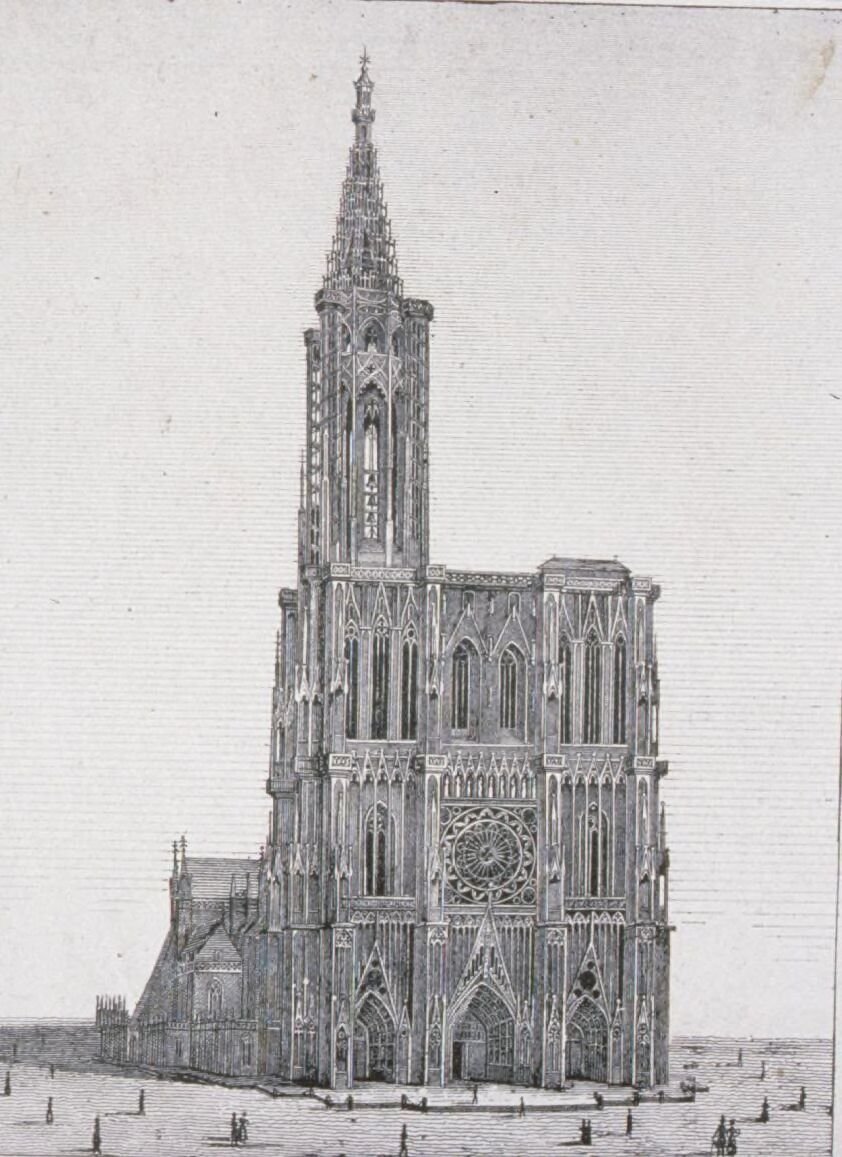
- Strasbourg Cathedral: Iconic Gothic architecture
- Palais Rohan: Art and archaeology museums
- Alsatian Museum and Museum Œuvre Notre-Dame: Regional history and art
- Botanical Garden: Adjacent to the museum, ideal for relaxing walks
- University of Strasbourg Campus: Historic and cultural significance
Travel Tip: Combine your museum visit with other nearby cultural sites for a full day of exploration. Cafés and parks are plentiful in the surrounding area.
Frequently Asked Questions (FAQ)
Q: When will the museum reopen?
A: Scheduled for September 19, 2025. Check official websites for updates.
Q: What are the visiting hours?
A: Tuesday to Sunday, 10:00–18:00; closed Mondays and public holidays.
Q: How do I purchase tickets?
A: Online or at the entrance; special rates for students, seniors, children, and groups.
Q: Is the museum accessible for people with disabilities?
A: Yes—elevators, ramps, and adapted facilities throughout.
Q: Are guided tours available?
A: Yes—book in advance for groups, families, and schools.
Q: Can I bring children?
A: Absolutely—interactive and educational areas are designed for families.
Q: Is photography allowed?
A: Yes, without flash. Tripods require prior approval.
Listen to the full story in the app
Your Personal Curator, in Your Pocket.
Audio guides for 1,100+ cities across 96 countries. History, stories, and local insight — offline ready.
Audiala App
Available on iOS & Android
Join 50k+ Curators
Sources
- verified
- verified
- verified
- verified
- verified
- verified
- verified
- verified
- verified
- verified
Last reviewed: