Introduction
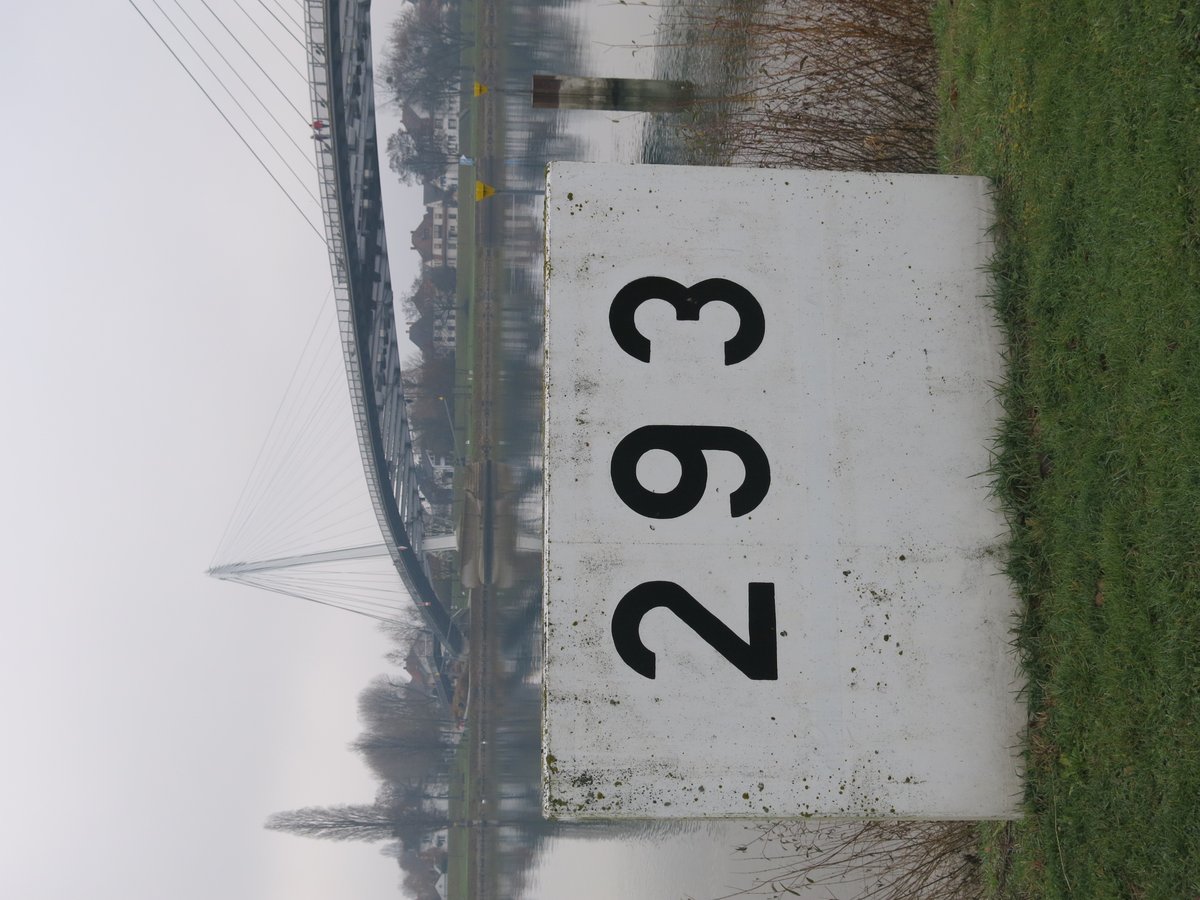
The Mimram-Brücke, also known as Pont Mimram, is a crucial piece of infrastructure in Strasbourg, France, representing the city's rich history, architectural evolution, and resilience. Positioned over the River Ill, this iconic bridge has served as a crucial crossing point since the 13th century. From early wooden constructions to the iron marvel designed by the esteemed engineer Gustave Eiffel in the 19th century, the bridge has adapted to numerous historical events. This guide delves into the intricate history, architectural significance, and contemporary relevance of the Mimram-Brücke, providing comprehensive visitor information and highlighting its socioeconomic impact on Strasbourg. Whether you're a history enthusiast, an architecture aficionado, or a curious traveler, the Mimram-Brücke offers a fascinating glimpse into Strasbourg's enduring legacy and continuous innovation (Strasbourg Tourism).
Photo Gallery
Explore Jardin Des Deux Rives in Pictures

Exploring the Mimram-Brücke in Strasbourg - History, Architecture, and Visitor Information
The Mimram-Brücke, also known as the Pont Mimram, stands as a testament to Strasbourg's rich history and architectural prowess. This bridge, far from being just a river crossing, embodies centuries of evolution, innovation, and resilience, reflecting the city's strategic importance and its people's enduring spirit.
A Bridge Through Time
The history of the Mimram-Brücke is intricately woven with the history of Strasbourg itself. The bridge's location, spanning the River Ill, has been a crucial crossing point for centuries. While the current structure dates back to the 19th century, its predecessors bore witness to significant historical events.
- Early Crossings - The earliest records suggest the existence of a wooden bridge at this location as early as the 13th century. This bridge served as a vital link for trade and communication, connecting Strasbourg to its surrounding regions.
- A City Fortified - As Strasbourg grew in importance, so did the need for a more robust and defensible bridge. In the 16th century, a covered wooden bridge, fortified with towers and gates, replaced its predecessor. This fortified bridge played a crucial role in the city's defense system.
- The Dawn of Iron - The 19th century ushered in an era of technological advancement, and Strasbourg embraced this change. In 1858, the city commissioned the construction of a new bridge, one that would harness the strength and durability of iron. This bridge, designed by the esteemed engineer Gustave Eiffel, marked a significant departure from traditional bridge-building techniques.
Eiffel's Legacy on the Ill
While Gustave Eiffel is best known for the iconic Eiffel Tower in Paris, his contributions to bridge engineering are equally noteworthy. The Mimram-Brücke stands as a testament to his ingenuity and his mastery of iron as a construction material.
- A Triumph of Iron - The Mimram-Brücke was one of the first bridges in the region to be constructed entirely of iron. This innovative use of materials allowed for a wider and more elegant span, a stark contrast to the bulky stone bridges of the past.
- Form and Function in Harmony - Eiffel's design seamlessly blended functionality with aesthetics. The bridge's graceful arches, intricate latticework, and decorative elements showcased the beauty and versatility of iron, transforming a utilitarian structure into an architectural marvel.
- A Legacy of Innovation - The Mimram-Brücke served as a model for future bridge designs, inspiring engineers and architects across Europe. Its construction marked a turning point in bridge-building, paving the way for the widespread adoption of iron and steel as primary construction materials.
Visitor Information
Planning to visit the Mimram-Brücke? Here's what you need to know:
- Visiting Hours - The bridge is accessible 24/7, making it a convenient stop at any time of the day.
- Tickets - There is no admission fee to cross the bridge.
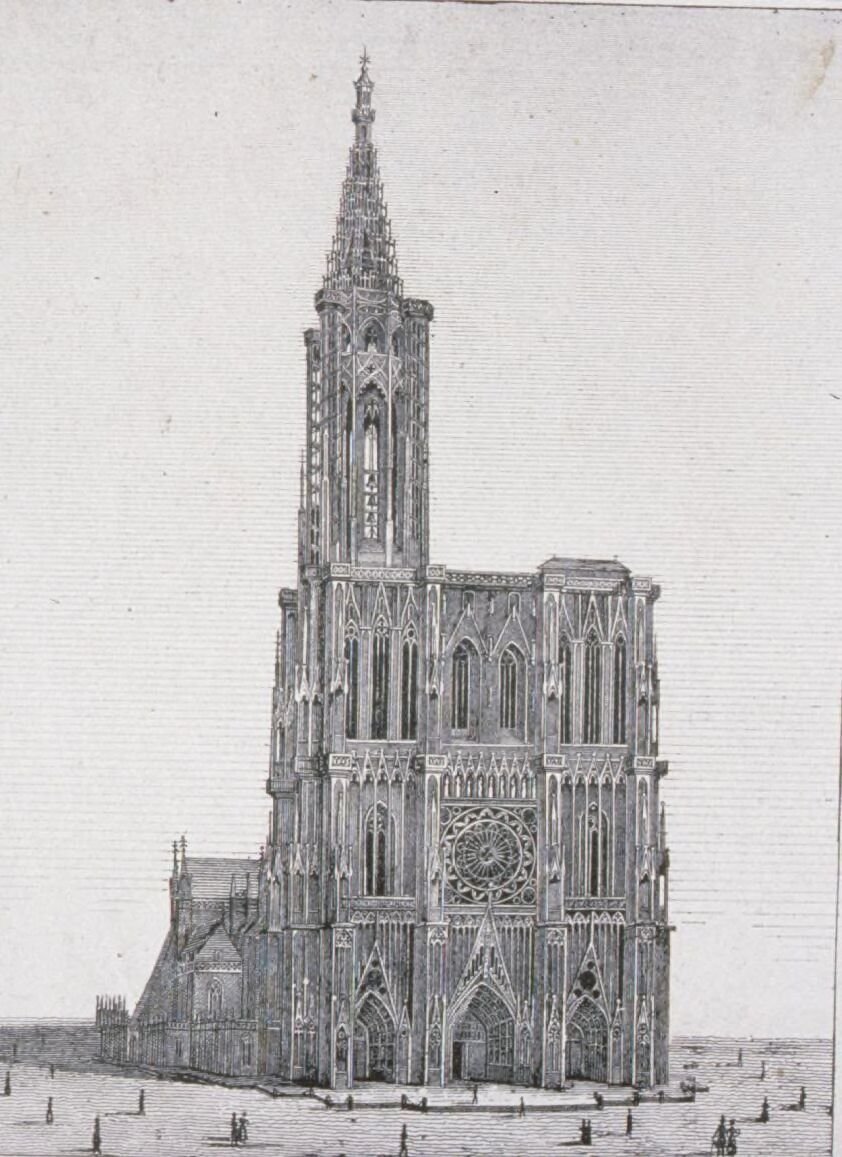
- Nearby Attractions - The Mimram-Brücke is located near major attractions such as the Strasbourg Cathedral and Petite France, making it easy to include in your itinerary.
- Accessibility - The bridge is pedestrian and cyclist-friendly, and accessible for disabled visitors with ramps on either side.
The Mimram-Brücke Today - A Symbol of Resilience
The Mimram-Brücke has witnessed its share of turbulent times. During the Franco-Prussian War of 1870-1871, the bridge suffered significant damage. However, like the city it served, the bridge was rebuilt, embodying Strasbourg's resilience and determination.
- A Restored Landmark - Following the war, the bridge underwent extensive restoration, retaining its original design and character. Today, it stands as a symbol of Strasbourg's ability to overcome adversity and emerge stronger.
- A Bridge for the People - The Mimram-Brücke is more than just a historical relic; it remains a vital artery of the city. Pedestrians, cyclists, and motorists alike traverse its span daily, connecting different parts of Strasbourg and contributing to its vibrant urban fabric.
- A Glimpse into the Past - As you stroll across the Mimram-Brücke, take a moment to appreciate its historical and architectural significance. The bridge's intricate ironwork, its graceful arches, and its strategic location all whisper tales of a bygone era, reminding us of Strasbourg's enduring legacy.
Special Events and Photography Tips
- Special Events - The bridge often hosts local festivals and events, making it a lively spot to experience Strasbourg's culture.
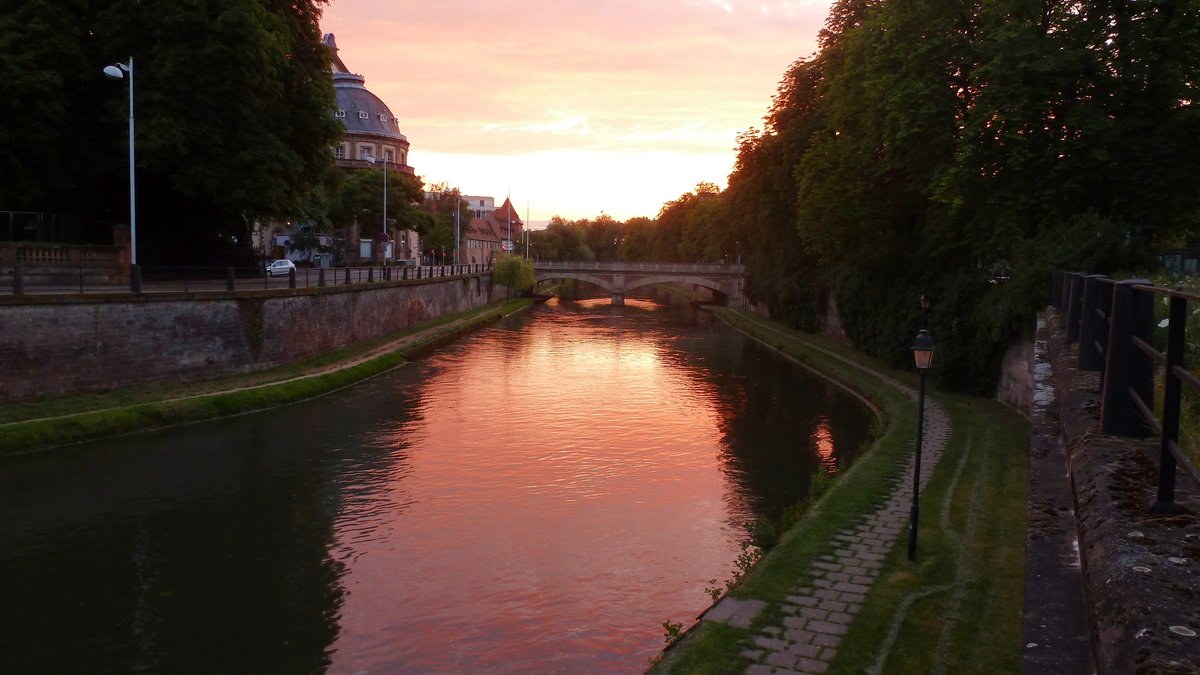
- Photography Tips - For the best photos, visit during sunrise or sunset when the lighting enhances the bridge's intricate ironwork and scenic views.
FAQs
- What are the Mimram-Brücke's opening hours? The bridge is open 24/7.
- Is the Mimram-Brücke accessible for disabled visitors? Yes, the bridge has ramps for easy access.
- Do I need to buy tickets to visit the Mimram-Brücke? No, visiting the bridge is free of charge.
Discover More
For more information on Strasbourg's historical sites and travel tips, be sure to check out our other articles and follow us on social media for the latest updates.
Listen to the full story in the app
Your Personal Curator, in Your Pocket.
Audio guides for 1,100+ cities across 96 countries. History, stories, and local insight — offline ready.
Audiala App
Available on iOS & Android
Join 50k+ Curators
Sources
- verified
- verified
- verified
Last reviewed: