Introduction
The Independent Port of Strasbourg (Port Autonome de Strasbourg, PAS) is a dynamic blend of historical heritage, economic activity, and cultural vibrancy in the heart of Europe. Located at the strategic meeting point of the Rhine and Ill rivers, the port has transformed from a medieval trading hub into France’s second-largest inland port and a key player in European logistics. Since its establishment as an autonomous entity in 1924, PAS has thrived as a center for innovation, sustainability, and Franco-German cooperation. Visitors can explore its industrial legacy, see multimodal transport in action, and enjoy river cruises that showcase the port’s impressive infrastructure and the panoramic Strasbourg skyline. This guide covers essential information on visiting hours, tickets, tours, accessibility, nearby sites, and travel tips to plan a rewarding visit. For booking and the latest updates, refer to the Port of Strasbourg website and Batorama boat tours.
Photo Gallery
Explore Independent Port of Strasbourg in Pictures

Black and white historic photograph of Le Port de Strasbourg and its users taken in 1926, showing port activities and boats.

Black and white image depicting the Port of Strasbourg bustling with people and ships in the year 1926, showcasing historic riverside activity.

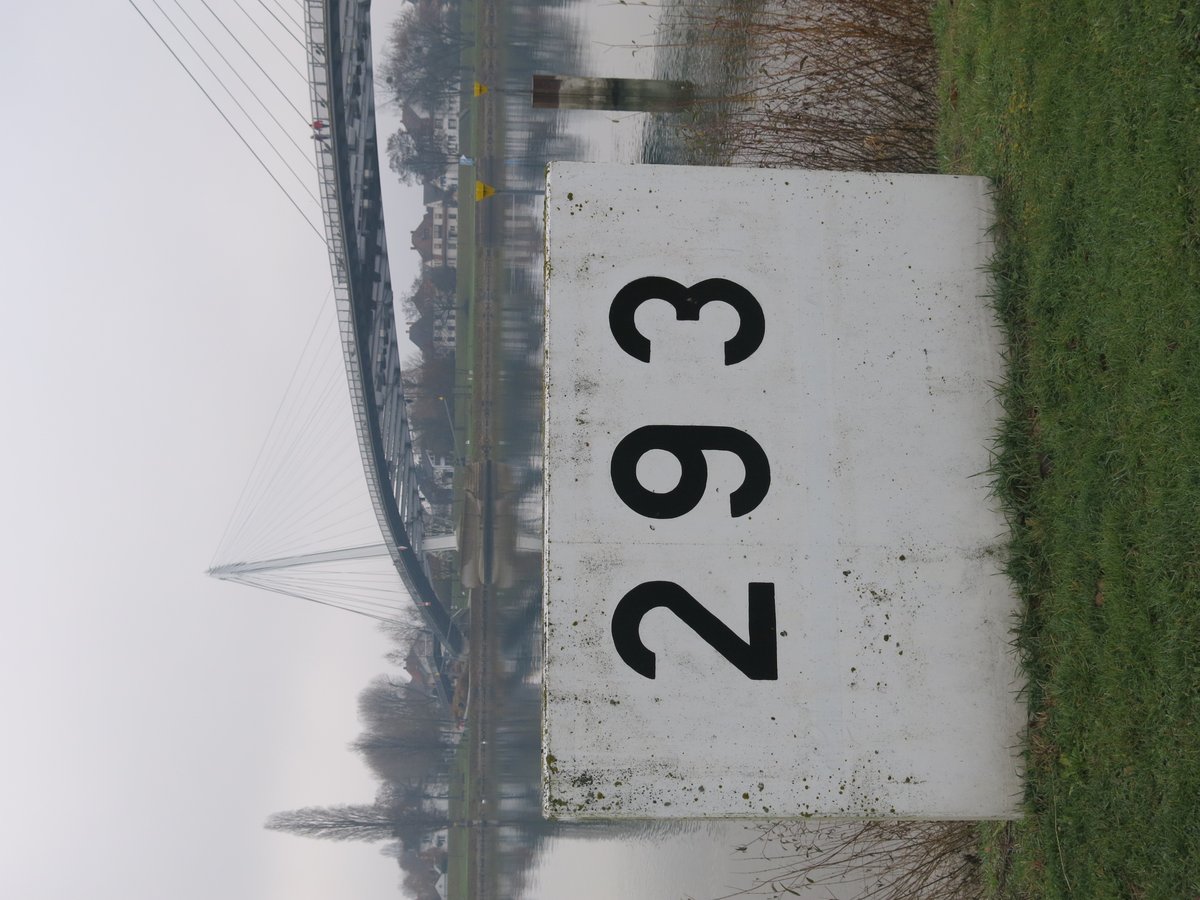
Scenic view of the railway bridge spanning the Vauban basin in the waterfront port area of Strasbourg, located in Bas-Rhin, France.
1. History and Development
Early Origins and Growth
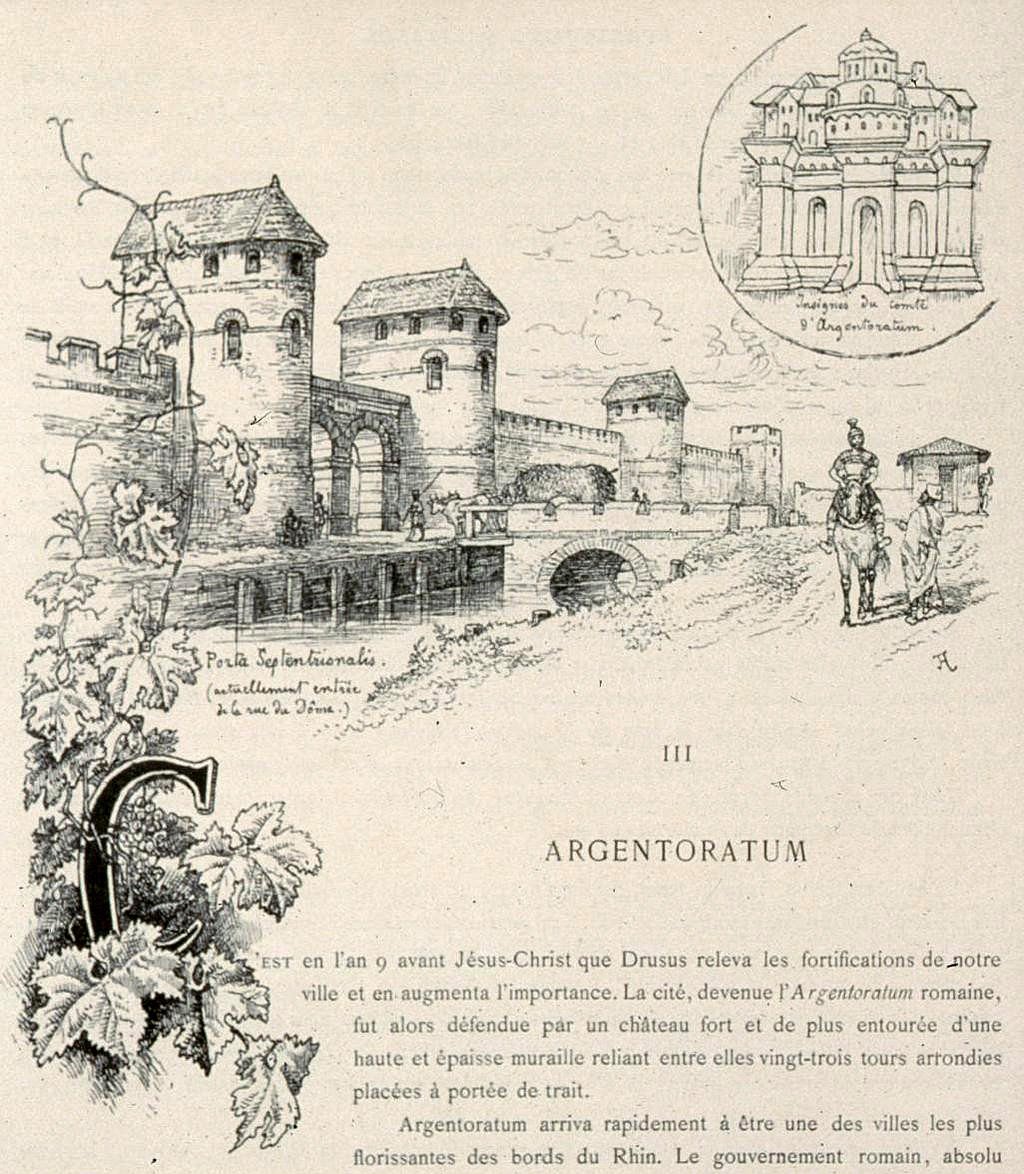
Strasbourg’s position on the Rhine has defined its importance since antiquity, from its days as the Celtic settlement and Roman Argentoratus, to becoming a major river trade center by the Middle Ages (France This Way). Its right to trade throughout the Empire, granted by Charlemagne in 775 CE, and its status as a free imperial city, set the stage for centuries of commercial prosperity, marked by the construction of docks, warehouses, and trading posts that would evolve into the modern port.
Becoming an Autonomous Port
Officially established in 1924, the Independent Port of Strasbourg benefited from a unique governance model, ensuring operational flexibility and growth. This autonomy, achieved through French parliamentary action, allowed the port to become a major European logistics platform (Port of Strasbourg – About Us).
Expansion and Modernization
Throughout the 20th century and into the present, the port expanded its facilities, adapted to containerization and multimodal logistics, and integrated river, rail, and road transport. Today, it includes major terminals, such as the North Terminal, and modern infrastructure like the swing bridge, supporting both economic activity and environmental initiatives.
2. Visitor Information
Visiting Hours
- General Access: As a working industrial site, public access to the port is limited for safety. However, visitors can discover the port via organized guided tours and river cruises.
- Batorama Boat Tours: Operate daily, typically from 10:00 AM to 6:00 PM, with extended hours in summer (Batorama).
- Port Visitor Center: Open Monday to Friday, 9:00 AM to 5:00 PM.
Guided Tours and Tickets
- Boat Tours: Batorama offers guided boat tours lasting 1–1.5 hours, with departures from central Strasbourg. Tours include audio guides in several languages.
- Prices: €13–€20 for adults; discounts for children, students, and groups.
- Booking: Reserve online or at Batorama ticket offices; advance booking recommended (Batorama).
- Bus Tours: Available on select days via the Strasbourg Tourist Office; booking in advance is required.
- Group/Educational Visits: Special programs available by request.
Accessibility and Travel Tips
- Transport: Accessible via tram lines (A, B, D, F) and local buses from the city center (Tourist Guide Map).
- Cycling: Strasbourg’s Vélhop bike-sharing system connects the city and port with dedicated paths.
- Parking: Limited near the visitor center; public transport is the best option.
- Accessibility: Tours and visitor facilities accommodate reduced mobility; inform providers in advance.
- Best Time to Visit: Spring through early autumn for optimal weather and more frequent tours.
Photo Opportunities
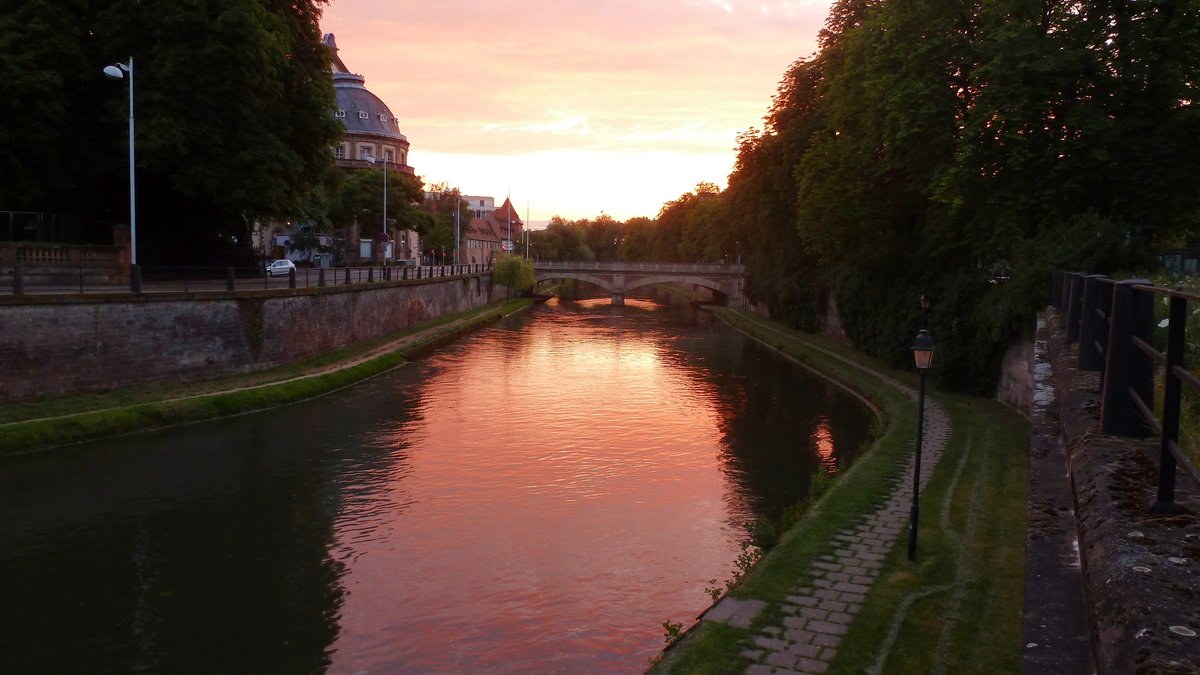
Scenic spots include the North Lock, swing bridge, and panoramic views of the port’s infrastructure and the Rhine. Early morning or late afternoon offers the best light for photography.
3. Nearby Attractions
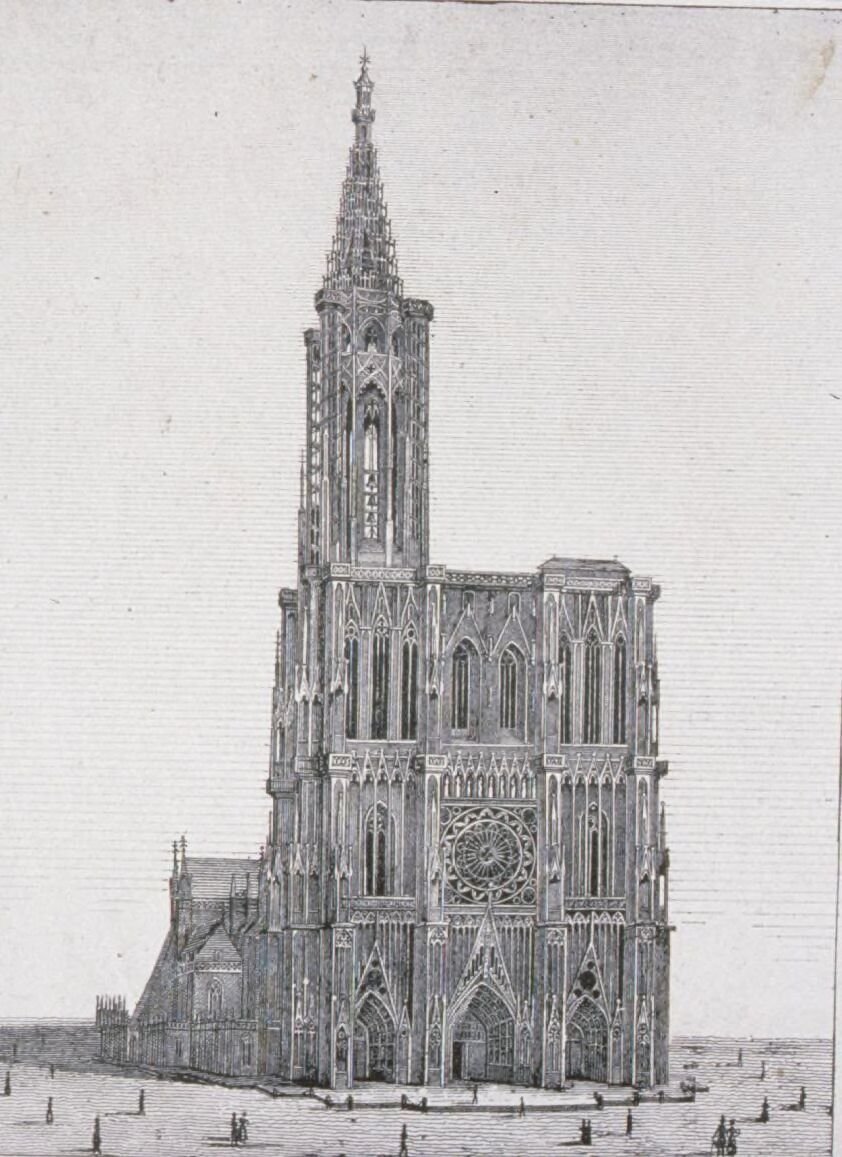
- Strasbourg’s Historic Center: A UNESCO World Heritage site, featuring the Strasbourg Cathedral, Petite France, and elegant squares (Strasbourg Tourist Office).
- Starlette and Coop Neighborhoods: Modern riverfront redevelopment, offering cultural venues and creative spaces.
- Robertsau and Neuhof Forests & Rohrschollen Nature Reserve: Ideal for nature walks and birdwatching.
4. Economic and Cultural Significance
The Independent Port of Strasbourg is France’s second-largest river port, handling over 8 million tonnes of goods and approximately 380,000 containers annually. It is a regional economic engine, supporting more than 10,000 direct jobs and fostering cross-border cooperation with the German Port of Kehl (Port of Strasbourg – About Us).
Culturally, the port is a symbol of European unity, reflecting Strasbourg’s Franco-German heritage and hosting art projects and public events that engage the local community (The Cambridge Language Collective, Britannica).
5. Innovation and Sustainability
PAS is at the forefront of green logistics, investing in rail and river transport, solar panels, and hydrogen-powered logistics solutions, in line with the European Green Deal (MarineLink). Environmental management includes water quality protection and biodiversity initiatives.
6. Community and Governance
The port is governed by representatives from the local government, French State, and German partners, highlighting cross-border cooperation. Community engagement is fostered through educational programs, cultural festivals, and art exhibitions.
7. Frequently Asked Questions (FAQ)
Q: What are the visiting hours of the Independent Port of Strasbourg?
A: Boat tours operate daily, generally 10:00 AM–6:00 PM, with longer hours in summer. The visitor center is open weekdays 9:00 AM–5:00 PM.
Q: How do I book a tour?
A: Reserve tickets online via the Batorama website or at city-center ticket offices.
Q: Is the port accessible for visitors with disabilities?
A: Yes, most tours and facilities are accessible; notify the provider of any special needs in advance.
Q: Are there attractions nearby?
A: Yes, the port is close to Strasbourg’s historic center, with easy connections to major landmarks.
Q: Can I visit the port without a tour?
A: For safety, the port’s industrial areas are not open to the public outside of guided tours.
8. Visuals and Multimedia
- Panorama of the Independent Port of Strasbourg with the Rhine and city skyline (alt text: "Panorama of the Independent Port of Strasbourg and the Rhine River")
- Batorama boat on the Rhine with tourists (alt text: "Batorama boat tours at the Independent Port of Strasbourg")
- Urban art murals in the port area (alt text: "Urban art murals at the Independent Port of Strasbourg")
- Interactive map: Port area, tour routes, and nearby attractions
9. Related Articles
- Exploring Strasbourg’s UNESCO World Heritage Sites
- Green Mobility in Strasbourg: Trams, Bikes, and More
- Top River Cruises in the Grand Est Region
Listen to the full story in the app
Your Personal Curator, in Your Pocket.
Audio guides for 1,100+ cities across 96 countries. History, stories, and local insight — offline ready.
Audiala App
Available on iOS & Android
Join 50k+ Curators
Sources
- verified
- verified
- verified
- verified
- verified
- verified
- verified
- verified
- verified
Last reviewed: