Introduction
The Hôtel de Klinglin—also known as Hôtel du Préfet—is one of Strasbourg’s most distinguished historical monuments, blending 18th-century French Régence architecture with significant political and cultural narratives. Built for François-Joseph de Klinglin between 1731 and 1736, this elegant hôtel particulier has witnessed the city’s turbulent history, from royal opulence and scandal to wartime devastation and meticulous restoration. Today, it stands as the official residence and office for the Prefect of Bas-Rhin and the Grand Est region, and is recognized as a Monument historique (Wikipedia EN, visitstrasbourg.fr, bas-rhin.gouv.fr).
While primarily serving administrative functions, the Hôtel de Klinglin opens to the public during special events—most notably the European Heritage Days (Journées Européennes du Patrimoine)—allowing visitors to discover its lavish interiors, ceremonial salons, and rich history. Its central location in Strasbourg’s historic heart, near landmarks like the Strasbourg Cathedral and Place Broglie, makes it an essential stop for those interested in the city’s heritage.
This guide offers detailed information on visiting hours, ticketing, accessibility, architectural highlights, practical tips, and nearby attractions, ensuring you get the most out of your visit.
Photo Gallery
Explore Hôtel De Klinglin in Pictures

Historical painting by Emile Schweitzer depicting the fire at the Strasbourg Prefecture on September 20, 1870 during the Franco-Prussian War

The Hôtel de Klinglin in Strasbourg is a beautiful 18th century building with a rich history of various functions. It serves as the residence of the President of the French Republic during visits to Strasbourg.

Archive black and white image showing the exterior architectural details of Hôtel de Klinglin, a historic building.

Detailed lithograph artwork depicting the Hôtel de Klinglin created by Joseph Wencker

Photographie de Jules Manias showing the exterior of Hôtel de Klinglin, an elegant historic building with classic architecture.

Detailed architectural plan of the Hôtel de Klinglin project, showcasing the layout and structural design.

Historic image depicting the fire at Strasbourg Prefecture on September 20, 1870, during the Franco-Prussian War.

La Préfecture by Léon Auguste Asselineau depicting the official prefecture building in Strasbourg, held at the Bibliothèque nationale et universitaire de Strasbourg

Photo of the Hôtel du préfet building in Strasbourg, featuring classic European architecture taken with Panasonic Lumix LX5 camera and enhanced using DxO and Noiseware software

Detailed photograph of Hôtel du préfet in Strasbourg, captured using Panasonic Lumix LX5 camera and processed with DxO and Noiseware software to enhance image quality and reduce noise.
Origins and Construction (1731–1736)
Commissioned by François-Joseph de Klinglin, royal moneylender, the Hôtel de Klinglin was constructed on land acquired from the city, reflecting the ambitions and status of its original owner (Wikipedia FR). The initial plans were developed by Pierre Marcel Le Chevalier and Jean Querret, later supervised by city architect Jean-Pierre Pflug (int.strasbourg.eu). The building is unique for its combination of a straight and crescent-shaped façade, pink Vosges sandstone, and rocaille ornamentation, exemplifying French Baroque elegance with Alsatian influences (guide-tourisme-france.com).
Scandal and Transition
Klinglin financed the lavish construction with city resources, leading to a scandal. Following a financial investigation, Klinglin was arrested in 1752 and died in custody. The city subsequently repurposed the building as the seat of the royal Intendancy of Alsace, cementing its role in regional governance (Wikipedia FR).
Revolutionary, Imperial, and Modern Eras
After the French Revolution, the Hôtel de Klinglin became the seat of the Directoire du district, then the residence of the prefect of Bas-Rhin from 1800 onward (int.strasbourg.eu). The building suffered near destruction during the Franco-Prussian War (1870); only the exterior walls survived. Restoration (1871–1877) under Jean Geoffroy Conrath recreated its original style with some 19th-century updates (visit.alsace). Under German administration post-1871, it housed the Statthalter (imperial governor) and was redecorated for imperial visits (Wikipedia EN).
After World War I, it reverted to a French government building, serving as the prefecture for Bas-Rhin and, after WWII, for the Alsace region (now Grand Est). It has been listed as a Monument historique since 1970 (strasbourg-pratique.com).
Architectural Highlights
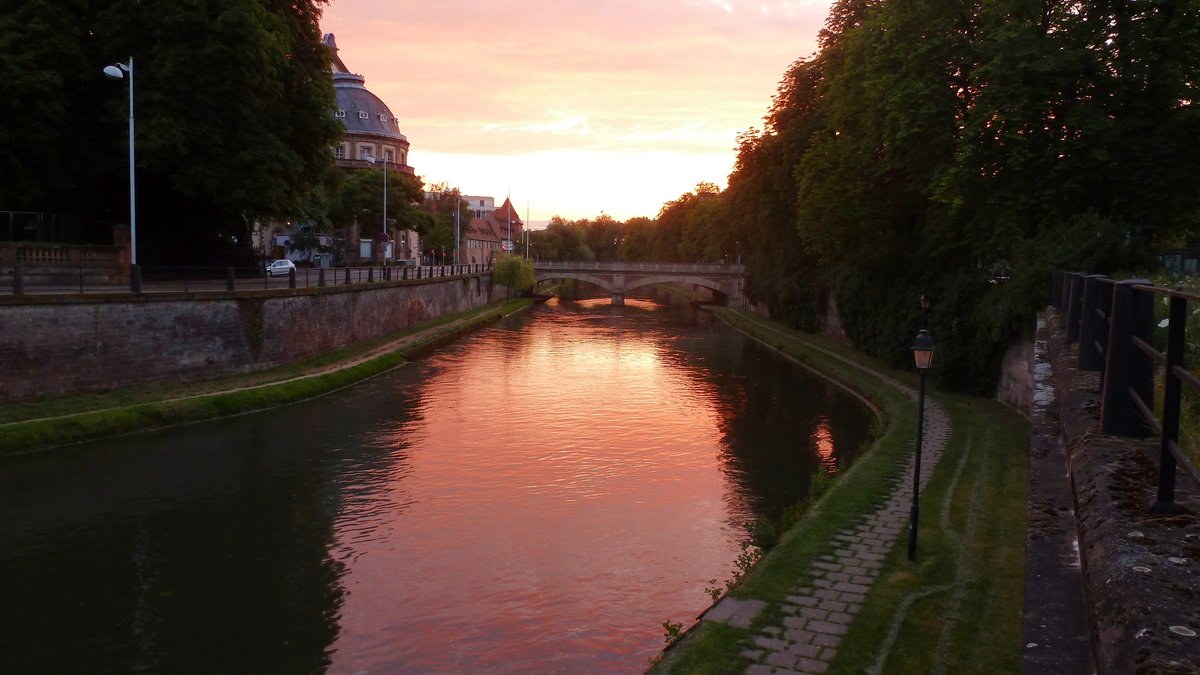
- Façades: The main façade faces the Faux-Rempart canal and features pink sandstone, rocaille motifs, and ornate ironwork (visitstrasbourg.fr).
- Courtyard: The crescent-shaped courtyard is a rare feature in Strasbourg’s hôtels particuliers (Wikipedia EN).
- Grand Staircase: The wrought-iron staircase by Sigismond Falckenhauer is the sole surviving original interior element (archi-wiki.org).
- Interior Rooms: Neo-baroque interiors, ceremonial salons, and historical artifacts, including preserved stone eagles at the entrance (archi-wiki.org).
Visitor Information
Location and Getting There
- Address: 2 Place du Petit Broglie, 67000 Strasbourg, France
- Access: Walking distance from Strasbourg Cathedral and Place Broglie; nearby tram lines B, C, and F; public parking garages available (archi-wiki.org).
Visiting Hours
- The Hôtel de Klinglin is not open for daily public visits. Public access is generally limited to the European Heritage Days (Journées Européennes du Patrimoine) each September and occasional special events (bas-rhin.gouv.fr).
- For up-to-date opening times and events, consult the official Prefecture website.
Tickets and Guided Tours
- Tickets: No regular ticket sales. Free guided tours are available during public openings but require mandatory online registration due to limited capacity and security measures (bas-rhin.gouv.fr).
- Guided Tours: Offered during European Heritage Days and select events; tours are primarily in French.
Accessibility
- Due to the historic nature of the building, accessibility for those with reduced mobility is limited, especially in areas with original staircases. Contact the Prefecture in advance for specific arrangements during public openings.
What to Expect on Your Visit
During European Heritage Days, visitors can:
- Tour select interiors, including ceremonial salons and the grand staircase.
- Learn about the building’s history, architecture, and role in Strasbourg’s civic life.
- View temporary exhibitions highlighting regional culture.
- Enjoy guided storytelling by local experts (visit.alsace).
Photography is generally allowed in exterior spaces and select interiors during public openings. Flash and tripods are typically not permitted.
Nearby Attractions
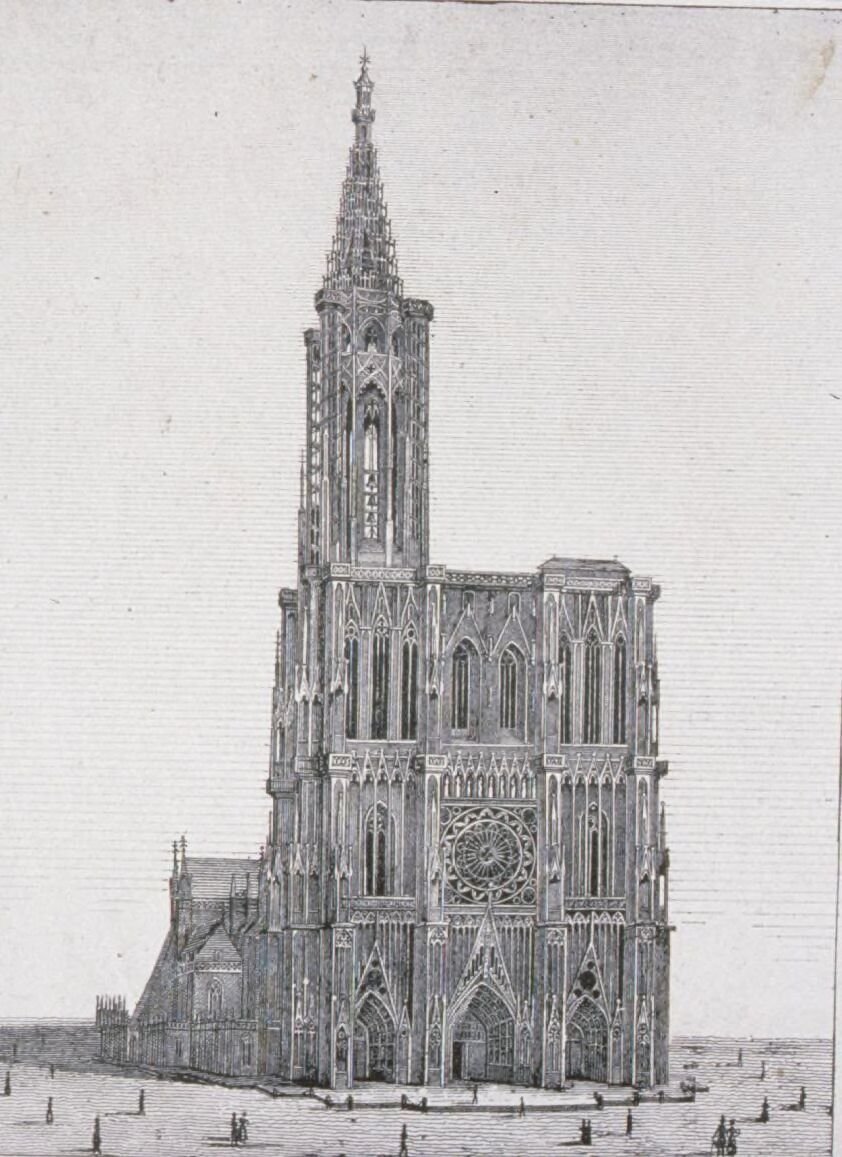
- Strasbourg Cathedral: A Gothic marvel a short walk away.
- Place Broglie: The lively square adjacent to the Hôtel, hosting markets and events.
- Strasbourg Opera House: Located next to Place Broglie.
- Palais Rohan: Museums of fine arts and archaeology nearby.
- La Petite France: Picturesque historic quarter along the river.
Combine your visit to the Hôtel de Klinglin with a walking tour of Strasbourg’s historic center to make the most of your day.
Practical Tips
- Register early for European Heritage Days tours, as spots fill quickly.
- Check for multilingual tour options or printed guides if you do not speak French.
- Respect all instructions from guides and security staff, as this is an active government building.
- For accessibility, confirm details in advance with the Prefecture.
Frequently Asked Questions (FAQ)
Is the Hôtel de Klinglin open year-round?
No, it is primarily accessible to the public during European Heritage Days and select cultural events.
How do I get tickets for public openings?
Tickets are free but require prior online registration via the official Prefecture website.
Are guided tours available in English?
Tours are generally conducted in French. Check the official site for possible language options.
Is there an entrance fee?
No, entry is free during public events.
Is the building accessible for visitors with disabilities?
Some areas may be difficult to access due to historic features. Contact the Prefecture in advance for specific accessibility information.
Can I take photos inside?
Photography is permitted in most areas during public openings, but flash and tripods are usually restricted.
Summary and Next Steps
The Hôtel de Klinglin is a jewel of Strasbourg’s architectural and political history. While public access is limited, annual events like the European Heritage Days offer a rare opportunity to experience its grandeur. Plan ahead by checking official announcements, registering for tours early, and exploring surrounding landmarks. For updates on visiting hours, guided tours, and city events, download the Audiala app and follow Strasbourg’s tourism channels.
Listen to the full story in the app
Your Personal Curator, in Your Pocket.
Audio guides for 1,100+ cities across 96 countries. History, stories, and local insight — offline ready.
Audiala App
Available on iOS & Android
Join 50k+ Curators
Sources
- verified
- verified
- verified
- verified
- verified
- verified
- verified
Last reviewed: