Introduction
Strasbourg, a city at the crossroads of French and German culture, boasts a remarkable medieval heritage. Among its most compelling landmarks is the Heinrichsturm (Henry’s Tower), an enduring symbol of the city’s defensive ingenuity and architectural evolution. Rising beside the Ill River and the iconic Ponts Couverts, the Heinrichsturm invites visitors to journey through centuries of military strategy, cultural exchange, and urban transformation. This guide provides detailed historical context, practical information about visiting hours, tickets, accessibility, nearby attractions, and travel tips—ensuring you make the most of your visit to this historic monument.
Historical Background: From Roman Foundations to Medieval Defenses
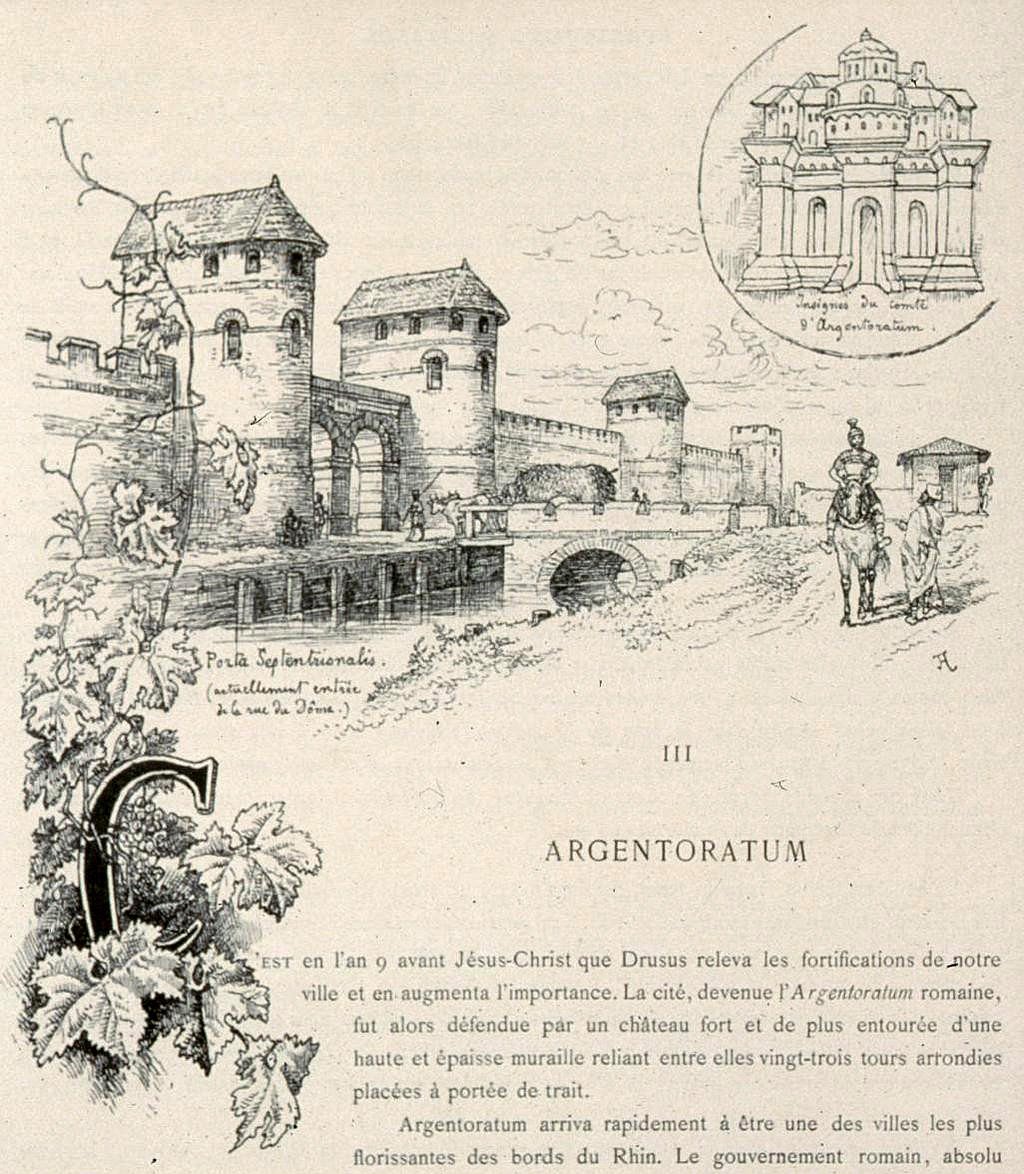
Strasbourg’s strategic location along the Rhine has shaped its history as a fortified settlement since Roman times. Established as Argentoratum in the 1st century CE, the city’s defensive tradition continued through the Middle Ages. Successive expansions between the 11th and 15th centuries saw the construction of formidable ramparts, moats, and towers—including the Heinrichsturm (Wikipedia: Enceinte de Strasbourg; Mapcarta). These layers of fortifications reflected evolving military technologies and the need to defend against frequent invasions.
During the High Middle Ages, Strasbourg’s status as a Free Imperial City spurred further development of its defenses. The Heinrichsturm, likely built in the 13th or 14th century, was positioned to guard the city’s western approaches and monitor the vital river crossings. Its construction and function mirrored the city’s oscillation between French and German influences, particularly during periods of political transition (UNESCO; TravelSetu).
The Role and Transformation of the Heinrichsturm
Medieval Stronghold
Heinrichsturm’s primary role was as a watchtower and defensive bastion, integral to the city’s layered fortification system. Its thick stone masonry, narrow slit windows for archers, and elevated vantage points were designed to withstand sieges and allow effective surveillance (Wikipedia: Enceinte de Strasbourg).
Integration with the Ponts Couverts
The tower is one of four that form part of the Ponts Couverts, a group of covered bridges and towers constructed in the 13th century to protect the Petite France quarter (Wikipedia: Ponts Couverts, Strasbourg). These structures controlled river traffic and provided strongpoints during attacks, with walkways connecting them for rapid defensive response (Beausite Immobilier: Ponts Couverts).
Modernizations and Preservation
With advances in artillery, Strasbourg’s defenses were modernized in the 16th and 17th centuries under engineers like Daniel Specklin and, later, Vauban after the city’s annexation by France in 1681 (Kuriocity: Fortifications). While some medieval towers were demolished, the Heinrichsturm was preserved as a monument historique and now forms part of the UNESCO-listed Grande Île (UNESCO).
Architectural Features
The Heinrichsturm exemplifies Alsatian medieval military architecture, constructed from pink Vosges sandstone which lends it a distinctive hue (Veronica’s Art). Features include:
- Thick Masonry Walls: Over 1 meter thick at the base for defense against artillery.
- Narrow Slit Windows: For archers, maximizing field of view while minimizing vulnerability.
- Machicolations and Crenellations: Overhanging parapets with openings for dropping projectiles and defensive parapets for guards.
- Steep Roofs: Designed for weather resistance and to deflect projectiles.
The tower’s form and function were adapted over centuries, reflecting changing military needs and architectural styles (Mapcarta).
Cultural and Urban Significance
Symbol of Franco-German Heritage
Strasbourg’s history as a border city is embodied in the Heinrichsturm’s architecture and legacy. The tower’s preservation underscores the city’s dual identity and its resilience through centuries of conflict and cultural blending (UNESCO; World Travel Guide).
Integration with Urban Life
Today, the Heinrichsturm is a focal point in the Petite France district, contributing to the city’s vibrant atmosphere and serving as a backdrop for festivals, photography, and guided tours (TravelSetu). Its proximity to other historical sites makes it ideal for inclusion in walking or cycling itineraries.
Visitor Information: Hours, Tickets, and Accessibility
Opening Hours
- Exterior Viewing: Accessible year-round, 24/7, as the tower is part of a public urban space.
- Interior Access: Generally closed to the public except during special events such as heritage festivals or Architecture Days. Check Visit Strasbourg for event schedules.
Tickets
- Exterior: No ticket required for public viewing.
- Interior Events: Entry may require a ticket during special tours. Prices and booking information are available on the official tourism website.
Accessibility
- Exterior: The area is pedestrian- and wheelchair-friendly, though some cobblestone paths may be uneven.
- Interior: Access may be limited due to narrow staircases and preservation requirements; consult tourism offices for detailed information.
Travel Tips and Nearby Attractions
- Best Time to Visit: Early morning or late afternoon for optimal lighting and fewer crowds.
- Nearby Attractions: Barrage Vauban, Strasbourg Cathedral, Musée Historique de Strasbourg, and the charming Petite France district.
- Dining: Numerous cafés and winstubs nearby offer traditional Alsatian cuisine.
- Transportation: Easily accessible on foot, by bicycle, or via tram stops “Langstross/Grand Rue” and “Alt Winmärik.” Public parking is available at Parking Petite France and Parking Gutenberg (thirdeyetraveller.com).
- Sustainability: Strasbourg is bicycle-friendly; consider renting a bike to explore the city (visitstrasbourg.fr).
Frequently Asked Questions (FAQ)
Q: What are Heinrichsturm’s visiting hours?
A: The exterior is open year-round, 24/7. The interior is accessible only during special events.
Q: Do I need a ticket to visit Heinrichsturm?
A: No ticket is required for exterior viewing. Special interior access may require a ticket.
Q: Is the tower accessible for people with disabilities?
A: Exterior areas are generally accessible; interior access may be limited.
Q: Are guided tours available?
A: Yes, guided walking tours of Strasbourg’s historic sites often include the Heinrichsturm (francetravelblog.com).
Q: What’s the best way to get there?
A: On foot, by bicycle, or via public tram to nearby stops.
Visuals and Media Suggestions
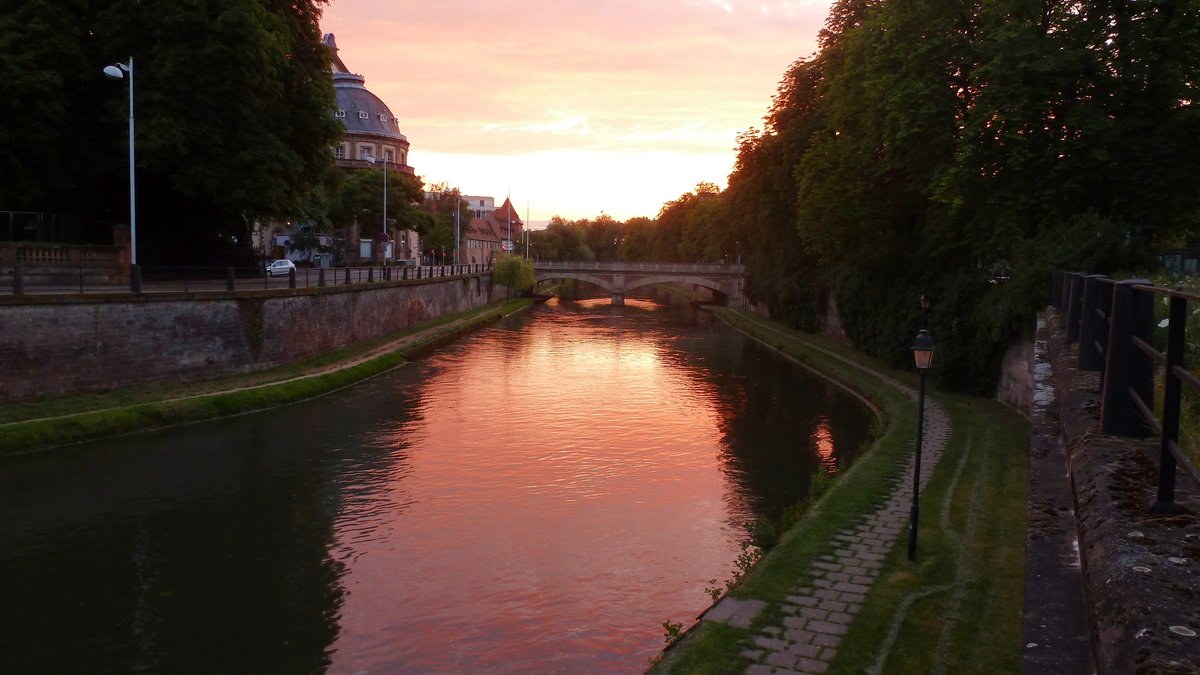
- High-resolution photographs of Heinrichsturm at sunrise or sunset, with descriptive alt text such as “Heinrichsturm Strasbourg at sunset.”
- Interactive map showing the tower’s location within Strasbourg’s historic center.
- Virtual tour or 360° images of the Ponts Couverts and surrounding Petite France district.
Discover More
The Heinrichsturm is more than a relic of Strasbourg’s martial past; it is a living monument woven into the city’s urban fabric and cultural identity. Whether viewed from the cobbled quays of Petite France or explored during a guided tour, the tower provides visitors with a tangible connection to centuries of history and architectural innovation.
To enhance your visit, check current event schedules and accessibility details on the official Strasbourg tourism website. Download the Audiala app for audio guides, exclusive cultural content, and real-time updates. Stay connected via social media for the latest news and inspiration about Strasbourg’s heritage.
Plan your visit to the Heinrichsturm and immerse yourself in the layers of history that make Strasbourg one of Europe’s most captivating destinations.
Listen to the full story in the app
Your Personal Curator, in Your Pocket.
Audio guides for 1,100+ cities across 96 countries. History, stories, and local insight — offline ready.
Audiala App
Available on iOS & Android
Join 50k+ Curators
Sources
-
verified
Wikipedia: Enceinte de Strasbourg
Retrieved from https://fr.wikipedia.org/wiki/Enceinte_de_Strasbourg
-
verified
Wikipedia: Ponts Couverts, Strasbourg
Retrieved from https://en.wikipedia.org/wiki/Ponts_Couverts,_Strasbourg
-
verified
Beausite Immobilier: Ponts Couverts
Retrieved from https://www.beausite-immobilier.com/strasbourg-histoire-et-architecture-les-ponts-couverts/
-
verified
Kuriocity: Fortifications
Retrieved from https://www.kuriocity.fr/levolution-des-fortifications-et-remparts-de-strasbourg/
-
verified
Wikipedia: History of Strasbourg
Retrieved from https://en.wikipedia.org/wiki/History_of_Strasbourg
-
verified
Veronica’s Art: Strasbourg Unique Blend of French and German Architectural Influences. Retrieved from https://veronicasart.com/strasbourg-unique-blend-of-french-and-german-architectural-influences/
-
verified
Mapcarta: Heinrichsturm Location
Retrieved from https://mapcarta.com/W40217739
-
verified
UNESCO World Heritage Centre: Grande Île, Strasbourg
Retrieved from https://whc.unesco.org/en/list/495
-
verified
Visit Strasbourg: Official Tourism Website
Retrieved from https://www.visitstrasbourg.fr/en/
-
verified
TravelSetu: Strasbourg Tourism Guide
Retrieved from https://travelsetu.com/guide/strasbourg-tourism/
Last reviewed: