Plan and listen to Grande Île, Strasbourg with Audiala.
Audio guide in your pocket, itinerary in your browser. Built for the way you actually visit.
Introduction
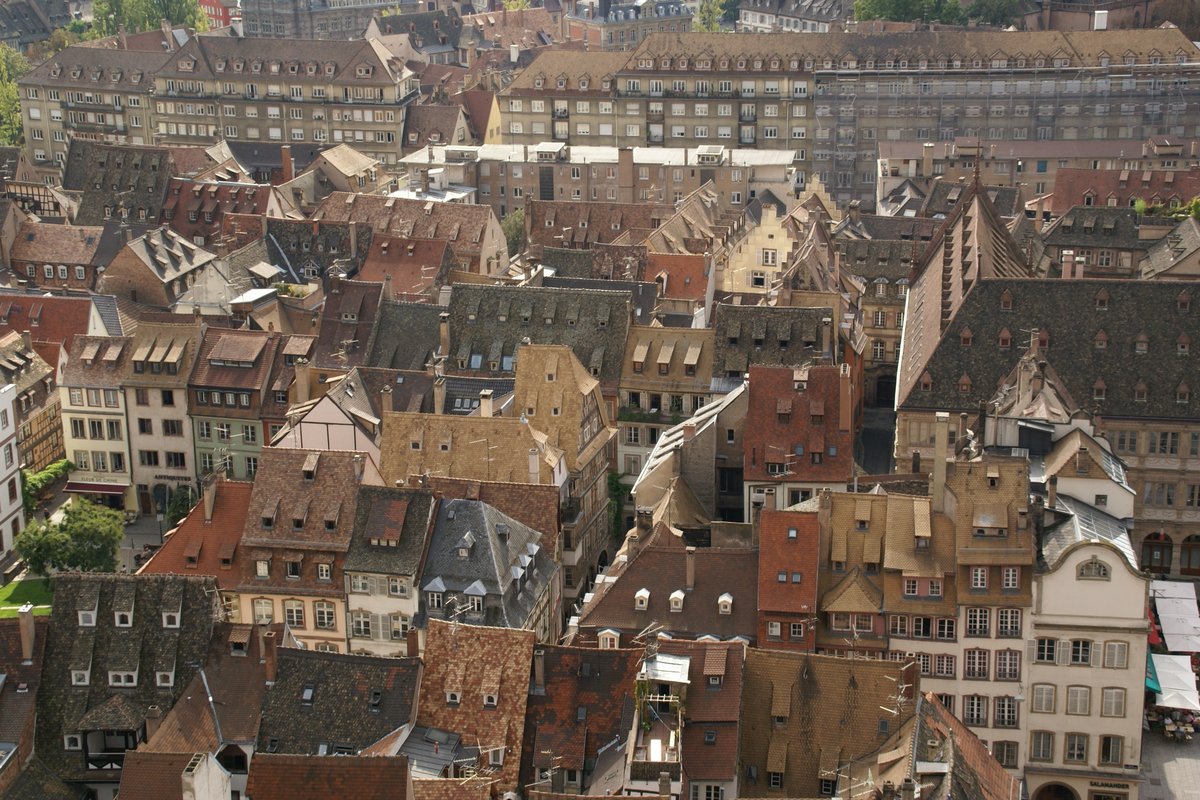
Grande Île is the historic core of Strasbourg, renowned for its harmonious blend of French and Germanic influences and its vibrant urban life. Encircled by the River Ill, the island’s compact layout makes it ideal for exploration on foot or by bike. Visitors can marvel at Gothic, Renaissance, and Baroque landmarks, stroll along picturesque canals, and experience authentic Alsatian traditions.

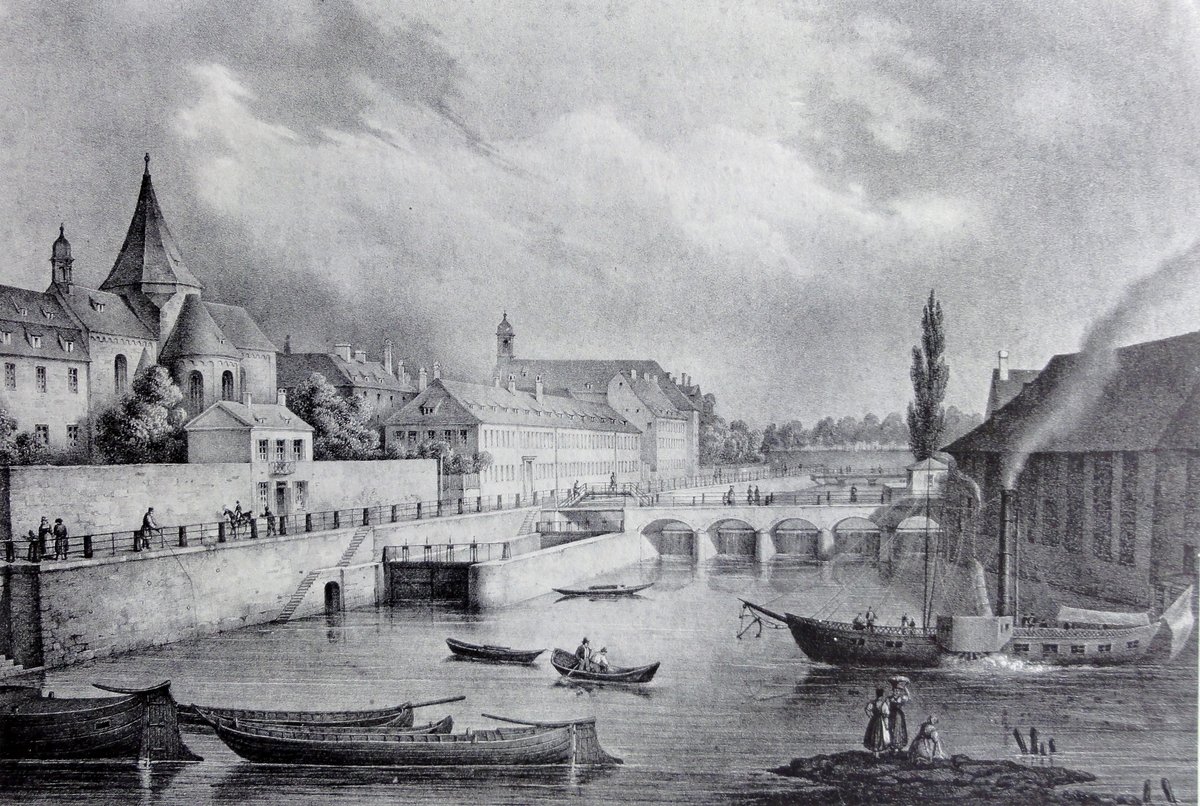
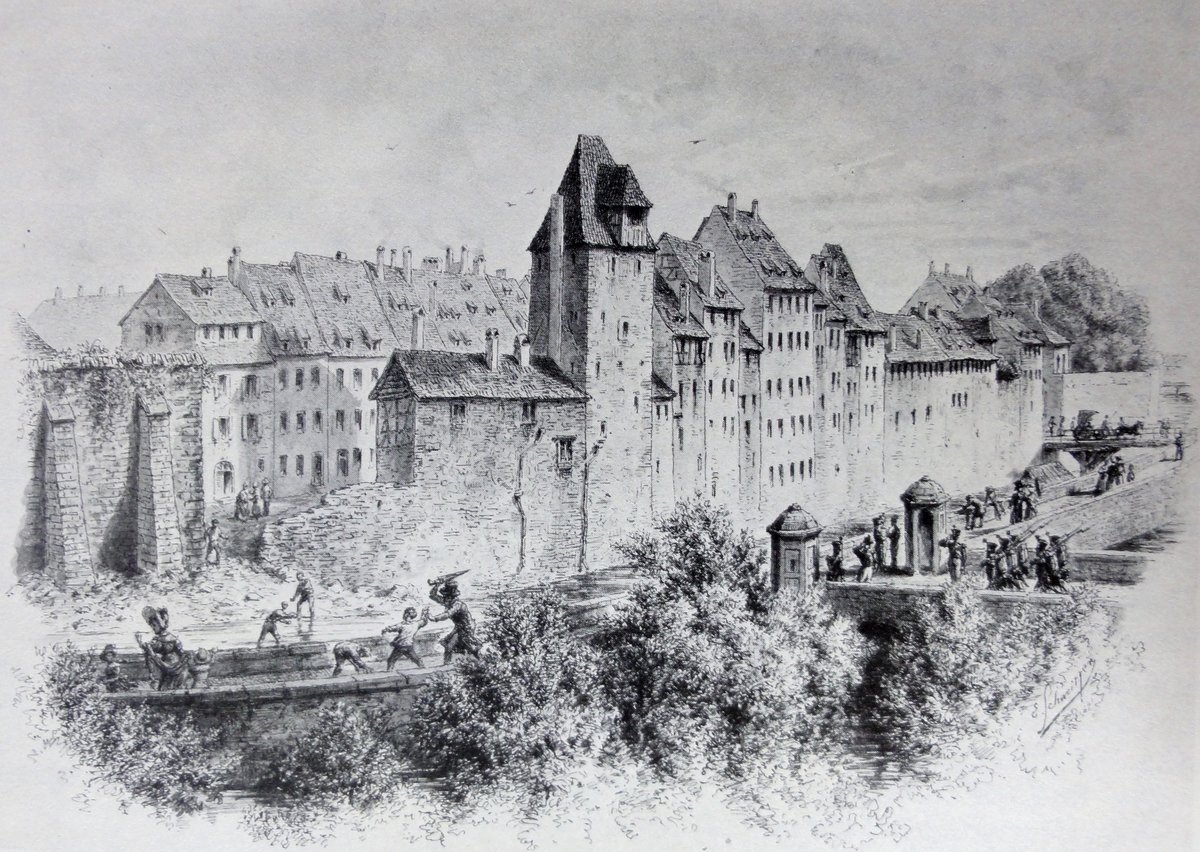
Grande Île’s Medieval Origins and Urban Development
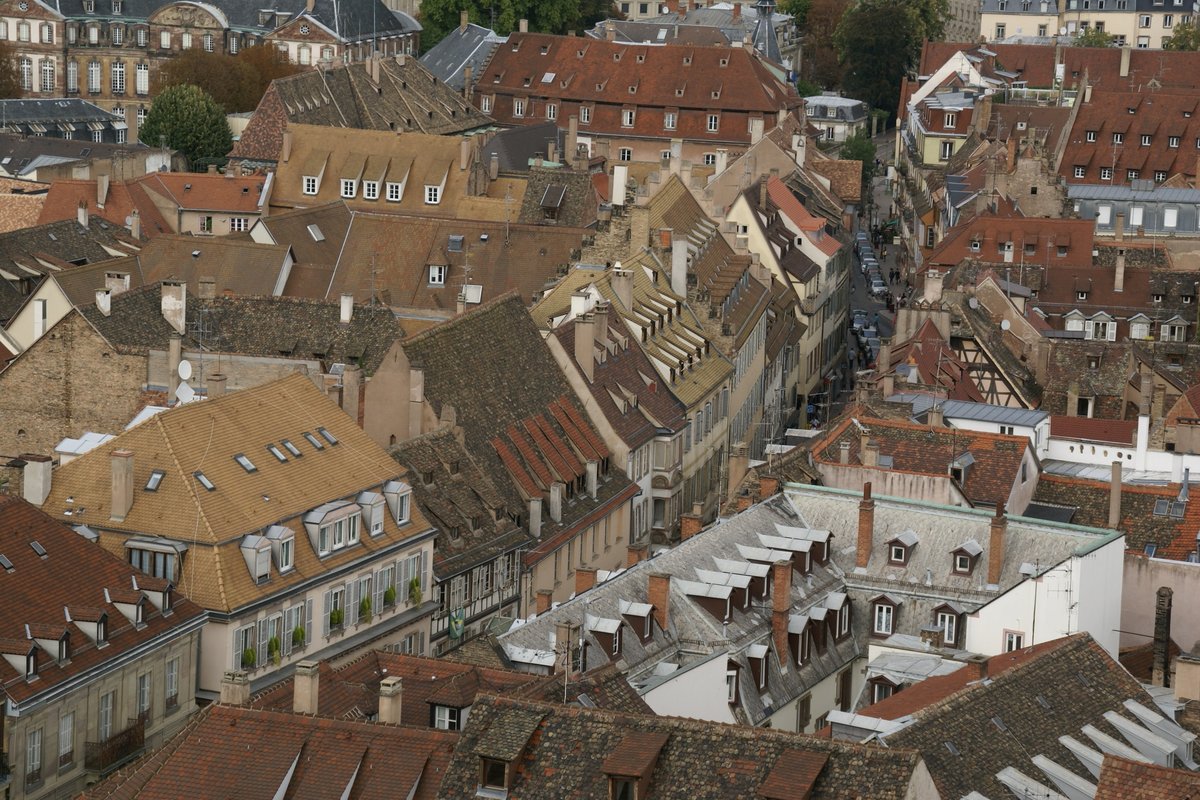
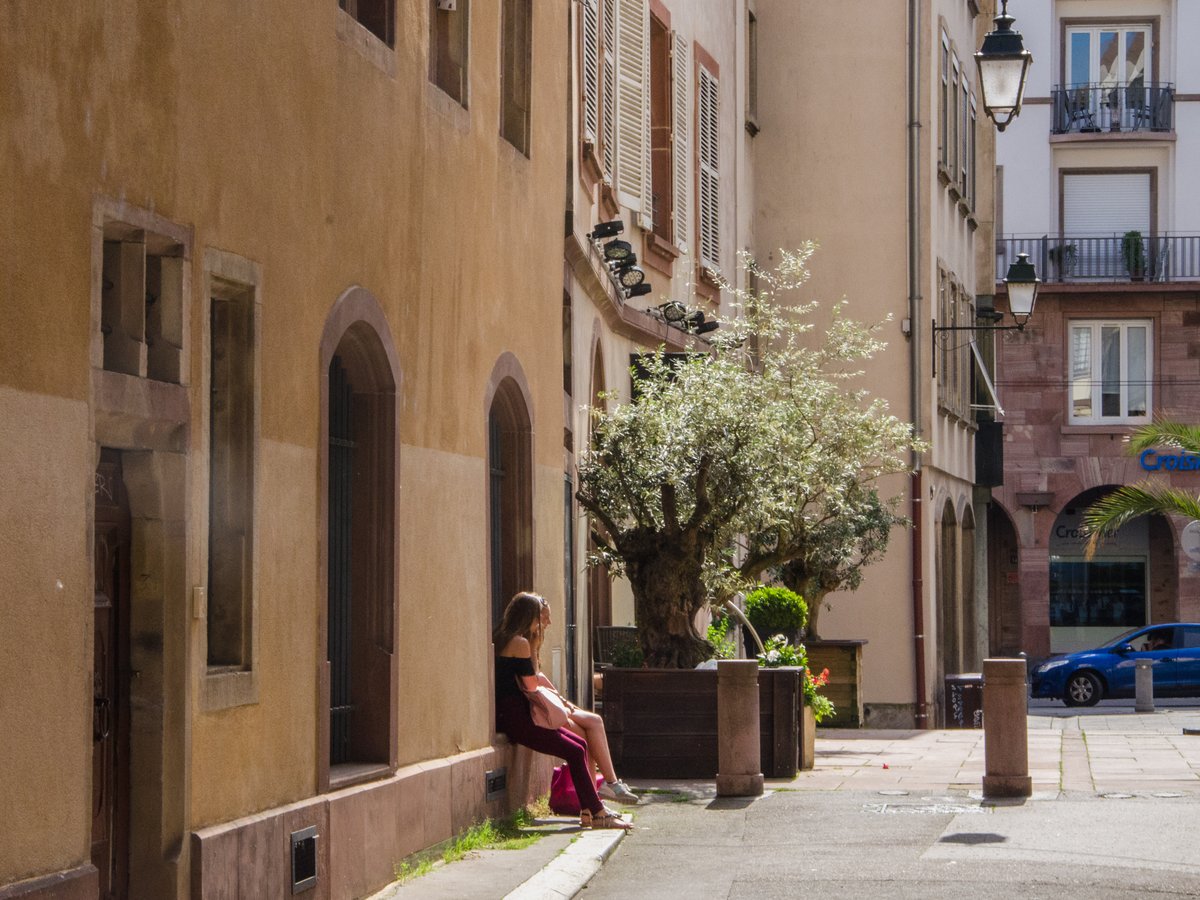
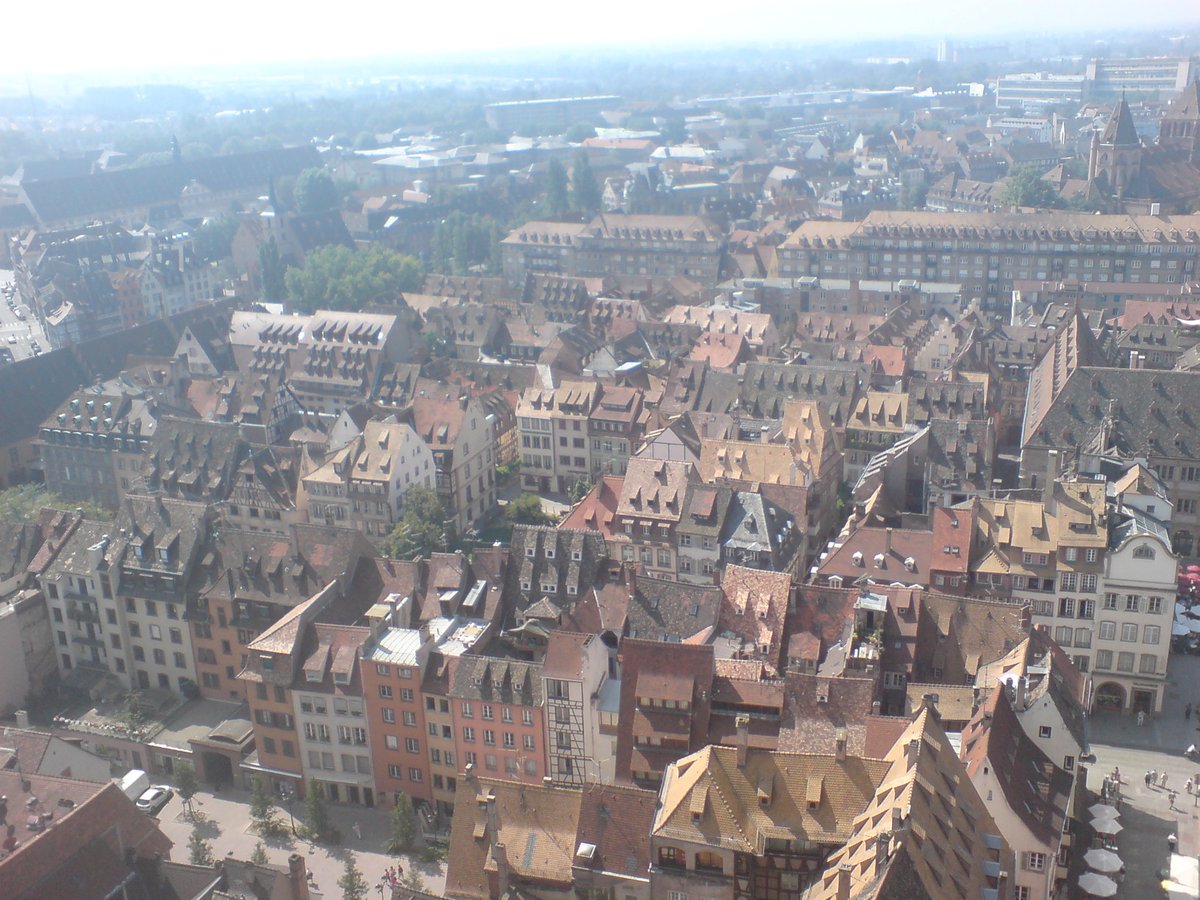
Strasbourg began as Argentoratum, a Roman outpost founded around 12 BCE. Its strategic position on the Rhine fostered growth into a free imperial city within the Holy Roman Empire. The island’s narrow, winding streets, intimate squares, and half-timbered houses—especially in Petite France—reflect its medieval past and mercantile prosperity. The blend of French and German traditions is seen in everything from architecture to cuisine (francerent.com).
Top Historical Sites: Hours, Tickets, and Highlights
Cathédrale Notre-Dame de Strasbourg
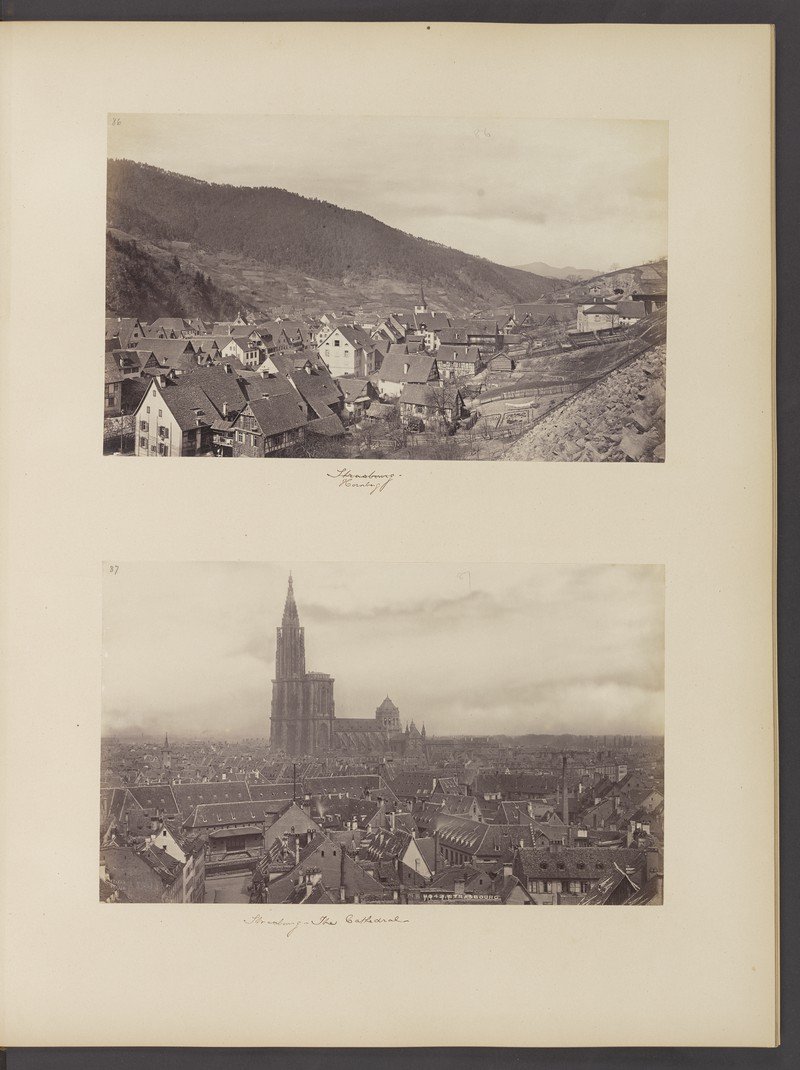
A masterpiece of Gothic architecture, the cathedral’s soaring spire (142 m) dominates the city skyline.
- Visiting Hours: Daily, 7:00 AM–11:15 AM & 12:45 PM–7:00 PM (seasonal variations possible).
- Admission: Free to enter; tickets (€5–€8) required for the spire climb and panoramic terrace.
- Astronomical Clock: The animated procession takes place daily at 12:30 PM.
- Accessibility: Main areas are wheelchair accessible. Spire access requires climbing stairs.
More details: (voyagetips.com), (ADAC)
Maison Kammerzell
Dating to 1427, this ornate late Gothic/Renaissance house is one of Europe’s best-preserved timber-framed buildings.
- Location: Next to the cathedral on Place de la Cathédrale
- Opening Hours: Restaurant open 12:00 PM–2:30 PM & 7:00 PM–10:30 PM. Reservation recommended.
Palais Rohan
A baroque palace and former residence of prince-bishops, now home to three museums:
- Hours: Tues–Sun, 10:00 AM–6:00 PM (closed Mondays)
- Tickets: ~€10 for all museums; guided tours available.
Petite France
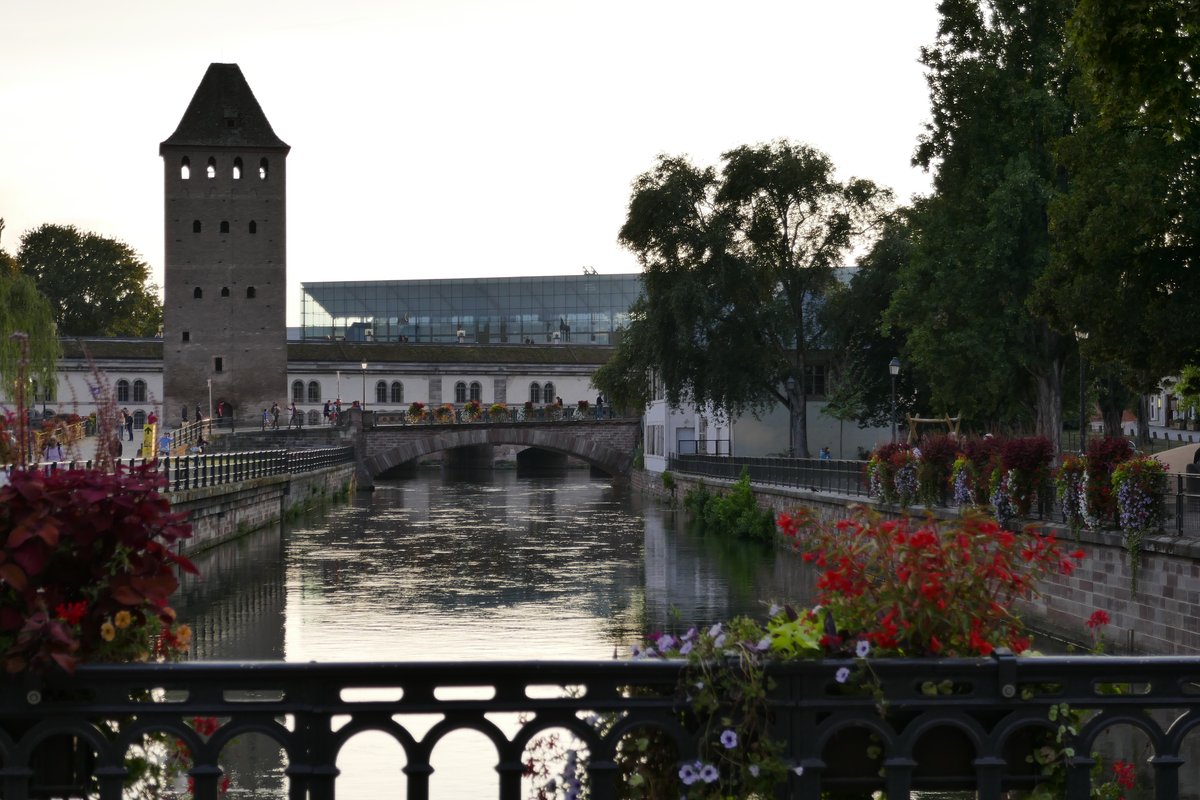
The island’s most romantic quarter, known for canals, half-timbered houses, and the Barrage Vauban panoramic terrace (open 10:00 AM–6:00 PM). Best explored on foot.
Place Kléber & Place Gutenberg
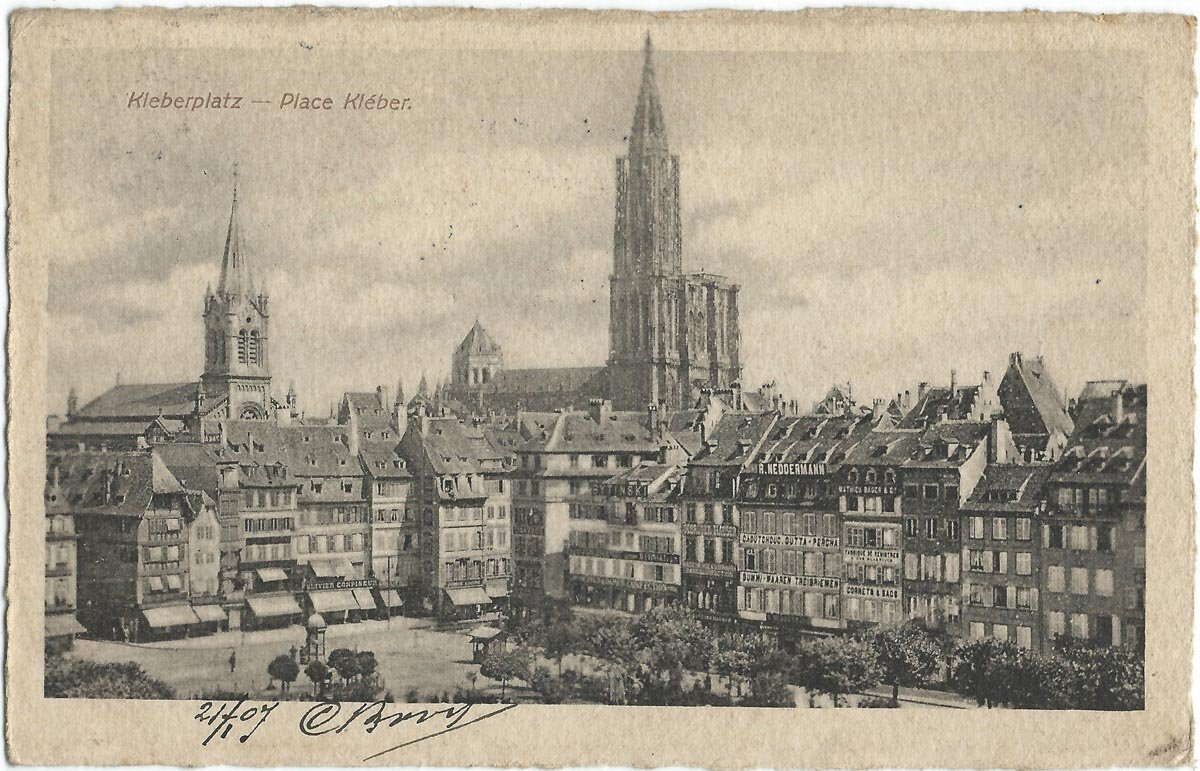
Place Kléber is Strasbourg’s central square, hosting markets and major events. Place Gutenberg, near the cathedral, features Renaissance and Baroque buildings and vibrant local life.
Museums
- Musée de l’Œuvre Notre-Dame: Daily 10:00 AM–6:00 PM (closed Tuesdays).
- Musée Alsacien: Tues–Sun, 10:00 AM–6:00 PM.
- Musée Historique: Wed–Mon, 10:00 AM–6:00 PM.
- Musée d’Art Moderne et Contemporain: Tues–Sun, 10:00 AM–6:00 PM.
(musiciansabroad.com), (france-voyage.com)
Franco-German Heritage and Cultural Identity
Grande Île’s bilingual signage, diverse architectural styles, and Alsatian dialect reflect Strasbourg’s legacy as a city between France and Germany. The Neustadt district, built during German rule, contrasts with the island’s medieval core.
Culinary traditions thrive in winstubs—cozy taverns serving specialties like choucroute, flammekueche, and baeckeoffe. Seasonal events, especially the Christkindelsmärik (Christmas Market), reinforce Strasbourg’s status as the “Capital of Christmas.” The city is also home to major European institutions, highlighting its role as a symbol of unity and peace (musiciansabroad.com), (voyagetips.com).
Urban Fabric and Architectural Landmarks
Grande Île’s preserved street plan includes key sites such as Place Kléber, the Vauban Dam, and religious landmarks—Église Saint-Thomas, Église Saint-Pierre-le-Jeune, and others. The Kammerzell House, Palais Rohan, and Hôtel de Hanau showcase the city’s architectural evolution.
(en.wikipedia.org), (francerent.com)
Practical Visitor Information
- Getting Around: Grande Île is best explored on foot or by bike. The area is pedestrian-friendly with smooth pavements; trams and buses stop at Langstross Grand’Rue and Homme de Fer.
- Strasbourg Pass: Consider the Strasbourg Pass for combined entry to attractions, public transport, and boat tours.
- Guided Tours: Offered in multiple languages, including walking, bike, and boat tours.
- Dining: Try traditional winstubs for Alsatian cuisine or riverside cafés for local wines and pastries.
- Accommodation: Range from boutique hotels to international chains; book in advance during peak seasons.
- Accessibility: Most main areas are accessible, but some historic sites have limitations due to stairs or narrow entries.
(visitstrasbourg.fr, enjoystrasbourg.com)
Preservation and UNESCO Recognition
Grande Île was the first entire city center designated a UNESCO World Heritage Site in 1988 for its blend of French and Germanic elements and remarkable preservation. The city works with UNESCO to ensure sustainable tourism and safeguard its historic character while supporting vibrant urban life (strasbourg.eu).
Frequently Asked Questions (FAQ)
Q: What are the Cathédrale Notre-Dame de Strasbourg opening hours?
A: Daily from 7:00 AM–11:15 AM & 12:45 PM–7:00 PM. Spire access and museum times may differ—check official sites for details.
Q: How do I get tickets for the cathedral spire or museums?
A: Buy on-site or via official tourism and museum websites. Combined passes are available.
Q: Is Grande Île wheelchair accessible?
A: Most main areas and museums are accessible; some historic sites have limited access due to stairs.
Q: Are there guided tours in English?
A: Yes, guided tours (walking, cycling, boat) are available in English and other languages.
Q: What is the best time to visit?
A: Spring and early autumn (pleasant weather, fewer crowds); December for the Christmas Market.
Q: Is the Strasbourg Pass worth it?
A: Yes, if you plan to visit multiple attractions and use public transport over three days.
Tickets & tours.
These are guided options from our partners — same price as booking direct.
Prices are indicative — final pricing and availability are confirmed at checkout. Audiala may earn a commission from bookings made through these links.
Listen to the full story in the app
The whole Grande Île, Strasbourg,
told well.
Audio guides for 1,100+ cities across 96 countries. History, stories, and local insight — offline ready.
Verified, and shown.
Researched and written by the Audiala editorial team from historical records, architectural archives, and local expertise.
Researched from Wikidata, Wikipedia & official sources · fact-checked · How we make our guides →