Introduction
Located in the heart of Strasbourg and just steps behind the city’s iconic cathedral, the Grand Séminaire de Strasbourg is a cornerstone of Alsace’s spiritual, cultural, and architectural heritage. With origins dating back to the late 17th century, the seminary reflects a unique blend of French and German influences, as seen in its neoclassical architecture and centuries-old traditions of Catholic education. While primarily an active center for priestly formation, the Grand Séminaire also welcomes visitors during special events and guided tours, offering rare insight into its serene courtyards, historic chapel, and exceptional library.
This comprehensive guide provides everything you need to plan a rewarding visit, from historical context and architectural highlights to practical information on tickets, tours, accessibility, and nearby attractions.
For the latest visitor information and tour bookings, consult the official Grand Séminaire de Strasbourg website (grandseminaire.alsace) and explore additional architectural details on Archi-Wiki (archi-wiki.org).
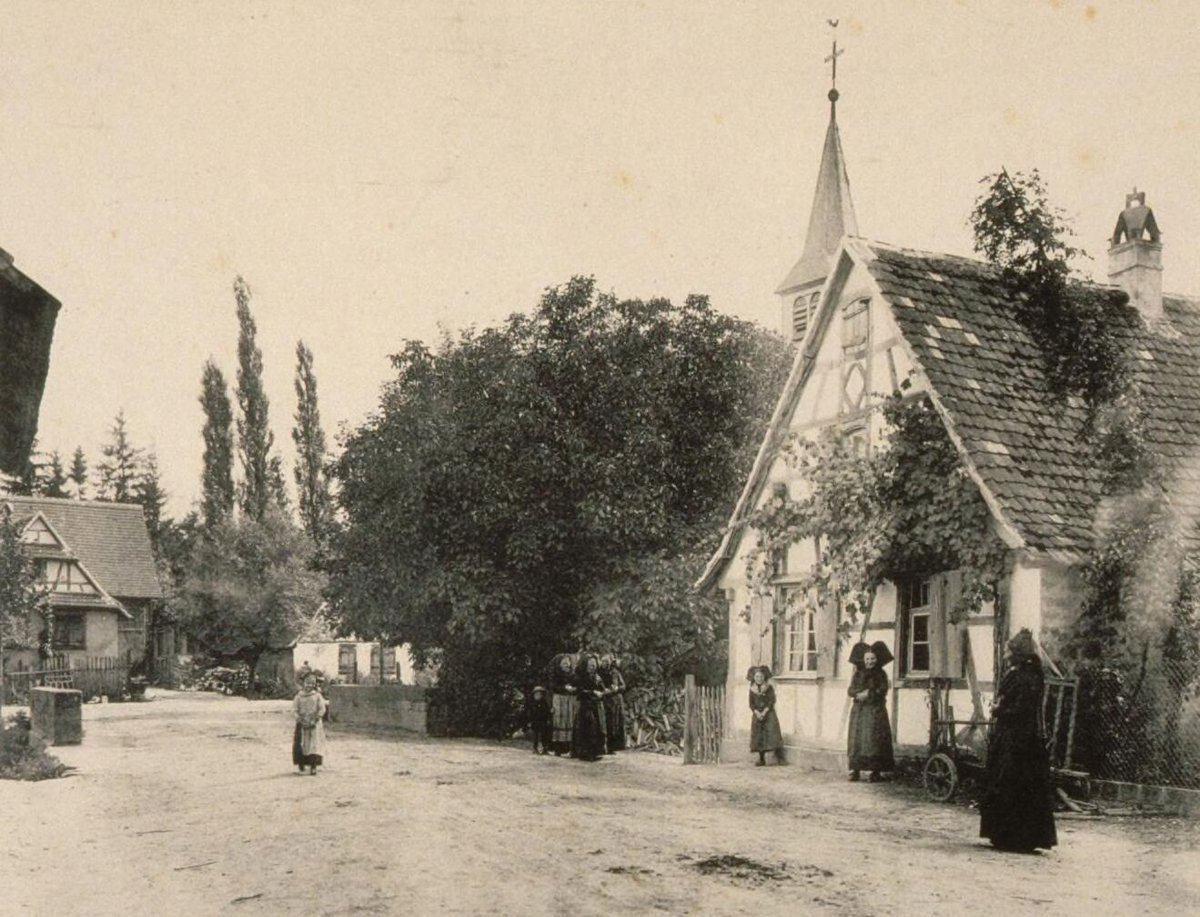
The Grand Séminaire de Strasbourg was founded in 1683, its establishment closely following the city’s transition from Protestant to Catholic rule in the wake of the French annexation of Alsace. Initially, Catholic seminarian training occurred in nearby Molsheim due to Strasbourg’s Protestant leanings, but by the late 17th century, the seminary found its permanent home adjacent to the Strasbourg Cathedral.
The site itself has medieval roots, having evolved from the 11th-century Bruderhof, a monastic complex for the Frères de Notre-Dame. Over the centuries, the property saw several reconstructions, most notably the 18th-century transformation led by architect François-Simon Houlié, who crafted the elegant neoclassical quadrangle we see today (archi-wiki.org).
Throughout its history, the seminary has adapted to the times—serving as a hospital, university faculty, and even a detention center during the French Revolution and World Wars—yet it has always returned to its primary mission of priestly education and spiritual formation (grandseminaire.alsace).
Photo Gallery
Explore Grand Séminaire De Strasbourg in Pictures

Architectural Highlights
Exterior and Courtyards
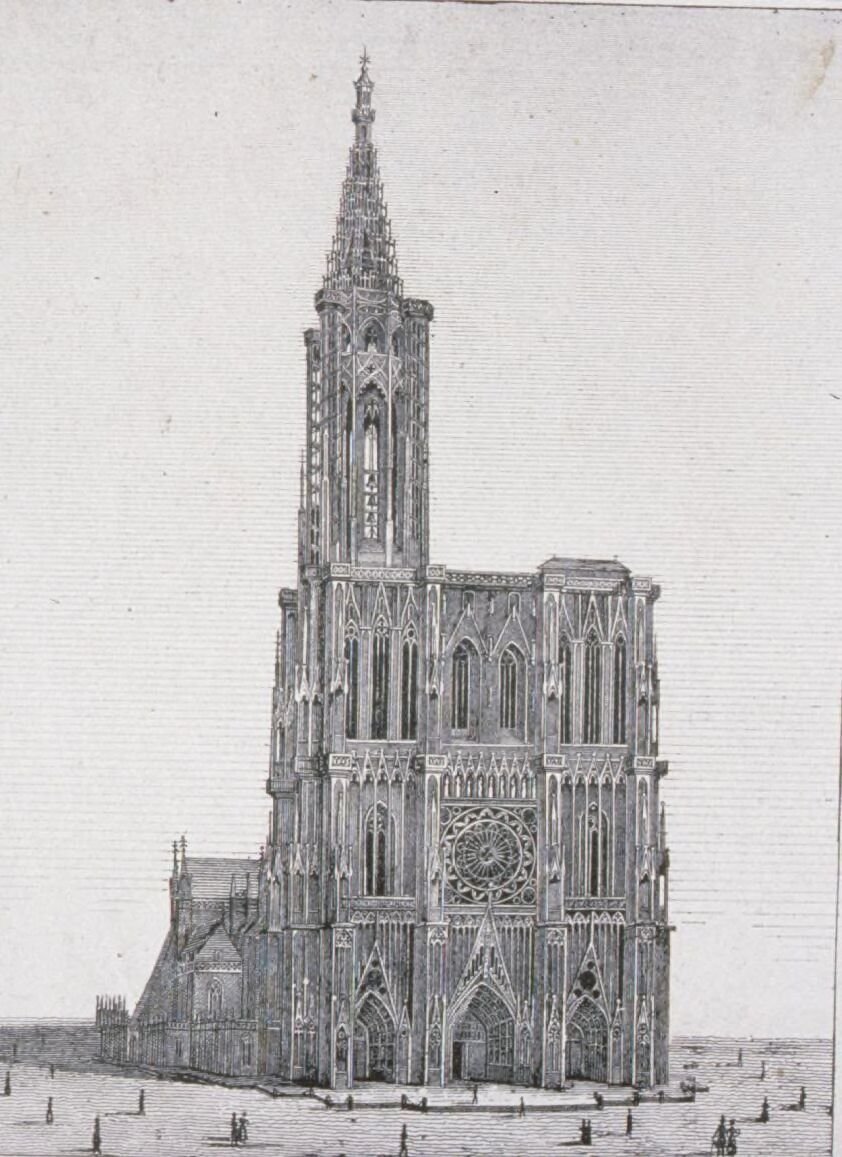
The Grand Séminaire’s main façade, constructed from pink Vosges sandstone, is a striking example of late-18th-century neoclassical style. Its monumental blue doors and the inscription “SEMINARIUM” welcome visitors into a peaceful inner courtyard—a marked contrast to the bustling city beyond. The quadrangular building encloses multiple serene gardens and offers views of the cathedral’s rear façade (grandseminaire.alsace).
Interior Spaces
Inside, the seminary comprises a refectory, conference halls, residential quarters, and two distinctive libraries: a modern collection for current theological studies and a historic 18th-century library with rare manuscripts and incunabula. The interiors are characterized by understated elegance, period woodwork, and original architectural details (grandseminaire.alsace).
The Chapel Sainte-Marie-Majeure
A jewel of Louis XVI neoclassical architecture, the chapel features restrained stucco work, large windows, and an organ crafted by Yves Kœnig in 1985. The chapel is a focal point for both daily worship and special sacred music events (fr.wikipedia.org).
Historic Features
Among the seminary’s treasures is a 15th-century Gothic well, classified as a historical monument since 1939. This artifact is a rare survivor of Strasbourg’s medieval stonework (archi-wiki.org).
Cultural and Religious Significance
Catholic Education and Intellectual Life
The Grand Séminaire has been a vital force in Catholic education since its Jesuit direction in the late 17th century. Today, seminarians receive both in-house formation and university-level instruction through collaboration with the Catholic Faculty of Theology at the University of Strasbourg (grandseminaire.alsace).
The historic library, curated for decades by Louis Schlaefli, houses rare theological texts and supports both research and ongoing priestly formation.
Community and Events
Beyond its academic mission, the seminary is an active participant in Strasbourg’s cultural life. It hosts daily liturgical celebrations, open-house events during European Heritage Days, lectures, exhibitions, and sacred music concerts, often featuring its renowned organ (strasorgues.fr).
Monument Protection
Key features, such as the Gothic well, are protected as Monuments Historiques, reflecting the building’s significance in Strasbourg’s urban and religious identity (archi-wiki.org).
Visitor Information
Location and Access
- Address: 2 rue des Frères, 67000 Strasbourg, directly behind the Strasbourg Cathedral (grandseminaire.alsace)
- Getting There: Easily accessible on foot from the city center; nearby tram and bus stops; limited parking available.
Visiting Hours and Tickets
- General Public Access: The seminary is primarily a private institution but opens for visitors during special events, such as European Heritage Days, and for guided tours by appointment.
- Chapel Access: Open during specific hours for Mass and religious services; visiting times may vary.
- Tickets: General admission is usually free during open days; guided tours may require advance booking and a small fee (grandseminaire.alsace).
Guided Tours
- Languages: Tours are available in French, English, and German.
- Booking: Advance registration is recommended, especially during peak times or special events (grandseminaire.alsace).
- Content: Tours typically include the main façade, courtyard, chapel, and (on select dates) the historic library.
Accessibility
- The main entrance and courtyard are accessible to visitors with reduced mobility. Some historic areas (upper floors, certain gardens) may have limited access. Contact the seminary in advance for assistance (alsace.catholique.fr).
Travel Tips and Nearby Attractions
- Best Time to Visit: Spring and autumn, when the city’s cultural calendar is vibrant and crowds are lighter.
- Nearby Attractions: Strasbourg Cathedral, Palais Rohan, and the Petite France district are all within walking distance.
- Dress Code: Modest attire is recommended, especially when attending Mass or touring sacred spaces.
- Photography: Allowed in most public areas, but restrictions may apply in the chapel and library—always ask before photographing.
Community Engagement and Events
The Grand Séminaire regularly hosts public religious services, cultural events, and educational programs, including open days, lectures, and sacred music concerts. It actively collaborates with diocesan services and the wider Strasbourg community to promote dialogue and engagement (grandseminaire.alsace).
Frequently Asked Questions (FAQ)
Q: When can I visit the Grand Séminaire de Strasbourg?
A: The seminary is open to visitors during special events and by appointment for guided tours. The chapel is accessible during public services.
Q: Are tickets required?
A: General access is free during open days; guided tours may require booking and a ticket.
Q: Is the seminary accessible for people with disabilities?
A: The main entrance and courtyard are accessible; some historic areas may be limited. Contact the seminary for specific arrangements.
Q: Can I attend Mass at the seminary?
A: Yes, the chapel holds regular public Masses; check current schedules online.
Q: Are guided tours available year-round?
A: Guided tours are generally offered during special events or by appointment; verify upcoming dates on the official website.
Q: What other historical sites are nearby?
A: The Strasbourg Cathedral, Palais Rohan, and Petite France district are all close by.
Listen to the full story in the app
Your Personal Curator, in Your Pocket.
Audio guides for 1,100+ cities across 96 countries. History, stories, and local insight — offline ready.
Audiala App
Available on iOS & Android
Join 50k+ Curators
Sources
- verified
- verified
- verified
- verified
- verified
Last reviewed: