Introduction
Nestled in the heart of Alsace, near Strasbourg, the legacy of Ettore Bugatti stands as a testament to automotive artistry and engineering supremacy. As the founder of one of the world’s most prestigious automobile marques, Ettore Bugatti’s influence extends far beyond luxury cars. His story is deeply woven into Alsace’s unique cultural fabric—a region marked by French, German, and Italian influences. Today, visitors can discover Bugatti’s enduring legacy through the Musée de la Chartreuse in Molsheim, the historic Château Saint-Jean, and the annual Bugatti Festival, experiencing firsthand the innovation, craftsmanship, and regional pride that continue to define the Bugatti name (Bugatti Newsroom; Car and Driver; Kaicedrat; ot-molsheim-mutzig.com).
This guide offers a comprehensive look at Bugatti’s history in Alsace, museum visiting hours, ticketing information, travel tips, and event highlights—ensuring an unforgettable visit for car enthusiasts, history lovers, and cultural explorers alike.
Photo Gallery
Explore Ettore Bugatti in Pictures
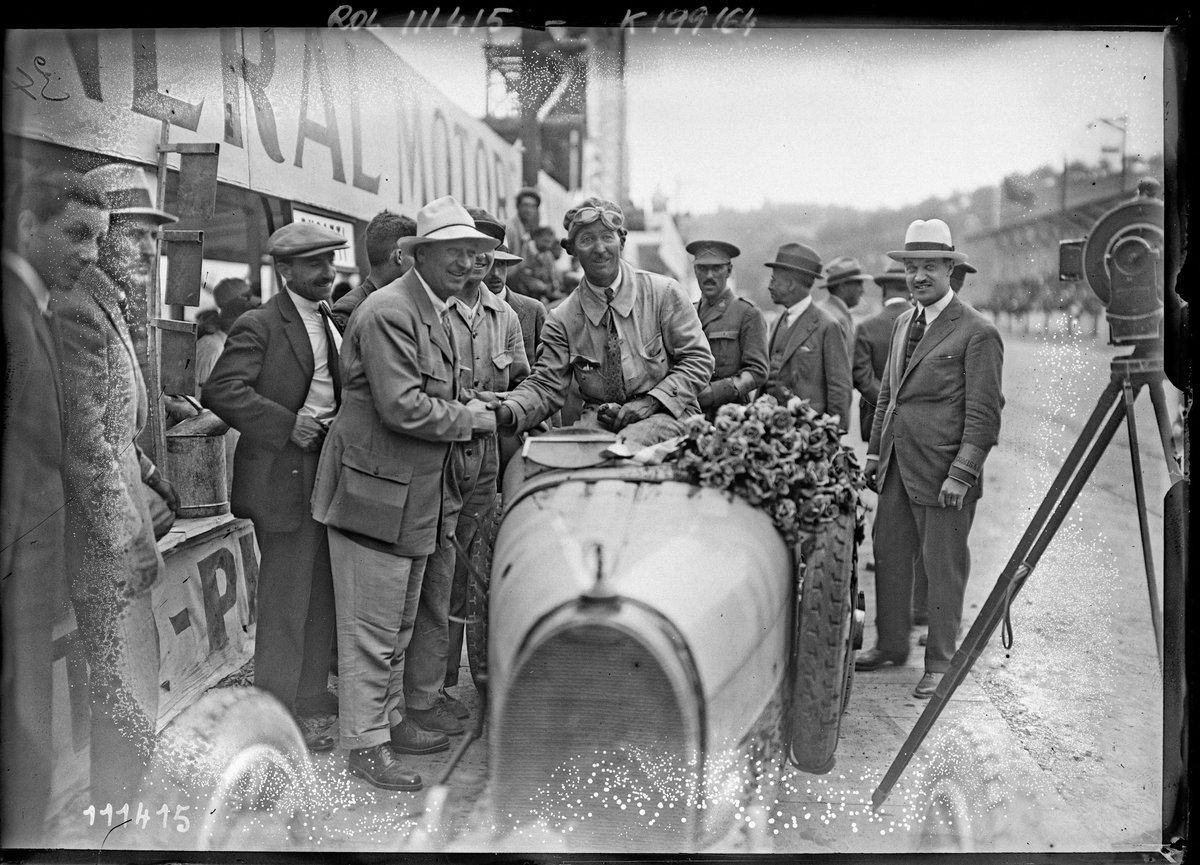
Historic black-and-white portrait of Jules Goux (1885-1965) alongside his Bugatti car following his victory at the 1926 Grand Prix d'Europe in San Sebastián, Spain. Part of a collective portrait series from 1914-1945, illustrating early 20th-century motorsport.
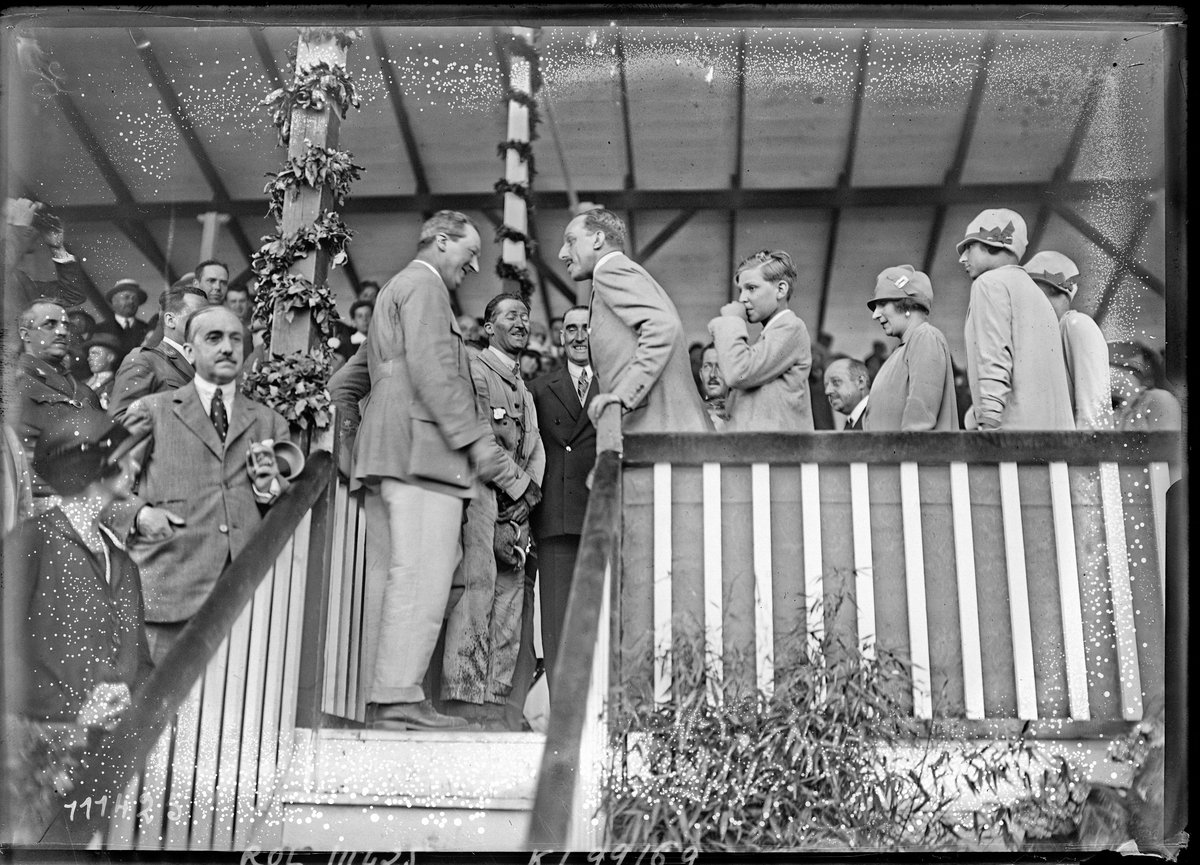
Photograph taken on July 19, 1926, featuring King Alfonso XIII of Spain congratulating Ettore Bugatti and Jules Goux at the Grand Prix d'Europe in San Sebastián, Spain. Historical image documenting notable figures in early 20th-century motorsport and royalty.
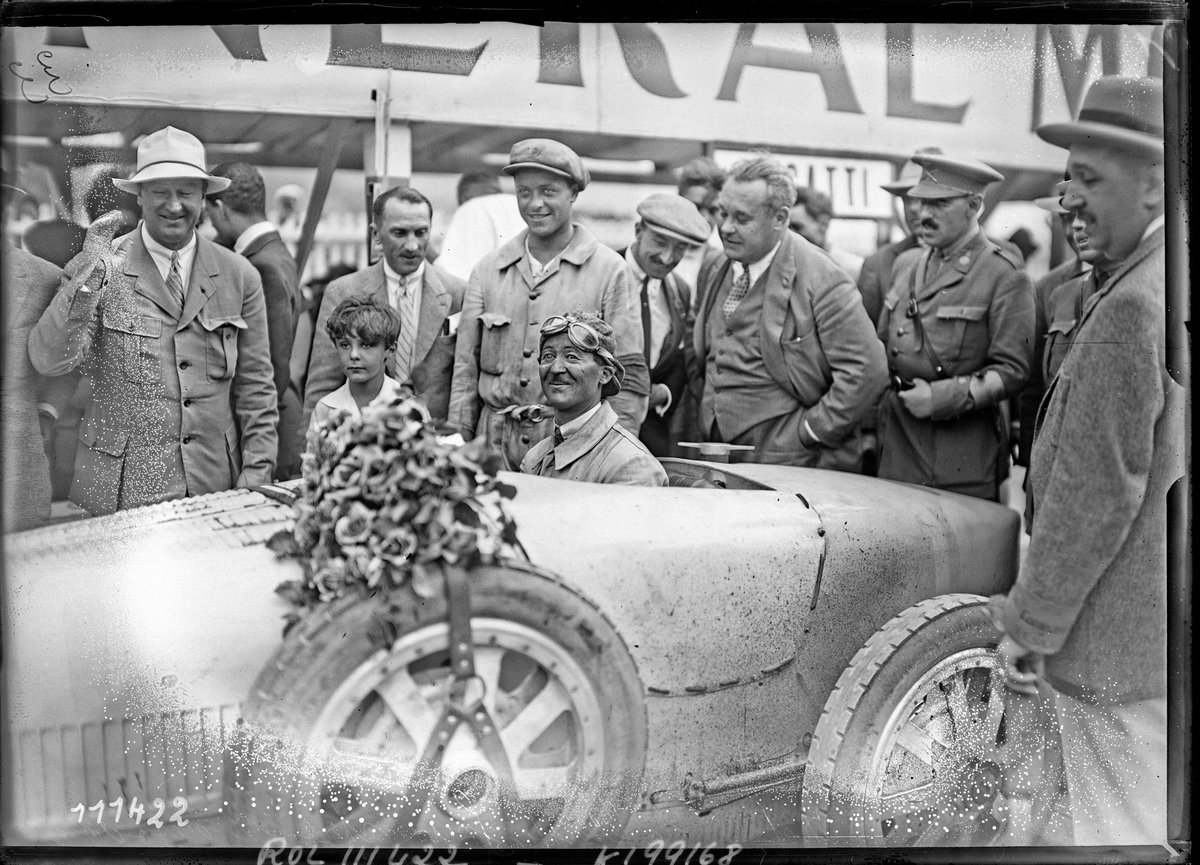
Portrait of Jules Goux taken on July 18, 1926, after his victory at the Grand Prix of Europe held in San Sebastian, Spain. The image features Bugatti automobiles and is part of historical collective portraits from 1914 to 1945.
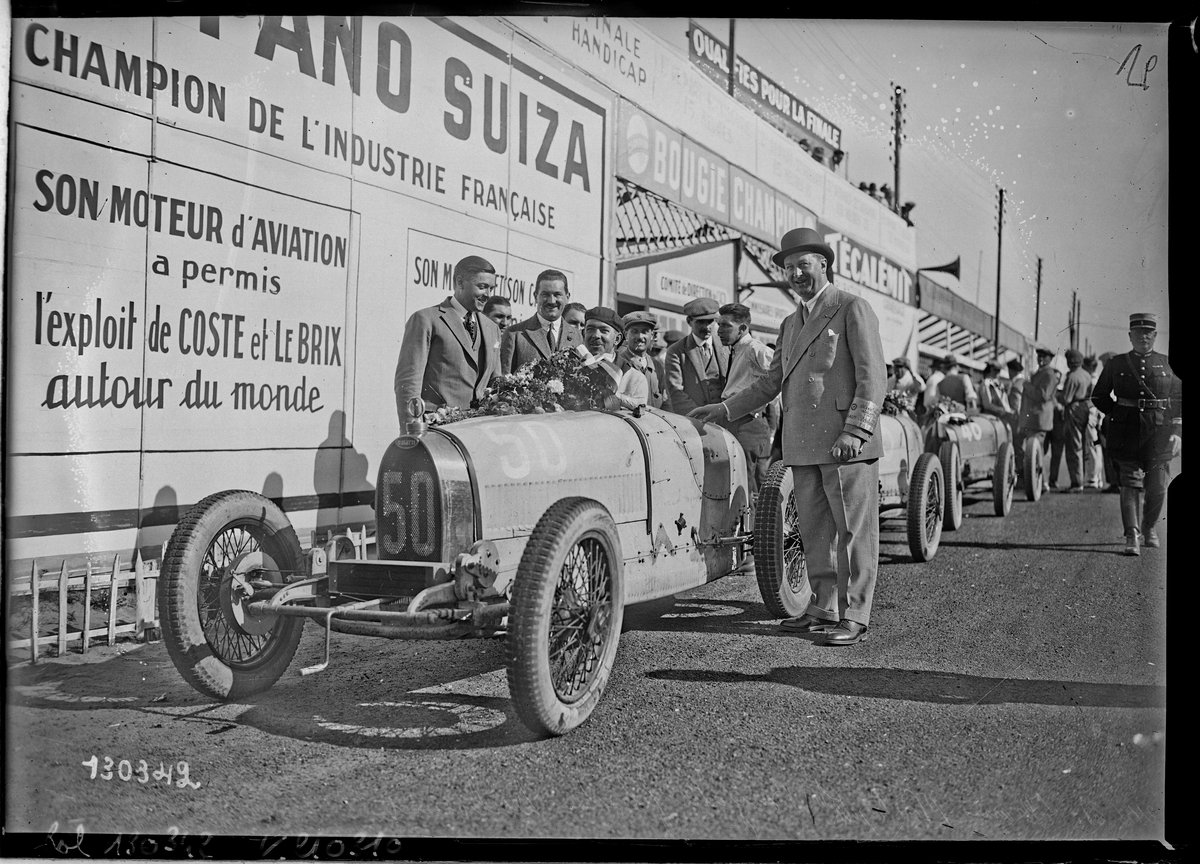
Historic black and white photograph showing Ettore Bugatti congratulating race car driver André Dubonnet at the Bugatti Grand Prix in Le Mans, France on June 24, 1928. This image captures a significant moment in early 20th century French automotive racing history.
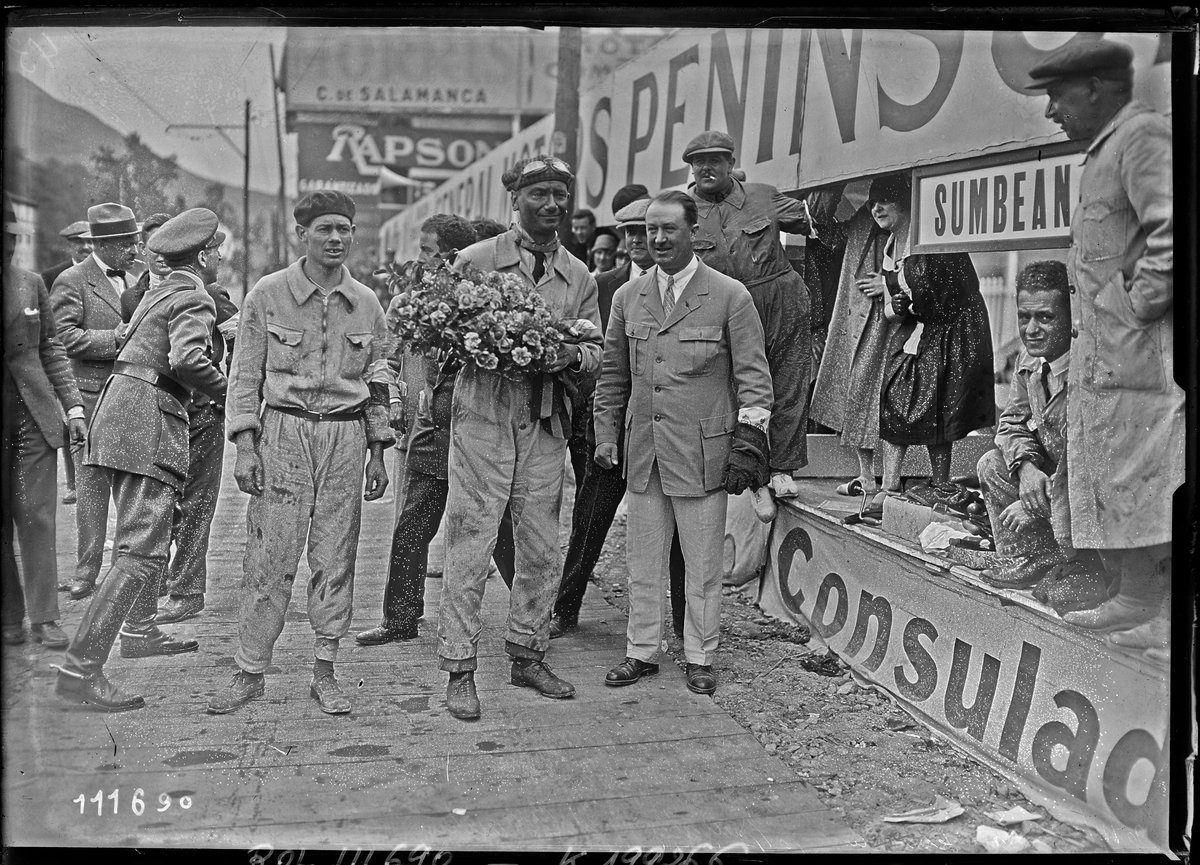
Historic 1926 Grand Prix automobile race in San Sebastian, Spain showing Bugatti race car and winner driver Bartolomeo Costantini, dated July 25, 1926.
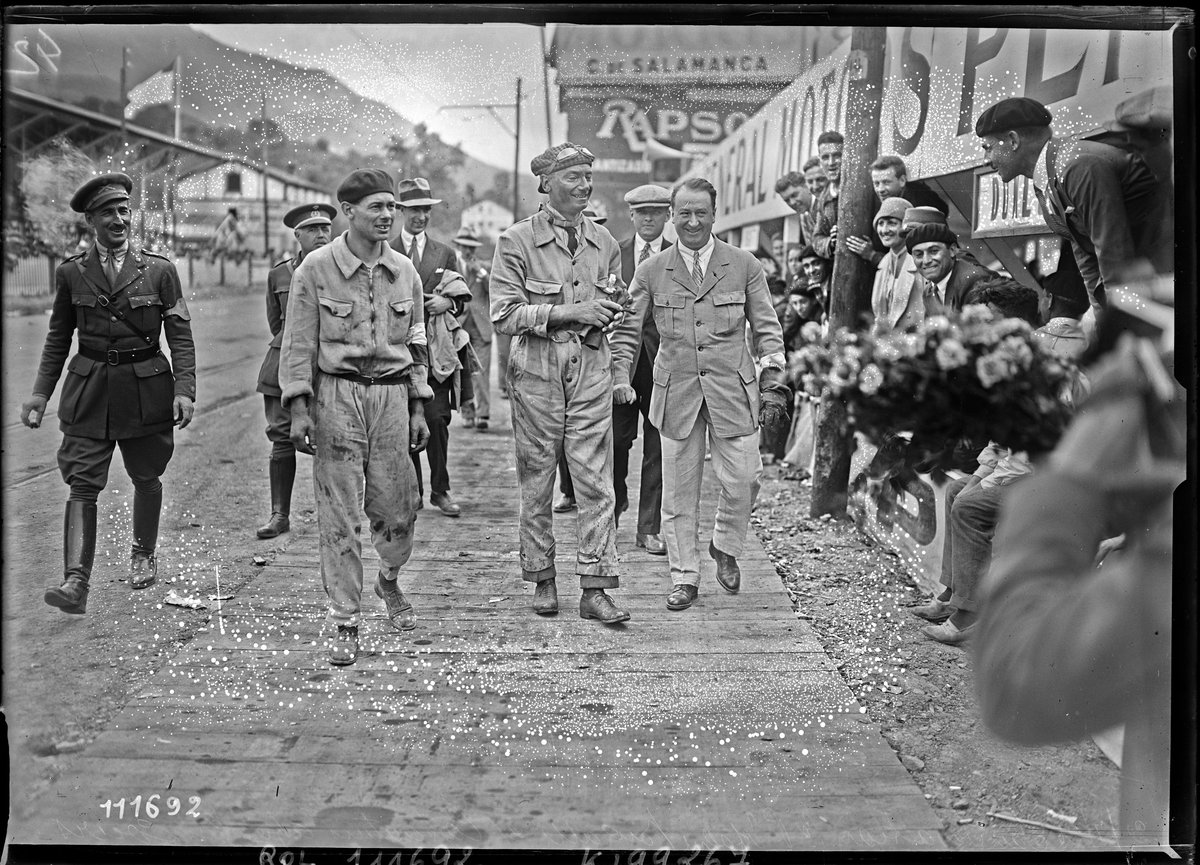
Black and white historic photograph showing portraits of Ettore Bugatti and Bartolomeo Costantini after the Grand Prix d'Espagne motor race in San Sebastián, Spain, July 25, 1926. The image captures a significant moment in automobile racing history.
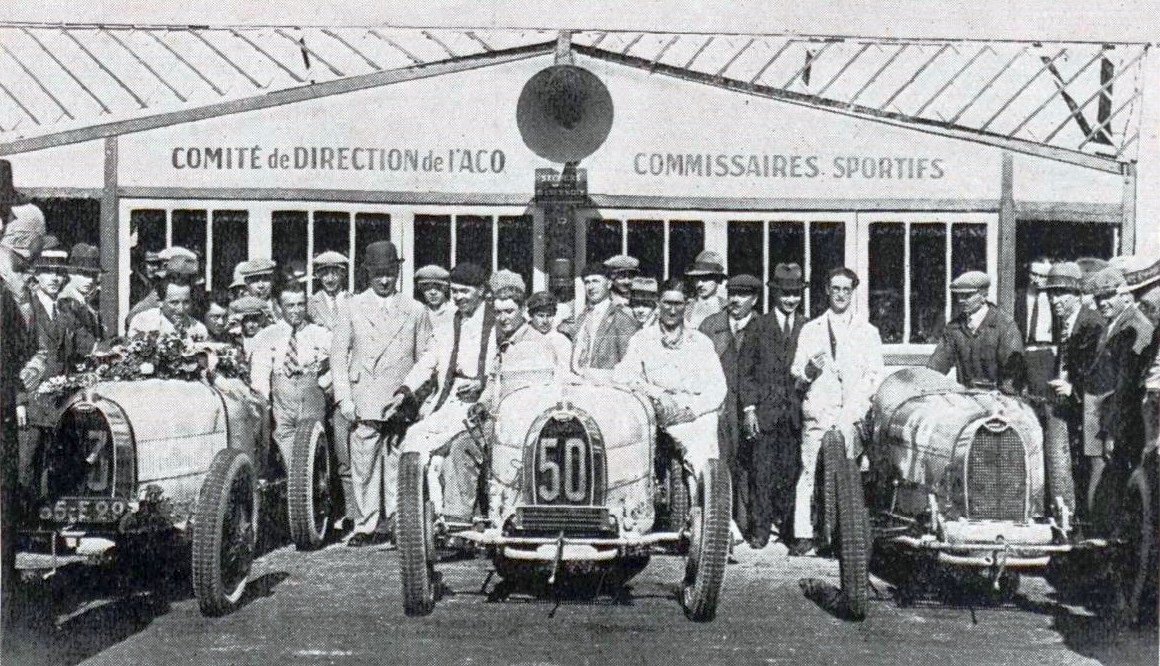
Historic photo of the 1928 Bugatti Grand Prix finish showing drivers Ph. de Rotschiled (2nd), E. Bugatti, Dubonnet (1st), Williams (4th), and Zehender (4th) at the race's end.
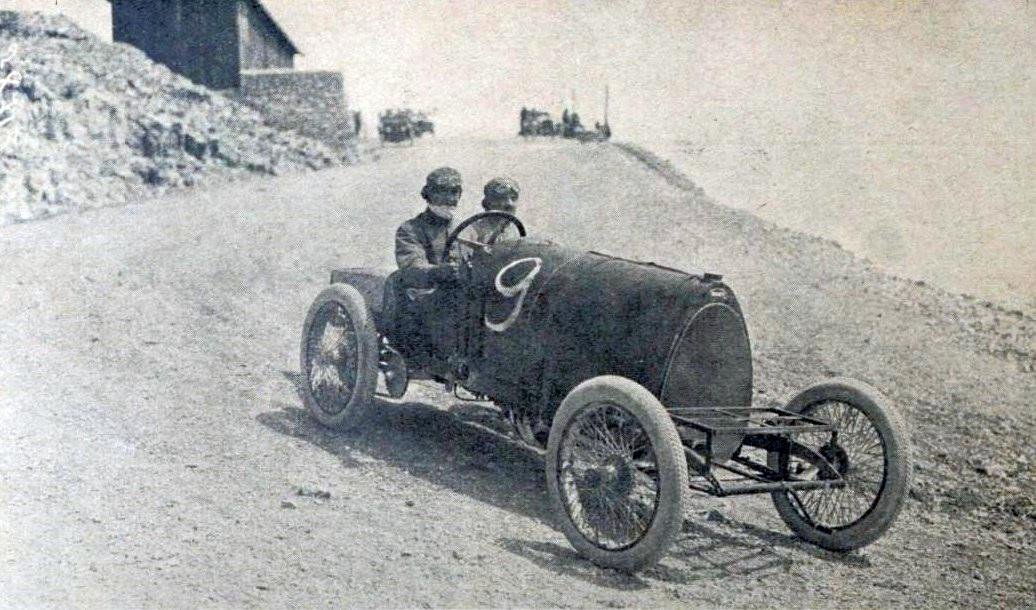
Historical image from the 1912 Mont Ventoux hill climb race featuring Ettore Bugatti driving a classic chain-driven Bugatti automobile.

Historical photo of Ettore Bugatti standing next to the Bugatti Type 32 'Tank' race car, showcasing early 20th century automotive design and innovation.
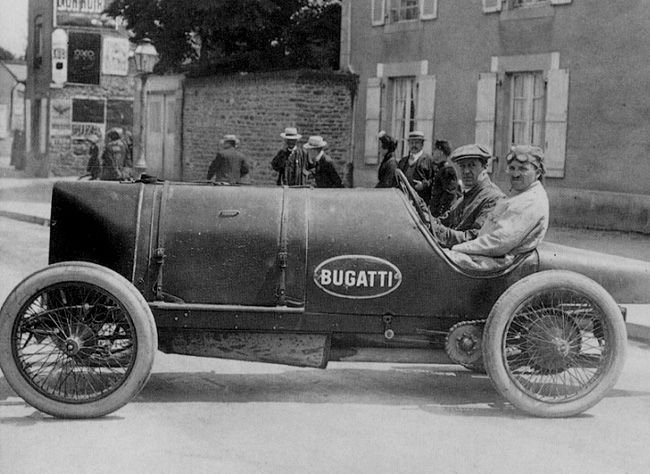
Black and white historical photo of Ettore Bugatti, founder of Bugatti automobiles, posing beside the vintage Bugatti Type 18 car showcasing early automotive design and engineering.
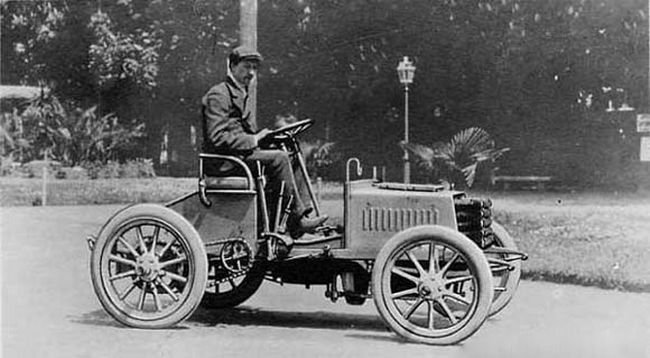
Historic black and white photo of Ettore Bugatti posing next to the Bugatti Type 2, an early vintage automobile showcasing classic design and engineering.
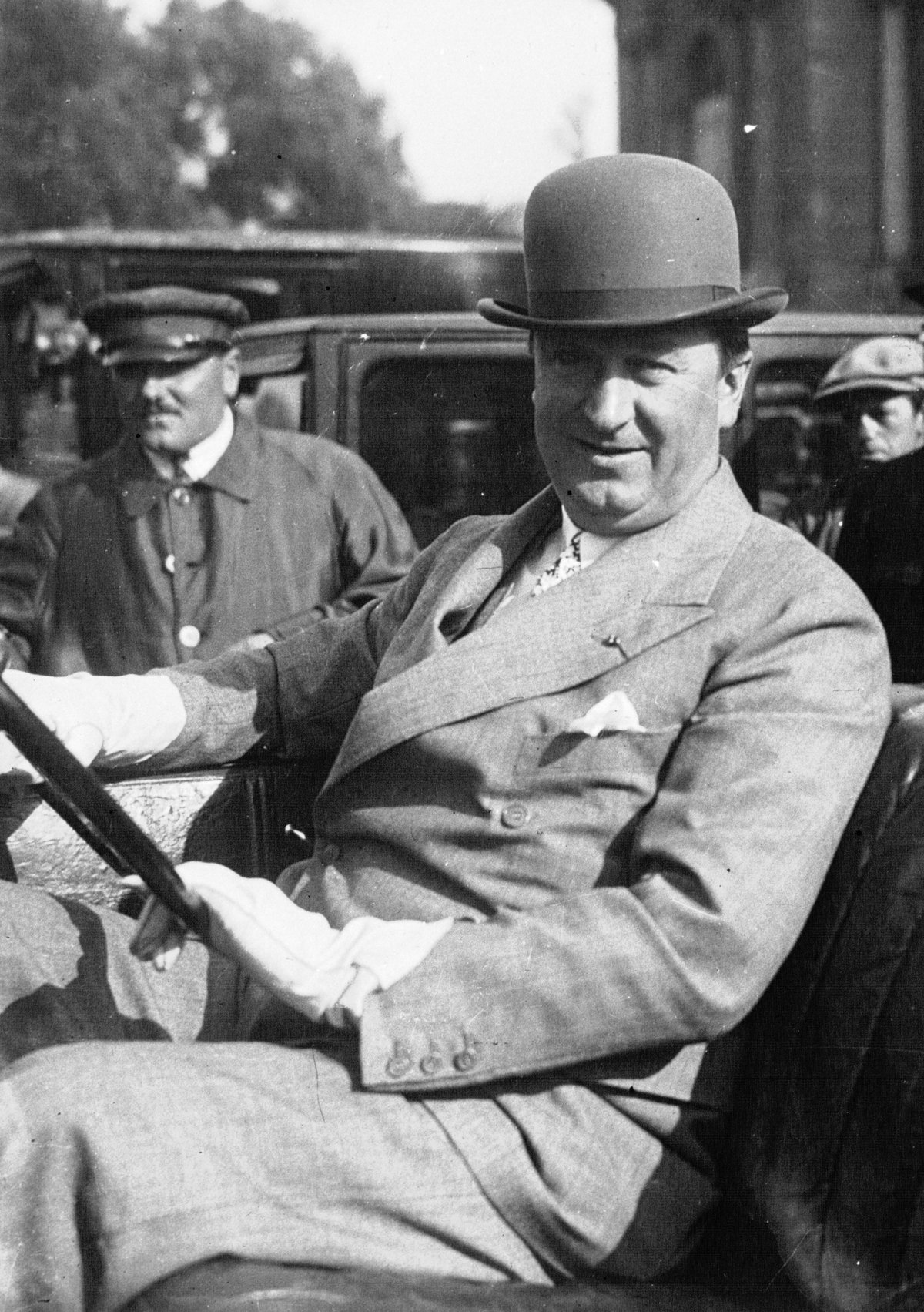
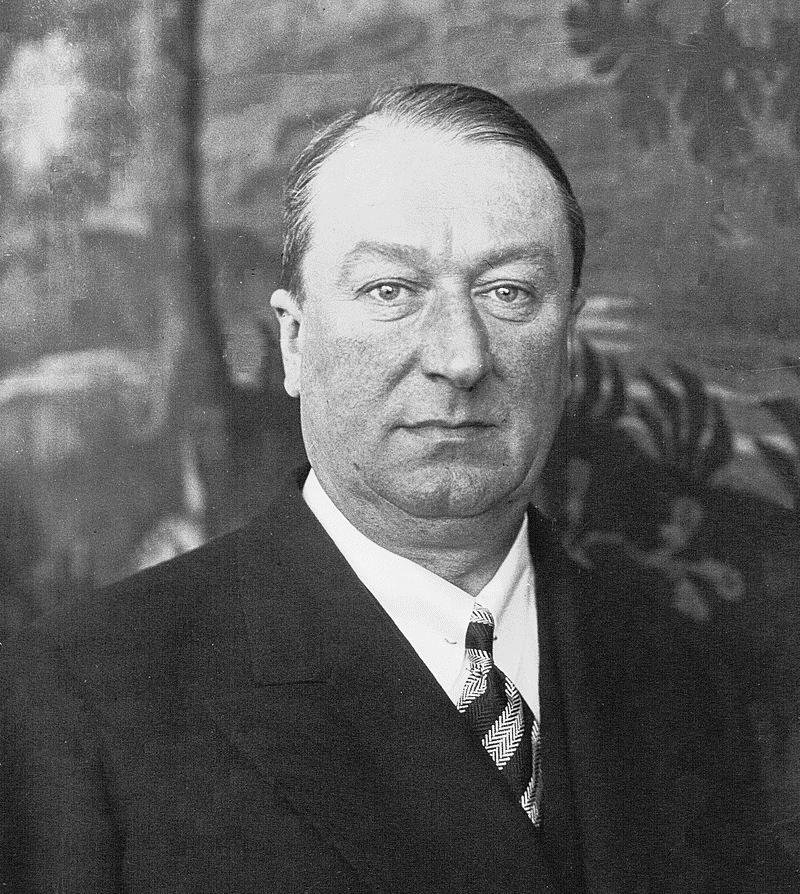
Black and white photograph of Ettore Bugatti, the renowned Italian-French automobile designer and manufacturer, taken in 1926.
Ettore Bugatti’s Early Life and Arrival in Alsace
Born in Milan in 1881, Ettore Bugatti was raised in a family renowned for artistic and technical achievements. His father, Carlo, was a celebrated designer; his brother, Rembrandt, a noted sculptor (The Famous People). Ettore’s early exposure to art and engineering fostered a unique approach to automotive design.
In the early 1900s, Bugatti’s talents caught the attention of Baron de Dietrich, leading to his first professional engagement in Alsace. He produced De Dietrich-Bugatti vehicles in Niederbronn and later collaborated with Emil Mathis in Strasbourg (NMPro.net).
The Founding of Bugatti in Molsheim
Ettore Bugatti established his factory in Molsheim in 1909, leveraging the region’s skilled workforce and industrial infrastructure (Bugatti Newsroom; Hagerty). The factory’s first model, the Type 13, set the standard for lightweight, high-performance vehicles. Molsheim quickly became synonymous with Bugatti excellence, innovation, and luxury.
Alsace’s Shifting Borders and Bugatti’s Identity
Alsace’s turbulent history—oscillating between French and German control—shaped Bugatti’s identity. Originally operating under German administration, Bugatti adopted French citizenship after World War I. The brand’s DNA fuses Italian creativity, German engineering, and French elegance, mirroring Alsace’s multicultural heritage (Hagerty).
Bugatti’s Innovations and Achievements
The 1920s and 1930s marked Bugatti’s golden era. The Type 35 dominated racing, winning over 2,000 competitions, while the Type 41 Royale epitomized opulence (Tourisme Mulhouse; The Rake). Ettore’s philosophy—“Nothing is too beautiful, nothing is too expensive”—guided the creation of vehicles that remain icons of design and engineering.
War, Decline, and Revival of Bugatti
World War II devastated Bugatti’s operations. The factory endured occupation, and Ettore suffered personal loss with the death of his son, Jean, in 1939. Ettore Bugatti passed away in 1947, and the original company declared bankruptcy in 1956 (Bugatti Newsroom).
The brand was revived in the late 20th century. Volkswagen Group’s acquisition in 1998 led to the restoration of the Molsheim site and the launch of hypercars such as the Veyron and Chiron (Lectris Performance; Top Gear).
Visiting Bugatti Heritage Sites: Hours, Tickets, and Tips
Bugatti Museum (Musée de la Chartreuse), Molsheim
Located in a former Carthusian monastery, the museum offers a dedicated Bugatti room with classic vehicles, engines, and memorabilia.
- Opening Hours:
- April–September: Tuesday–Sunday, 10:00 AM–6:00 PM
- October–March: Tuesday–Sunday, 2:00 PM–5:00 PM
- Closed Mondays and public holidays
- Tickets:
- Adults: €6
- Reduced (students, seniors): €4
- Children under 12: Free
- Guided Tours: Available upon request; audio guides in English and French.
- Accessibility: Wheelchair accessible, with ramps and elevators (ot-molsheim-mutzig.com; Kaicedrat).
Château Saint-Jean
Ettore Bugatti acquired this elegant manor in 1928 as a reception center for clients. Today, it is part of Bugatti’s private estate and generally not open to the public except during special events such as the Bugatti Festival (Car and Driver; Bugatti Festival Molsheim).
Dorlisheim Cemetery
The Bugatti family tomb, located in Dorlisheim Cemetery, is a place of reflection for fans. The cemetery is open daily from dawn to dusk; visitors are asked to be respectful.
Getting There
- By Car: Molsheim is about 30 minutes from Strasbourg via the A35; parking is available.
- By Train/Bus: Regional trains and buses connect Strasbourg to Molsheim; the museum is a short walk from the station.
- By Air: Strasbourg Airport (SXB) is the nearest international gateway (anusedcar.com).
Special Events: Bugatti Festival
Held annually in September, the Bugatti Festival is a highlight for enthusiasts. The event features parades, exhibitions, and technical demonstrations, attracting Bugatti owners and fans worldwide. Most events are free, but some require registration. Early booking for accommodation is recommended (JDS Strasbourg; Bugatti Festival Molsheim).
Strasbourg’s Historical Context and Related Museums
While Strasbourg does not host a dedicated Bugatti museum, several institutions provide context for Bugatti’s roots in the region’s industrial and cultural history.
- Musée Historique de la Ville de Strasbourg: Explores the city’s evolution, including the industrial era.
- Hours: Tuesday–Sunday, 10:00 AM–6:00 PM; €5 admission.
- Musée Alsacien: Focuses on regional traditions and identity.
- Hours: Tuesday–Sunday, 10:00 AM–6:00 PM; €4 admission.
Practical Visitor Tips and Accessibility
- Language: French is primary, but German and English are widely understood. Basic French greetings are appreciated (Grown Up Travel Guide).
- Dining: Molsheim and Strasbourg offer Alsatian cuisine, including flammkuchen and regional wines (Wyld Family Travel).
- Accessibility: Most sites are accessible, but some historic buildings may have limitations. Contact ahead for assistance.
- Best Time to Visit: Spring and autumn offer mild weather and smaller crowds. The September Bugatti Festival is the peak season.
- What to Wear: Comfortable shoes are recommended; bring a light jacket for cooler weather (wanderlog.com).
- Advance Booking: Highly recommended for museum tickets and guided tours in peak seasons.
Frequently Asked Questions (FAQ)
Q: What are the Bugatti Museum visiting hours?
A: April–September, Tuesday–Sunday, 10:00 AM–6:00 PM; October–March, Tuesday–Sunday, 2:00 PM–5:00 PM. Closed Mondays and public holidays.
Q: How much are tickets?
A: Adults €6; reduced €4; children under 12 free.
Q: Is the museum accessible?
A: Yes, wheelchair accessible.
Q: Are guided tours available?
A: Yes, book in advance.
Q: Can I visit the Bugatti factory?
A: The factory is not open to the public; special tours occur during select events.
Q: When is the Bugatti Festival?
A: Annually in September; check the official festival website for dates.
Key Bugatti Sites Summary Table
| Site | Location | Main Attraction | Access | Visiting Hours & Tickets |
|---|---|---|---|---|
| Château Saint-Jean | Molsheim | Historic Bugatti residence | Limited | Open during special events; see festival website |
| Musée de la Chartreuse | Molsheim | Bugatti cars & memorabilia | Yes | Apr–Sep: Tue–Sun 10–18h; Oct–Mar: Tue–Sun 14–17h; €6/€4/free |
| Bugatti Festival | Molsheim | Parades, exhibitions | Yes | September; some events require registration |
| Dorlisheim Cemetery | Dorlisheim | Bugatti family tomb | Yes | Daily dawn to dusk; respectful visitation encouraged |
| Strasbourg Museums | Strasbourg | Regional context | Yes | See individual museum websites for details |
Listen to the full story in the app
Your Personal Curator, in Your Pocket.
Audio guides for 1,100+ cities across 96 countries. History, stories, and local insight — offline ready.
Audiala App
Available on iOS & Android
Join 50k+ Curators
Sources
- verified
- verified
- verified
- verified
- verified
- verified
- verified
- verified
Last reviewed: