Ancient Origins and Roman Foundations
The Alet Peninsula is among the oldest inhabited sites in the Saint-Malo region. Archaeological findings reveal it was home to the Coriosolites, a Gallic tribe, as early as the 1st century BCE. By the 1st century CE, the Romans established Reginca, a fortified garrison whose legacy endures in the name of the Rance River. Remnants of Gallo-Roman walls and a 4th-century edifice still mark the site’s ancient strategic and administrative significance (Saint-Malo Tourisme).
Medieval and Religious Significance
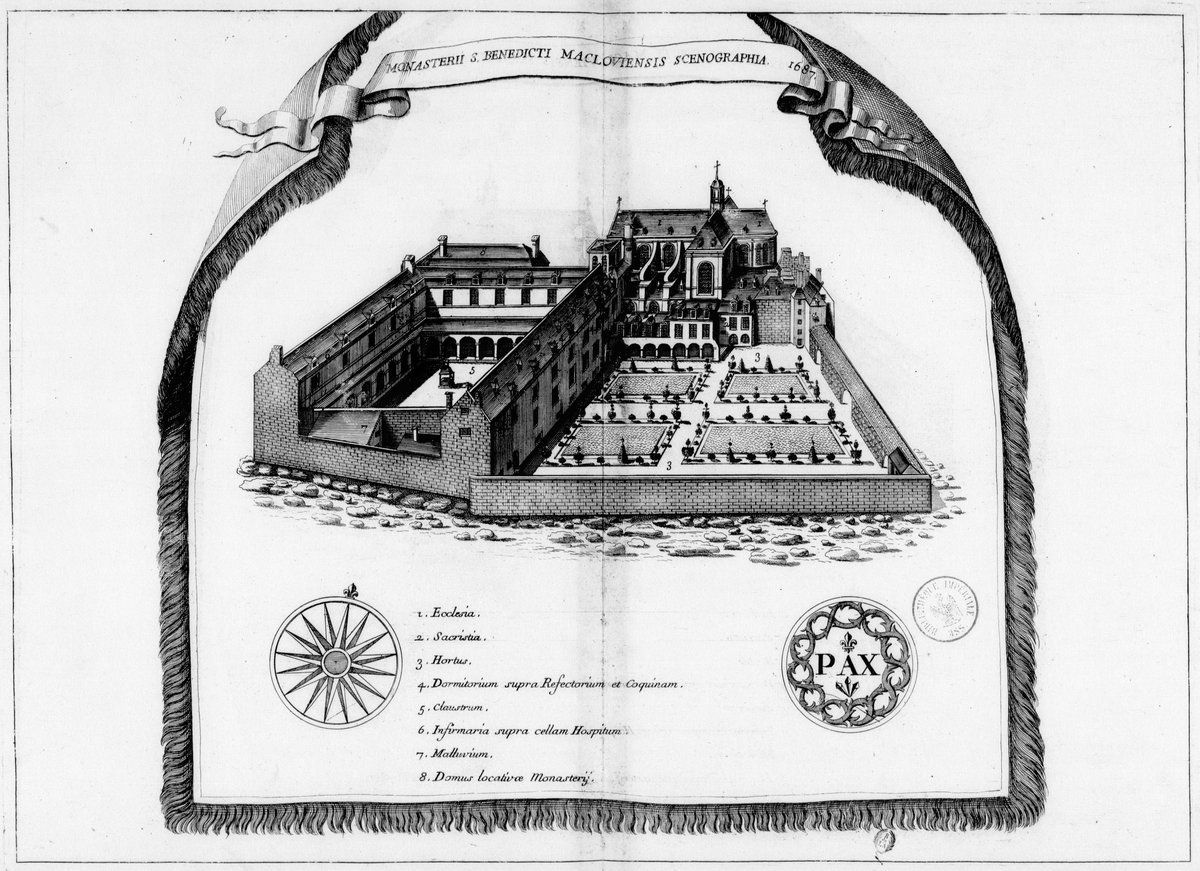
Aleth gained prominence as a religious center. The ruins of the pre-Romanesque Cathédrale Saint-Pierre (10th century) mark the oldest Christian worship site in Brittany. Earlier church remains from the 9th century and a 4th-century Gallo-Roman building also remain. In the 6th century, Saint Malo (Maclou), a Welsh monk, became Bishop of Aleth, making it a major episcopal seat until 1145, when the bishopric moved to what is now the walled city of Saint-Malo (Saint-Malo Tourisme).
18th Century Fortifications and Vauban Influence
The peninsula’s strategic location made it a natural stronghold for centuries, controlling access to the Rance estuary and maritime routes. Medieval fortifications defended against Franks, Saracens, and Vikings. The Tour Solidor, a 14th-century keep, was built to oversee river traffic. In 1759, following the English attack of 1758, the current fort was constructed, featuring bastions and sea walls reflecting military engineering principles influenced by Vauban (Travel France Online).
World War II and Modern Legacy
During World War II, German forces transformed Fort d’Aleth into a heavily fortified element of the Atlantic Wall. New bunkers and blockhouses were added, turning it into a focal point during the fierce 1944 liberation of Saint-Malo. The scars of these battles are still visible. Today, the largest bunker houses the Memorial 39/45 museum, dedicated to the region’s wartime history (Castles.nl).
Visitor Information
Getting There and Accessibility
- Location Alet Peninsula, Saint-Servan, Saint-Malo, France (Castles.nl)
- By Car Parking is available near Saint-Servan and the port of Bas Sablons.
- By Public Transport Bus lines 1 and 3 (Réseau MAT) stop within walking distance.
- On Foot Approximately 20–30 minutes from Intra-Muros via scenic coastal trails.
- Bicycle Bike-friendly area with rentals available in Saint-Malo.
Accessibility: Main paths and viewpoints are partially accessible to visitors with reduced mobility. Some WWII bunkers and ramparts have steep or uneven terrain—sturdy footwear is recommended.
Visiting Hours and Tickets
- Fort Grounds Open year-round, 24/7; free access to outdoor areas.
- Memorial 39/45 Museum Typically open April–November; hours and days may vary—check the official website for the latest schedule.
- Tickets
- Outdoor areas: Free
- Museum: €6–€8 for adults (reduced rates for children, students, groups)
- Guided tours: Small supplement; advance booking recommended
On-Site Facilities and Amenities
- Restrooms Public facilities at the main entrance and at Camping de la Cité d’Aleth.
- Food and Drink No on-site restaurants; nearby Saint-Servan offers bakeries, restaurants, and cafés. The campsite bar "Point Zéro" (open seasonally) offers local drinks and live music.
- Accommodation Camping de la Cité d’Aleth features 223 pitches, rental lodges, modern amenities, and family facilities.
- Parking Free and paid options near Saint-Servan and Bas Sablons marina.
Explore the Fort: Experience and Activities
Memorial 39/45 Museum
Housed in a large German WWII bunker, the Memorial 39/45 museum spans three levels and ten rooms, offering:
- Authentic documents, photographs, and maps
- Military uniforms, weapons, and artifacts
- Personal stories from local residents
- The documentary "The Battle of Saint-Malo"
- Detailed reconstructions of wartime life
Guided tours are offered primarily in French, with occasional English tours. The museum’s exhibits provide powerful insights into the occupation and liberation of Saint-Malo (Castles.nl; The Crazy Tourist).
Walking Trails, Panoramic Views, and Photography
The peninsula features a network of walking paths, grassy embankments, and wooded areas. Highlights include:
- Panoramic overlooks of Saint-Malo’s walled city, the harbor, Dinard, and the Rance estuary
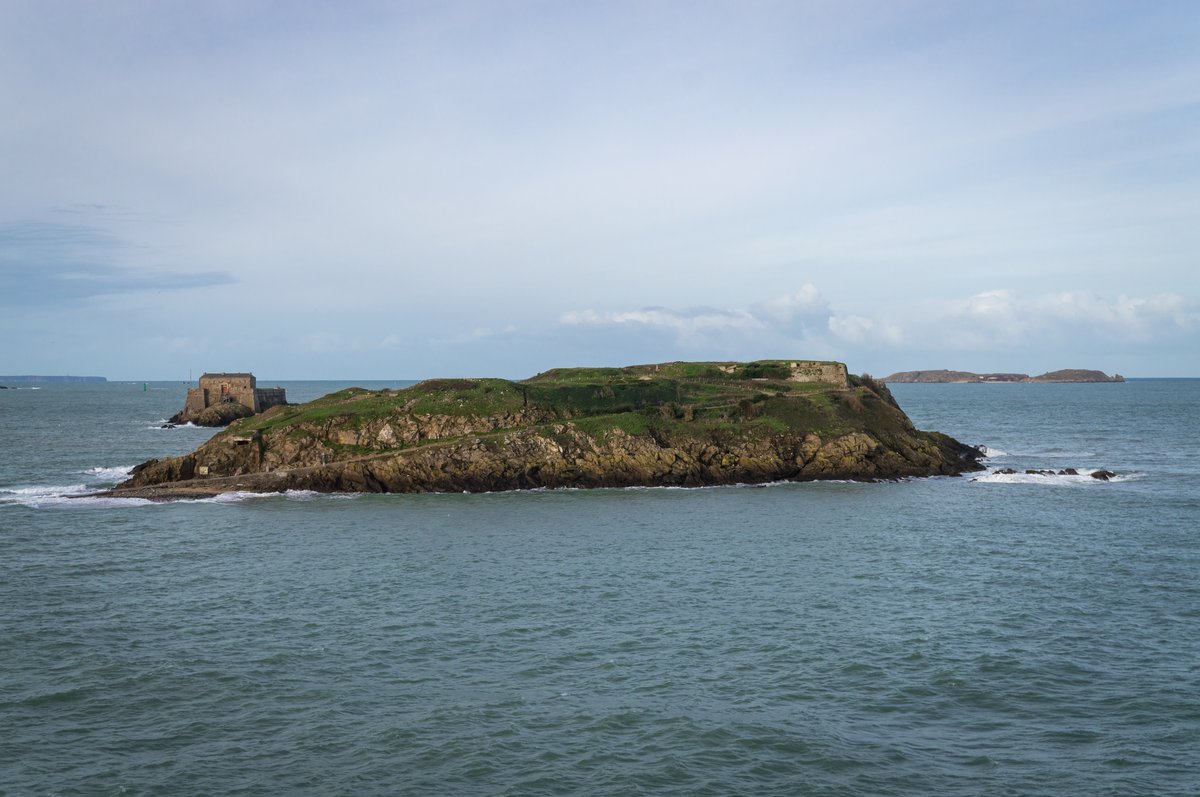
- Views of Solidor Tower, the tidal islands Grand Bé and Petit Bé, and Fort National
- Sunset and sunrise photo opportunities
- Interpretive signage (mainly in French, some English in museum spaces)
Guided Tours and Special Events
- Guided Tours In-depth history and access to restricted areas; available seasonally—check ahead for language options.
- Special Events WWII commemorations, historical reenactments, and educational workshops held periodically, especially in summer.
Nearby Attractions
Enhance your visit with these nearby highlights:
- Tour Solidor 14th-century keep and maritime museum (Castles.nl)
- Saint-Servan Waterfront Cafés and shops in a charming setting
- Saint-Pierre Cathedral Ruins Ancient Christian worship site (Saint-Malo With Love)
- Beaches Solidor, Bas Sablons, and Corbières
- Boat Trips Ferries to Dinard, Cézembre Island, and the Channel Islands (Compagnie Corsaire, Bateaux Rouges)
Practical Tips for Your Visit
- Wear sturdy, comfortable shoes for uneven terrain
- Bring a windbreaker or rain jacket, as the site is exposed to the elements
- Carry sun protection and water, especially in summer
- Plan 2–3 hours to explore the fort, museum, and walking trails
- Arrive early in peak season to avoid parking difficulties
- Dogs are permitted on certain paths and beaches—check local rules (Emmène ton chien)
- The GR 34 coastal path passes the fort, ideal for hikers and cyclists
Frequently Asked Questions (FAQ)
Q: What are the Fort d’Aleth visiting hours?
A: Outdoor grounds are open year-round, 24/7. The Memorial 39/45 museum is open seasonally (April–November); check the official website for up-to-date hours.
Q: How much are tickets for the museum?
A: Museum admission is €6–€8 for adults; reduced rates for children, students, and groups.
Q: Is the site suitable for visitors with reduced mobility?
A: Main paths are partially accessible, but some bunkers and ramparts have stairs or uneven ground.
Q: Are guided tours available?
A: Yes, especially for the museum; inquire at the entrance for schedule and language.
Q: Can I bring my dog?
A: Dogs are allowed on some trails and beaches; local regulations apply.
Q: Are there restaurants or cafés on site?
A: No, but Saint-Servan has abundant dining options nearby.
Q: Is photography allowed?
A: Yes, throughout the site; inside the museum, check rules for flash and tripods.