





Historical Evolution of Pont Pierre-Corneille
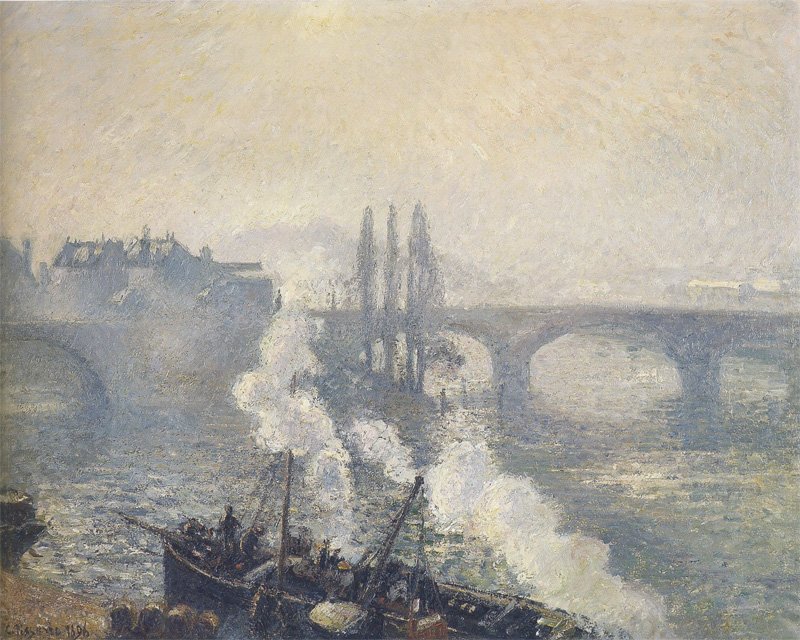
Originally constructed in 1829, the Pont Pierre-Corneille served as a vital crossing over the Seine, linking Rouen’s right and left banks. The first bridge was destroyed during World War II. The current structure, opened in 1952, was designed to withstand the demands of increasing modern traffic and urban growth, utilizing reinforced concrete—an emblem of post-war reconstruction (actu.fr). Over the years, the bridge has become essential for connecting the city center, Île Lacroix, and southern neighborhoods.
Architectural Features
Structural Design
Pont Pierre-Corneille is a beam bridge, approximately 250 meters in length. It accommodates multiple lanes of traffic, generous pedestrian walkways, and cycling paths. The design reflects the functionality of the 1950s, with reinforced concrete piers spaced to allow river traffic and a flat deck for smooth transit (Gazette Normandie).
Aesthetic Elements
While primarily utilitarian, the bridge incorporates elegant balustrades and updated lighting, providing unobstructed views of Rouen’s historic architecture. Its vantage point allows sweeping panoramas of the city’s Gothic spires and timber-framed houses, making it a favorite for photographers and strollers.
Renovation and Structural Updates
By 2024, aging materials and structural issues, such as concrete corrosion and subsidence, prompted a major renovation. The €25 million project—spanning from March 2024 to late 2026—includes:
- Structural reinforcement (addressing corrosion and pier stabilization)
- Removal and replacement of hazardous lead-based paint
- Upgrades to deck surfaces, lighting, and other utilities
- Environmental protection measures during construction (actu.fr, Gazette Normandie)
Access During Works
- Pedestrian Access Remains open, with safety barriers in place.
- Cyclists Temporarily redirected to Pont Boieldieu.
- Vehicles Partial closures; detours via Pont Jeanne-d’Arc and adjusted public transport routes (lecourriercauchois.fr).
Visitor Experience & Accessibility
Visiting Hours and Tickets
Pont Pierre-Corneille is a public bridge, open 24/7 with no admission fee or tickets required.
Accessibility
- Pedestrians Spacious sidewalks allow comfortable passage.
- Cyclists Dedicated lanes (except during renovation).
- Reduced Mobility Flat decks and ramps maintain accessibility; temporary adaptations may apply during works.
Tours and Events
While there are no bridge-specific guided tours, the Pont Pierre-Corneille is included in many walking tours of Rouen’s historic center. The bridge is also a prime viewing location during events such as the Tour de France (visiterouen.com).
Points of Interest & Nearby Attractions
The bridge’s location places visitors within easy walking distance of:
- Corneille Museum Celebrating playwright Pierre Corneille (Normandie Lovers)
- Notre-Dame Cathedral A Gothic masterpiece
- Gros-Horloge The famous astronomical clock
- Place du Vieux-Marché Historic square and Joan of Arc memorial
The Île Lacroix area offers sports facilities and riverfront promenades. The bridge also features in the Seine à Vélo cycling route (Normandie Tourisme).
Safety, Maintenance & Environmental Considerations
- Safety Protocols Fenced work zones and regular inspections protect public and worker safety.
- Public Information Updates on closures and detours are provided through city channels (Trafic Métropole Rouen).
- Environmental Care Strict procedures for hazardous material removal and ecosystem protection.
Rouen is generally safe for visitors and maintains low crime rates (Hikersbay).
Practical Tourist Information
- Public Transport Multiple bus and tram lines serve both ends of the bridge (Official Public Transport Site).
- Parking Available nearby, but public transit or cycling is recommended to avoid congestion (Hikersbay).
- Best Times to Visit Spring–autumn for pleasant weather; early morning or dusk for photography.
- Amenities Cafés, bakeries, and restaurants are plentiful nearby. Public restrooms are located in the city center.
FAQs
Q: What are the Pont Pierre-Corneille visiting hours?
A: Open 24/7; no restrictions.
Q: Is there an admission fee?
A: No, the bridge is free to access.
Q: Is the bridge accessible for people with disabilities?
A: Yes; flat sidewalks and ramps are provided.
Q: Are guided tours available?
A: Not for the bridge specifically, but many city walking tours include it.
Q: What are the best nearby attractions?
A: Notre-Dame Cathedral, Corneille Museum, Gros-Horloge, Place du Vieux-Marché.
Q: Where can I find updates on construction?
A: Visit the Trafic Métropole Rouen website.
Visuals & Media Suggestions
- Day and night images of Pont Pierre-Corneille, highlighting the city skyline and river.
- Interactive maps with nearby attractions.
- Virtual tours or 360° videos of the bridge and Rouen’s historic center (Private Tour Rouen).


