Plan and listen to Rennes Railway Station with Audiala.
Audio guide in your pocket, itinerary in your browser. Built for the way you actually visit.
Introduction to Rennes Railway Station: History and Significance
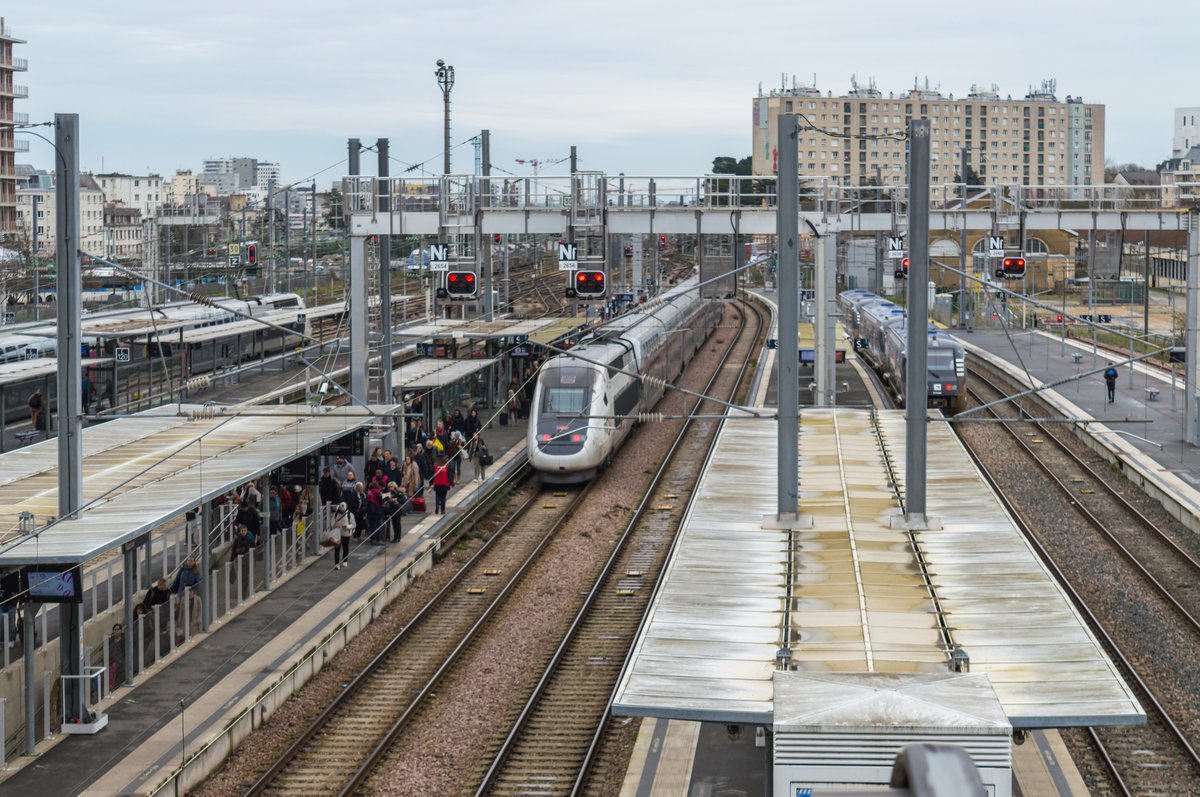
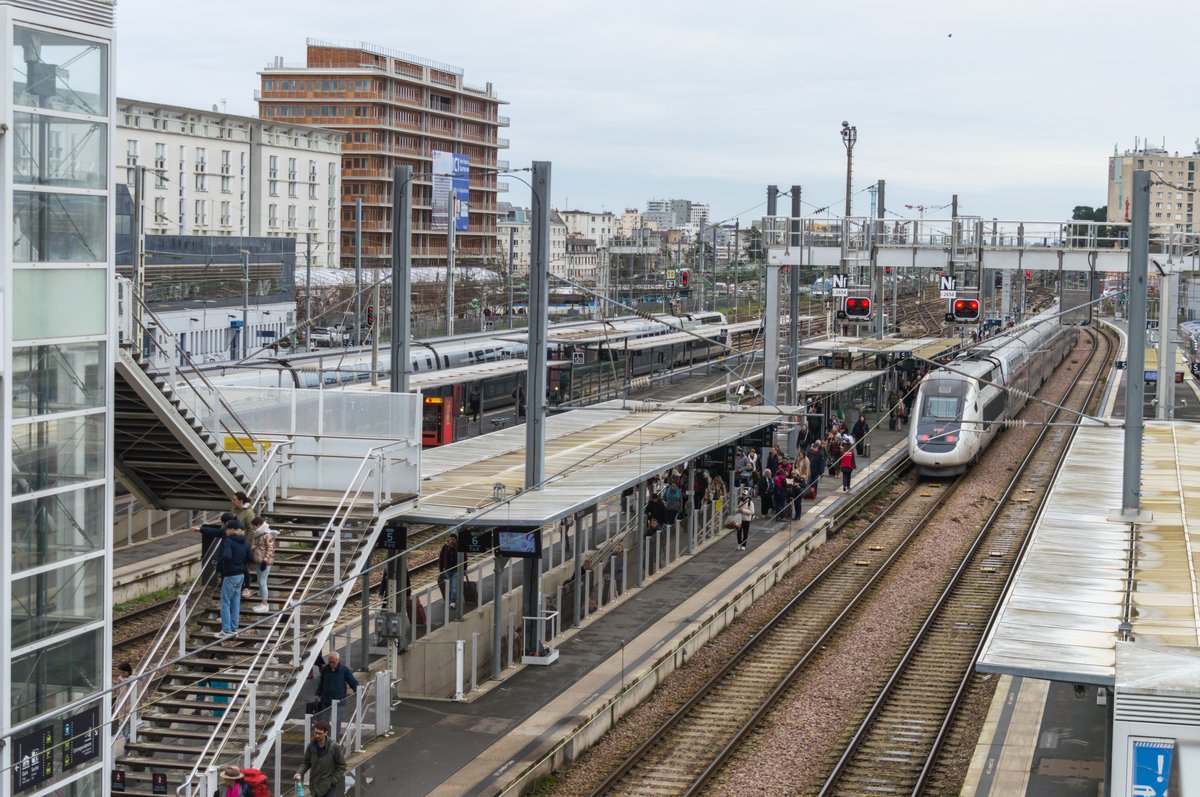
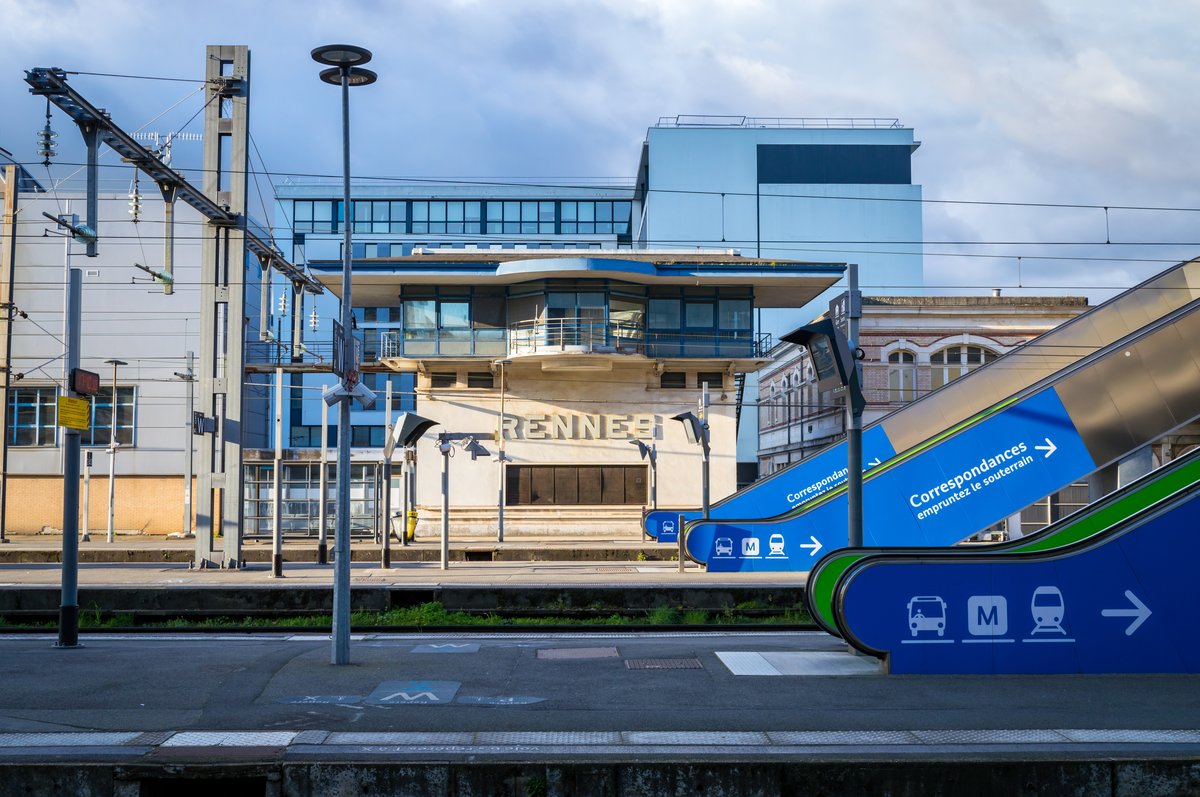
Rennes Railway Station (Gare de Rennes) stands as a major gateway to Brittany, France, seamlessly blending a rich historical legacy with modern innovation. Since its inauguration in 1857 on the site of the former Lorette powder magazines, the station has played a pivotal role in Rennes’ urban expansion, economic growth, and integration into the national railway network. Visionary urban planning placed the station strategically to drive Rennes’ development southwards, shaping the city’s fabric and connecting it to both national and regional rail lines.
The station has borne witness to significant historical events. It suffered destruction during World War II, most notably in 1940 and the subsequent Allied bombings, resulting in extensive loss and damage. Postwar reconstruction preserved the station’s historical character while introducing modern enhancements. Today, as part of the EuroRennes urban renewal project, the station is celebrated for its innovative architecture, including a green “constructed landscape” roof and the striking ETFE “cloud” roof, both evocative of Brittany’s natural scenery.
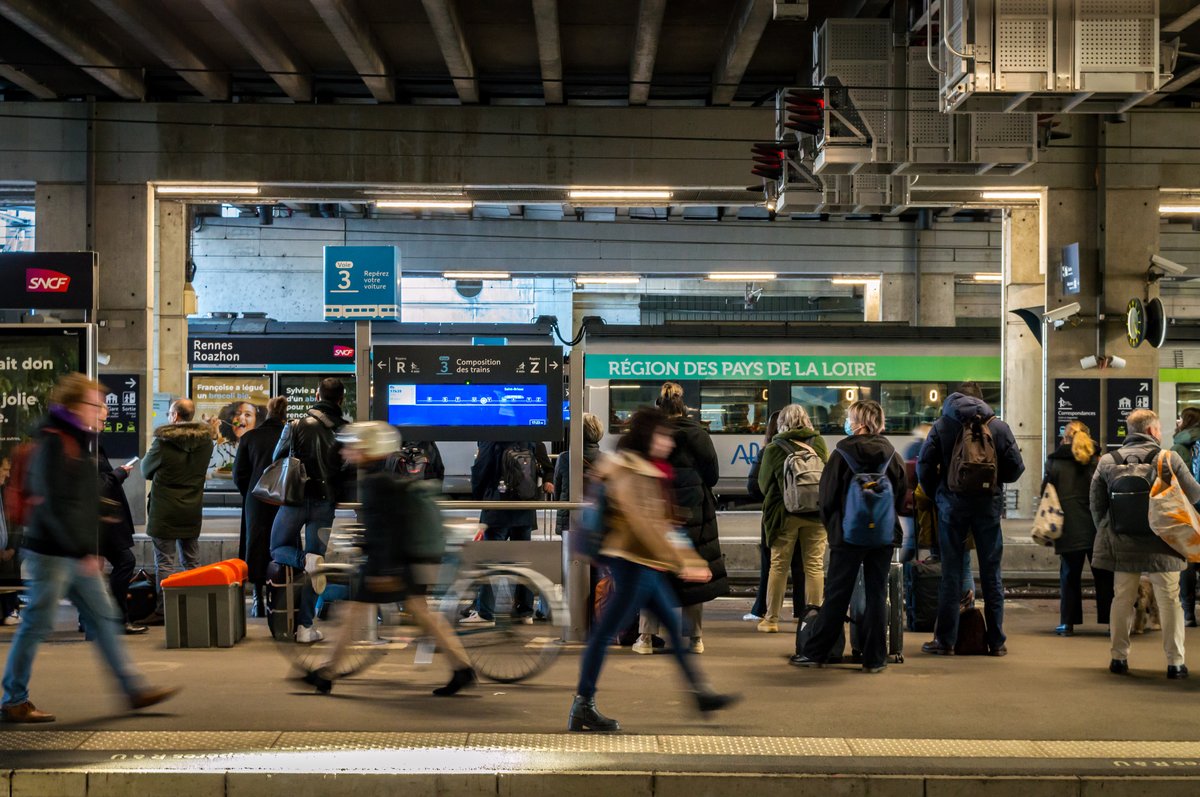
Visitors encounter three open levels, intermodal connections, and panoramic public terraces, all designed to create a harmonious travel environment in the heart of Rennes. The station offers comprehensive amenities such as cafés, shops, and free Wi-Fi, and its central location grants immediate access to Rennes’ cultural highlights, from the historic old town to lush city parks.
Official Rennes Railway Station (SNCF) | Rennes Tourism Office

Early Railway Development in Rennes
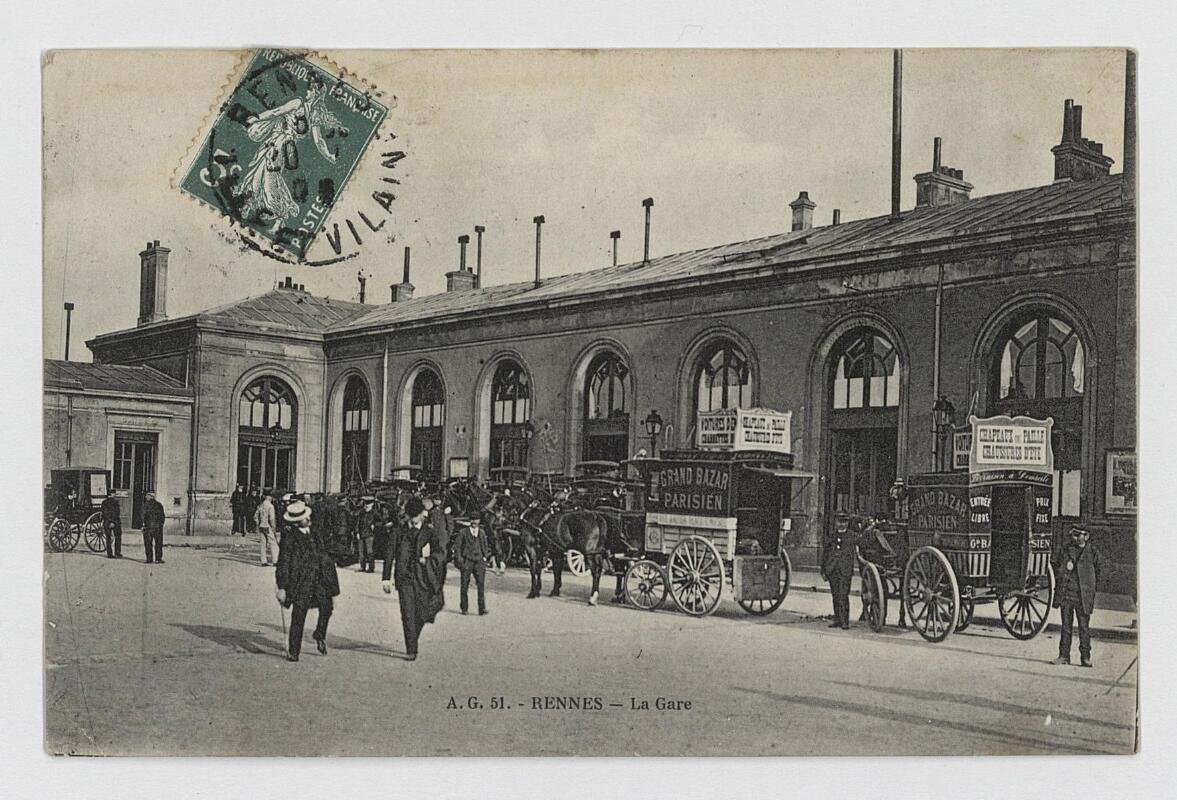
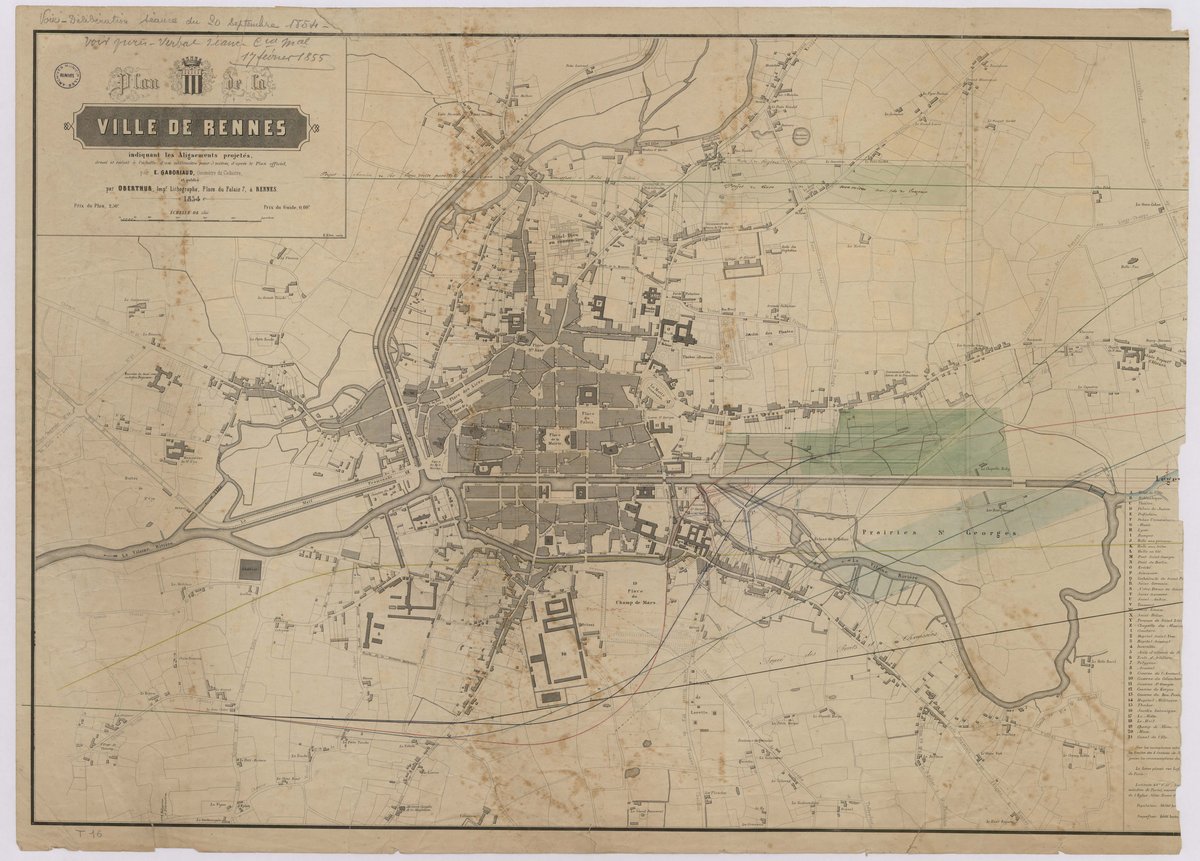
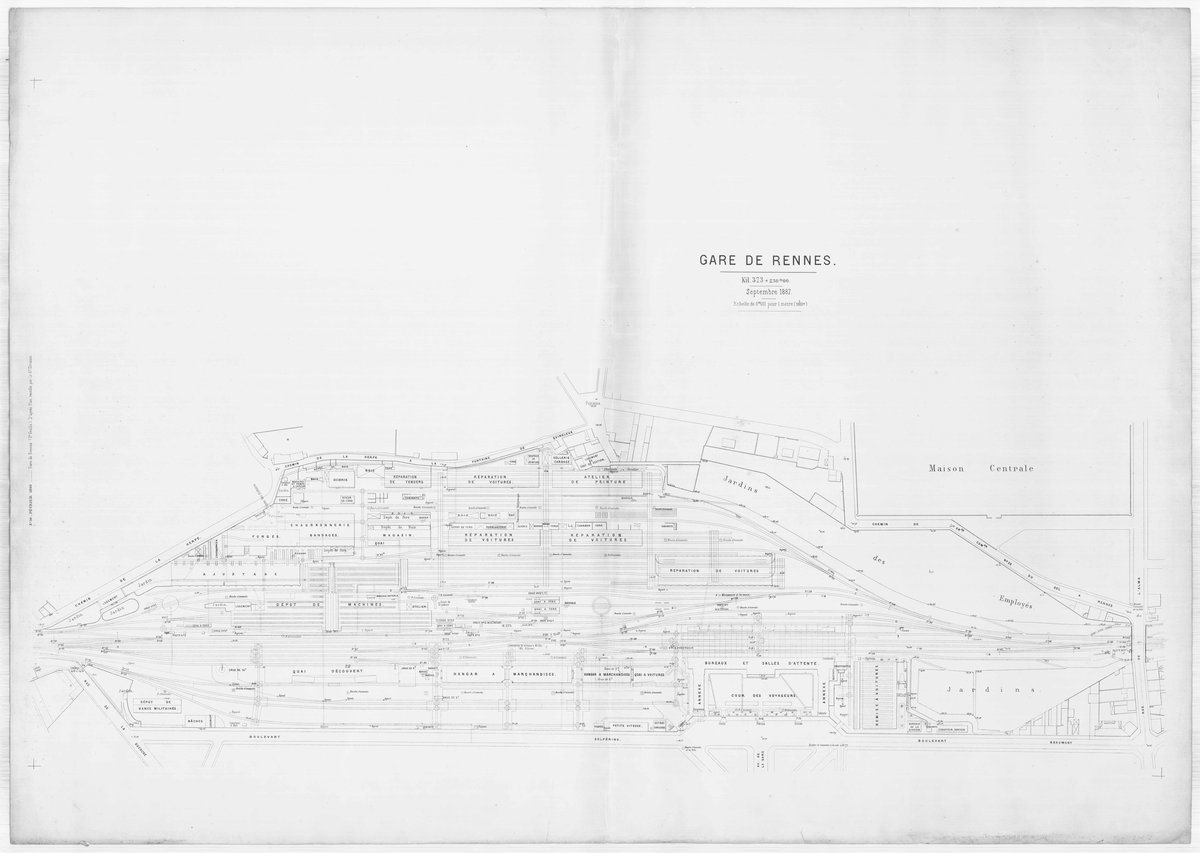
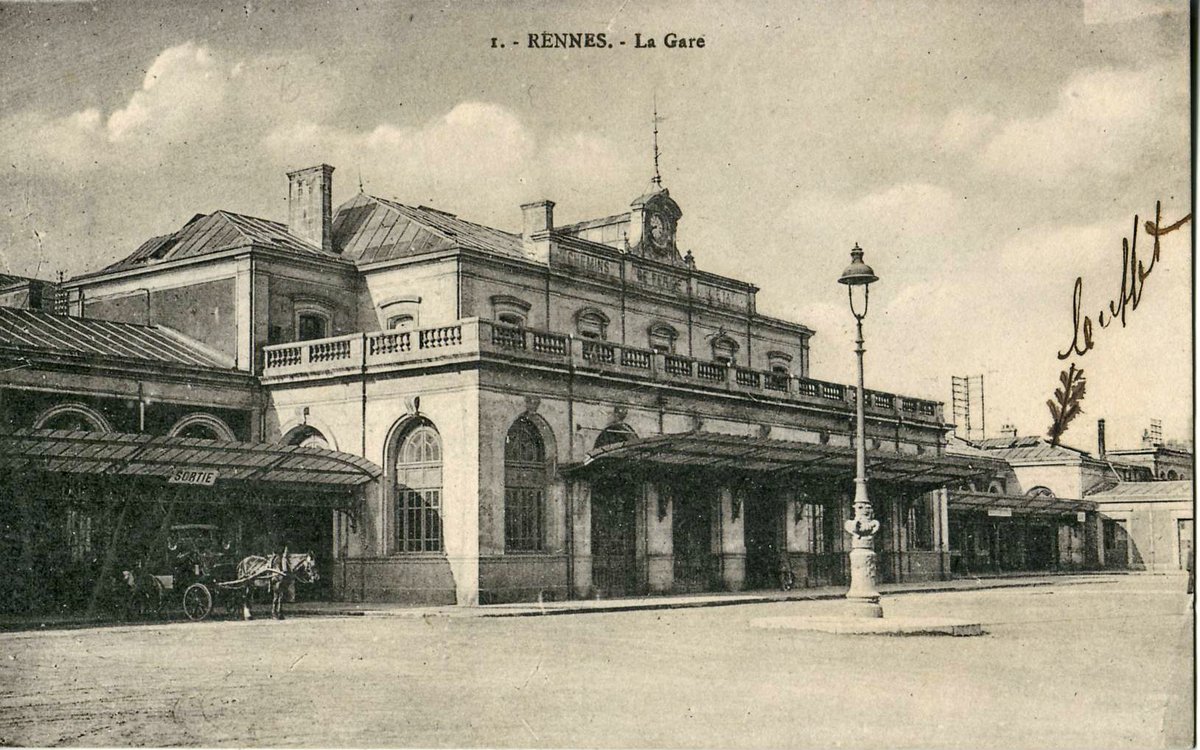
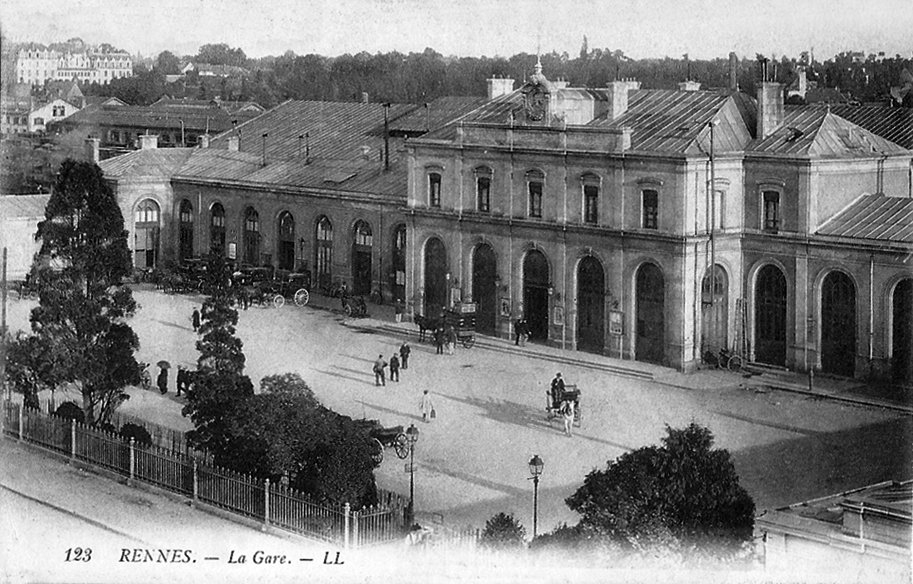
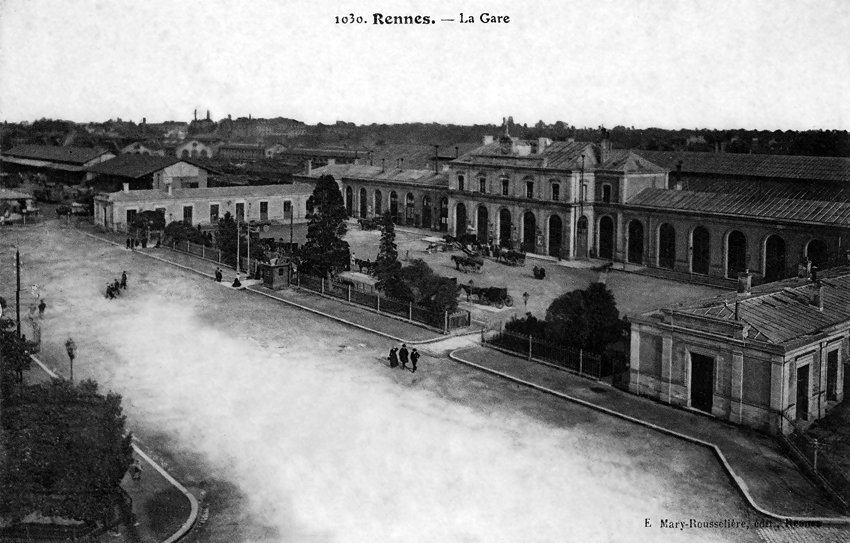
The railway’s arrival in 1857 marked a turning point for Rennes, aligning the city with France’s modern transport revolution. The original station, built just over a kilometer from the city center, was part of an ambitious urban plan under Mayor Ange de Léon des Ormeaux. His initiatives, including the creation of Avenue de la Gare, catalyzed Rennes’ expansion and established its status as a regional capital.
Architectural Evolution and Urban Impact
Initially modest in scale, the station mirrored mid-19th-century French railway architecture. As Rennes flourished, so did the station — evolving into a critical rail hub with expanding marshalling yards. The station’s growth spurred the development of new neighborhoods and shifted the city center southward, an urban dynamic seen in cities across France.
Wartime Destruction and Postwar Reconstruction
Rennes Railway Station was a strategic site during World War II, suffering catastrophic damage in 1940 when bombings led to the tragic loss of approximately 1,000 lives. Further Allied bombings in 1943 and 1944 compounded the devastation. In the postwar years, extensive rebuilding efforts restored and modernized the station, keeping pace with Rennes’ demographic and economic resurgence.
Visiting Hours, Tickets, and Accessibility
- Visiting Hours: The station is open daily, generally from 5:00 AM to midnight. Ticket offices typically operate Monday to Friday from 5:40 AM to 8:00 PM, Saturday from 6:40 AM to 8:00 PM, and Sunday/holidays from 8:30 AM to 8:00 PM (CFIA Expo Practical Information).
- Tickets: Purchase tickets online at SNCF, via mobile apps, or at ticket counters and self-service machines inside the station. Options include single, return, and regional passes. Advance booking is recommended during peak periods.
- Accessibility: The station features step-free access, elevators, ramps, tactile guidance, and accessible restrooms. Dedicated assistance is available upon request.
How to Get There
- By Metro: Served directly by Rennes Metro Lines A and B.
- By Bus: Multiple local and regional bus lines stop at or near the station.
- By Taxi or Rideshare: Taxi stands and rideshare pick-up zones are at the main entrance.
- By Bike: Secure parking and rental services are available.
- By Car: Nearby public parking facilities offer easy access.
For air travelers, the C6 bus connects the station to Rennes Saint-Jacques Airport in about 20 minutes for €1.50 (AtickettoTakeoff).
Architectural Features and Visitor Experience
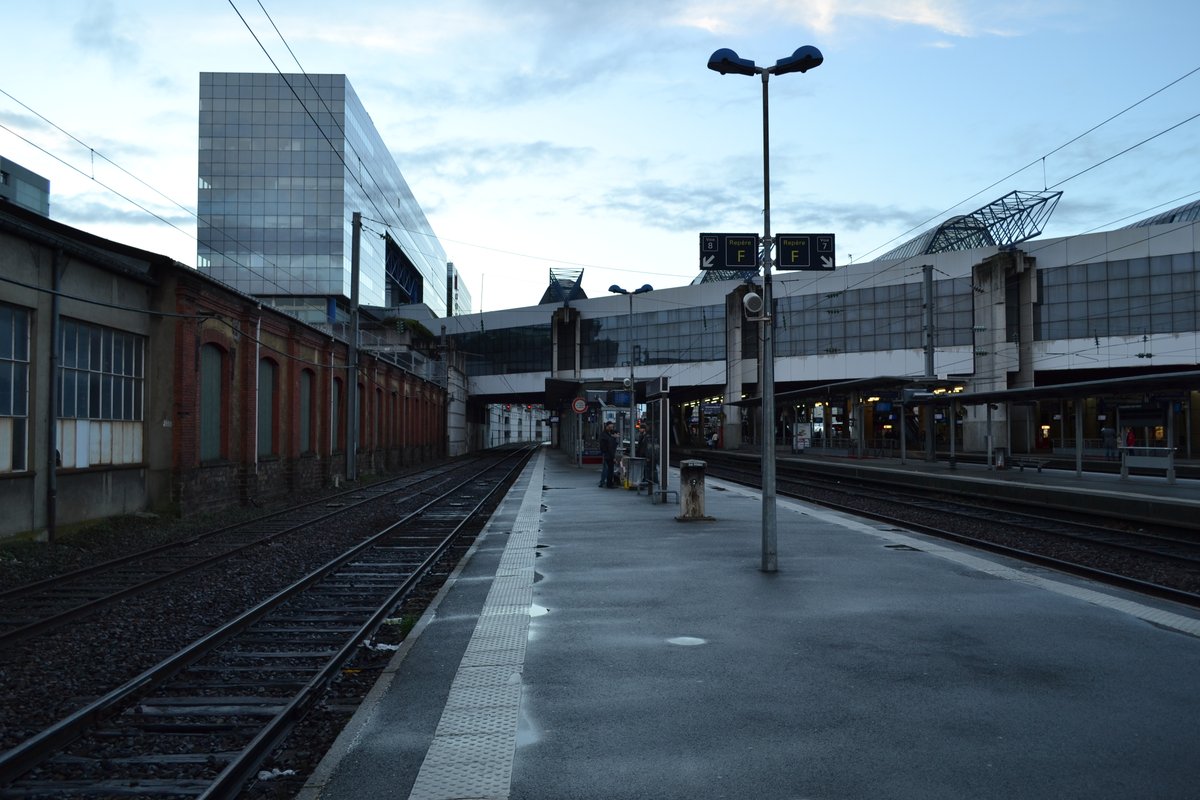
Recent renovations completed in 2019, led by AREP, have transformed the station into a modern multimodal hub. Key highlights include:
- Constructed Landscape Roof: Inspired by Brittany’s moorlands and the Brocéliande Forest, this green terrace with wooden decks offers panoramic city views.
- ETFE “Cloud” Roof: A translucent, lightweight structure that floods the station with natural light and echoes the region’s misty skies.
- Three-Level Layout:
- Level -1: Intermodal connections (metro, bus, taxis, bikes).
- Ground Floor: Spacious concourses, clear signage, retail outlets, and waiting areas.
- Upper Level: Public terraces for relaxation and city vistas.
Amenities include cafés, shops, restrooms, free Wi-Fi, and family-friendly waiting zones. Secure left-luggage lockers and digital information kiosks enhance convenience.
Nearby Attractions and Guided Tours
Rennes Railway Station is ideally situated for exploring the city’s highlights:
- Rennes Old Town: Timber-framed houses, vibrant markets, and lively squares.
- Parc du Thabor: A blend of French, English, and botanical gardens.
- Place de la Mairie and Rennes Cathedral: Iconic architectural and cultural sites.
Guided walking tours, often organized by local tourism operators, incorporate the station and nearby historical sites, providing rich context and expert commentary.
Practical Travel Tips
- Arrive at least 30 minutes before your train to navigate the station and enjoy its unique architecture.
- Use public transport or the Anita Conti footbridge for scenic pedestrian and cycling access.
- Download the official SNCF app or Audiala app for real-time updates and travel assistance.
- Consider booking tickets in advance, especially for TGV routes to Paris and other major cities.
- Take advantage of left-luggage lockers if you plan to explore the city before or after your train.
Frequently Asked Questions (FAQ)
Q: What are the visiting hours of Rennes Railway Station?
A: The station is open daily from around 5:00 AM to midnight. Ticket offices have specific operating times as listed above.
Q: How can I purchase tickets?
A: Tickets are available at counters, self-service machines, or online via SNCF.
Q: Is the station accessible for travelers with disabilities?
A: Yes, with step-free routes, elevators, ramps, and assistance services.
Q: Are there luggage storage facilities?
A: Yes, secure left-luggage lockers are available for various bag sizes.
Q: How do I get to the airport from the station?
A: Take the C6 bus or a taxi/rideshare for a direct connection.
Q: What attractions are nearby?
A: Parc du Thabor, Rennes Cathedral, Parlement de Bretagne, and the historic old town are all within walking distance.
Accommodation
Hotels ranging from budget to mid-range are located within walking distance of the station, including Aparthotel Adagio Access Rennes Centre, which offers amenities such as kitchenettes, complimentary Wi-Fi, and breakfast (AtickettoTakeoff).
Useful Links
- Official Rennes Railway Station (SNCF): https://www.sncf.com/en/stations/rennes
- Rennes Tourism Office: https://www.tourisme-rennes.com/en
- Audiala Mobile App: https://www.audiala.com
Related Reading
- Exploring Rennes: Top Historical Sites
- Getting Around Rennes: Public Transport Guide
- Brittany Region Travel Tips and Highlights
Listen to the full story in the app
The whole Rennes Railway Station,
told well.
Audio guides for 1,100+ cities across 96 countries. History, stories, and local insight — offline ready.
Verified, and shown.
Researched and written by the Audiala editorial team from historical records, architectural archives, and local expertise.
Researched from Wikidata, Wikipedia & official sources · fact-checked · How we make our guides →