Plan and listen to Protestant Church Of Reims with Audiala.
Audio guide in your pocket, itinerary in your browser. Built for the way you actually visit.
Introduction
The Protestant Church of Reims is a remarkable Neo-Gothic landmark nestled in the heart of Reims, France—a city internationally renowned for its Catholic heritage and crowning of French kings. This church stands as a testament to religious diversity, resilience, and architectural innovation. Whether you are an architecture enthusiast, history buff, or spiritual seeker, the Protestant Church of Reims offers a meaningful and enriching experience reflective of the city’s complex past and vibrant present (Reims Tourism, Musée Protestant).
This guide provides a detailed overview of the church’s historical context, architectural highlights, practical visitor information—including visiting hours, admission, accessibility, and nearby attractions—and tips for making the most of your visit.


Historical Background
Protestantism in Reims: Origins and Challenges
The roots of Protestantism in Reims trace back to the 16th-century Reformation, when followers of John Calvin’s teachings—known as Huguenots—faced periods of severe persecution in this predominantly Catholic city (Have Fun With History). While the Edict of Nantes in 1598 granted temporary religious freedoms, its revocation in 1685 led to renewed suppression and the destruction of Protestant places of worship (Musée Protestant). For centuries, Reims’ Protestant community worshipped clandestinely, only gaining formal recognition and the right to build dedicated churches after the French Revolution and through the Concordat of 1801.
Foundation and Reconstruction of the Church
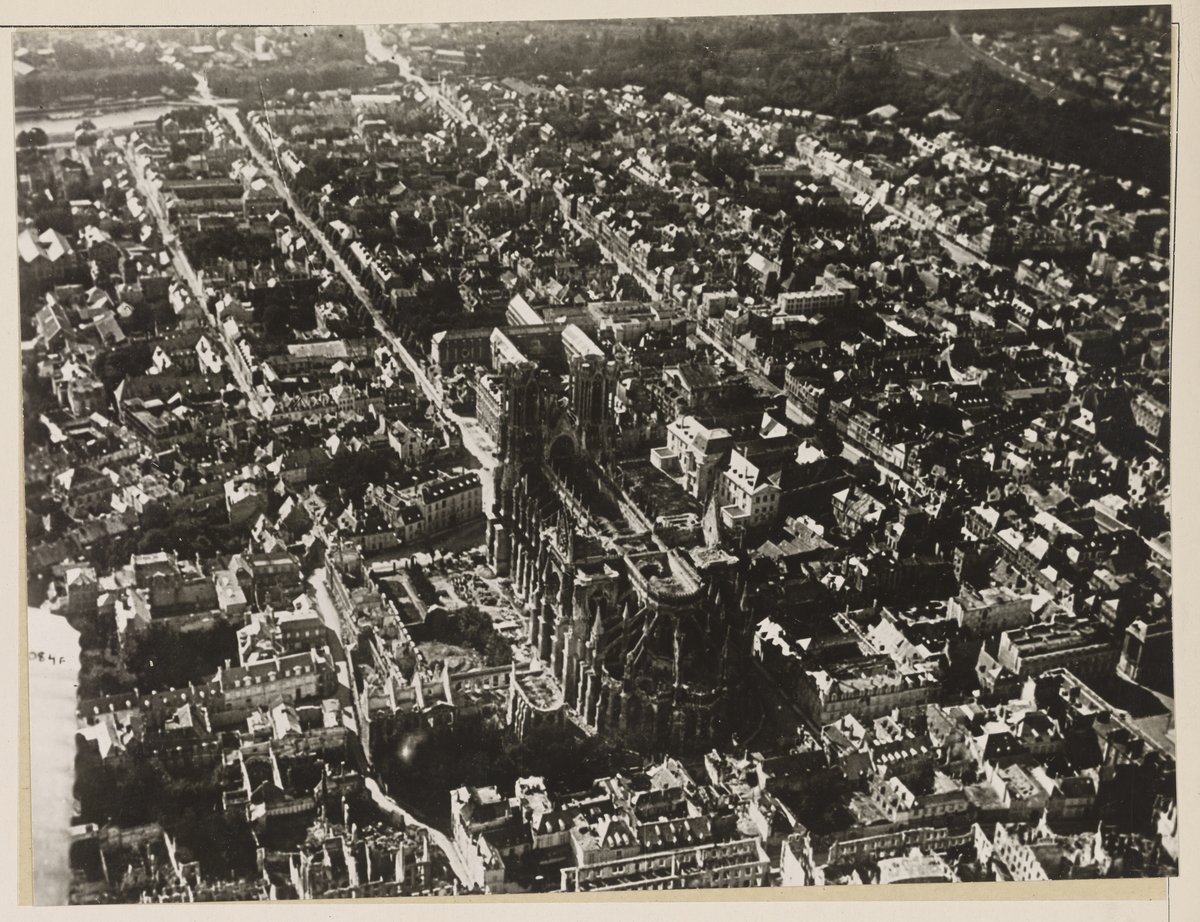
The original Protestant temple in Reims was established in 1867, marking a period of renewed visibility and growth for the Protestant community. However, the devastation of World War I destroyed the first temple, prompting its reconstruction between 1921 and 1923 under architect Charles Letrosne. The new church, blending Neo-Gothic style with modern reinforced concrete, stands as a symbol of resilience and innovation, reflecting both historical reverence and the optimism of post-war renewal (Everything Explained Today, Facts.net).
Architectural Features
- Neo-Gothic Façade: The church’s exterior features pointed arches, vertical lines, and restrained decoration, contrasting with the ornate Gothic style of Reims Cathedral. The use of reinforced concrete was cutting-edge for its time, allowing for expansive, column-free interiors.
- Stained-Glass Windows: Designed by Jacques Gruber, these Art Nouveau windows flood the nave with vibrant colors and biblical symbolism, offering a highlight for art and architecture lovers (reims-tourisme.com).
- Interior Layout: The spacious nave, devoid of excessive ornamentation, fosters a sense of community and inclusivity, in line with Protestant liturgical traditions. Art Deco frescoes once adorned the interior but have since been painted over, preserving a bright and serene atmosphere.
- Cloister and Memorial Garden: Visible from Boulevard Lundy, the cloister honors 113 soldiers and 14 civilians from the parish who perished in World War I—a unique feature seldom found in Protestant churches.
The Church as a Memorial and Community Hub
Beyond its architectural significance, the Protestant Church of Reims serves as a living memorial and an active center for worship, culture, and social outreach. The garden cloister, inaugurated on November 11, 1923, stands as a poignant tribute to the community's losses during the war. Today, the church continues to foster dialogue, charity, and education, collaborating with other faith groups and civic organizations in addressing contemporary social issues (The Witness).
Visiting the Protestant Church of Reims
Visiting Hours
- General Hours: The church is typically open to visitors from Tuesday to Sunday, 10:00 AM to 6:00 PM. On public holidays or during special events, hours may vary. Always check with the Reims Tourist Office website for current details.
Admission and Tickets
- Entry: Admission is free. Donations are encouraged to support the church’s upkeep and community work.
Guided Tours and Events
- Guided Tours: Available by appointment or during special occasions such as European Heritage Days. Guided visits provide in-depth insights into the church’s history, architecture, and memorial features.
- Events: The church hosts concerts, lectures, and commemorations throughout the year, especially on Armistice Day (November 11). Check local listings or the church’s event calendar for updates.
Accessibility and Location
- Address: 13 ter, Boulevard Lundy, Reims, France
- Accessibility: The church is fully wheelchair accessible, with ramps and wide entrances.
- Getting There: Centrally located and within walking distance of major sites like Reims Cathedral and Place Drouet d’Erlon. The area is served by public transport, and public parking is nearby (though limited during peak seasons).
What to Expect During Your Visit
- Atmosphere: The church offers a tranquil, respectful setting ideal for quiet reflection and architectural appreciation. Modest dress and respectful behavior are encouraged, especially during services.
- Photography: Permitted without flash; discretion is advised during services.
- Highlights: Don’t miss the stained-glass windows, Neo-Gothic architectural details, cloister, and memorial plaques.
Practical Tips and Recommendations
- Best Times to Visit: Late spring to early autumn (April–June, September–October) offers mild weather and fewer crowds. Early morning or late afternoon provides optimal light for photography (dabblinginjetlag.com).
- Language: French is primarily spoken. Some staff may speak English or German; basic French greetings are appreciated.
- Combine Your Visit: The church’s location makes it easy to visit alongside Reims Cathedral, Palais du Tau, the Musée des Beaux-Arts, and Champagne houses (factsgem.com).
- Events and Services: Attending a service or concert offers a deeper understanding of Protestant traditions and the church’s acoustics.
Frequently Asked Questions (FAQ)
Q: What are the visiting hours?
A: Generally, Tuesday to Sunday, 10:00 AM to 6:00 PM. Times may vary for holidays and special events; check here.
Q: Is there an admission fee?
A: No, entry is free. Donations are appreciated.
Q: Are guided tours available?
A: Yes, by appointment and during special events.
Q: Is the church accessible for visitors with disabilities?
A: Yes, the church is fully accessible.
Q: Can I take photographs inside?
A: Photography is generally allowed without flash; please be discreet during services.
Q: What else is nearby?
A: Reims Cathedral, Palais du Tau, Musée des Beaux-Arts, Place Drouet d’Erlon, and local Champagne houses.
Listen to the full story in the app
The whole Protestant Church Of Reims,
told well.
Listen to sourced travel stories with local history and practical context — ready offline.
Verified, and shown.
Researched and written by the Audiala editorial team from historical records, architectural archives, and local expertise.
Built from cited sources · see the method · How we make our guides →