Plan and listen to Porte De La Pourcelette with Audiala.
Audio guide in your pocket, itinerary in your browser. Built for the way you actually visit.
Introduction
Reims, a city celebrated for its layered history and architectural splendor, stands as a living mosaic of Roman grandeur and 20th-century innovation. Among its historical treasures are the iconic Porte de Mars and the lesser-known yet evocative Porte De La Pourcelette. These gateways, though differing in origin and style, collectively narrate the city’s journey from ancient Durocortorum, the Roman provincial capital, to a center of post-war renewal and Art Deco brilliance. This guide presents an in-depth look at these landmarks, including their history, architecture, cultural significance, and everything you need to know for a memorable visit (Wikipedia; FranceRent; Reims Tourisme; keepgoingplaces.com; francetravelplanner.com).

Roman Reims: Durocortorum and Its Urban Significance
In antiquity, Reims was known as Durocortorum—capital of Gallia Belgica and a linchpin of Roman Gaul. Its strategic position at the crossroads of major roads fostered its rise as a commercial, administrative, and military hub. The city’s Roman plan, with its grid layout, public baths, forum, temples, and monumental gates, reflected both order and grandeur. Of the four original Roman gates, only the Porte de Mars survives today (Wikipedia; FranceRent).
Durocortorum’s archaeological vestiges, such as the cryptoporticus, amphitheater, and sophisticated houses, speak to its prosperity, with a population that may have reached 30,000 (FranceRent).
The Construction and Purpose of the Porte de Mars
Built in the early 3rd century AD, the Porte de Mars is the world’s largest surviving Roman triumphal arch, measuring 32 meters long and 13 meters high. Named after a nearby temple to Mars, it served as both a city gate and a symbol of Roman power and civic pride (Wikipedia). The central arch welcomed travelers, while side arches accommodated pedestrians and carts (FranceRent). Its construction without mortar, relying on precise stonework, is a testament to Roman engineering.
Architectural Features and Artistic Details
The arch boasts three arcades adorned with intricate reliefs depicting scenes from Roman mythology (Romulus and Remus, Leda and the Swan), daily life, and agricultural motifs. Fluted Corinthian columns and richly decorated friezes frame the structure. The barrel-vaulted passageways and sculpted ceilings highlight Roman technical prowess and artistic sensibility (Wikipedia; FranceRent).
The Evolution of the Monument Through the Ages
Following the Roman era, the Porte de Mars was integrated into the city’s medieval defenses, later becoming part of the archbishops’ castle. Rediscovered in the 17th century and fully revealed in the 19th century after the city walls’ dismantling, the arch survived both the French Revolution and the World Wars, symbolizing Reims’ resilience (Wikipedia; FranceRent).
The Porte de Mars in Reims’ Roman Heritage
The Porte de Mars is part of Reims’ greater Roman legacy, alongside the cryptoporticus and numerous artifacts in the Musée Saint-Remi. Its proximity to the Cathédrale Notre-Dame and Champagne houses situates it within a rich historical and cultural landscape (Cityzeum; Reims Tourisme).
Cultural and Symbolic Significance
The arch stands as a symbol of endurance and continuity, bridging Reims’ Roman origins with its modern identity. Its landscaped park setting offers a quiet space for reflection and appreciation, augmented by interpretive panels (Petit Futé; FranceRent).
Practical Insights: Visiting Hours and Tickets for Porte de Mars
- Location: Hautes Promenades park, near Place de la République, 400m from Gare de Reims.
- Visiting Hours: Open 24/7; free access.
- Tickets: No ticket required for the arch or park. Guided tours and museum entries may require tickets—book in advance for peak periods.
- Accessibility: Wheelchair accessible with paved paths and nearby seating.
- Best Time to Visit: Morning or late afternoon for fewer crowds and better light.
- Nearby Attractions: Cathédrale Notre-Dame, Palais du Tau, Champagne houses.
For updated details, consult the Reims tourism website.
Discover the Roman Gates: Visiting Hours, Tickets, and History
The Roman City of Durocortorum and Its Gates
Durocortorum’s gates, monumental and richly adorned, controlled access and displayed imperial authority. While the Porte de Mars survives in grandeur, others like the Porte De La Pourcelette are remembered through records and local lore (keepgoingplaces.com; francetravelplanner.com).
Architectural Features and Historical Significance
Roman gates in Reims were crafted from local stones, featuring arches, reliefs, and inscriptions. The Porte de Mars is the largest extant Roman triumphal arch, with three arches and detailed carvings (bonadvisor.com; nomads-travel-guide.com).
The Mystery of Porte De La Pourcelette
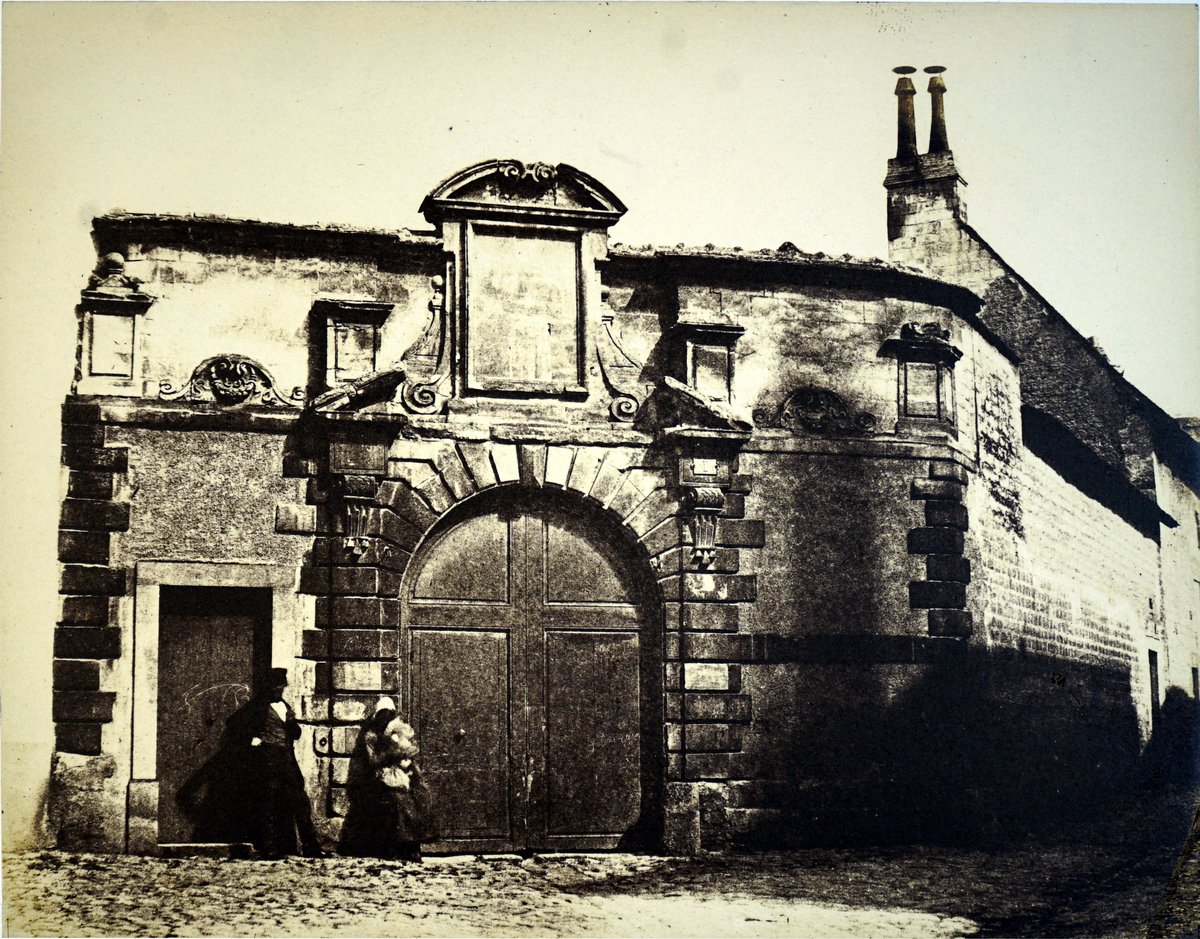
Referenced in medieval documents and likely marking a modest city entrance, the physical structure of Porte De La Pourcelette no longer exists. Its memory lingers as a "lieu de mémoire" for the city (fr.wikipedia.org; nomads-travel-guide.com).
Visiting the Roman Gates: Practical Information
- Porte de Mars: Open-air, free, accessible at all times. Guided tours available.
- Rue d’Anjou (Porte De La Pourcelette site): Central, walkable area revealing medieval Reims.
Special Events and Accessibility
- Events: Joan of Arc Festival (June), walking tours (maryannesfrance.com; whatifwewalked.com).
- Tourist Offices: Main office at rue Rockefeller, secondary at Gare de Reims (francetravelplanner.com).
- Transport: Reims’ compact city center is easily navigable on foot.
Porte De La Pourcelette: Visiting Hours, Tickets, and Highlights
Architectural Features and Art Deco Design
Porte De La Pourcelette is a signature Art Deco gateway, constructed during Reims’ energetic post-WWI reconstruction. Characterized by geometric symmetry, stylized motifs, and modern materials, it marks the ceremonial entrance to the bishopric buildings on rue d’Anjou (Wikipedia; Reims Tourisme). Its style reflects the city’s resilience and optimism.
Integration with the Bishopric Complex
The gate’s placement at the bishopric entrance signifies its institutional and ceremonial role, blending modern Art Deco with the city’s deep religious traditions.
Cultural Significance in Reims
Porte De La Pourcelette embodies Reims’ post-war rebirth, bridging ecclesiastical history and 20th-century modernity (Reims Tourisme). Its proximity to major religious sites and inclusion in Art Deco walking tours underline its ongoing relevance.
Visiting Tips and Accessibility
- Access: Freely viewable at all hours; no ticket required.
- Location: Rue d’Anjou, central Reims, easily reached from the cathedral and city center.
- Accessibility: Paved streets, wheelchair accessible, though some cobblestones may pose challenges.
- Combine Visits: Explore alongside other Art Deco gems like Halles du Boulingrin, Carnegie Library, and Villa Demoiselle (TravelAwaits; Simply France).
Comparative Context: Art Deco in Reims
Reims’ Art Deco architecture, a deliberate feature of its post-war urban renewal, is best appreciated through themed walking tours covering the city’s interwar landmarks. Porte De La Pourcelette is one of several sites illustrating this legacy.
Preservation and Current Status
Local efforts ensure the preservation and appreciation of Reims’ 20th-century heritage, including Porte De La Pourcelette, through maintenance, educational initiatives, and inclusion in cultural itineraries (Wikipedia; Reims Tourisme).
Porte De La Pourcelette: Visitor Guide and Travel Tips
Location, Accessibility, and Best Times to Visit
- Location: Northern end of Les Hautes Promenades, near Place de la République, a 10-minute walk from Gare de Reims.
- Accessibility: Wheelchair accessible, paved paths, public facilities nearby.
- Best Times: Late spring and early autumn for pleasant weather; early morning or late afternoon for photography.
What to Bring and Photographic Spots
- Comfortable walking shoes.
- Camera or smartphone for architectural shots.
- Picnic supplies for the park.
- Weather-appropriate clothing.
Nearby Attractions and Cultural Experiences
- Les Hautes Promenades: Urban park.
- Place de la République: Markets, cafés.
- Carnegie Library, Palais du Tau, Reims Cathedral, Cryptoportique, Place Drouet d’Erlon, and museums: All within walking distance.
- Cultural Activities: Champagne house tours, festivals, local gastronomy, outdoor events.
Frequently Asked Questions (FAQ)
Q: What are the visiting hours for Porte De La Pourcelette?
A: It is always accessible as an outdoor monument; no official hours.
Q: Is there an entrance fee?
A: No, it is free to visit.
Q: Are guided tours available?
A: Yes, many city walking tours include the gate.
Q: Is the site wheelchair accessible?
A: Yes, although cobblestones in some areas may require caution.
Q: How do I reach it from Gare de Reims?
A: It’s about a 10-minute walk; buses and trams also serve the area.
Summary
The Porte de Mars and Porte De La Pourcelette encapsulate Reims’ enduring legacy, from its Roman origins to its spirited Art Deco renewal. Both gates are freely accessible, centrally located, and surrounded by a wealth of historical and cultural attractions. Whether you marvel at the ancient triumphal arch or explore the modern elegance of the bishopric gate, each visit offers a unique lens on Reims’ heritage. Enhance your experience with digital resources like the Audiala app, and stay up to date with events through official tourism channels (FranceRent; Reims Tourisme; keepgoingplaces.com; francetravelplanner.com; Audiala).
Listen to the full story in the app
The whole Porte De La Pourcelette,
told well.
Listen to sourced travel stories with local history and practical context — ready offline.
Verified, and shown.
Researched and written by the Audiala editorial team from historical records, architectural archives, and local expertise.
Built from cited sources · see the method · How we make our guides →