Plan and listen to Couvent Des Cordeliers De Reims with Audiala.
Audio guide in your pocket, itinerary in your browser. Built for the way you actually visit.
Introduction
Nestled in the heart of Reims, France, the Couvent des Cordeliers de Reims offers a fascinating journey into medieval Franciscan heritage and the city's rich tapestry of religious and civic life. Established in the 13th century by the Franciscan friars—known in France as the Cordeliers—the convent played a pivotal role in Reims, a city renowned for its royal coronations at the nearby cathedral (Evendo Guide). Despite centuries of change, war, and urban development, the evocative ruins of the convent have been preserved within the tranquil Square des Cordeliers, welcoming visitors year-round.
This comprehensive guide details the Couvent des Cordeliers' origins, architectural features, historical impact, visiting hours, accessibility, and practical tips. Whether you are passionate about history, architecture, or simply seeking a peaceful retreat in Reims, the Couvent des Cordeliers provides a unique window into France’s medieval past and its enduring legacy (France-Voyage.com; ReimsAvant).




Origins and Foundation
The Couvent des Cordeliers de Reims was founded in the 13th century, part of a wider movement by the Franciscan Friars Minor to establish urban centers for preaching, education, and charity. The order, founded by St. Francis of Assisi in 1209, was deeply committed to poverty and service, resonating with the spiritual and social needs of Reims—a city already celebrated for its religious significance as the traditional site of French royal coronations.
Strategically located in the city center, the convent provided the Cordeliers with access to both the urban poor and influential clerical and royal circles. Its establishment was likely supported by local nobility, further cementing the Cordeliers' influence in northern France (Evendo Guide).
Architecture and Artistic Features
Architectural Significance
The original complex was a showcase of 13th-century Gothic architecture: pointed arches, ribbed vaults, and flying buttresses. Its church, reconstructed after a fire in 1450, featured a single, pillar-less nave—emphasizing openness and accessibility, core Franciscan ideals (francerent.com). The convent’s urban block was substantial, bordered by what are now the rues Voltaire, des Trois-Raisinets, de l’Isle, Montoison, and de Mâcon (reimsavant.documentation-ra.com).
Today, the most visible remnants are the weathered stone walls and arches of the church. The surviving wall with ogival arcades provides a dramatic glimpse into the grandeur and austerity of the original structure (reims.guide).
Cloister and Decorative Elements
The cloister, now lost, was once a masterpiece of Gothic art, featuring arcaded galleries with sculpted capitals and decorative friezes. Analogous Franciscan cloisters elsewhere display rich sculptural programs with foliage motifs and allegorical figures (couventdescordeliers.fr). Painted decorations, now vanished, included false stonework, stylized floral motifs, and heraldic bands commemorating patrons (couventdescordeliers.fr).
Notable Events and Historical Role
Medieval and Early Modern Periods
The Cordeliers were instrumental in Reims’ religious and civic life. The convent served as a center for preaching, education, and care for the poor. Its conventual hall was used for city council meetings before the Hôtel de Ville was built and hosted merchant congregations (reims.guide). Participation in public processions and religious festivals linked the Cordeliers closely with the city’s spiritual vibrancy.
Revolutionary Upheaval and Decline
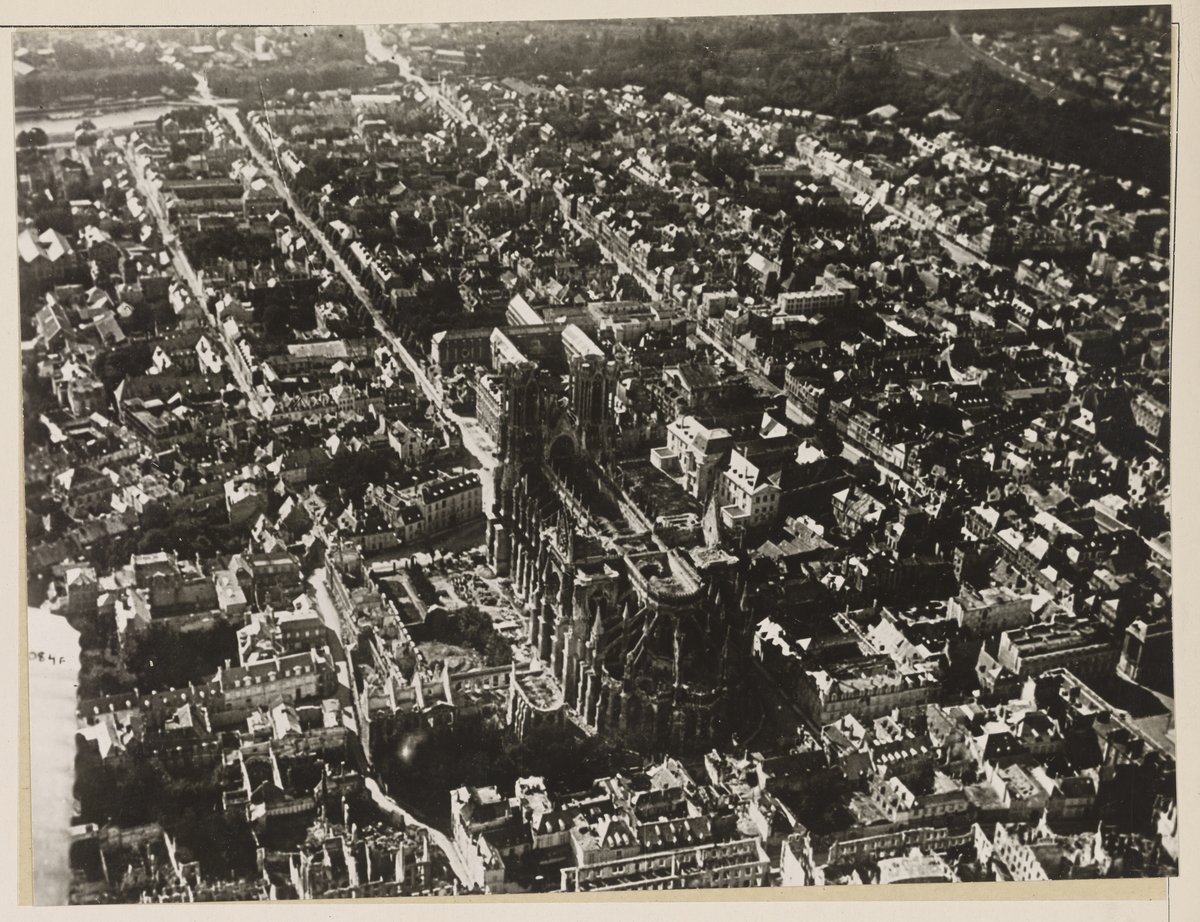
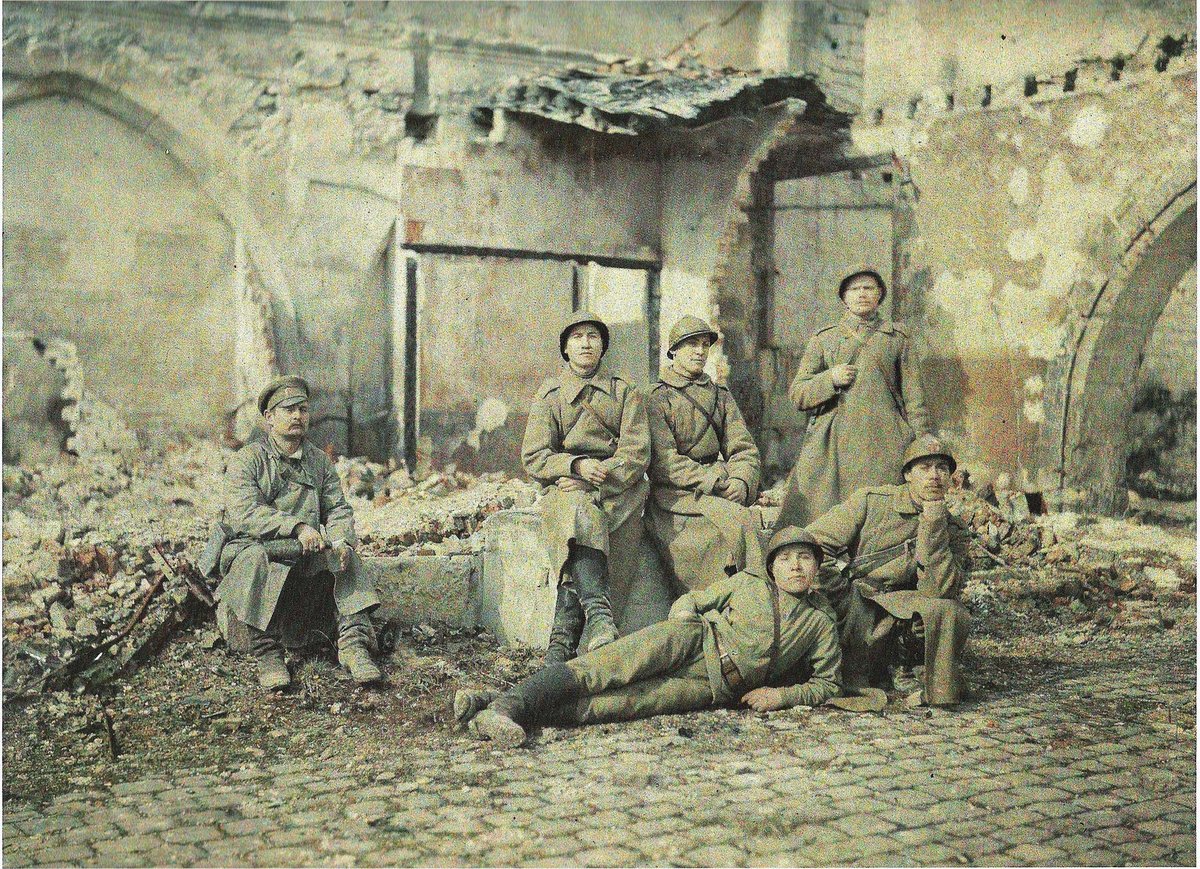
The French Revolution brought dramatic change: the convent was secularized, its property seized, and the friars expelled. The church was demolished in 1813, and the buildings repurposed as a textile mill and later administrative offices. World War I bombardments caused further destruction (reimsavant.documentation-ra.com; fr.wikipedia.org). Since the early 20th century, the ruins have been preserved as the Square des Cordeliers, a public park that safeguards the memory of the site.
Visiting Information: Hours, Tickets, Accessibility
Opening Hours & Admission
- Hours: The Square des Cordeliers is open daily, generally from sunrise to sunset (approx. 7:00 AM–9:00 PM; hours may vary seasonally).
- Admission: Free access; no tickets required (France-Voyage.com).
Accessibility
- Wheelchair-accessible, with paved and level paths around the main ruins and garden areas.
- Benches and shaded seating throughout the park.
- Assistance dogs permitted.
- Some uneven surfaces may be present due to historic masonry (reims-tourisme.com).
Guided Tours
- No regular guided tours on-site, but the site is included in some Reims historical walking tours.
- Special guided tours and educational events are available during European Heritage Days and other cultural occasions (Monumentum).
- For current offerings, contact the Reims Office of Tourism or call +33 3 26 77 45 00.
Nearby Attractions
- Reims Cathedral (Cathédrale Notre-Dame de Reims): A UNESCO World Heritage landmark famed for Gothic architecture and coronations.
- Palais du Tau: The former archbishops’ palace, now a museum highlighting Reims’ religious heritage.
- Saint-Remi Basilica: A beautiful Romanesque-Gothic church and major pilgrimage site.
- Place Royale: An elegant 18th-century square.
- Museums: Musée des Beaux-Arts and Musée Saint-Remi.
All attractions are within easy walking distance, making the Couvent des Cordeliers an ideal stop on a Reims heritage itinerary.
Visitor Experience and Practical Tips
- Best Time to Visit: Spring and summer for pleasant weather; early mornings and late afternoons for fewer crowds and optimal photography.
- Family-Friendly: The adjacent playground and open space make it suitable for families.
- Facilities: No restrooms or cafés on-site; many dining and public facilities are nearby.
- Accessibility: Flat, paved paths; some caution needed on historic surfaces.
- Photography: Encouraged—best lighting at sunrise or sunset.
Preservation and Modern-Day Significance
The ruins have been classified as a Monument Historique since 1925 (Monumentum). Conservation efforts focus on stabilizing masonry, maintaining public access, and integrating the ruins as a space for reflection, recreation, and community events. This adaptive reuse ensures that the site remains both a memorial and a vibrant urban park (Evendo Guide).
Frequently Asked Questions (FAQ)
Q: What are the visiting hours for the Couvent des Cordeliers?
A: The site is open daily from sunrise to sunset, with seasonal variations.
Q: Is there an entrance fee or ticket required?
A: No, admission is free and open to all.
Q: Are guided tours available?
A: Included in some city walking tours and during special events; check with the Reims Office of Tourism for details.
Q: Is the site wheelchair accessible?
A: Yes, the square has paved paths, though some historic surfaces may be uneven.
Q: Are there facilities on-site?
A: No restrooms or cafés on-site, but many are close by in central Reims.
Q: What are the best nearby attractions?
A: Reims Cathedral, Palais du Tau, Saint-Remi Basilica, and Place Royale.
Listen to the full story in the app
The whole Couvent Des Cordeliers De Reims,
told well.
Listen to sourced travel stories with local history and practical context — ready offline.
Verified, and shown.
Researched and written by the Audiala editorial team from historical records, architectural archives, and local expertise.
Built from cited sources · see the method · How we make our guides →