The Museum’s Origins and Joseph Puig’s Legacy
From Private Passion to Public Treasure
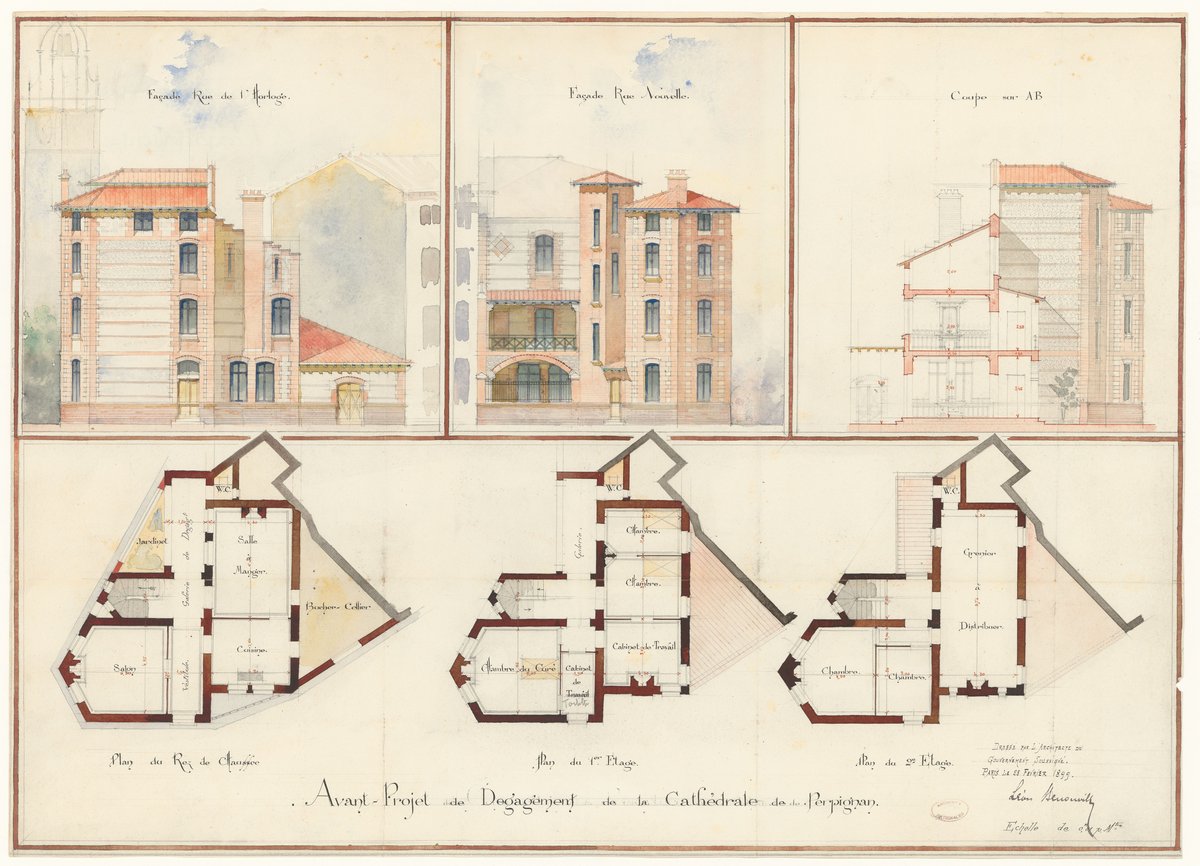
Joseph Puig, born in Perpignan in the late 19th century, developed a deep fascination with coins and medals, amassing a formidable collection during his professional life in Paris. His dedication extended beyond mere accumulation—Puig focused on coins of the Roussillon, Catalonia, and the broader Crown of Aragon, as well as Greek, Roman, Arab, and French specimens. In 1926, he bequeathed his collection and the Villa Les Tilleuls to the city of Perpignan on the condition that it become a museum (monumentum.fr). This act preserved a significant cultural legacy and established a resource for local identity and international scholarship.
Historical and Cultural Significance
The museum’s holdings chronicle over two millennia of monetary history, illuminating the economic, political, and artistic narratives of the Mediterranean and Europe. The focus on regional numismatics—especially Catalan, Roussillon, and Majorcan coinage—underscores Perpignan’s historical role as a crossroads of cultures and commerce. Coins and medals not only functioned as currency but also as tools of propaganda, art, and record-keeping, reflecting shifts in power, ideology, and technology (francerent.com).
Collection Highlights
- Ancient Coins Greek drachmas, Roman denarii and sesterces, and pre-coinage money such as cowries and trade tokens.
- Medieval Currency Kingdom of Majorca coins, reflecting Perpignan’s status as a medieval capital.
- Modern and Contemporary Issues French francs, colonial currencies, and the euro.
- Catalan and Roussillon Coinage Showcasing regional history and identity.
- Medals and Numismatic Artifacts Artfully crafted medals commemorating events and figures, plus seals, jewelry, and tools related to minting.
- Rare Treasures Unique pieces such as the gold 10 ducat of Ferdinand II of Aragon (numista.com).
The collection is displayed chronologically and thematically, with engaging panels and enlarged photographs to make the material accessible for all audiences (Cityzeum).
Practical Information: Hours, Tickets, and Accessibility
Opening Hours
- Tuesday to Saturday 13:30 – 18:00
- Morning visits By appointment only
- Closed Sundays, Mondays, and public holidays
Always check the official website or contact the museum before your visit, as hours may vary during holidays or special events.
(66 Agenda Culturel)
Tickets & Admission
- Admission Free for all visitors
Group and morning visits require advance booking.
(66 Agenda Culturel)
Location
- Address 42 Avenue de Grande Bretagne, 66000 Perpignan, France (Perpignan Tourism)
- Public Transport Walking distance from Perpignan train station; accessible by bus.
- Parking Limited in the immediate area; use public transportation when possible.
Accessibility
- The villa's historic structure may limit full accessibility to upper floors. Contact the museum in advance to discuss mobility needs (Musees Occitanie).
- Wheelchair users are encouraged to call ahead for assistance.
- Restrooms are available; there is no café or shop on-site.
Educational and Community Programs
The museum actively engages with the public through:
- Guided Tours Available for groups, schools, and special interest organizations by reservation (Perpignan Tourism).
- Workshops and Temporary Exhibitions Held during major cultural events, such as European Heritage Days and the Night of Museums (66 Agenda Culturel).
- Library Access The René Argelliès Library houses over 5,000 works for research (by appointment).
- Community Engagement Headquarters of the Association Numismatique du Roussillon, which hosts lectures and publishes research (66 Agenda Culturel).
Visiting Tips & Nearby Attractions
- Plan Ahead Book morning and group visits in advance.
- Language Most information is in French; bring a translation app or ask for English materials.
- Photography Confirm policies with staff before taking pictures.
- Time Needed Allow 1–2 hours to explore the museum.
- Combine Visits Nearby sites include the Castillet, the Palace of the Kings of Majorca, and Perpignan Cathedral (Cityzeum).
- Family-Friendly Clear displays and interactive elements make the museum suitable for visitors of all ages.
Frequently Asked Questions (FAQ)
Q: Is admission to the Musée Numismatique Joseph Puig free?
A: Yes, entry is free for everyone.
Q: What are the opening hours?
A: Tuesday to Saturday, 13:30–18:00; mornings by appointment; closed Sundays, Mondays, and public holidays.
Q: Is the museum wheelchair accessible?
A: Access may be limited due to the historic building; contact the museum ahead to confirm arrangements.
Q: Are guided tours available?
A: Yes, for groups and schools by reservation.
Q: Can I visit the numismatic library?
A: Yes, by appointment; primarily for researchers.
Plan Your Visit
For the latest updates on visiting hours, events, and exhibitions, consult the Perpignan City Official Website or contact the museum directly at +33 (0)4 68 62 37 64.
Download the Audiala app for audio guides, news, and exclusive content. Pair your visit with other Perpignan historical sites for a well-rounded experience.
Audiala2024