Origins and Founding (1965–1972)
Théâtre de l’Aquarium began in 1965 as a university troupe at the École Normale Supérieure, founded by Jacques Nichet and fellow students. Their aim was to revitalize university theatre with innovative staging and new interpretations of both classic and contemporary works (Wikipedia). The name “Aquarium” derives from the nickname for the school’s inner garden. Initially composed exclusively of ENS students, the troupe soon expanded, embracing egalitarian principles—equal pay, risk-sharing, and collective decision-making. This ethos shaped its identity as a space for new perspectives on social relationships.
Early Artistic Achievements and Social Engagement
The troupe quickly gained recognition for socially engaged productions, particularly during the May 1968 student protests. Their play “L’héritier ou les étudiants pipés” addressed educational inequalities and, together with an adaptation of Rabelais’ “Guerres picrocholines,” earned critical acclaim and opportunities to perform at the Théâtre du Vieux-Colombier and internationally (Wikipedia). Transitioning from an amateur group to a professional company, the troupe welcomed young professional actors, further broadening its impact.
Establishment at La Cartoucherie (1972)
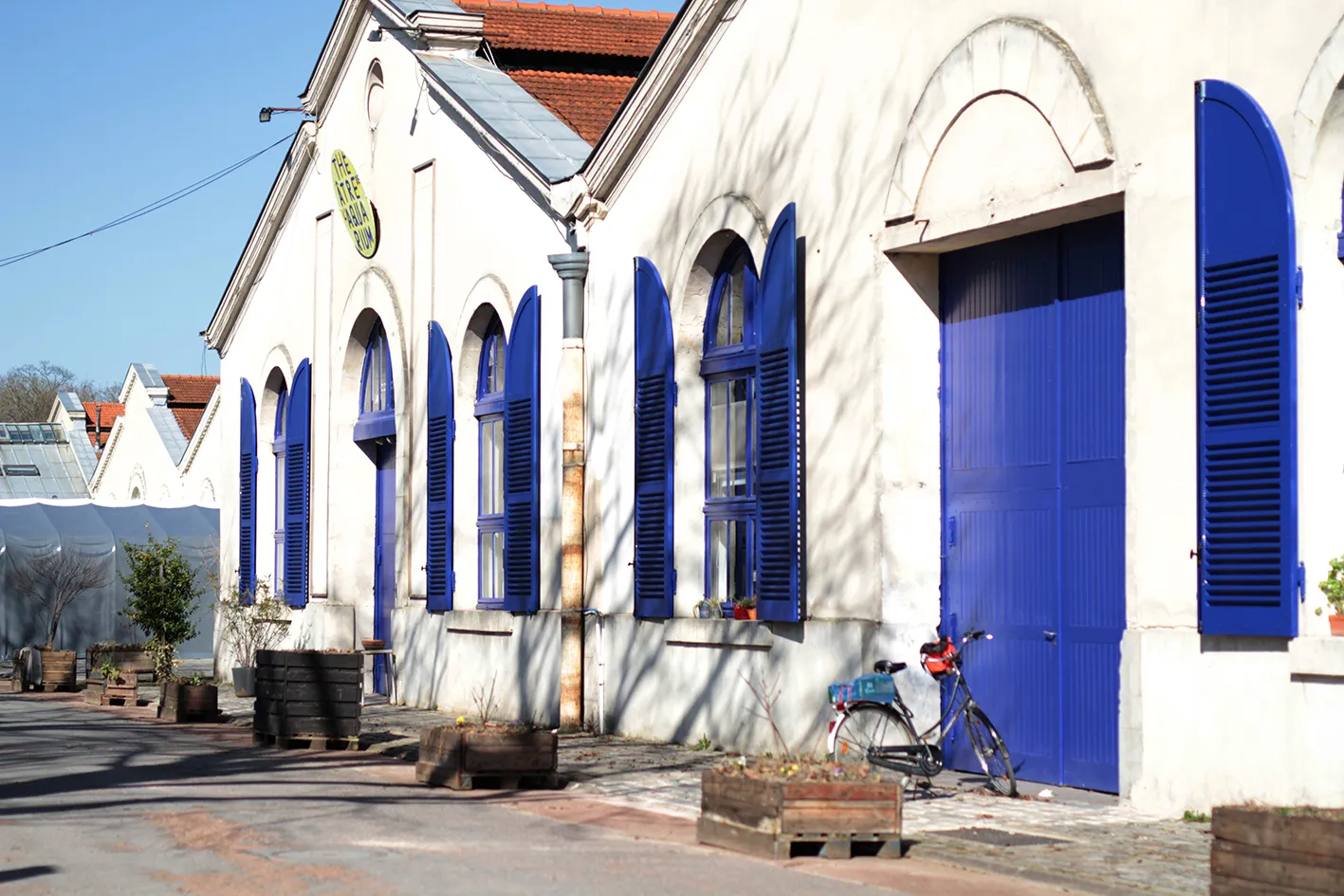
In 1972, Théâtre de l’Aquarium found its permanent home at La Cartoucherie in the Bois de Vincennes, following encouragement from Ariane Mnouchkine and Jean-Marie Serreau (Paris Art). The members physically transformed a 50-meter industrial nave into a flexible theatre, reflecting their collective spirit. La Cartoucherie now houses several independent theatres, fostering a unique artistic community (Offi).
Artistic Direction and Evolution
From the 1970s through the 1990s, the theatre was led by Jacques Nichet, Didier Bezace, and Jean-Louis Benoît. Their focus on contemporary writing and reimagined classics solidified the Aquarium’s reputation for artistic innovation and social relevance (Paris Art). The theatre became known for bold, politically engaged work and its support for emerging playwrights and directors (Time Out Paris).
Leadership Transitions & Recent Developments
Julie Brochen took over as artistic director in 2002, expanding interdisciplinary collaborations, especially with Atelier de Paris – Carolyn Carlson. François Rancillac succeeded her in 2009, deepening the theatre’s commitment to diverse and experimental programming (Offi).
Since July 2019, the collective La Vie Brève has directed the theatre, transforming it into a “house of creation” at the intersection of theatre and music. The BRUIT festival, held twice a year, has become a signature event, showcasing innovative works and reinforcing the theatre’s experimental spirit (75 Agenda Culturel).
BRUIT Festival and Year-Round Programming
BRUIT Festival
- Frequency Once or twice per season, generally in winter or spring.
- Content New theatrical creations, concerts spanning classical to experimental genres, interactive workshops, and social events.
- Accessibility Wheelchair access, reserved seating, and live audio description (“Souffleurs d’images” service) for visually impaired guests (Théâtre de l’Aquarium – Infos pratiques).
- Ticketing Standard tickets €22; reduced rates available; solidarity “billet suspendu” program at €12 enables patrons to purchase tickets for those in need (Théâtre de l’Aquarium tickets).
- Bar Open before and after performances, fostering a convivial festival atmosphere.
Year-Round Programming
Theatre seasons feature contemporary French and international works, youth and family events, and collaborations with emerging and established artists. The venue also hosts educational workshops, artist talks, and outreach programs (Théâtre de l’Aquarium – Infos pratiques).
Visiting Information
Visiting Hours
- Box Office Tuesday–Saturday, 14:00–18:00; extended hours on performance days.
- Performances Typically begin at 20:00, with weekend matinees and special events as scheduled.
Ticketing and Pricing
- Standard ticket €22
- Reduced rates €15 (job seekers, teachers, seniors 65+), €13 (partner committees), €12 (under 26, groups, disabled, Pass 12e), €10 (school/social groups), €5 (children under 10)
- PASS 2 événements €37 full, €27 reduced; additional tickets at €15/€12
- Solidarity ticket “Billet suspendu” €12
- Reservations By phone (+33 1 43 74 99 61), online (official website), or in person (Tarifs)
Accessibility
- Wheelchair access and reserved seating in both halls
- “Souffleurs d’images” Real-time audio description for visually impaired spectators (Accessibilité)
- Contact for assistance [email protected] | +33 1 43 74 72 74
Location & Getting There
- Address La Cartoucherie, 2 route du Champ de Manoeuvre, 75012 Paris
- Metro Line 1 to Château de Vincennes
- Bus RATP 112 (Cartoucherie stop)
- Shuttle Free from metro every 20 minutes (except Mondays)
- Bike Vélib’ stations nearby
- Parking Free on-site, but limited; public transport recommended
- Map & Access
Facilities & Amenities
- Café/bar Open before and after shows
- Restrooms Accessible
- Social spaces Relax in the foyer or outdoor seating areas
- Private events Spaces available for privatization and collaborations (Info booklet)
Community and Sustainability Initiatives
Théâtre de l’Aquarium is a leader in eco-responsibility, with a “ressourcerie” dedicated to recycling and reusing stage materials. These efforts, supported by the French Ministry of Culture and partners such as La Réserve des Arts, include workshops and collaborations with art schools (Scénographie). The “billet suspendu” program and outreach to local schools and social organizations underline the theatre’s social commitment.
Nearby Attractions
- Parc Floral de Paris Gardens and Paris Jazz Festival
- Château de Vincennes Historic medieval fortress
- Paris Zoological Park Family-friendly
- Other Cartoucherie Theatres Théâtre du Soleil, Théâtre de la Tempête, and more
Visitor Tips & FAQ
- Arrive early At least 30 minutes before showtime
- Dress code Smart-casual
- Language Most shows in French; some with surtitles or in other languages
- Photography Not permitted during performances
- Health & Safety Check the website for current regulations
Frequently Asked Questions
Q: What are the opening hours?
A: Tuesday–Saturday, 14:00–18:00 (box office), with extended hours on performance days.
Q: How do I buy tickets?
A: Online, by phone, or at the box office.
Q: Is the theatre accessible?
A: Yes, with wheelchair access and services for visually impaired visitors.
Q: Are there guided tours?
A: Occasionally; check the website or contact the box office.
Q: Family-friendly events?
A: Yes, including matinées and workshops for children.