Plan and listen to Pont Saint-Charles with Audiala.
Audio guide in your pocket, itinerary in your browser. Built for the way you actually visit.
Introduction
Pont Saint-Charles is a lesser-known yet culturally significant bridge in Paris, offering a blend of historical context, architectural appeal, and local charm. While it may not boast the international reputation of Pont Neuf or Pont Alexandre III, Pont Saint-Charles provides visitors with a peaceful retreat, beautiful vistas, and convenient access to vibrant Parisian neighborhoods. This comprehensive guide covers everything from visiting hours and accessibility to the bridge’s history, surrounding attractions, and practical travel tips.
For further reading, see Come to Paris and Woyago Paris Bridges Guide.
Historical Background and Construction
Pont Saint-Charles was built in the early 20th century to serve the growing needs of Paris’s rapidly expanding western districts. Its construction coincided with the city's broader modernization efforts, replacing previous wooden and stone structures with durable materials such as reinforced concrete and steel. This shift allowed for longer spans and more streamlined architectural profiles, responding to increased traffic from both vehicles and pedestrians (Come to Paris).
Strategically spanning the Seine in the 15th arrondissement, Pont Saint-Charles connects the Left Bank with the Île aux Cygnes, a slender island known for its promenade and the iconic Statue of Liberty replica.
Architectural Features
The bridge reflects an era of Parisian infrastructure focused on both utility and understated elegance. Its gentle arches and efficient piers are complemented by subtle Art Deco balustrades, harmonizing with the surrounding urban landscape. Originally designed to serve horse-drawn carriages and early automobiles, Pont Saint-Charles’s wide pedestrian walkways and smooth surfaces ensure accessibility for modern visitors.
Urban and Cultural Significance
Pont Saint-Charles plays a vital role in Paris’s urban landscape. It links the neighborhoods of Javel and Grenelle, facilitating movement and supporting the city’s sustainable mobility goals. Its location enhances connectivity within the Left Bank and provides easy access to the Île aux Cygnes, a favorite spot for joggers, families, and tourists (Woyago Paris Bridges Guide).
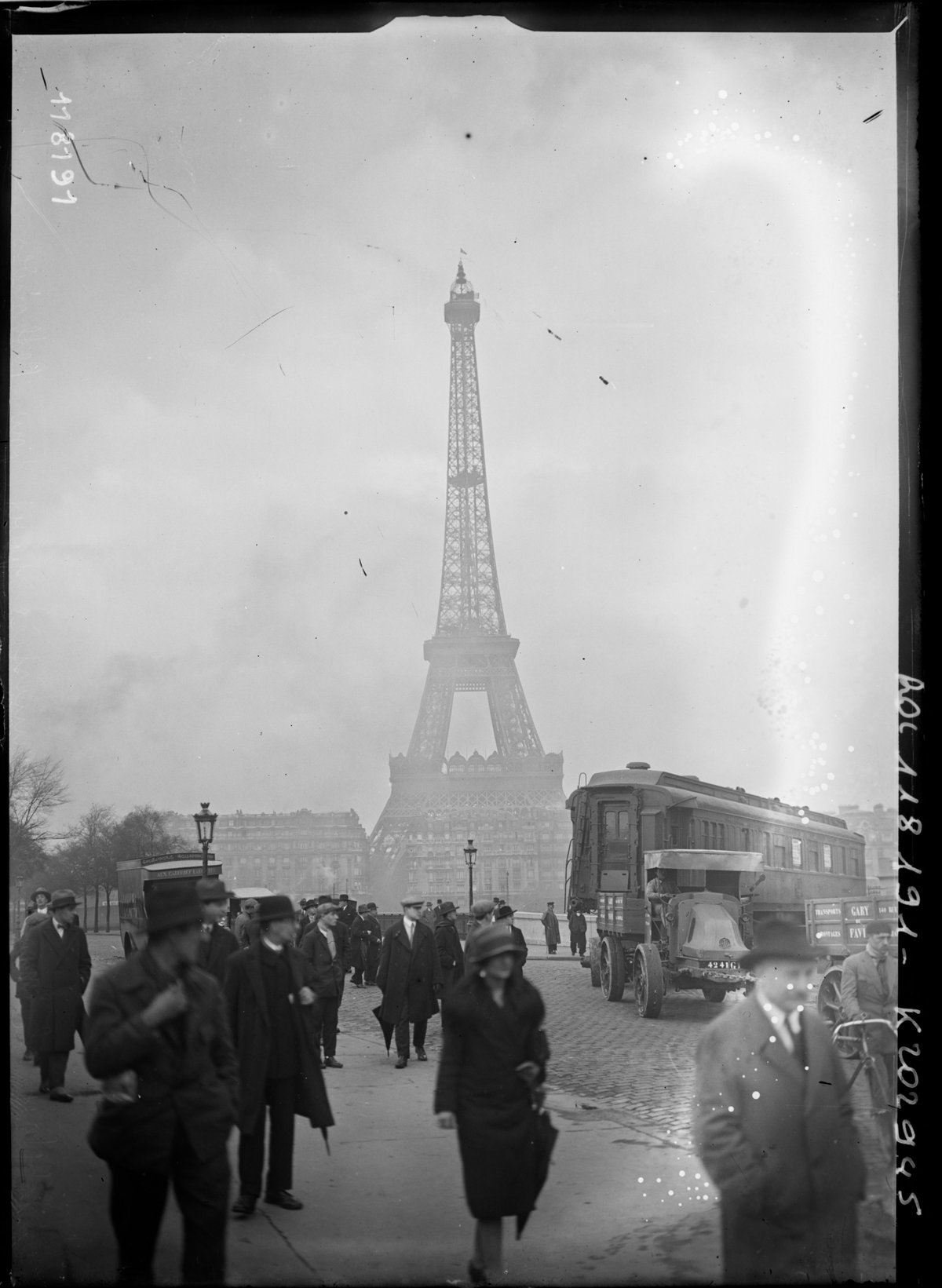
The bridge’s understated design foregrounds other landmarks, like the Eiffel Tower, while offering scenic views of the Seine and fostering communal life along its banks. Its proximity to green spaces, riverside cafés, and the Statue of Liberty replica further enhances its appeal.
Restoration Efforts
In the late 20th century, Pont Saint-Charles underwent comprehensive restoration to address structural wear and increased traffic demands. These efforts preserved the bridge’s original decorative elements while upgrading safety and accessibility features, ensuring its continued role in Paris’s urban fabric (Come to Paris).
Role Among Paris Bridges
While Pont Saint-Charles lacks the grandeur of some Parisian counterparts, its functional elegance and modern engineering mark a significant point in the city’s architectural evolution. It stands as a testament to the integration of practical design with aesthetic restraint, connecting diverse communities and contributing to the city’s historical axis (My French Life).
Notable Incidents and Local Stories
Over the decades, Pont Saint-Charles has witnessed river rescues, community celebrations, and pivotal moments during World War II, including its use as a strategic crossing during the liberation of Paris. Its resilience in the face of mid-20th-century floods and its integration into Parisian daily life have inspired artists, writers, and photographers.
Visiting Pont Saint-Charles: Practical Information
Visiting Hours
Pont Saint-Charles is a fully public bridge, accessible 24 hours a day, seven days a week. There are no restricted hours, making it perfect for sunrise strolls or evening walks.
Tickets
No admission fee or tickets are required to access Pont Saint-Charles.
Accessibility
The bridge is designed for universal access, featuring smooth, gently sloping pedestrian paths suitable for wheelchairs, strollers, and cyclists. For additional accessibility guidance, see Paris Unlocked.
How to Get There
- Metro: Charles Michels and Javel–André Citroën (Line 10).
- Bus: Several lines serve the 15th arrondissement.
- Cycling/Walking: Recent infrastructure upgrades have improved cycling lanes and pedestrian routes (Nomad Epic Paris 2025).
Guided Tours
Though the bridge is not the focus of dedicated tours, several walking tours of Paris’s bridges and the Left Bank include Pont Saint-Charles as a point of interest. Local providers offer flexible itineraries.
Nearby Attractions
- Île aux Cygnes: Promenade, Statue of Liberty replica.
- Parc André Citroën: Modern park with gardens and hot air balloon rides.
- Local cafés and markets: Experience the authentic neighborhood ambiance.
- Easy connections: Quick metro access to major sites like the Eiffel Tower and Latin Quarter (Take’s Two Eggs Paris Guide).
Photography Tips
Best light is found in early morning or late afternoon. Capture the bridge’s Art Deco details, river reflections, and community life on the banks. Views of the Eiffel Tower and sunset over the Seine make for memorable images (Woyago Paris Bridges Guide).
Travel Safety and Tips
The bridge and its surroundings are considered safe, well-lit, and maintained. Remain aware of your belongings and surroundings, especially during festivals or in the evening (Sacavoyage Paris Safety). Most local businesses accept credit cards, but carrying some cash is recommended for markets or small vendors.
Community Events and Seasonal Highlights
Pont Saint-Charles often features in citywide events, such as the Paris Marathon and Bastille Day, when the Seine’s banks come alive with celebrations. Summer months see the Paris Plages festival transform the riverbanks into urban beaches, with pop-up cafés, open-air concerts, and art installations enriching the visitor experience (Lonely Planet Paris 2025).
Frequently Asked Questions (FAQ)
Q: Is there an entrance fee to visit Pont Saint-Charles?
A: No, the bridge is free and open to the public 24/7.
Q: What’s the best time to visit?
A: Early mornings and evenings offer the best light and tranquility. Summer is especially pleasant for outdoor activities (Climate Data Paris).
Q: Is the bridge wheelchair accessible?
A: Yes, Pont Saint-Charles features smooth ramps and wide paths.
Q: Are guided tours available?
A: While there are no exclusive tours for Pont Saint-Charles, many comprehensive Paris walking tours include the bridge.
Q: What attractions are nearby?
A: Île aux Cygnes, Statue of Liberty replica, Parc André Citroën, and local cafés.
Discover More
Pont Saint-Charles is an essential yet understated part of Paris’s rich heritage. Its open access, convenient location, and peaceful atmosphere make it an ideal destination for those seeking to experience authentic Parisian life beyond the city’s most crowded landmarks. Whether you’re drawn by its history, architectural details, or the simple joy of a riverside walk, Pont Saint-Charles promises a memorable and enriching visit.
Download the Audiala app for guided tours, travel tips, and updates on events in Paris. Follow us on social media to discover more hidden gems and plan your perfect Paris adventure.
Listen to the full story in the app
The whole Pont Saint-Charles,
told well.
Audio guides for 1,100+ cities across 96 countries. History, stories, and local insight — offline ready.

Verified, and shown.
Researched and written by the Audiala editorial team from historical records, architectural archives, and local expertise.
Last reviewed
Researched from Wikidata, Wikipedia & official sources · fact-checked · How we make our guides →