Plan and listen to Pont Des Invalides with Audiala.
Audio guide in your pocket, itinerary in your browser. Built for the way you actually visit.
Introduction
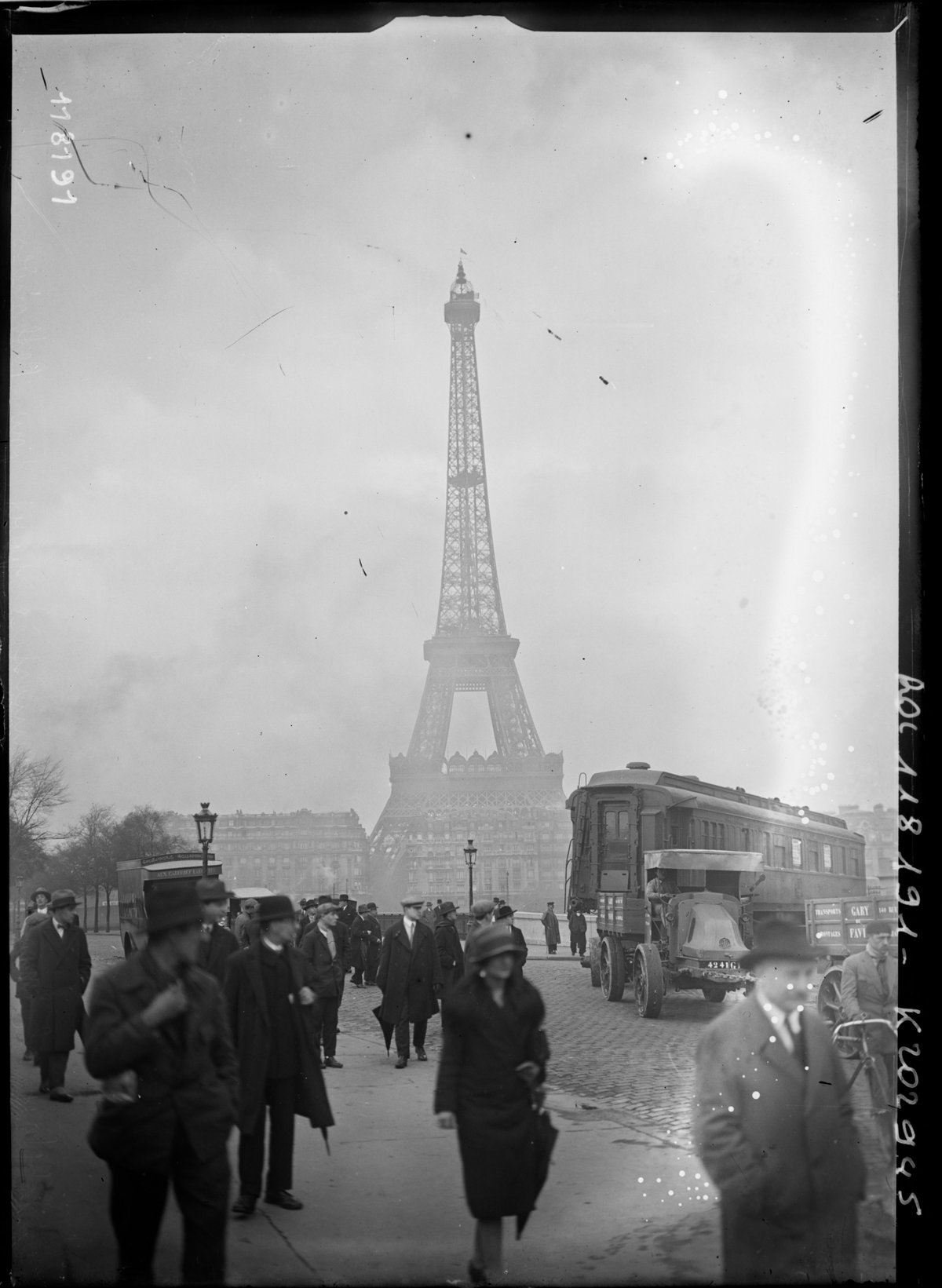
Nestled gracefully over the Seine River, the Pont des Invalides stands as one of Paris’s most significant bridges—blending architectural elegance, engineering resilience, and cultural symbolism. Linking the 7th and 8th arrondissements, it offers stunning views of Parisian landmarks such as the Eiffel Tower, Grand Palais, and the Hôtel des Invalides—home to Napoleon’s tomb and the Musée de l’Armée. Open to the public 24/7 and free to access, the Pont des Invalides is both a functional crossing and a captivating destination for photographers, history enthusiasts, and casual visitors.
This comprehensive guide explores the bridge's history, architectural features, visitor information, nearby attractions, and practical tips to ensure a memorable experience. For further details, consult resources such as Wikipedia: Pont des Invalides, Paris Insiders Guide, and My French Country Home Magazine.
From Vision to Resilience
The idea for a bridge near the Hôtel des Invalides dates back to the early 19th century, during Paris’s era of urban innovation. In 1821, engineer Claude Navier planned a revolutionary suspension bridge at this location. However, structural failures and public opposition led to its demolition before completion (Wikipedia: Pont des Invalides). The project was relocated slightly downstream, where engineers Marie Fortuné de Vergès and Bayard de la Vingtrie completed a new suspension bridge in 1829. Despite its innovative design, the bridge suffered from rapid wear and was deemed unsafe by 1850.
The 1855 Exposition Universelle and Masonry Reconstruction
In preparation for the 1855 Exposition Universelle, the suspension bridge was replaced by a masonry arch bridge, designed by Paul-Martin Gallocher de Lagalisserie and Jules Savarin (Wikipedia: Pont des Invalides). This version, completed in 1856, utilized the existing piers and added a central one for increased stability. During construction, workers discovered an ancient oak boat dating back to the Norman invasions, highlighting the area’s deep historical layers.
Structural Challenges and Adaptations
Despite its robust construction, the Pont des Invalides experienced subsidence of nearly 30 centimeters by 1878, and two arches collapsed during the severe winter of 1880. These were swiftly rebuilt, and the bridge has remained stable since. In 1956, sidewalks were widened to accommodate increasing pedestrian traffic, reflecting its ongoing adaptation to the city’s needs (travelfranceonline.com).
Architectural Features
Design and Decoration
The Pont des Invalides is characterized by its three low masonry arches—making it the lowest bridge over the Seine in Paris. Its classical restraint contrasts with the neighboring Pont Alexandre III’s ornate style. The central pier is adorned with two allegorical sculptures: “La Victoire Terrestre” by Victor Vilain (upstream) and “La Victoire Maritime” by Georges Diebolt (downstream), celebrating France’s military victories (livetheworld.com). The piers also feature military trophies sculpted by Astyanax-Scévola Bosio, reinforcing the bridge’s symbolic connection with the Hôtel des Invalides (en.wikipedia.org).
Urban Integration
Strategically positioned between the Hôtel des Invalides and the Champs-Élysées, the bridge serves as a visual and practical anchor in Paris’s urban landscape. Its wide sidewalks and smooth ramps make it accessible for pedestrians, cyclists, and visitors with limited mobility (My French Country Home Magazine). The bridge offers unobstructed views of the Seine, Eiffel Tower, and Grand Palais, making it a favorite spot for photography and artistic inspiration.
Visitor Information
Visiting Hours
- Open: 24 hours a day, 7 days a week.
- Tickets: No tickets or entrance fees required.
Accessibility
- Pedestrians/Cyclists: Wide, accessible sidewalks.
- Wheelchair Access: Smooth ramps and level surfaces.
- Public Transport:
- Metro: Invalides (Lines 8, 13, RER C), Alma-Marceau (Line 9).
- Buses: Multiple lines serve the area.
Travel Tips
- Best Times: Early morning or late afternoon for the best light and fewer crowds.
- Photography: Panoramic views of the Seine, Eiffel Tower, and Paris skyline.
- Safety: Use designated walkways due to vehicle and bicycle traffic.
Nearby Attractions
- Hôtel des Invalides: Home to the Musée de l’Armée and Napoleon’s tomb (Musée de l’Armée).
- Grand Palais and Petit Palais: Renowned for their exhibitions and architecture.
- Seine River Cruises: Departures nearby for unique city views (Cruise on the Seine).
- Champ de Mars & Eiffel Tower: A short walk for picnics and iconic views.
Cultural Impact and Artistic Legacy
The Pont des Invalides is celebrated as a Parisian symbol, appearing in paintings, photographs, postcards, and films (espaceurbain.net). Its understated neoclassical design harmonizes with the city’s architectural traditions and serves as a muse for artists capturing the Parisian atmosphere. The bridge is also a key vantage point during public events, such as Bastille Day celebrations and marathons.
Frequently Asked Questions (FAQ)
Q: Are tickets required to visit the Pont des Invalides?
A: No, the bridge is open to the public and free of charge.
Q: What are the visiting hours?
A: The bridge is accessible 24/7, year-round.
Q: Is the bridge accessible for wheelchairs and strollers?
A: Yes, wide and smooth walkways accommodate mobility needs.
Q: Are guided tours available?
A: The bridge is included in many Paris walking tours and some Seine river cruises.
Q: What are the best times to visit for photography?
A: Early morning and sunset provide the most beautiful light and views.
Practical Tips for a Memorable Visit
- Combine your visit with nearby museums and gardens for a full day of cultural exploration.
- Check the weather before visiting; the bridge is exposed to the elements.
- Use public transportation for easy access—parking is limited.
- Bring a camera to capture unique perspectives of Paris’s landmarks.
Visuals and Virtual Tours


Summary
The Pont des Invalides is a testament to Paris’s history, resilience, and architectural sophistication. Its story—from failed early attempts to its enduring masonry arches—mirrors the city’s evolution. Today, it offers locals and travelers alike a picturesque, accessible, and free experience at the heart of Paris’s cultural landscape. Whether you’re seeking panoramic views, a scenic stroll, or a deeper connection to Paris’s heritage, the Pont des Invalides provides an essential stop on any Paris itinerary.
For the most current visitor information, consult the Paris Tourism Board and the Musée de l’Armée.
Listen to the full story in the app
The whole Pont Des Invalides,
told well.
Audio guides for 1,100+ cities across 96 countries. History, stories, and local insight — offline ready.

Verified, and shown.
Researched and written by the Audiala editorial team from historical records, architectural archives, and local expertise.
Last reviewed
Researched from Wikidata, Wikipedia & official sources · fact-checked · How we make our guides →