Plan and listen to Pont De L'Alma with Audiala.
Audio guide in your pocket, itinerary in your browser. Built for the way you actually visit.
Introduction
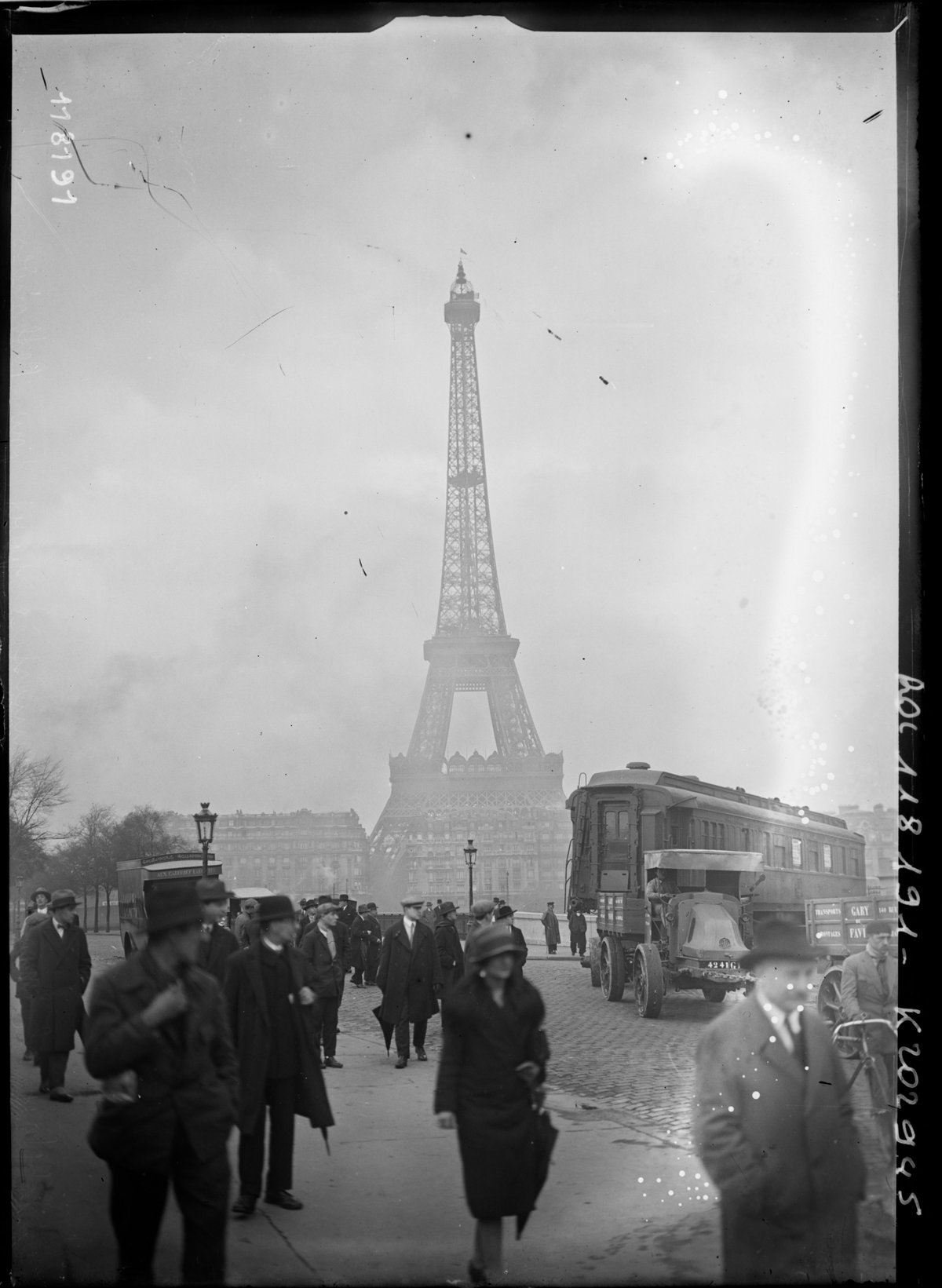
Pont de l’Alma is one of Paris’s most iconic and historically rich bridges, connecting the city’s 7th and 8th arrondissements over the Seine River. Inaugurated in 1856 under Napoleon III, the bridge commemorates the pivotal Battle of Alma—a Franco-British victory in the Crimean War. Today, Pont de l’Alma is celebrated not only for its military heritage and architectural evolution but also as a symbol of Parisian resilience and modern urban life. It is a must-visit for history buffs, photographers, and casual explorers alike, offering panoramic views, proximity to renowned landmarks, and a poignant connection to recent history through the nearby Flame of Liberty memorial to Princess Diana.
This comprehensive guide details the bridge’s layered history, practical visitor information, cultural significance, and insider tips for making the most of your visit.
Origins and Naming
The Pont de l’Alma was commissioned by Emperor Napoleon III during a transformative period of urban modernization in Paris. Construction began in 1854, and the bridge was inaugurated in 1856. Its name honors the Battle of Alma (1854), a crucial Franco-British-Ottoman victory in the Crimean War, reflecting a patriotic tribute to military valor and national pride (Lost Between Oceans; Sortir à Paris).
Architectural Evolution
19th-Century Construction
Designed by Paul-Martin Gallocher de Lagalisserie and engineer François Mathé, the original bridge featured three elliptical iron arches supported by four stone piers. Each pier was decorated with statues representing French military divisions: the Zouave, a grenadier, a skirmisher, and an artilleryman (Lost Between Oceans). The bridge measured approximately 153 meters in length and 42 meters in width, reflecting the growing demands of Parisian traffic and the city’s ambitions for monumental public works.
20th-Century Modernization
By the 1960s, river erosion and increased usage compromised the bridge’s foundations. In 1970, Pont de l’Alma was demolished and rebuilt as a single-span steel girder bridge, reopening in 1974. Only the iconic Zouave statue was preserved and reinstalled on the new structure, becoming a beloved Parisian symbol (Paris Discovery Guide; Bateaux-Mouches).
Notable Historical Events
- 1900 World Exposition: Served as a key connector between exhibition sites, highlighting Paris’s role as a global cultural center.
- World Wars: The bridge sustained damage during WWII’s German occupation and was later restored.
- 1913 Taxi Protest: Site of Paris’s first major taxi strike, prompting industry reforms.
- Princess Diana’s Death (1997): The tunnel beneath Pont de l’Alma was the scene of Princess Diana’s fatal car accident. The nearby Flame of Liberty monument has since become an unofficial memorial (Lost Between Oceans; Sortir à Paris).
Visiting Pont de l’Alma
Visiting Hours and Tickets
Pont de l’Alma is a public bridge open 24/7, with no entrance fees or ticket requirements. Visitors can access the bridge at any time, making it one of Paris’s most accessible historical sites.
For Seine river cruises departing near the bridge (notably Bateaux-Mouches), tickets are required. Prices for cruises range from approximately €17 for sightseeing to €70–€120 for dinner cruises. Advance booking is recommended, especially for dinner cruises and during peak tourist seasons. Tickets can be purchased online or at the Bateaux-Mouches pier (Bateaux-Mouches).
Accessibility
- Pedestrians & Cyclists: Wide sidewalks and bike lanes allow easy access.
- Wheelchair Users: The bridge and approaches are wheelchair-friendly; check the status of accessibility features at nearby Metro and RER stations.
- Public Transport: Both Alma-Marceau (Line 9, Right Bank) and Pont de l’Alma (RER C, Left Bank) provide convenient access, with elevators available at the RER station.
How to Get There
- Métro: Alma-Marceau (Line 9) – Right Bank
- RER: Pont de l’Alma (Line C) – Left Bank
- Bus: Lines 42, 63, 72, 80, 92
- Bike: Vélib’ stations on both banks
- Walking: Easily reached from the Eiffel Tower, Musée du Quai Branly, and Avenue Montaigne
Nearby Attractions
- Eiffel Tower: A 10-minute walk, offering world-famous views.
- Musée du Quai Branly – Jacques Chirac: Showcasing indigenous art and cultures.
- Avenue Montaigne: Renowned for luxury shopping.
- Flame of Liberty: A poignant memorial and photo spot on the Right Bank.
Guided Tours and Experiences
Pont de l’Alma is included in various Paris walking tours and Seine river cruises. Many operators offer historical commentary and audio guides. Book through reputable tour companies or at official tourism points (Sortir à Paris).
Photography Tips
- Best Light: Sunrise and sunset for golden hour views of the Eiffel Tower.
- Subjects: The Zouave statue, Flame of Liberty, city skyline.
- Events: Bastille Day fireworks and Paris Plages are ideal times for lively photos.
Cultural and Symbolic Significance
The Zouave Statue
The Zouave, a French light infantryman, is the only surviving statue from the original bridge. Beyond its artistic value, it serves as an informal flood gauge: when water reaches the statue’s feet, embankments are closed; at the thighs, river traffic halts (Lost Between Oceans).
The Flame of Liberty
Gifted in 1989 as a symbol of Franco-American friendship, the Flame of Liberty has become an unofficial memorial to Princess Diana, with visitors leaving tributes at its base (Sortir à Paris).
Events and Seasonal Activities
- Bastille Day (July 14): Exceptional vantage point for fireworks.
- Paris Plages: Summer riverside transformation with beaches and pop-up events (Paris Discovery Guide).
- Tour de France Finale: Close proximity to Champs-Élysées; expect crowds and road closures in late July (Hip Paris).
Practical Visitor Tips
- Safety: The area is generally safe but remain vigilant for pickpockets during crowded events.
- Facilities: Restrooms available at nearby museums; cafés and kiosks line adjacent avenues.
- Weather: Summer averages 25–28°C; bring sun protection and water (Paris Discovery Guide).
- Accessibility: RER C station offers step-free access; some riverbank paths may have uneven surfaces (RATP accessibility guide).
- Etiquette: Be respectful at the Flame of Liberty memorial; keep noise levels moderate.
Frequently Asked Questions (FAQ)
Q: Is Pont de l’Alma open 24/7?
A: Yes, the bridge is always open to the public and free to access.
Q: Are tickets required to visit Pont de l’Alma?
A: No tickets are needed for the bridge. Tickets are required for Seine river cruises.
Q: Is the bridge accessible for wheelchair users?
A: Yes, with step-free access via RER C station and wide sidewalks.
Q: Can I take a guided tour of Pont de l’Alma?
A: While no tours focus solely on the bridge, it is included in many walking and river tours.
Q: What is the significance of the Zouave statue?
A: It is a symbol of French military history and serves as an informal flood gauge.
Q: Where can I find public restrooms?
A: At the Musée du Quai Branly and Trocadéro Gardens.
Summary
Pont de l’Alma embodies Parisian history, culture, and daily life. From its 19th-century origins honoring military valor to its 20th-century modernization, the bridge is both a vital connector and a beloved emblem of national pride. The Zouave statue and the Flame of Liberty memorial encapsulate Paris’s spirit of resilience and remembrance. With unrestricted access, excellent transport links, and proximity to world-famous attractions, Pont de l’Alma offers unforgettable experiences for sightseeing, photography, and cultural exploration. For the latest visitor information and travel planning resources, consult Paris Discovery Guide, Sortir à Paris, and Lonely Planet.
Listen to the full story in the app
The whole Pont De L'Alma,
told well.
Audio guides for 1,100+ cities across 96 countries. History, stories, and local insight — offline ready.

Verified, and shown.
Researched and written by the Audiala editorial team from historical records, architectural archives, and local expertise.
Last reviewed
Researched from Wikidata, Wikipedia & official sources · fact-checked · How we make our guides →