Plan and listen to Pont De La Concorde with Audiala
Audio guide in your pocket, itinerary in your browser. Built for the way you actually visit.
Introduction
The Pont de la Concorde, one of Paris's most iconic bridges, offers both historical richness and functional significance within the city's urban landscape. Constructed between 1787 and 1791 under the supervision of renowned French engineer Jean-Rodolphe Perronet, this bridge is a testament to French engineering and architectural prowess. Its construction utilized stones from the demolished Bastille prison, linking it deeply with the revolutionary spirit of liberty and equality that defined late 18th-century France. As a result, the bridge stands as a monument to significant historical transitions (Paris Info, History Today).
Beyond its historical significance, the Pont de la Concorde is a cultural and political landmark, having witnessed numerous pivotal moments in French history, including the French Revolution and the Napoleonic era. Its strategic location connects the Place de la Concorde on the right bank with the Quai d'Orsay on the left bank, making it a crucial link in Paris's urban landscape (Structurae). For visitors, the bridge offers stunning views of the Seine River and nearby landmarks, making it a favorite spot for photographers and history enthusiasts alike.
History of Pont de la Concorde
Origins and Construction
The Pont de la Concorde has a history dating back to the late 18th century. Commissioned by King Louis XV in 1772, its construction began in 1787 under the supervision of the renowned French engineer Jean-Rodolphe Perronet and was completed in 1791 during the French Revolution. Notably, the stones used for its construction were sourced from the demolished Bastille prison, symbolizing a significant historical transition (Paris Info).
Revolutionary Symbolism
The use of Bastille stones imbued the Pont de la Concorde with deep revolutionary symbolism. The Bastille, stormed on July 14, 1789, marked a pivotal event in the French Revolution. By repurposing these stones, the bridge became a monument to the revolutionary ideals of liberty and equality, adding a layer of significance beyond its functional role (History Today).
Architectural Design
Jean-Rodolphe Perronet's design for the Pont de la Concorde was both innovative and aesthetically pleasing. The bridge spans the Seine River with five elegant arches, each meticulously crafted to ensure structural integrity and visual harmony. Perronet's expertise in civil engineering is evident in the bridge's enduring stability and graceful proportions (Structurae).
Name Changes and Political Shifts
The bridge's name has changed several times, reflecting France's political shifts. Initially named Pont Louis XVI, it was renamed Pont de la Révolution during the French Revolution. In 1795, it was renamed Pont de la Concorde to symbolize the newfound harmony and unity in post-revolutionary France (Paris Info).
19th Century Modifications
In the 19th century, the Pont de la Concorde underwent significant modifications to accommodate increasing traffic and Paris's evolving urban landscape. In 1810, during Napoleon Bonaparte's reign, the bridge was widened from 14 meters to 18 meters to facilitate troop and artillery movement (Napoleon.org).
20th Century Renovations
The 20th century saw further renovations to preserve the structural integrity and historical significance of the Pont de la Concorde. In the 1930s, extensive restoration work was undertaken to address wear and tear, reinforcing the arches and replacing damaged stones (Structurae).
Visitor Information
Visiting Hours and Ticket Prices
The Pont de la Concorde is open to the public 24/7, and there's no admission fee to visit the bridge. However, nearby attractions like the Louvre Museum and guided tours may have their own visiting hours and ticket prices. Always check in advance to plan your visit accordingly.
Travel Tips and Accessibility
To get to the Pont de la Concorde, you can use various public transport options including the Metro, with the closest station being Concorde (Lines 1, 8, and 12). The bridge is accessible on foot and by bicycle, making it easy for visitors to explore the area. The bridge is also wheelchair accessible.
Nearby Attractions
The Pont de la Concorde connects the Place de la Concorde on the right bank of the Seine with the Quai d'Orsay on the left bank. Nearby attractions include:
- Place de la Concorde - Famous for its obelisk and fountains.
- Musée d'Orsay - A museum showcasing an extensive collection of art.
- Tuileries Garden - A public garden offering a peaceful retreat.
- Champs-Élysées - One of the most famous avenues in the world.
Unique Aspects and Special Events
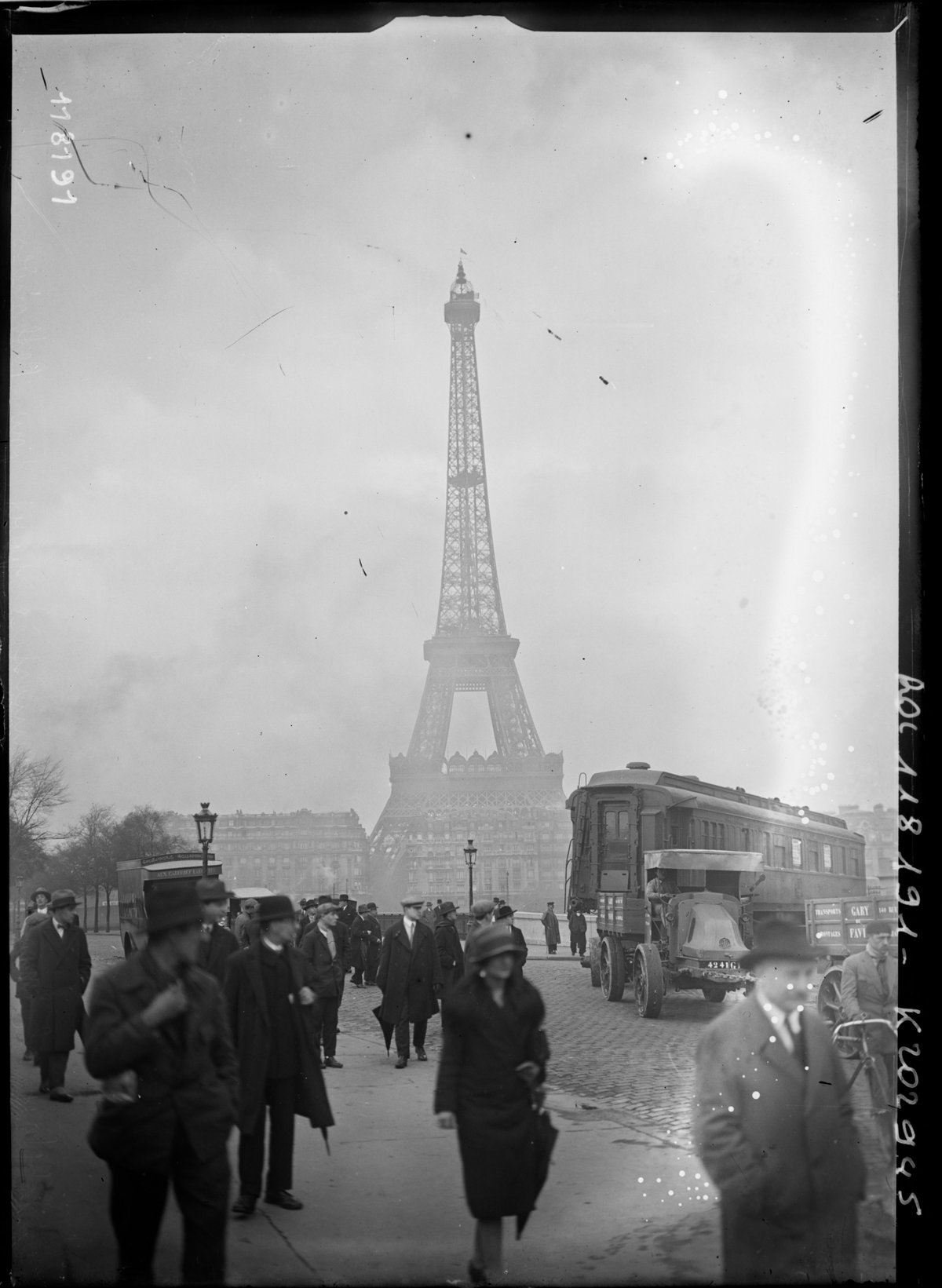
Throughout the year, the Pont de la Concorde serves as a venue for various cultural events, including art installations and historical reenactments. The bridge itself is a popular spot for photographers, offering stunning views of the Seine and iconic landmarks like the Eiffel Tower.
Preservation Efforts
Ongoing maintenance and conservation efforts are essential to protect the Pont de la Concorde from pollution, weathering, and the passage of time. These efforts include regular inspections, cleaning, and structural assessments to ensure the bridge remains safe and accessible for both residents and visitors (Structurae).
Frequently Asked Questions (FAQ)
What are the visiting hours for the Pont de la Concorde?
- The bridge is open 24/7.
Is there an admission fee to visit the Pont de la Concorde?
- No, visiting the bridge is free.
What is the best way to get to the Pont de la Concorde?
- The Metro is a convenient option, with the closest station being Concorde (Lines 1, 8, and 12).
Are there any guided tours available?
- Yes, various guided tours include the Pont de la Concorde as part of their itinerary.
Listen to the full story in the app
-
verified
Paris Info
Visiting Pont de la Concorde - History, Tickets, and Travel Tips in Paris
- verified
- verified
- verified
- verified
- verified
- verified
Last reviewed: