Introduction
Place Du Châtelet, located in the vibrant core of Paris, is a historical and cultural landmark that beautifully merges Paris's storied past with its dynamic present. Named after the medieval fortress Grand Châtelet, this square has transformed across centuries—from a defensive stronghold to a bustling public space reflective of Napoleon's vision for grand urban design. Today, it stands as a hub for both locals and tourists, offering access to architectural marvels, celebrated theatres, and a lively cultural scene. This guide provides a detailed overview of Place Du Châtelet’s history, practical visitor information, and recommendations for making the most of your visit. (Fontaine du Palmier, Théâtre du Châtelet, Théâtre de la Ville)
Photo Gallery
Explore Place Du Châtelet in Pictures
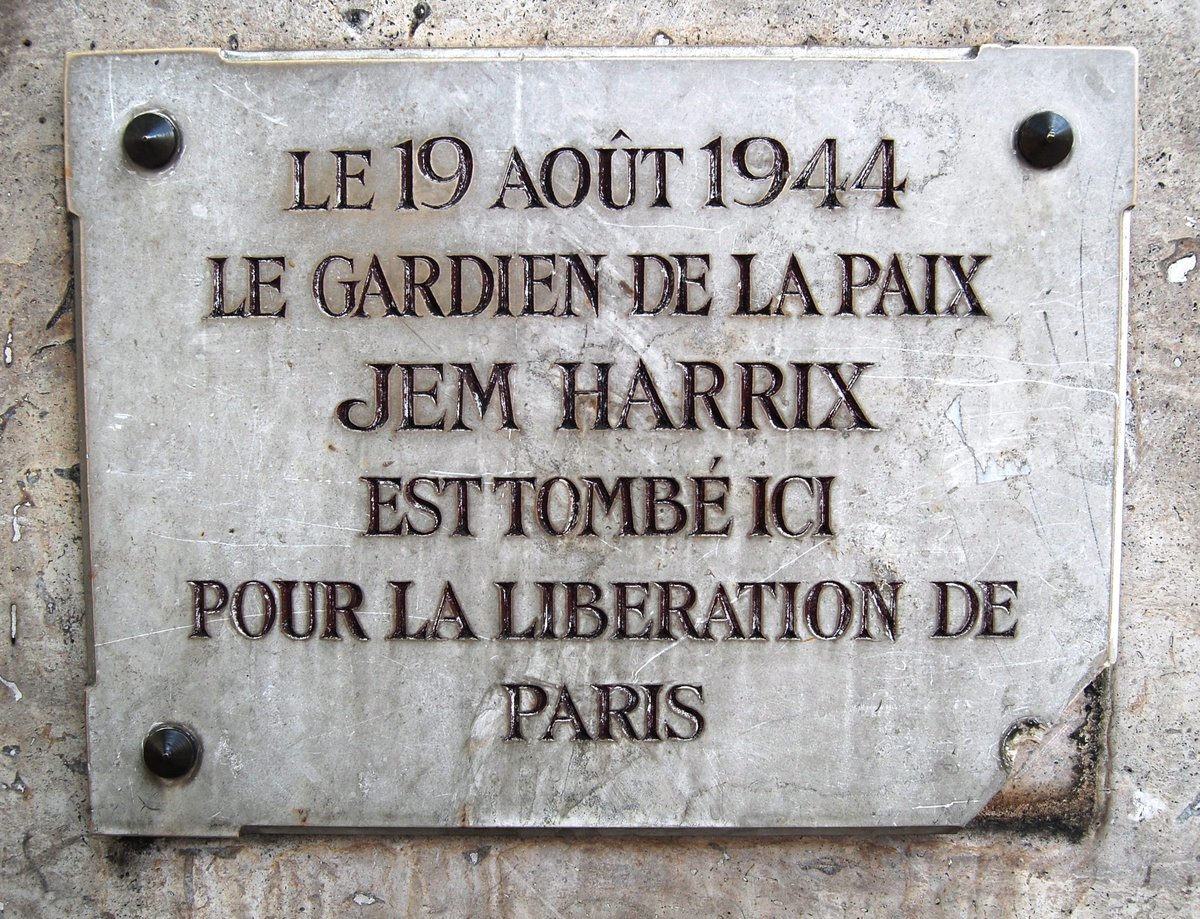
Photograph of a commemorative plaque honoring Jem Harrix, also known as Jean Harris, who died during the Nazi occupation of Paris in World War II.

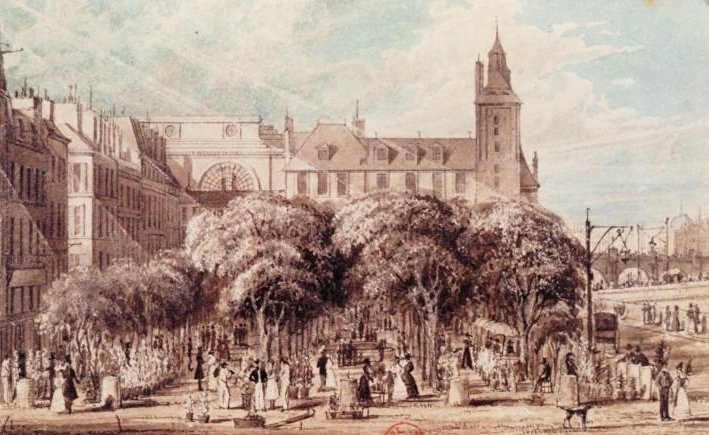
Black and white photograph taken circa 1890 by Hippolyte Blancard showing the Place du Châtelet and the Chambre des notaires in the 1st arrondissement of Paris during winter, viewed through trees. Part of Musée Carnavalet's collection.
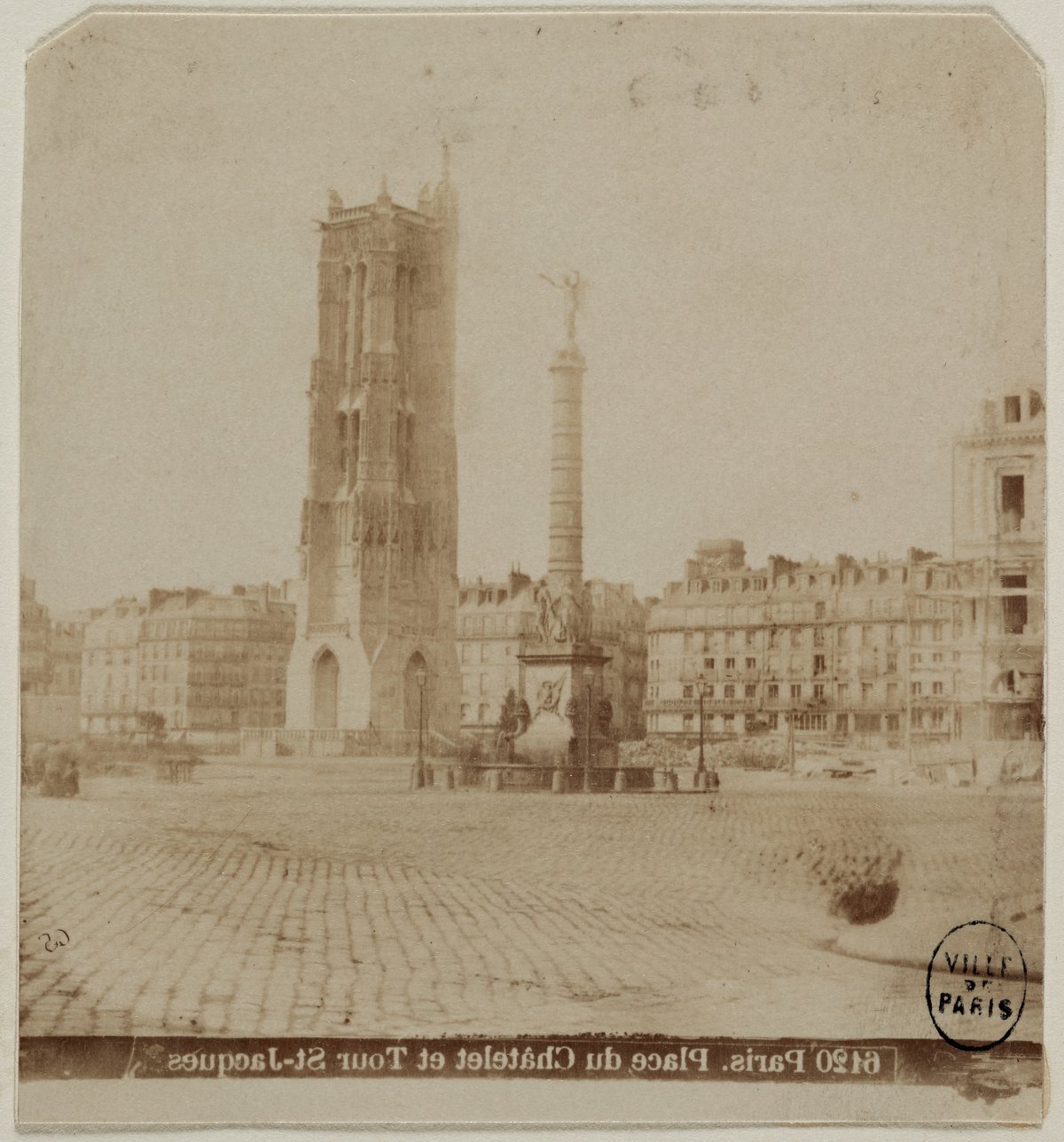
19th century stereoscopic photograph showing Place du Châtelet and the Saint-Jacques Tower in the 1st and 4th arrondissements of Paris, mounted on paper from Musée Carnavalet's history of Paris collection.

Photograph taken around 1890 by Hippolyte Blancard showing Place du Châtelet from the Quai de la Cité in the 1st arrondissement of Paris. Vintage photography on paper measuring 16.2 cm by 21.3 cm, preserved at Musée Carnavalet.
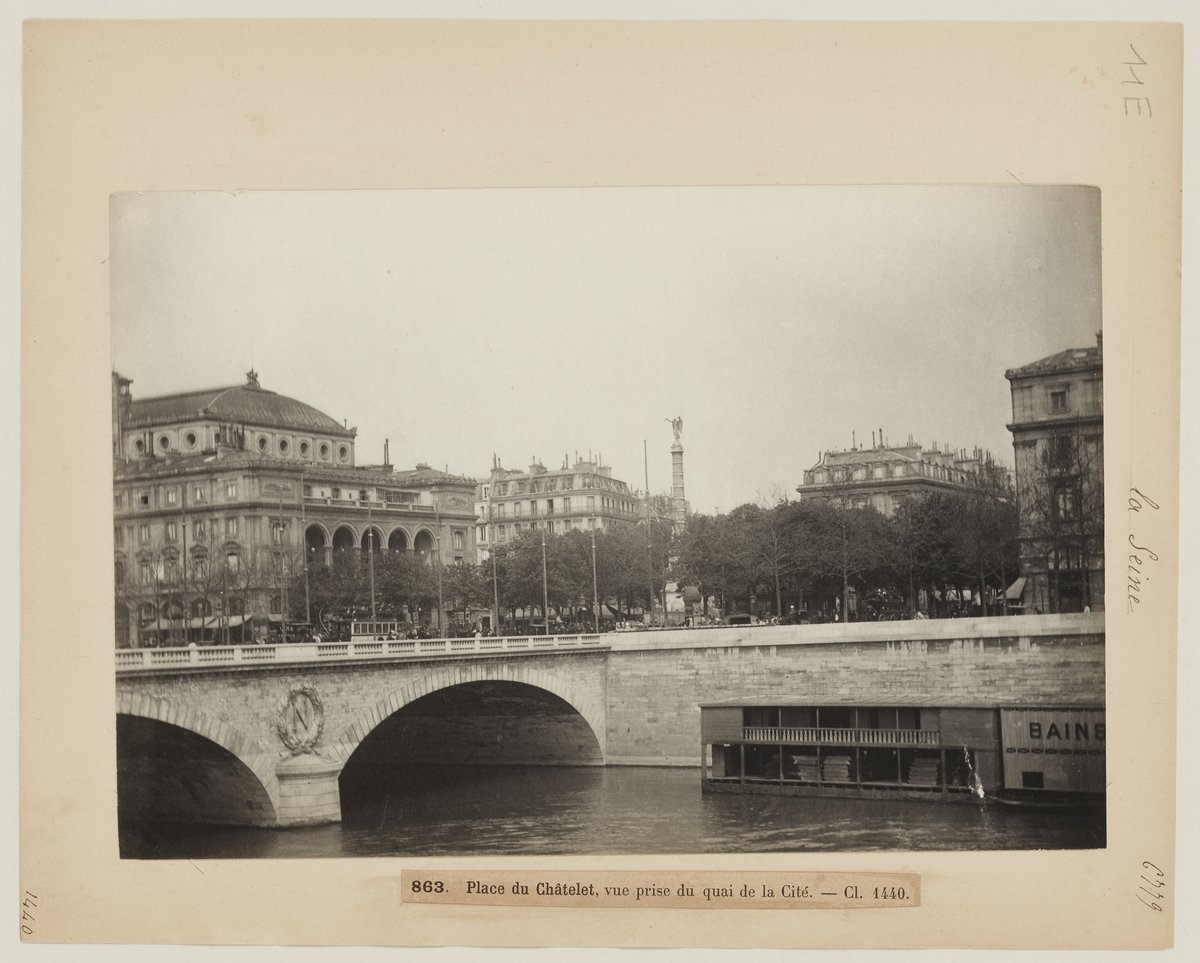
Black and white photograph taken circa 1890 by Hippolyte Blancard showing Place du Châtelet as seen from Quai de la Cité in the 1st arrondissement of Paris. The print is mounted on an old support with notches and measures approximately 15.4 cm high by 22.7 cm wide.
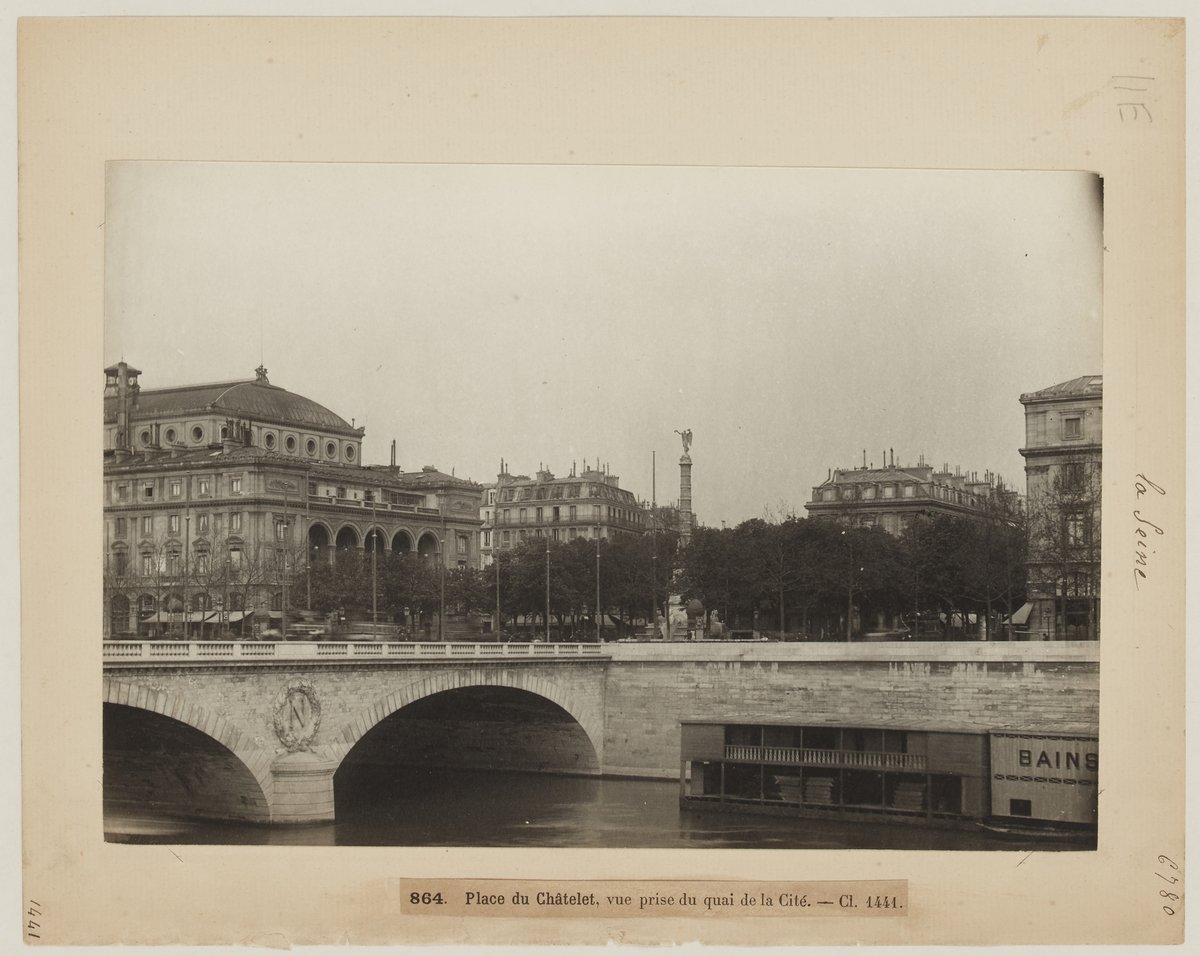
Vintage photograph taken by Hippolyte Blancard circa 1890 showcasing Place du Châtelet as seen from Quai de la Cité in the 1st arrondissement of Paris. The photo is mounted on an old frame with inscription on the front, housed in Musée Carnavalet, Histoire de Paris.
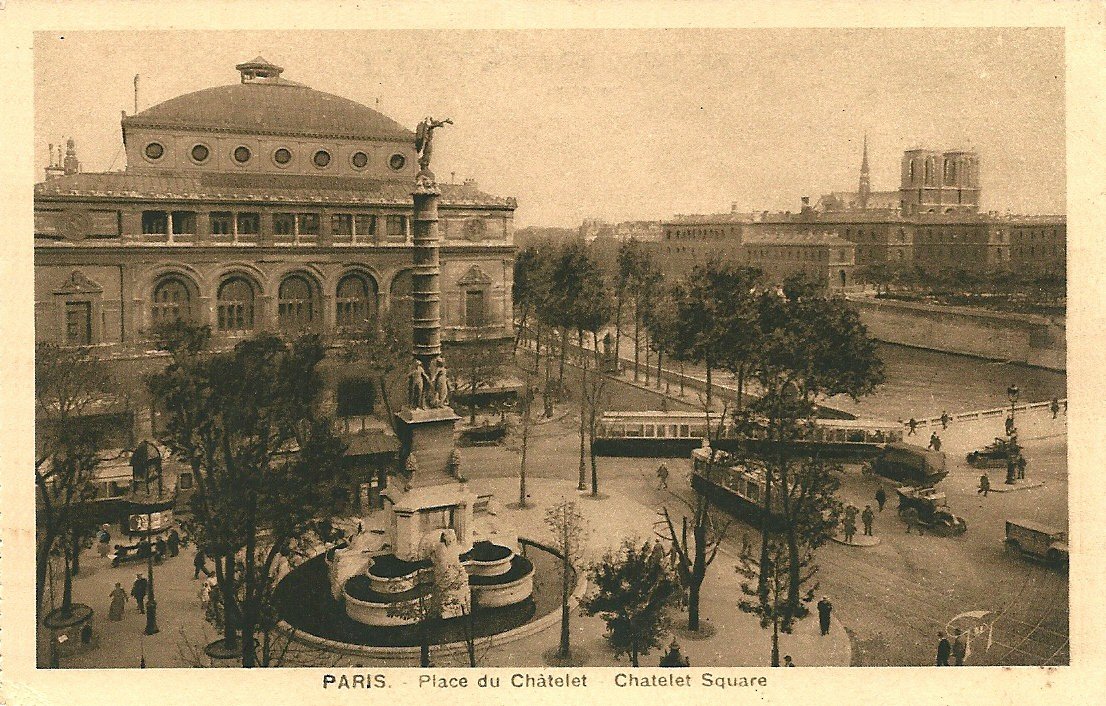
A historic vintage postcard showcasing Place du Châtelet in Paris as it appeared before 1936, capturing the classic architecture and atmosphere of the area.
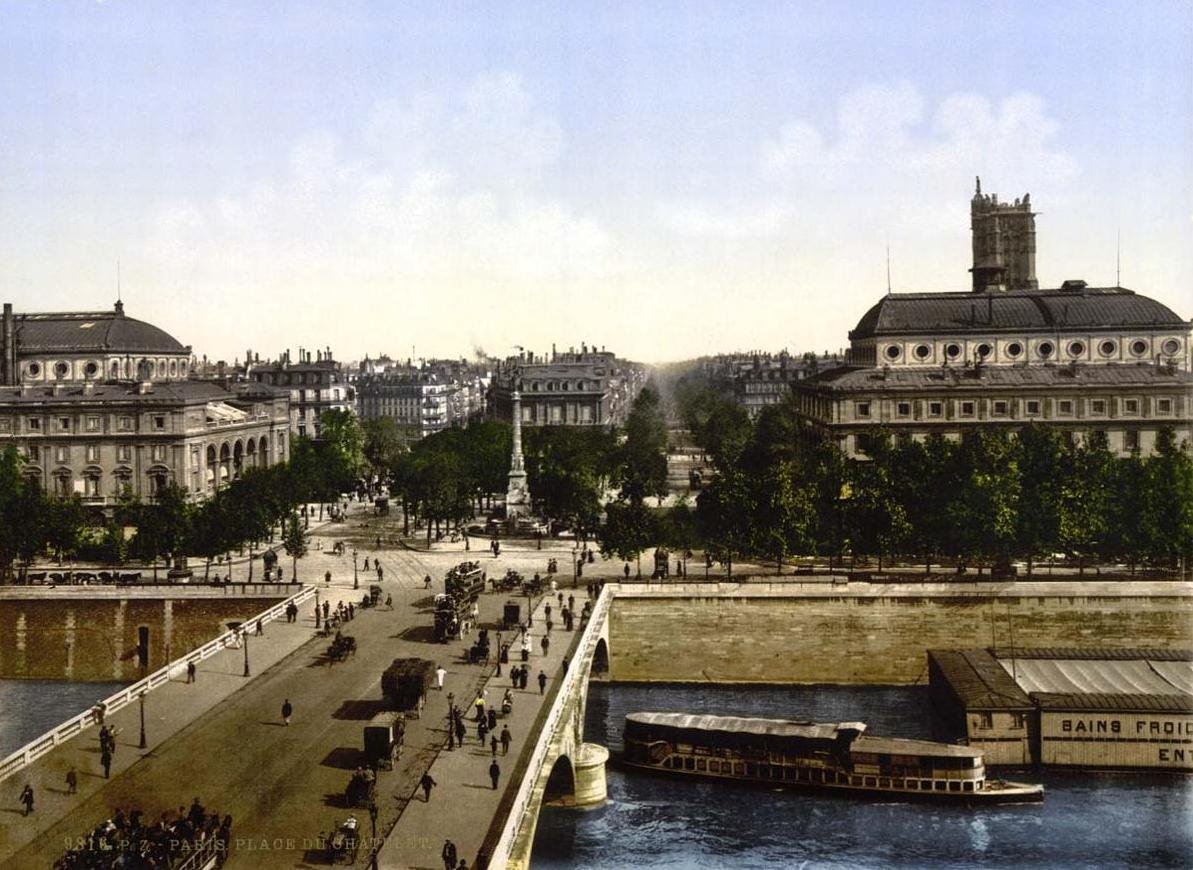
Scenic view of Place du Châtelet in Paris featuring the iconic fountain and surrounding classical architecture

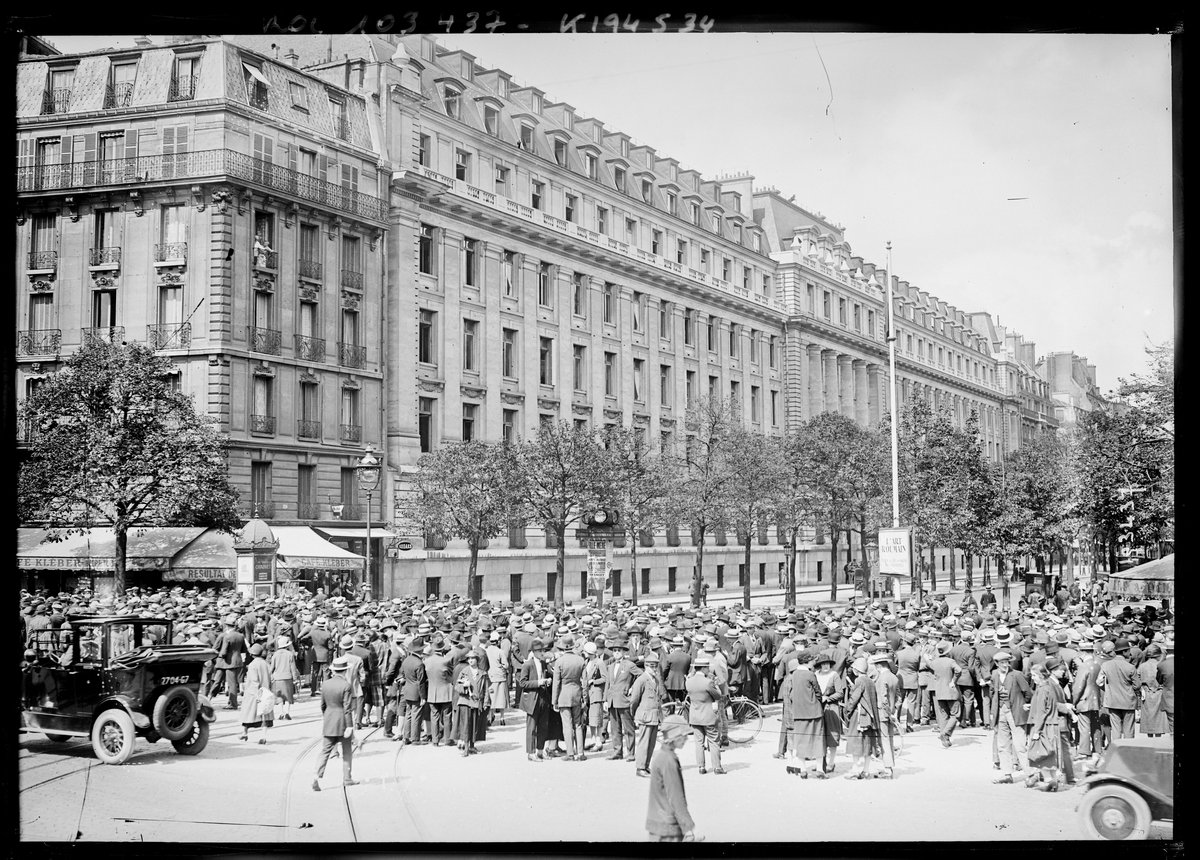
Historical photograph of Place du Châtelet in Paris taken by E. Baldus, showing classic architecture and daily life.
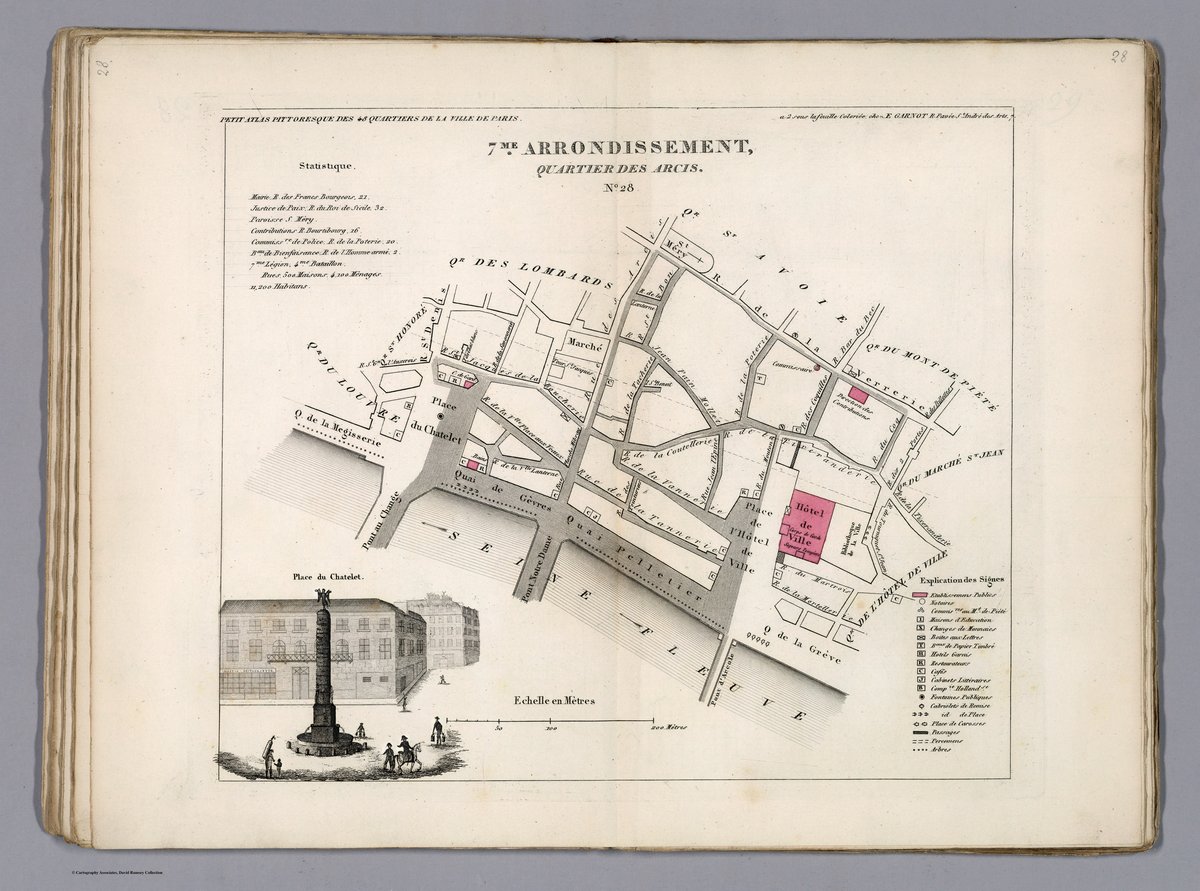
Hand colored engraved plan showing the 7th arrondissement Quartier des Arcis in Paris featuring roads, streets, monuments, city blocks and public buildings including Church of Saint-Philippe du Roule, with a legend explaining map symbols and statistical table. From the first edition of the Petit atl
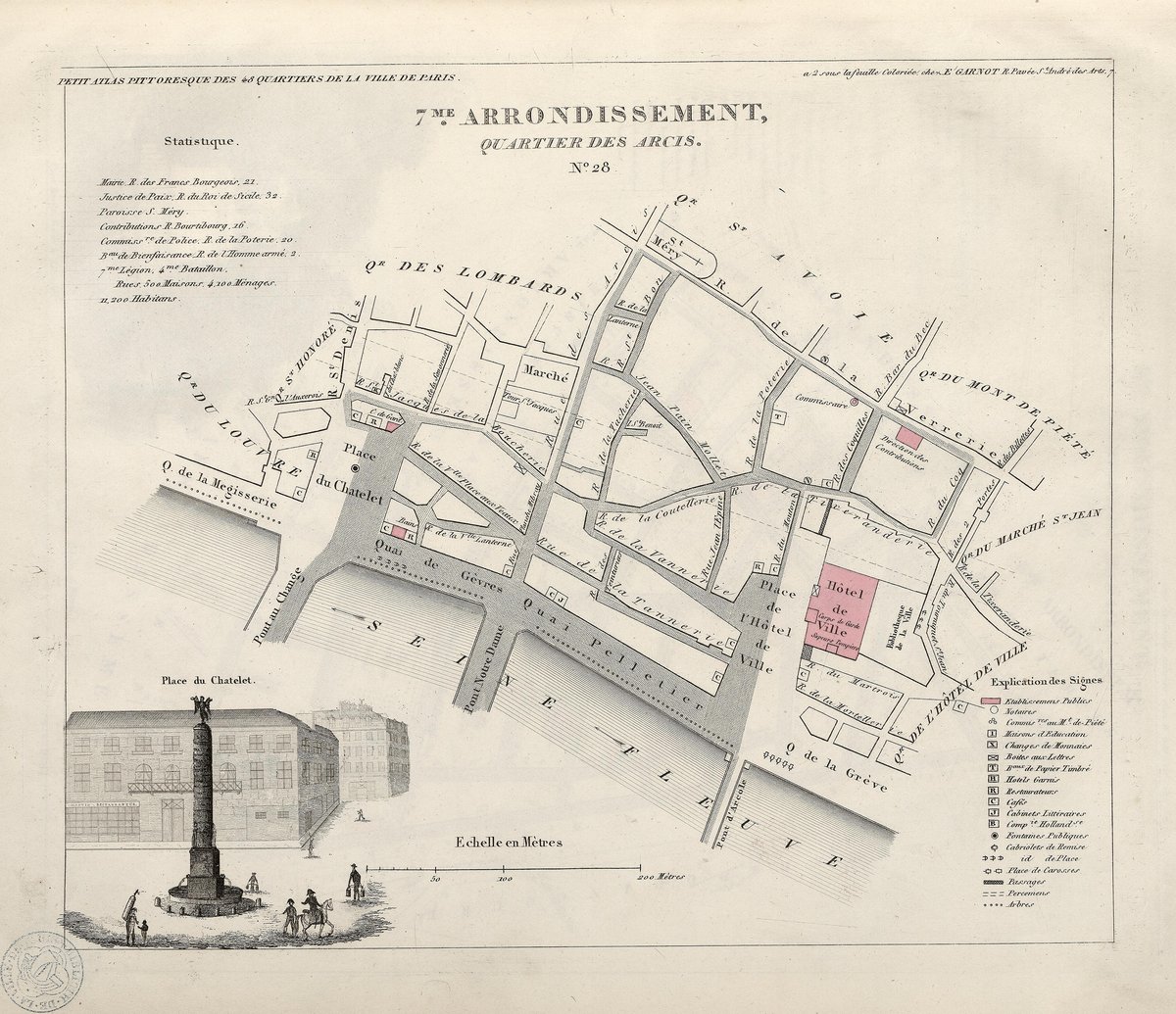
Detailed historical map showing the 7th arrondissement, quartier des Arcis in Paris from Petit atlas pittoresque collection
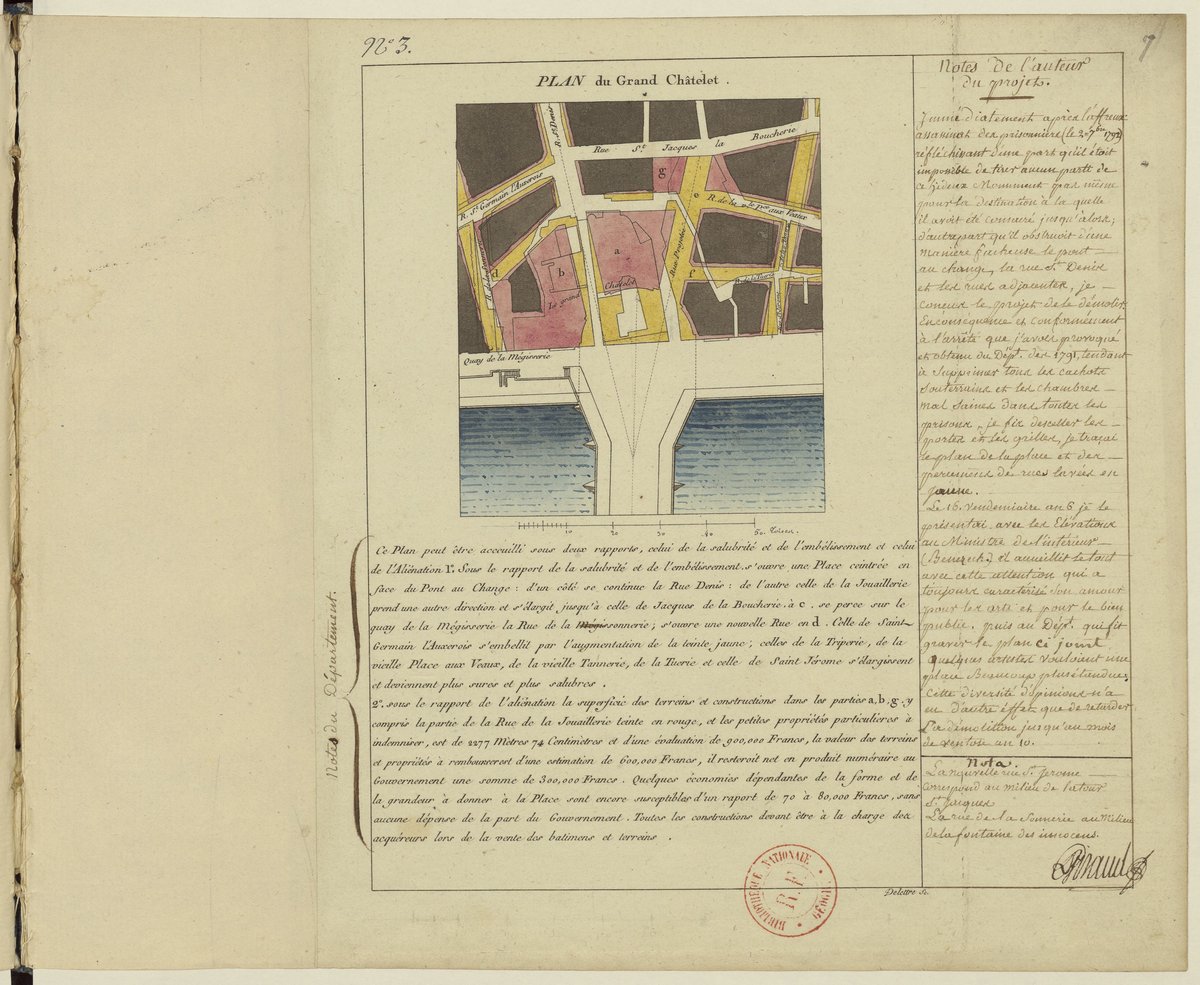
Detailed 1791-1792 map of general plans of prisons and detention houses in Paris, including notable sites such as Madelonettes, Grande et Petite Force, Conciergerie, Grand Châtelet, and the Kremlin-Bicêtre, highlighting the correctional infrastructure of Paris and Val-de-Marne during this period.
Historical Background
Origins and Early History
The area now known as Place Du Châtelet traces its origins to the 12th century, when King Louis VI commissioned the construction of the Grand Châtelet fortress. Strategically located to defend the northern approach to the Île de la Cité, the fortress also served as a courthouse, prison, and administrative center, establishing itself as a key symbol of royal authority in medieval Paris.
The Grand Châtelet
The Grand Châtelet was a formidable structure, complete with thick stone walls, towers, and a drawbridge. It played a central role in maintaining law and order, housing the Parisian police headquarters and serving as a prison infamous for its harsh conditions. The fortress controlled access to the Pont au Change, a crucial crossing over the Seine.
Demolition and Transformation
By the late 18th century, the fortress had become obsolete and was closely associated with the ancien régime’s oppressive legacy. In 1802, under Napoleon Bonaparte’s urban modernization projects, the Grand Châtelet was demolished. This not only ended its era as a symbol of authority and justice but also set the stage for the transformation of the area into a public square.
Creation of Place Du Châtelet
Following the demolition, the area was redeveloped into Place Du Châtelet, envisioned as a centerpiece of Paris’s urban landscape. Designed by architect Jacques Hittorff and completed in 1808, the square featured wide boulevards radiating from its center, aligning with Napoleon’s ambition to create impressive public spaces reflecting the glory of his empire.
The Fontaine du Palmier
At the heart of Place Du Châtelet stands the Fontaine du Palmier, also known as the Victory Column. Erected in 1808, the fountain commemorates Napoleon’s military victories. The monument features a column adorned with palm leaves and topped by a gilded statue of Victory holding a laurel wreath and palm branch. At the base, four sphinxes represent the Egyptian campaign, and allegorical figures symbolize virtues such as Vigilance, Justice, Strength, and Prudence. The fountain is a striking example of Napoleonic architecture. (Fontaine du Palmier)
The Theatres
Flanking the square are two distinguished theatres:
-
Théâtre du Châtelet: Opened in 1862 and designed by Gabriel Davioud, this theatre is renowned for its diverse programming, including operas, ballets, musicals, and contemporary performances. It hosted the first French performance of Stravinsky’s "The Rite of Spring" in 1913 and continues to attract audiences with major productions, such as the anticipated French version of "Les Misérables" running from November 2024 to January 2025. (Théâtre du Châtelet, Sortir A Paris)
-
Théâtre de la Ville: Also designed by Davioud and opened in 1862 (originally as Théâtre Lyrique), it is now a leading venue for contemporary performing arts, hosting dance, theatre, and music performances. (Théâtre de la Ville)
Together, these theatres contribute to Place Du Châtelet’s enduring reputation as a cultural hotspot in Paris.
Modern Developments
In recent years, Place Du Châtelet has been revitalized through pedestrianization and urban improvements, making it more accessible and enjoyable for visitors. The area around the square has flourished with new shops, restaurants, and cultural venues, further enhancing its appeal. Additionally, the square is a major transport hub, served by several metro and bus lines, making it a convenient starting point for exploring Paris.
Visitor Information
Visiting Hours and Tickets
- Square Access: Place Du Châtelet itself is a public space and open 24/7.
- Theatres: Visiting hours and ticket prices for performances at the Théâtre du Châtelet and Théâtre de la Ville vary by event. Check their official websites for current schedules and ticketing information. (Théâtre du Châtelet)
Travel Tips
- Getting There: The Châtelet metro station, one of Paris’s largest, is served by lines 1, 4, 7, 11, and 14, as well as numerous bus routes.
- Best Time to Visit: Spring and fall offer pleasant weather and fewer crowds, but the square is lively year-round, especially in the evenings when the theatres light up.
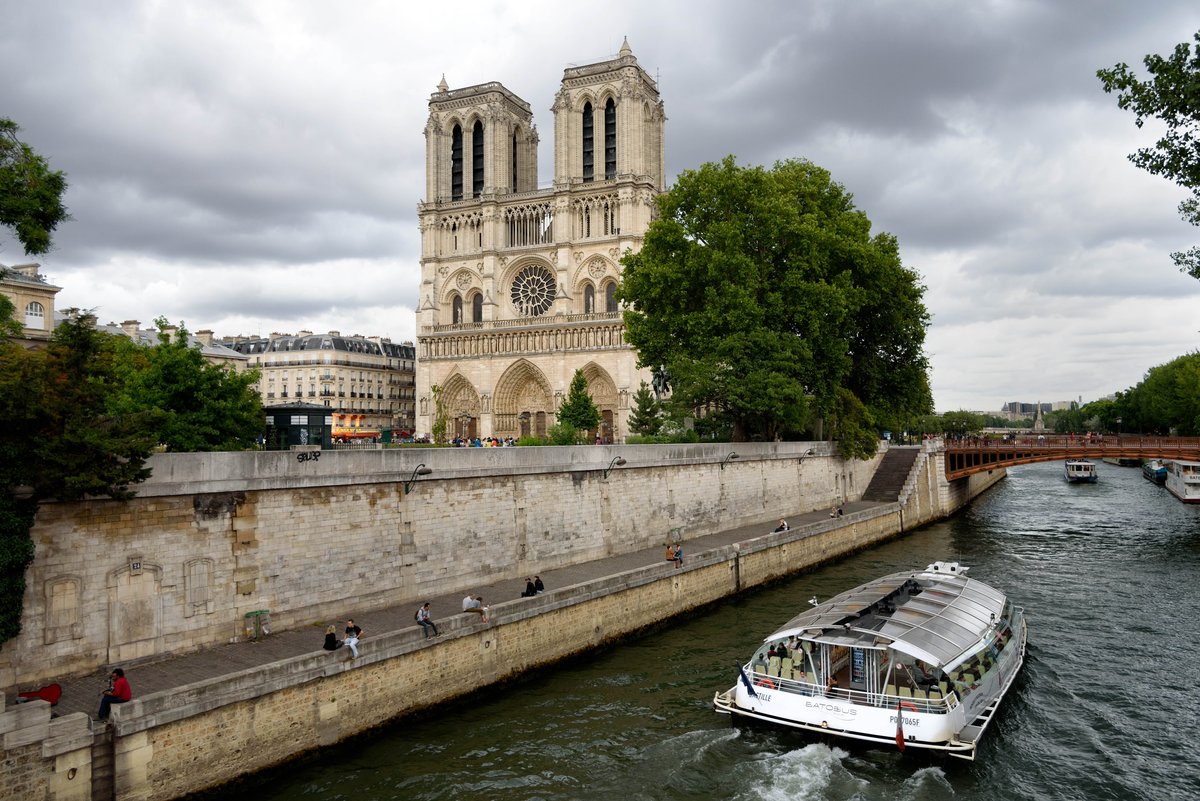
- Nearby Attractions: The square is within walking distance of the Seine, Notre-Dame Cathedral, the Louvre Museum, and the Île de la Cité.
- Dining: Enjoy a meal or coffee at one of the many nearby cafes and restaurants, perfect for people-watching and soaking in the atmosphere.
Accessibility
Recent renovations have enhanced accessibility for all visitors, including those with mobility challenges. Both theatres provide accessible seating and facilities.
Special Events and Guided Tours
Place Du Châtelet regularly hosts public events, festivals, and art installations, with the theatres participating in major cultural happenings like the Cultural Olympiad of the Paris 2024 Olympic Games. Guided tours are available through local providers, offering historical and architectural insights into the square and its landmarks.
Photographic Spots
The Fontaine du Palmier, the ornate façades of the theatres, and the open expanse of the square offer excellent photographic opportunities, especially at sunset or in the evening when the area is illuminated.
FAQ
What are the opening hours for Place Du Châtelet?
The square is open to the public 24/7. Theatres and nearby establishments have their own operating hours.
Are tickets required to visit Place Du Châtelet?
The square is free to access. Tickets are required for theatre performances; prices vary by event. (Théâtre du Châtelet)
Are guided tours available?
Yes, various tour operators include Place Du Châtelet in their walking tours. Check with local providers for details.
Is Place Du Châtelet accessible for people with disabilities?
Yes, the square is pedestrian-friendly, and both theatres offer accessible facilities.
What are some nearby attractions?
Place Du Châtelet is close to the Louvre, Notre-Dame Cathedral, the Seine, and the Île de la Cité.
Discover More
Stay updated with the latest events and attractions by downloading the Audiala mobile app. Follow us on social media for more travel tips and updates on Paris’s historical sites and cultural events.
Listen to the full story in the app
Your Personal Curator, in Your Pocket.
Audio guides for 1,100+ cities across 96 countries. History, stories, and local insight — offline ready.
Audiala App
Available on iOS & Android
Join 50k+ Curators
Sources
- verified
- verified
- verified
- verified
- verified
Last reviewed: