Plan and listen to Passerelle Debilly with Audiala.
Audio guide in your pocket, itinerary in your browser. Built for the way you actually visit.
Introduction
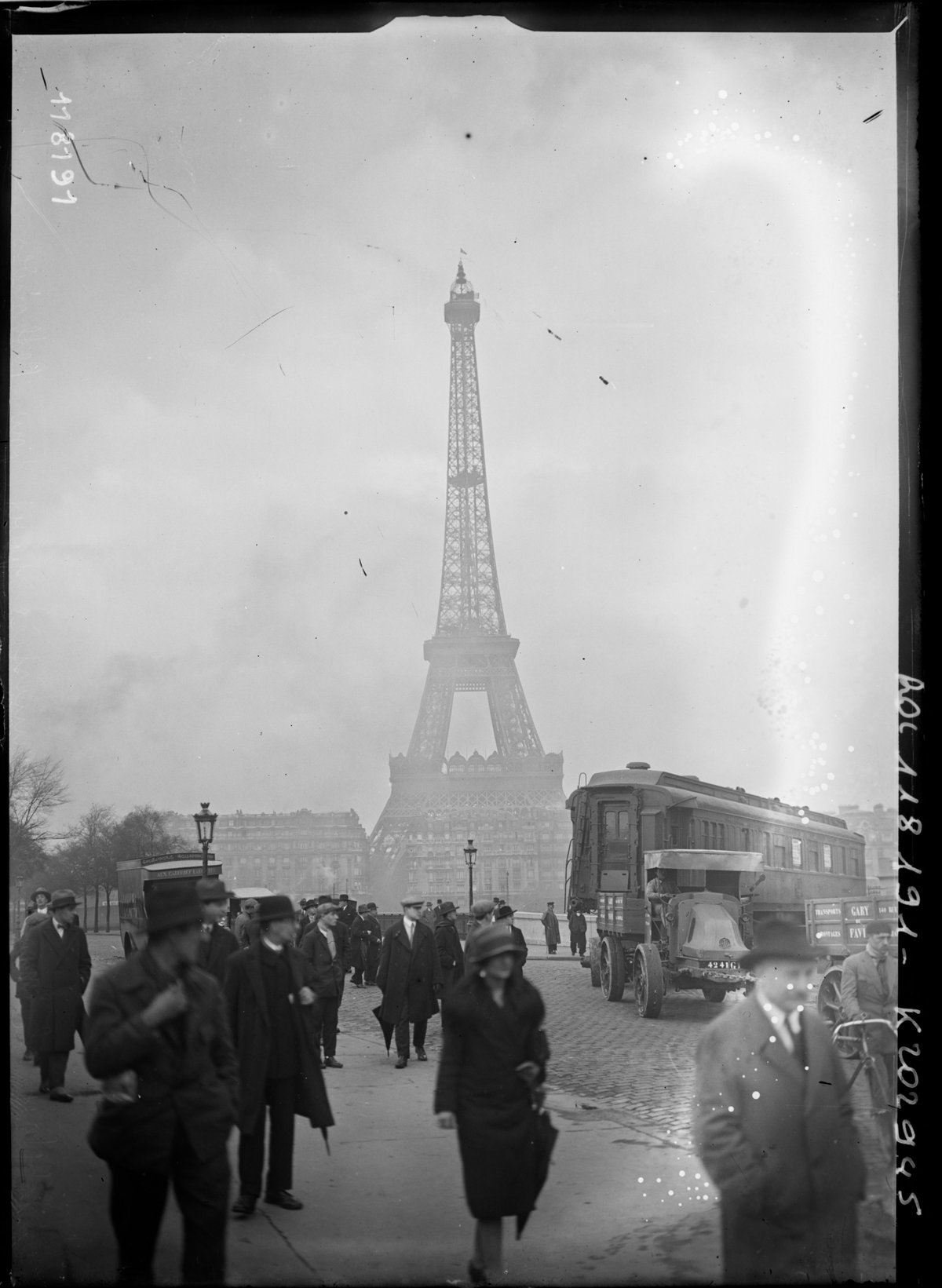
The Passerelle Debilly, a scenic pedestrian bridge spanning the Seine River in Paris, offers visitors a remarkable blend of historical significance and architectural beauty. Originally constructed for the 1900 Exposition Universelle, this bridge was designed to serve as a temporary structure connecting the Champ de Mars and the Esplanade des Invalides. Named after General Jean Louis Debilly, a hero of the French Revolutionary Wars, the initial wooden bridge was dismantled in 1901, only to be reborn in 1931 as a reinforced concrete structure under the guidance of engineer Eugène Freyssinet (Structurae). Over the years, the Passerelle Debilly has evolved from a practical crossing into a cherished Parisian landmark, offering breathtaking views of the Eiffel Tower and serving as a symbol of resilience during WWII. Today, it stands as a testament to early 20th-century engineering, continuing to attract photographers, romantics, and history enthusiasts alike.
Early Beginnings and the 1900 Exposition Universelle
The bridge's origins trace back to the grand 1900 Exposition Universelle, a world fair that showcased global advancements and left an indelible mark on Paris. Erected as a temporary structure, the original Passerelle Debilly served as a secondary access point to the exposition, connecting the bustling Champ de Mars, home to the iconic Eiffel Tower, with the Esplanade des Invalides on the opposite bank. This initial bridge, named after General Jean Louis Debilly, was designed by the esteemed engineer Jean Résal, known for his work on other Parisian bridges like the Pont Alexandre III (Structurae). Constructed primarily of wood, it featured a distinctive three-span deck supported by elegant metal arches.
Demolition and Reconstruction - A Bridge Reborn
Following the conclusion of the Exposition Universelle, the original wooden Passerelle Debilly was dismantled in 1901. However, the bridge's legacy lived on, and the need for a permanent pedestrian crossing remained. In 1931, a new Passerelle Debilly emerged, this time crafted from reinforced concrete. This reconstruction, overseen by engineer Eugène Freyssinet, a pioneer in concrete construction, retained the original bridge's name and general location. Freyssinet's innovative use of concrete, a relatively new material at the time, resulted in a sturdy yet graceful structure that has stood the test of time.
The Passerelle Debilly Through the Years
Throughout the decades, the Passerelle Debilly has become more than just a bridge; it has evolved into a beloved Parisian landmark. Its central location offers breathtaking views of the Eiffel Tower, making it a popular spot for photographers, romantics, and anyone seeking a picturesque Parisian experience. The bridge has also witnessed significant historical events. During World War II, it served as a strategic point during the liberation of Paris. Today, it stands as a symbol of resilience and the city's enduring spirit.
Architectural Significance and Modern Usage
The Passerelle Debilly's architectural significance lies in its representation of early 20th-century engineering innovation. Freyssinet's use of reinforced concrete paved the way for future architectural advancements, and the bridge stands as a testament to his pioneering work. Today, the bridge serves as a vital pedestrian artery, facilitating the flow of Parisians and tourists alike across the Seine. It provides a car-free route, encouraging walking and cycling, and contributing to the city's commitment to sustainable urban living.
Practical Visitor Information
- Visiting Hours: The Passerelle Debilly is accessible 24/7, offering a serene passage at any time of day or night.
- Tickets: There is no entrance fee to access the Passerelle Debilly, making it an excellent free attraction for visitors.
- Accessibility: The bridge is fully accessible to pedestrians, including those with mobility impairments. Ramps on both ends ensure easy access.
Travel Tips and Photographic Spots
- Best Time to Visit: Early morning or late afternoon, when the light is soft, provides the best photographic opportunities.
- Special Events: Check local listings for any special events or guided tours that may include the Passerelle Debilly.
- Photo Spots: Capture stunning views of the Eiffel Tower from the bridge, especially during sunset.
Nearby Attractions
- Eiffel Tower: Just a short walk away, the Eiffel Tower is a must-visit landmark (Tour Eiffel).
- Musée du Quai Branly - Jacques Chirac: Explore art and cultures of Africa, Asia, Oceania, and the Americas (Musée du Quai Branly).
- Palais de Tokyo: A contemporary art center housed in a grand Art Deco building, showcasing cutting-edge exhibitions (Palais de Tokyo).
- Jardins du Trocadéro: These sprawling gardens offer stunning views of the Eiffel Tower and the Champ de Mars (Paris Info).
- Champ de Mars: This vast green space is a popular spot for picnics and events (Paris Info).
- Musée de l'Homme: Explores the history of humanity from a biological, anthropological, and cultural perspective (Musée de l'Homme).
- Seine River Cruises: Offers a unique perspective of Paris' iconic landmarks (Paris Info).
- Île des Cygnes: An artificial island in the Seine River, home to a tree-lined promenade (Wikipedia).
FAQ
What are the visiting hours for Passerelle Debilly?
The bridge is open to visitors 24/7.
Is there an entrance fee for Passerelle Debilly?
No, there is no entrance fee to access the Passerelle Debilly.
Is the Passerelle Debilly wheelchair accessible?
Yes, the bridge is accessible to wheelchairs.
Listen to the full story in the app
The whole Passerelle Debilly,
told well.
Audio guides for 1,100+ cities across 96 countries. History, stories, and local insight — offline ready.

Verified, and shown.
Researched and written by the Audiala editorial team from historical records, architectural archives, and local expertise.
Last reviewed
Researched from Wikidata, Wikipedia & official sources · fact-checked · How we make our guides →