Plan and listen to Palais De Chaillot with Audiala.
Audio guide in your pocket, itinerary in your browser. Built for the way you actually visit.
Introduction
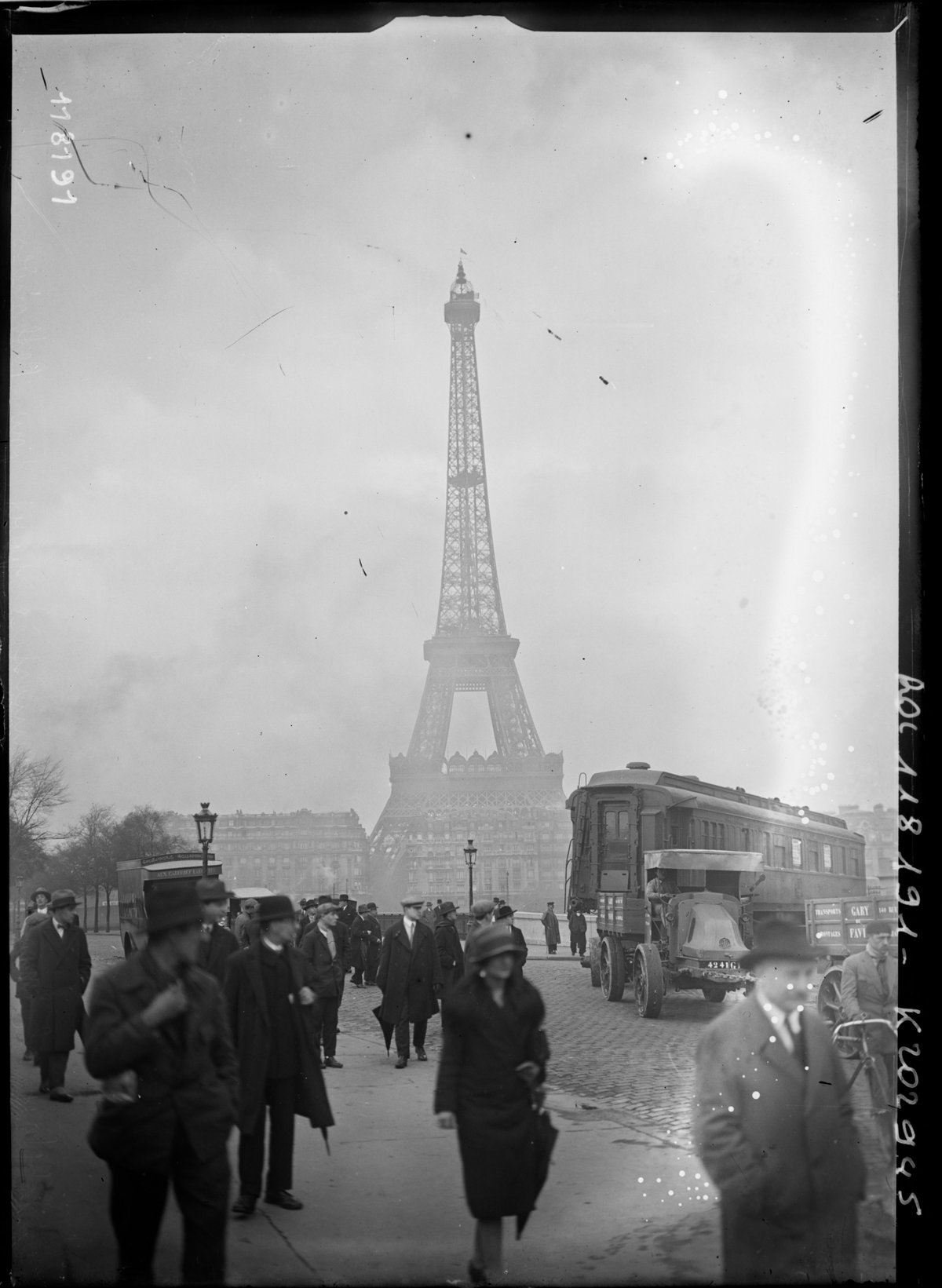
Towering above the Seine in Paris’s prestigious 16th arrondissement, the Palais de Chaillot is a masterwork of French architecture and a living symbol of cultural, political, and artistic history. Renowned for its sweeping esplanade and panoramic views of the Eiffel Tower, the Palais is a vibrant hub that houses key museums and hosts major artistic events. Whether you are a history buff, architecture enthusiast, or a traveler seeking iconic Parisian vistas, this guide provides everything you need to plan an unforgettable visit—including historical context, visiting hours, ticketing, accessibility, travel tips, and frequently asked questions.
(France Travel Planner, Wikipedia, Paris Digest, Klook, Ticketeaser, Fodor’s Paris Guide)
Origins and Early History
Chaillot Hill’s history predates the Palais de Chaillot, originating as a medieval village and later as the site of a 17th-century convent founded by Henriette-Marie de France. Its strategic location overlooking the Seine made it a focal point during times of political upheaval, most notably during the Paris Commune of 1871 (Left in Paris). The Trocadéro name commemorates the 1823 French victory at Trocadero, near Cádiz, Spain.
From Palais du Trocadéro to Palais de Chaillot
The first major structure, the Palais du Trocadéro, was built for the 1878 Universal Exhibition in a Moorish and neo-Byzantine style. Though a venue for subsequent world’s fairs, it drew criticism for its eclectic design (France Voyage). By the 1930s, the need for a modern venue led to the demolition of the Trocadéro. In its place, architects Léon Azéma, Jacques Carlu, and Louis-Hippolyte Boileau erected the Palais de Chaillot for the 1937 Exposition Internationale, introducing sweeping curved wings and an open esplanade that frames the Eiffel Tower (aviewoncities.com).
Architectural Significance
Design and Layout
The Palais de Chaillot exemplifies 20th-century classicism with modernist influences. Its two grand wings, the Passy and Paris wings, curve around the Esplanade des Droits de l’Homme, offering unobstructed views of the Eiffel Tower and Champ de Mars (Art-Facts). The use of monumental colonnades, streamlined Art Deco ornamentation, and open terraces mark a shift from the ornate Trocadéro to a more refined, functional modernism.
Decorative Features
Sculptures and bas-reliefs by prominent 1930s artists adorn the facades and terraces, including eight gilded statues representing facets of French culture. Inscriptions by Paul Valéry reinforce the intellectual and philosophical ambiance (Klook).
Major Historical Events
1937 International Exposition
The Palais de Chaillot was the centerpiece of the 1937 exposition, showcasing advancements in art and technology and serving as a symbol of the era's political tensions (Paris Digest).
World War II and International Diplomacy
During the German occupation, Adolf Hitler’s infamous photograph on the palace’s terrace underscored its symbolic importance. The Musée de l’Homme played a role in the French Resistance, while the esplanade became the site of Allied victory celebrations (Wikipedia).
Universal Declaration of Human Rights
On December 10, 1948, the United Nations General Assembly adopted the Universal Declaration of Human Rights in the palace, commemorated by the Esplanade des Droits de l’Homme (France Travel Planner).
NATO Headquarters
The Palais served as NATO’s temporary headquarters from 1952 to 1959, further cementing its international legacy.
Cultural and Institutional Role
Museums and Cultural Venues
- Cité de l’Architecture et du Patrimoine: One of the world’s largest architecture museums, featuring French architecture from the Middle Ages to today (citedelarchitecture.fr).
- Musée National de la Marine: Showcases France’s maritime heritage with models, equipment, and exhibits (musee-marine.fr).
- Musée de l’Homme: A leading anthropology museum exploring human origins and societal development (seine-river-cruise.net).
- Théâtre National de Chaillot: A major center for dance and performing arts, with a grand 1,200-seat auditorium (Théâtre National de Chaillot).
- Cinéaqua Aquarium: Features 43 tanks, a shark tunnel, and movie theaters (aviewoncities.com).
Trocadéro Gardens
The gardens, designed for the 1937 exposition, feature fountains, ponds, and sculptures, creating a scenic promenade from the terrace down to the Seine (aviewoncities.com).
Visiting Information
Location and Access
- Address: 1 Place du Trocadéro et du 11 Novembre, 75116 Paris
- Metro: Trocadéro station (Lines 6 and 9)
- Bus: Lines 22, 30, 32, 63, and 82
- By Car: Parking is limited; public transport is recommended.
Palais de Chaillot Visiting Hours
- Esplanade and Gardens: Open 24/7, free.
- Cité de l’Architecture et du Patrimoine: Tues–Sun, 11:00–19:00 (closed Mon).
- Musée National de la Marine: Tues–Sun, 11:00–19:00.
- Musée de l’Homme: Tues–Sun, 10:00–18:00.
- Cinéaqua Aquarium: Tues–Sun, 10:00–18:00.
- Théâtre National de Chaillot: Performance times vary; check website.
Tickets and Admission
- General Admission: €8–€12, depending on the museum.
- Free Entry: EU residents under 25 and the first Sunday of each month.
- Combined Tickets: Available for multiple museums.
- Guided Tours: Extra fee; book in advance.
- Paris Museum Pass: Accepted at many institutions (Paris Museum Pass).
Accessibility
The Palais is wheelchair accessible, with ramps and elevators throughout. Assistance is available upon request.
Amenities
- Restrooms: Located in museums and gardens.
- Dining: On-site cafés such as Café de l’Homme, plus nearby restaurants.
- Shops: Museum gift shops and boutiques.
Safety
The area is generally safe; be vigilant about belongings, especially in crowded areas and at metro stations (My Paris Itinerary).
Practical Visitor Tips
- Photography: The esplanade offers iconic views. Early morning and evening provide the best light and fewer crowds.
- Accessibility: Most areas are accessible; some surfaces in the gardens may be uneven.
- Best Times to Visit: Weekdays, early mornings, or evenings.
- Events: Look for special events such as Nuit Blanche, open-air film screenings, and museum nights.
Guided Tours and Special Events
Guided tours are available at the museums and theater, offering in-depth insights into architecture, history, and art. Virtual tours and online resources are also accessible for remote visitors. Check official websites for up-to-date programming and event schedules.
Frequently Asked Questions (FAQ)
Q: What are the Palais de Chaillot visiting hours?
A: The esplanade and gardens are always open. Museums generally open 10:00/11:00 to 18:00/19:00, closed Tuesdays.
Q: How much do tickets cost?
A: Tickets range from €8 to €12, with discounts and free entry for EU residents under 25 and on the first Sunday of the month.
Q: Are guided tours available?
A: Yes, at museums and the theater; advance booking is recommended.
Q: Is the Palais accessible for visitors with disabilities?
A: Yes, with elevators, ramps, and accessible paths.
Q: What is the best time for photography?
A: Early mornings and evenings for light and fewer crowds.
Q: Are there special events?
A: Yes—check museum and theater websites for festivals, exhibitions, and performances.
Nearby Attractions
- Eiffel Tower: A short walk across the Pont d’Iéna.
- Jardins du Trocadéro: Ornamental gardens with fountains.
- Musée du Quai Branly: Museum of indigenous arts and civilizations.
- Seine River Cruises: Depart nearby for scenic city views.
Tickets & tours.
These are guided options from our partners — same price as booking direct.
Prices are indicative — final pricing and availability are confirmed at checkout. Audiala may earn a commission from bookings made through these links.
Listen to the full story in the app
The whole Palais De Chaillot,
told well.
Audio guides for 1,100+ cities across 96 countries. History, stories, and local insight — offline ready.

Verified, and shown.
Researched and written by the Audiala editorial team from historical records, architectural archives, and local expertise.
Last reviewed
Researched from Wikidata, Wikipedia & official sources · fact-checked · How we make our guides →