Plan and listen to Musée De Radio France with Audiala.
Audio guide in your pocket, itinerary in your browser. Built for the way you actually visit.
Introduction: Unveiling the Significance of the Musée de Radio France
The Musée de Radio France, set within the iconic Maison de la Radio et de la Musique in Paris, stands as France’s preeminent institution dedicated to the history and evolution of radio and broadcasting. This museum charts more than a century of technological innovation and cultural impact, offering visitors a comprehensive journey through milestones that have shaped French society, communication, and media. From the pioneering wireless experiments of Eugène Adrien Ducretet to the resistance broadcasts of World War II and into the digital broadcasting era, the museum illuminates radio’s vital role in France’s cultural identity (Musée de la radio & des communications; Cityzeum; Wikipedia: Radio in France).
This guide presents essential details on visiting hours, ticketing, accessibility, exhibitions, and practical tips to help you plan an enriching visit. Whether you’re a technology enthusiast, history buff, or a family looking for an engaging Parisian experience, the Musée de Radio France is a must-see destination among Paris historical sites (Radio France Archives; Maison de la Radio).
- Why Visit the Musée de Radio France?
- Origins of Radio in France
- Radio’s Role in French History
- Foundation and Evolution of the Musée de Radio France
- Significance of the Museum’s Collection
- Practical Visitor Information
- Cultural Heritage & Notable Figures
- Modern Broadcasting Context
- Planning Your Visit: Tips & Recommendations
- Frequently Asked Questions (FAQ)
- Maison de la Radio et de la Musique: A Cultural Landmark
- Summary, Visitor Tips, and Call to Action
- References
Why Visit the Musée de Radio France?
The Musée de Radio France is a unique institution celebrating the evolution of radio and communication technology in France. It’s not only a technical museum but also a living chronicle of how radio has shaped modern society—politically, culturally, and technologically. The museum’s setting in the Maison de la Radio et de la Musique, a landmark of mid-20th-century architecture, adds another layer of historical significance to your visit.
Origins of Radio in France
Radio’s story in France began in the late 19th century, shaped by innovators like Eugène Adrien Ducretet, who conducted the first wireless transmissions in Paris in 1897 (Wikipedia: Radio in France). International collaboration soon followed, with Guglielmo Marconi establishing radio links between England and France. By the 1920s, radio shifted from a scientific curiosity to a mass medium, with French companies manufacturing radio sets and households rapidly adopting the technology. By 1936, radio had become a fixture in four million French homes (Holocaust Music: Role of Radio in Wartime France).
Radio’s Role in French History
Radio became a powerful medium for information, propaganda, and resistance, particularly during World War II. The German occupation saw the creation of Radio Paris and Radio Vichy, but clandestine listening to the BBC and Radio Londres provided hope and accurate news to the French population (France History: BBC Monitoring and French Radio). The liberation of Paris in 1944 was broadcast from the city’s resistance radio center, underlining radio’s influence as a unifying force.
Post-war, French radio became a state monopoly, but “peripheral stations” such as Europe 1 and Radio Luxembourg, broadcasting from outside the country, introduced competition and diverse programming. The liberalization in 1981 led to a flourishing and diverse radio landscape (Wikipedia: Radio in France).
Foundation and Evolution of the Musée de Radio France
The Musée de Radio France was established in 1966, inspired by Pierre Sabbagh’s program “Avis aux Amateurs,” to preserve and showcase the rich heritage of French broadcasting (Cityzeum). Its mission is to document over a century of radio history, from early wireless experiments and scientific breakthroughs to the digital age, serving as a reference point for enthusiasts and researchers alike (Musée de la radio & des communications).
Significance of the Museum’s Collection
The museum’s collection is wide-ranging:
- Early Radio Receivers and Transmitters: Including pioneering crystal sets, tube radios, and shortwave receivers.
- Broadcasting Equipment: Vintage microphones, mixing desks, and control panels used in historical Radio France studios.
- Iconic Studio Installations: Reconstructed studios from different eras offering immersive experiences.
- Archival Recordings and Documents: Original broadcast recordings, scripts, and photographs.
- Notable Artifacts: Claude Chappe’s 1793 telegraph, the first French radio transmitter (1921), Art Deco radios, and personal effects of major radio figures (Cityzeum; Wikipedia).
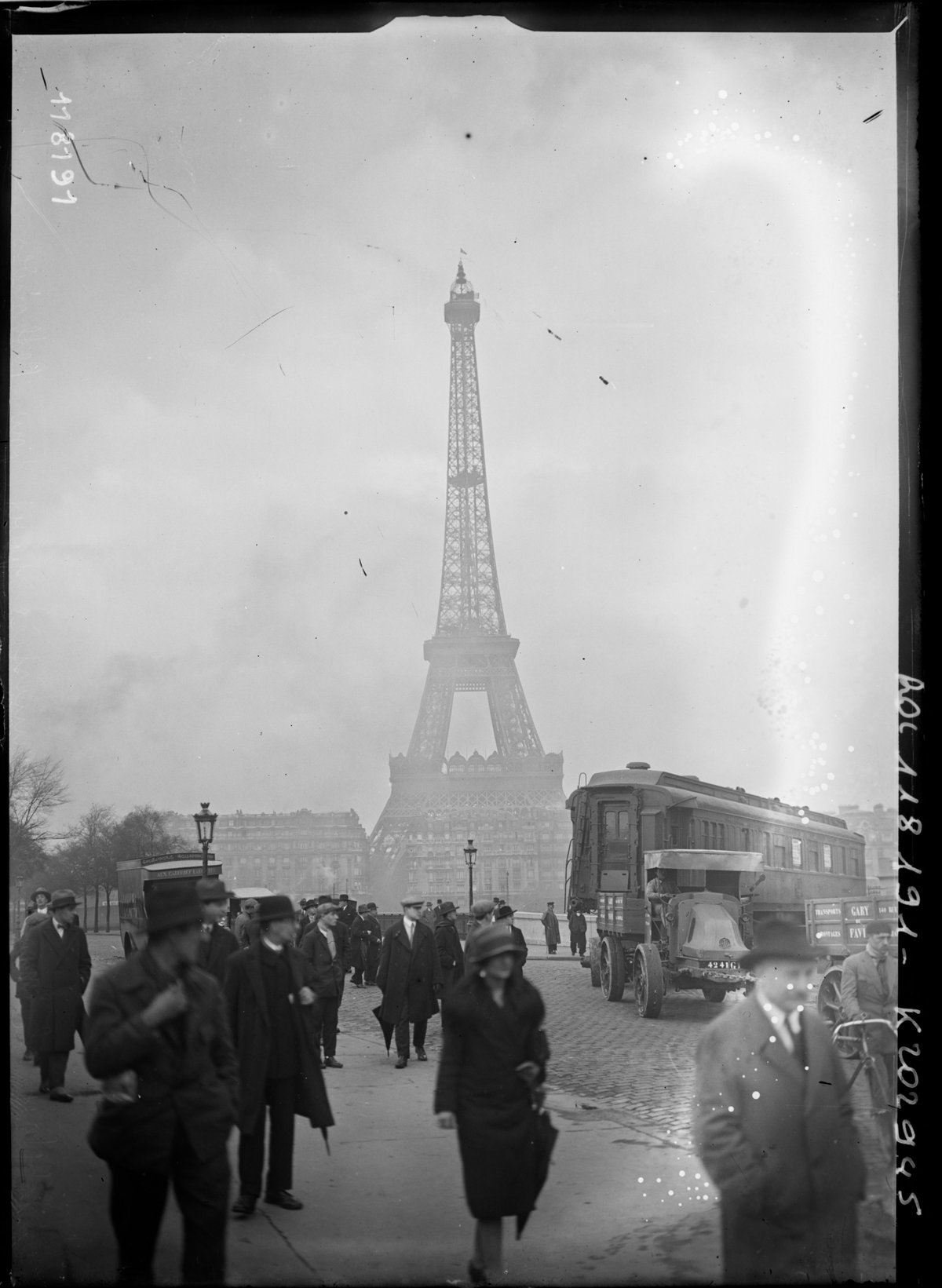
The collection highlights key moments in French radio history, including the use of the Eiffel Tower for military transmissions, the clandestine broadcasts of WWII, and the transition from analog to digital broadcasting (Holocaust Music: Role of Radio in Wartime France).
Practical Visitor Information
Visiting Hours
- Musée de Radio France: As of 2025, the main museum space remains closed to casual public visits due to renovations, but archives and selected exhibits are accessible by appointment (Radio France Archives).
- Maison de la Radio et de la Musique: Open Tuesday to Sunday, 10:00 AM–6:00 PM; closed Mondays and select public holidays. Hours may vary during events (Maison de la Radio et de la Musique).
Tickets and Admission
-
Maison de la Radio et de la Musique:
- Standard tickets: €10–€12
- Reduced: €6–€8 (students, seniors, groups)
- Free: Children under 12, persons with disabilities + companion
- Tickets available online or onsite.
- Special exhibitions, concerts, and workshops may require separate tickets.
-
Musée de Radio France Archives: Admission by appointment; free for researchers and educational groups (Radio France Archives).
Accessibility
- Fully wheelchair accessible, with elevators, ramps, and adapted restrooms.
- Assistive listening devices and large-print materials available.
- Service animals welcome (Maison de la Radio et de la Musique).
Guided Tours and Special Events
- Guided tours (in French, select dates in English) explore the history of French radio, the architecture of the Maison Ronde, and historic studios (Radio France – Les visites guidées).
- Special events include European Heritage Days, Museum Night, and rotating thematic exhibitions.
- Workshops and family activities, especially during school holidays (Visit Paris Region – Maison de la Radio et de la Musique).
Location and Nearby Attractions
- Address: 116 avenue du Président Kennedy, 75016 Paris
- Transport: Metro Line 9 (Ranelagh), RER C (Avenue du Président Kennedy), bus lines 22, 52, 70, 72, and Vélib’ bike stations.
- Near the Eiffel Tower and scenic Seine river walks.
Cultural Heritage & Notable Figures
The museum’s narrative is enriched by profiles of inventors and radio personalities, such as:
- Eugène Adrien Ducretet: Early wireless experiments
- General Gustave-Auguste Ferrié: Military transmissions from the Eiffel Tower
- Pierre Schaeffer: Musique Concrète innovator
- Claude Chappe: Optical telegraph pioneer
Exhibits also confront the complex legacy of wartime broadcasters, collaboration, and resistance (Wikipedia: Radio in France).
Modern Broadcasting Context
Today, France boasts over 1,700 public and private radio stations. The museum documents the ongoing evolution from AM and FM to DAB+ digital broadcasting and streaming, highlighting radio’s enduring relevance in a multimedia age (Wikipedia: Radio in France).
Planning Your Visit: Tips & Recommendations
- Book in Advance: Reserve tickets and tours, especially on weekends and during major events.
- Check Event Calendars: Plan around concerts, workshops, and temporary exhibitions.
- Combine Experiences: Pair your visit with other Paris historical sites for a full cultural itinerary.
- Family-Friendly: Take advantage of interactive exhibits and children’s workshops.
- Accessibility: Call ahead for tailored assistance if you have specific needs.
- Download the Audiala App: For curated audio guides and exclusive content.
Frequently Asked Questions (FAQ)
Q: Is the Musée de Radio France open for public visits?
A: As of 2025, the main museum space is closed to regular public visits. Archives and some exhibits are available to researchers and by special arrangement.
Q: How can I access the archives?
A: By appointment, Monday–Friday, 9:30–12:30 and 14:00–17:30 (Radio France Archives).
Q: Are guided tours available in English?
A: English tours are offered on select dates; advance booking is recommended.
Q: Can I attend live radio recordings?
A: Yes, Maison de la Radio offers opportunities to attend live broadcasts and concerts.
Q: Is the museum suitable for children?
A: Yes, with family workshops and interactive experiences.
Maison de la Radio et de la Musique: A Cultural Landmark
The Maison de la Radio et de la Musique, affectionately known as the "Maison Ronde," is a Parisian icon. Its circular design, opened in 1963, symbolizes unity and innovation. The venue hosts concerts, exhibitions, and educational programs, making it a vibrant hub for music and broadcasting culture. Facilities include accessible restrooms, a café, bookshop, free Wi-Fi, and secure cloakrooms. Photography is permitted in public areas, with restrictions during concerts or special events.
- Find more details and events: Maison de la Radio et de la Musique
- Virtual tours and educational resources: Culture.gouv.fr – Online Catalogues
Discover More
The Musée de Radio France is a living repository of French innovation, resistance, and creativity, telling the story of how radio transformed modern life. While regular public access remains limited, the museum’s archives, events, and educational programs offer rare opportunities to engage with broadcast history firsthand. Its strategic location, accessibility, and integration with the dynamic Maison de la Radio et de la Musique make it a top cultural site in Paris.
Tips for Visitors:
- Book tours and tickets online early, especially for English-language sessions.
- Combine your visit with nearby attractions like the Eiffel Tower.
- Check the event calendar for concerts, workshops, and special exhibitions.
- Download the Audiala app for enhanced guides and exclusive tours.
Plan your visit today:
Visit the official museum website and Maison de la Radio et de la Musique for the latest updates. Enhance your Paris experience with the Audiala app and explore more Paris historical sites and cultural museums.
Listen to the full story in the app
The whole Musée De Radio France,
told well.
Audio guides for 1,100+ cities across 96 countries. History, stories, and local insight — offline ready.

Verified, and shown.
Researched and written by the Audiala editorial team from historical records, architectural archives, and local expertise.
Last reviewed
Researched from Wikidata, Wikipedia & official sources · fact-checked · How we make our guides →