Plan and listen to Musée Clemenceau with Audiala.
Audio guide in your pocket, itinerary in your browser. Built for the way you actually visit.
Introduction: Exploring the Musée Clemenceau
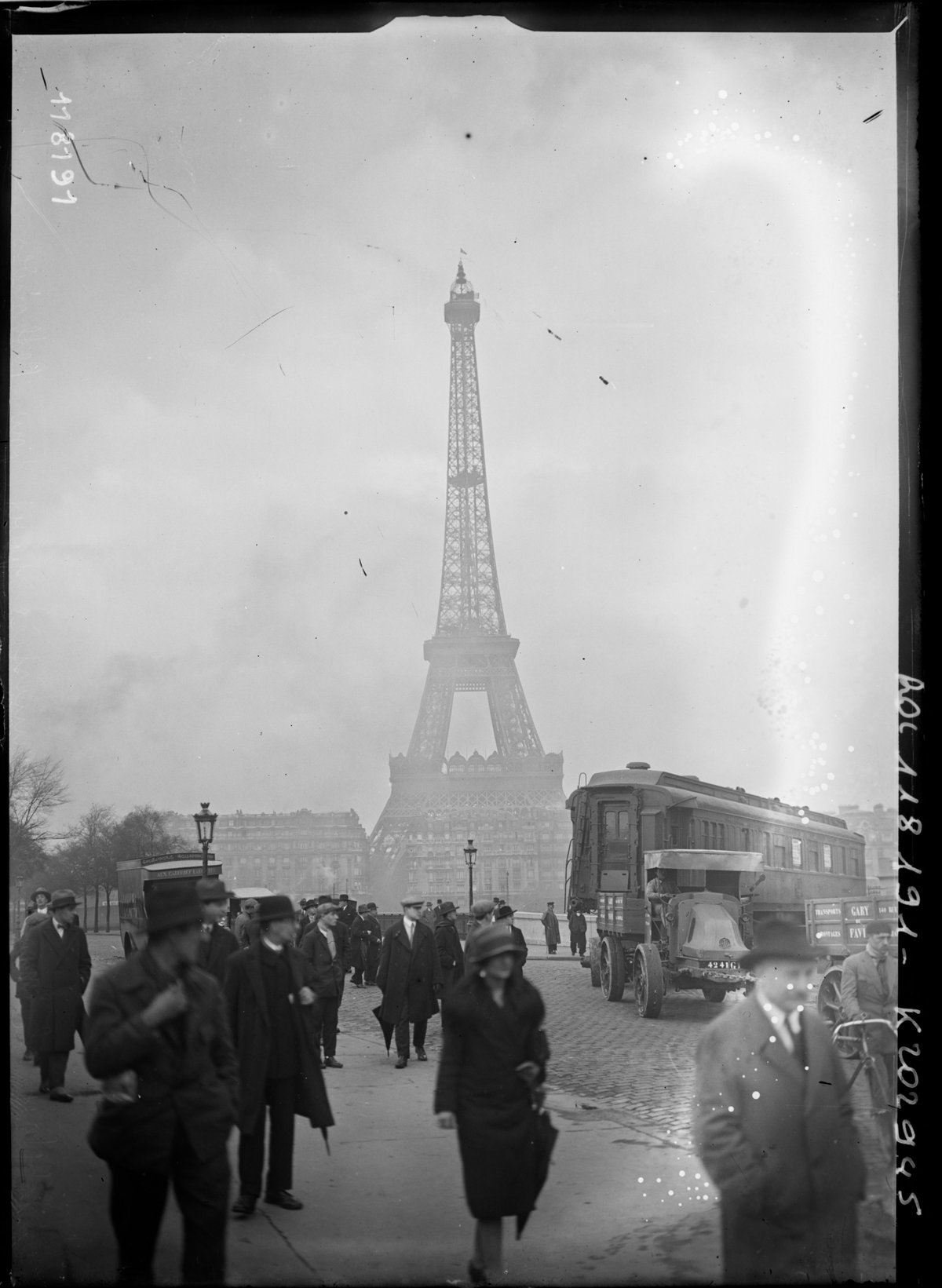
Nestled in the 16th arrondissement of Paris, the Musée Clemenceau offers an intimate and immersive journey into the life and legacy of Georges Clemenceau, a statesman who played a pivotal role in shaping modern France. Located at 8 rue Benjamin Franklin, this house museum preserves the very apartment and garden where Clemenceau lived from 1896 until his death in 1929, providing rare insight into both his personal world and his influential political career. Visitors can explore original period interiors, unique collections—including Clemenceau’s renowned Japanese art—and rotating exhibitions, all set against the tranquil backdrop of a garden with views of the Eiffel Tower.
Whether you are a history enthusiast, a student of political leadership, or a traveler seeking a distinctive Parisian museum experience, this guide details everything you need to know: visiting hours, ticketing, accessibility, highlights of the museum’s collections, and tips for making the most of your visit. For the latest updates and resources, consult the official Musée Clemenceau website.
This article draws on multiple authoritative sources to ensure visitors are well-prepared to engage with the museum’s rich heritage (Wikipedia; Govserv; WhichMuseum; French Moments).
Origins of the Musée Clemenceau
The Musée Clemenceau occupies the ground-floor apartment and garden where Georges Clemenceau lived for over three decades. Prior to his residency, the building served as the bachelor pad of Belle Époque poet Robert de Montesquiou. Clemenceau moved in during a period of political exile after the Panama Scandal, transforming his home into a hub of intellectual and political activity. Here, he wrote prolifically, including influential articles defending Alfred Dreyfus during the infamous Dreyfus Affair (Wikipedia).

Clemenceau’s Life and Work in the Apartment
The apartment at 8 rue Benjamin Franklin became both a private refuge and a salon for artists, writers, and politicians. Clemenceau's leadership during World War I, his defense of secularism, and his advocacy for justice were all shaped within these walls. His daily life is preserved through original furnishings, manuscripts, and personal effects that offer an authentic glimpse into the world of “Le Tigre.”
The Creation and Preservation of the Museum
Following Clemenceau’s death in 1929, his children donated the apartment’s contents to a foundation dedicated to preserving his memory. The museum opened to the public in 1931, making it one of France’s earliest house museums dedicated to a political figure (Wikipedia). In 1937, a documentary gallery was added, and the foundation was officially recognized as a public utility in 1932, underscoring the national significance of Clemenceau’s legacy.
Clemenceau’s Historical Significance
Georges Clemenceau (1841–1929) was a defining figure in French and European history. Serving as Prime Minister during the final years of World War I, he was instrumental in leading France to victory and shaping the postwar order at the Paris Peace Conference of 1919. His contributions extended beyond politics into the realms of justice and culture, making him a central figure in the intellectual life of the Third Republic.
Visiting Hours, Tickets, and Accessibility
Opening Hours:
- Tuesday to Saturday: 2:00 pm – 5:30 pm (first floor closes at 5:00 pm; last entry at 5:15 pm)
- Closed: Sundays, Mondays, public holidays, and the entire month of August (Musée Clemenceau official site)
Tickets:
- Standard admission: €7–€8 (verify current rates on the official website)
- Reduced rates: €5 for students, seniors, and groups
- Children under 18: free
- Tickets are purchased on-site; no online ticketing available.
Accessibility:
- The museum is a historic building; wheelchair access is limited and there is no elevator for the first floor. Visitors with mobility challenges should contact the museum in advance for specific accommodations.
Guided Tours and Audio Guides:
- Audio guides in French and English are available.
- Group guided tours can be arranged (up to 20 people, or 40 for school groups).
Getting There:
- Metro: Passy (Line 6) and Trocadéro (Lines 6 and 9) stations are nearby.
- Bus: Lines 22, 32, 63, and 72 serve the neighborhood.
- Parking: Limited; public transport is recommended.

Museum Collections and Exhibitions
Permanent Collections
- Personal Artifacts: Clemenceau’s iconic World War I attire, cradle, desk, and extensive manuscript collection.
- Art and Memorabilia: Includes Japanese incense boxes (kôgôs), portraits by artists like Édouard Manet, and memorabilia from his friendship with Claude Monet (Govserv).
- Political Documents: Letters, speeches, press cartoons, and archival photographs related to key moments such as the Dreyfus Affair and Treaty of Versailles.
Temporary Exhibitions
- In 2025, the museum is hosting “Clemenceau, Berta Zuckerkandl: Une amitié autour de l’art entre Vienne et Paris,” exploring Clemenceau’s artistic and cultural connections (Govserv).
- Themed displays highlight topics such as Clemenceau’s admiration for Japanese culture and the influence of Japonisme on Parisian intellectual circles.
Notable Spaces
- Bedroom: Preserved as at his death, with personal effects.
- Dining Room: Original furnishings; site of political and intellectual gatherings.
- Study: Desk and correspondence reflecting his work and leadership.
- Garden: A tranquil retreat with a view of the Eiffel Tower, reflecting Clemenceau’s connection to nature and the arts.
Modernization and Visitor Experience
The museum’s museography and scenography were updated in 2017 to commemorate the centenary of Clemenceau’s government leadership during World War I (Wikipedia). These improvements have enhanced the visitor experience with clearer historical context, engaging displays, and expanded interpretive materials.
Visitor Services:
- Audio guides (French/English) and educational materials are available.
- The museum has a small bookshop with publications and souvenirs.
- Photography is permitted for personal use (no flash/tripods).
The Musée Clemenceau in the French Museum Landscape
While not among France's most visited museums, the Musée Clemenceau holds a unique place in the cultural landscape, attracting nearly 190,000 visitors in 2022 (French Moments). It is part of a network of over 1,200 French museums dedicated to preserving the memory of significant historical figures and events, offering a distinctive perspective on the evolution of modern France.
Frequently Asked Questions (FAQ)
Q: What are Musée Clemenceau’s visiting hours?
A: Tuesday to Saturday, 2:00 pm – 5:30 pm (closed Sundays, Mondays, public holidays, and in August).
Q: How much do tickets cost?
A: Standard admission is €7–€8; reduced rates available. Children under 18 enter free.
Q: Can I buy tickets online?
A: No, tickets are purchased on-site.
Q: Is the museum wheelchair accessible?
A: Accessibility is limited due to the historic building. Contact the museum for accommodations.
Q: Are guided tours available?
A: Yes, audio guides are available; group guided tours can be arranged in advance.
Q: What is the closest metro station?
A: Passy (Line 6) and Trocadéro (Lines 6 and 9).
Q: How long should I allow for a visit?
A: Plan for 45 minutes to 1.5 hours.
Q: Is photography allowed?
A: Yes, for personal use without flash or tripods.
Travel Tips and Nearby Attractions
- Best Time to Visit: Early afternoon on weekdays is typically less crowded.
- Nearby Sites: Combine your visit with the Eiffel Tower, Trocadéro Gardens, or Musée du Quai Branly.
- Language: Exhibit labels are primarily in French; non-French speakers may benefit from translation apps or preparatory reading.
- Events: During the European Heritage Days (Journées du Patrimoine), the museum offers free admission and special programming.
Visual and Interactive Features
Explore high-quality images and virtual tours on the museum’s website. Interactive maps, online catalogues, and digital guides are available to help plan your visit.


Virtual Tour of Musée Clemenceau
Map of Musée Clemenceau Location
Listen to the full story in the app
The whole Musée Clemenceau,
told well.
Audio guides for 1,100+ cities across 96 countries. History, stories, and local insight — offline ready.

Verified, and shown.
Researched and written by the Audiala editorial team from historical records, architectural archives, and local expertise.
Last reviewed
Researched from Wikidata, Wikipedia & official sources · fact-checked · How we make our guides →