Plan and listen to Élysée Palace with Audiala.
Audio guide in your pocket, itinerary in your browser. Built for the way you actually visit.
Introduction
The Élysée Palace stands as a magnificent emblem of French history, politics, and culture in the prestigious 8th arrondissement of Paris. As the official residence and workplace of the President of France since 1848, it offers a rare glimpse into centuries of architectural elegance, historical milestones, and statecraft. Originally constructed as the Hôtel d’Évreux in the early 18th century, its transformation from an aristocratic townhouse to the heart of the French Republic mirrors the tumultuous and rich past of the nation. While public access is generally restricted, special occasions such as the annual European Heritage Days provide unique opportunities to explore its ceremonial salons, exquisite gardens, and grand architectural features. For those unable to visit in person, the Maison Élysée visitor center adjacent to the palace offers immersive exhibitions and guided tours that bring the Élysée’s grandeur to life. This guide will equip prospective visitors with essential details on visiting hours, tickets, accessibility, travel tips, and the palace’s storied past. For the latest updates, consult the official Élysée Palace website.

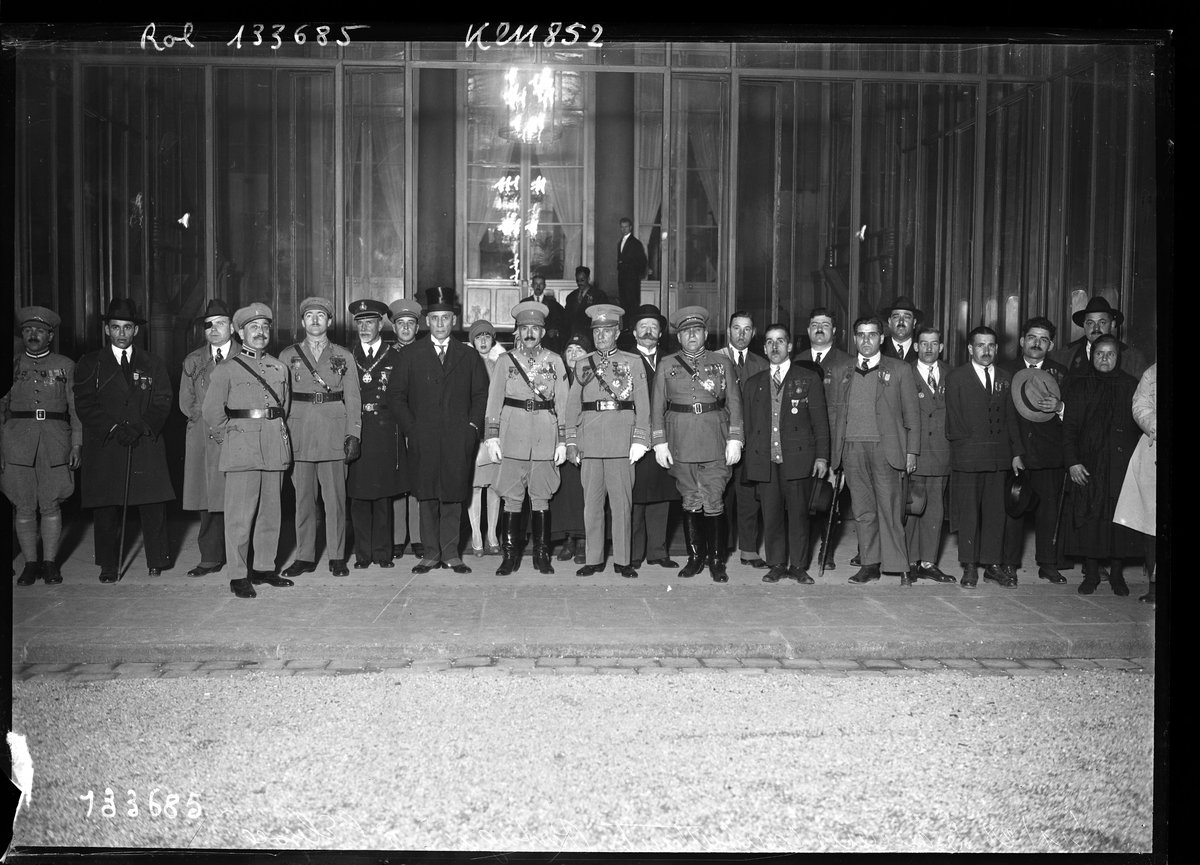
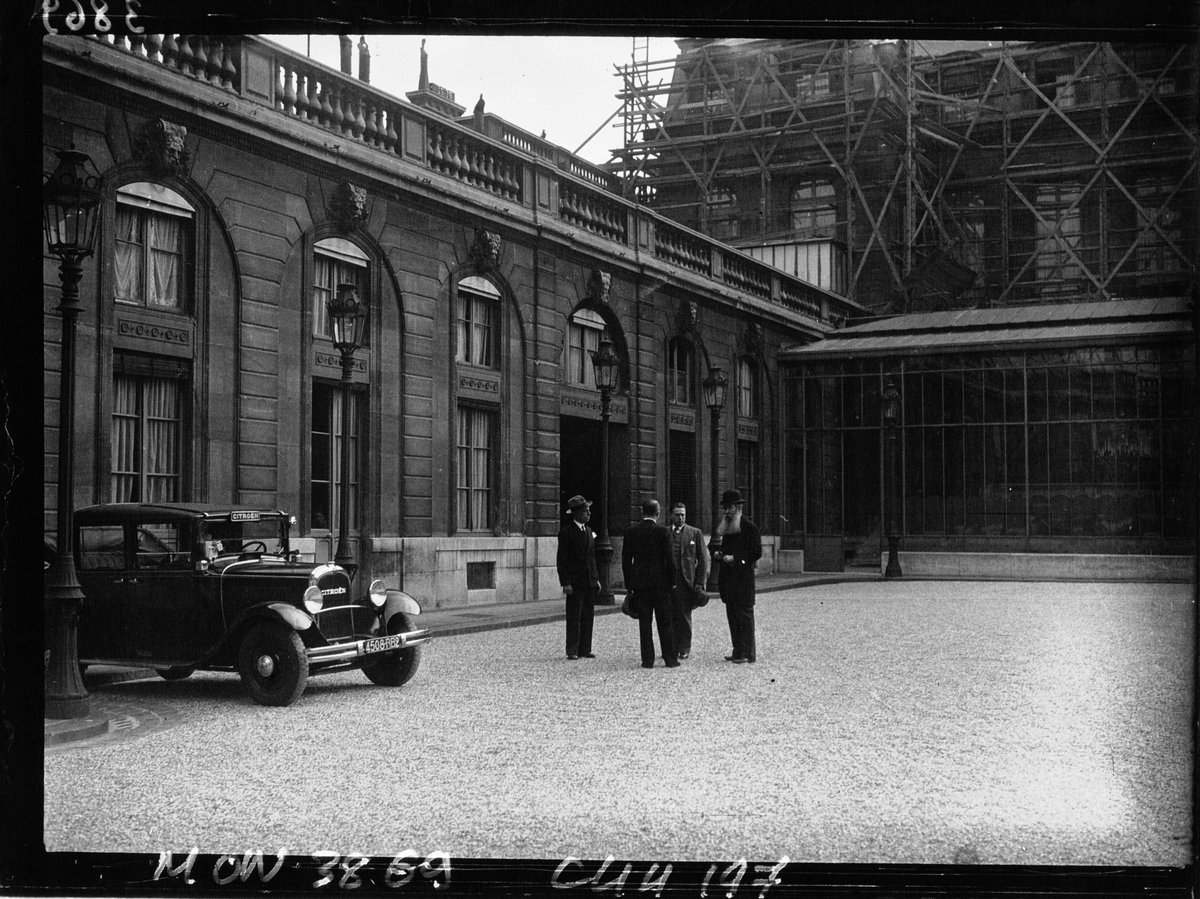
Historical Evolution
Early Origins and Construction
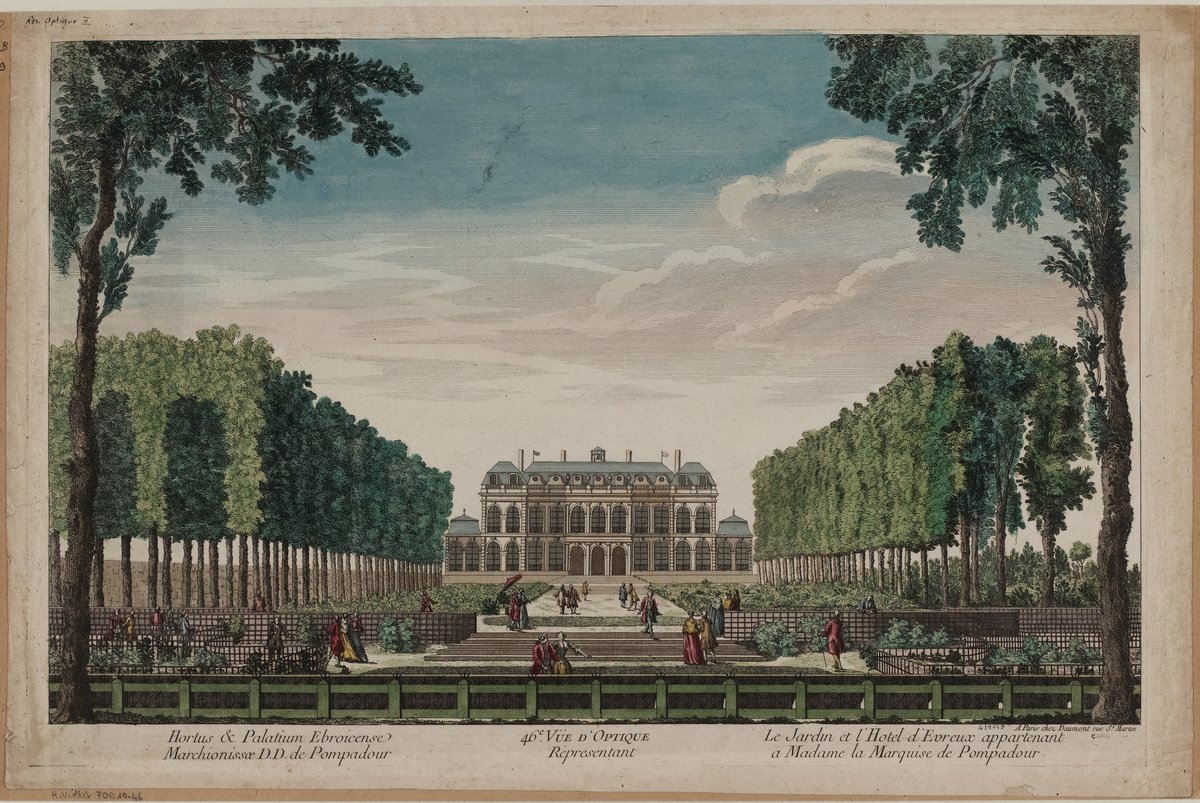
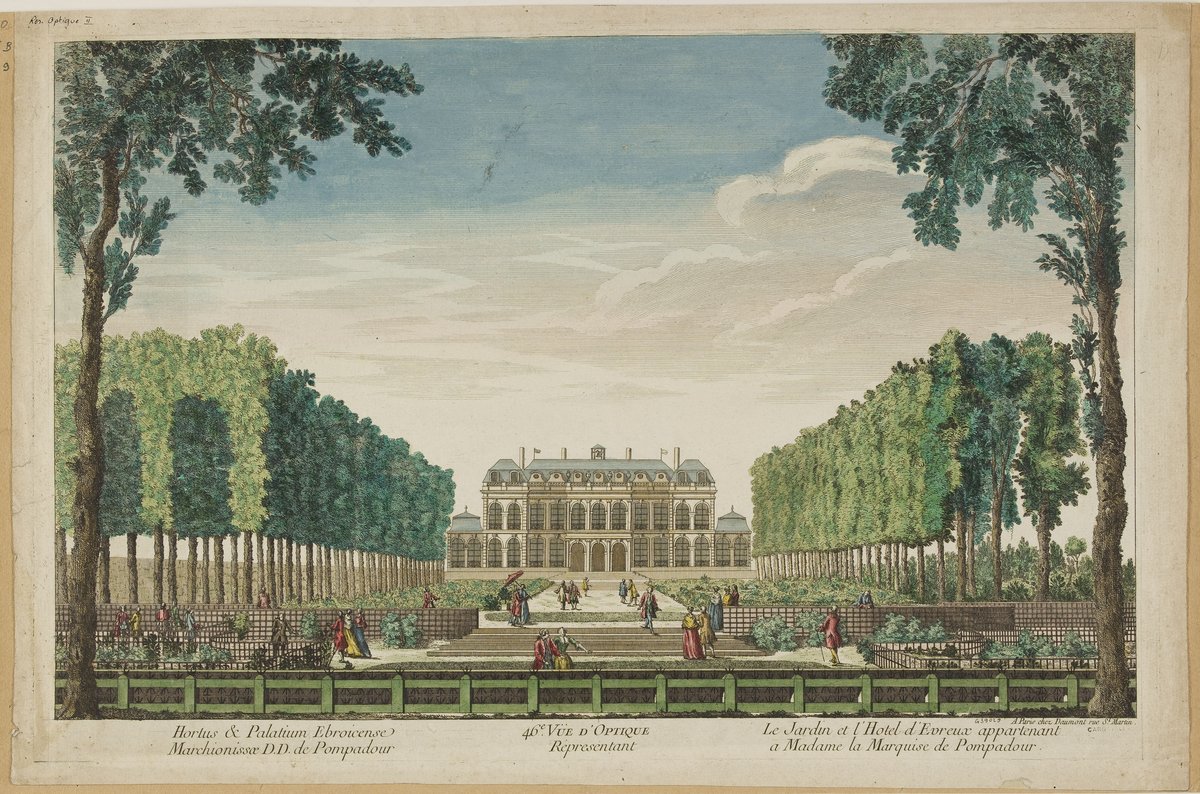
The Élysée Palace’s story begins in 1718, when Henri-Louis de La Tour d’Auvergne, the Comte d’Évreux, acquired land in what was then a rural area of Paris. Architect Armand-Claude Mollet designed a classic French hôtel particulier, completed in 1722 and initially known as the Hôtel d’Évreux. The design featured a main building set between a formal courtyard (Cour d’Honneur) and expansive gardens, transforming former marshland into refined grounds (elysee.fr).
Aristocratic and Royal Ownership
The palace changed hands several times after the death of the Comte d’Évreux in 1753. Madame de Pompadour, the influential mistress of King Louis XV, purchased it and introduced lavish Rococo interiors and playful gardens. In 1786, banker Nicolas Beaujon bought the property and commissioned architect Étienne-Louis Boullée to redesign the gardens in the English style and create art galleries for his collection (parissecret.com).
Revolutionary and Imperial Eras
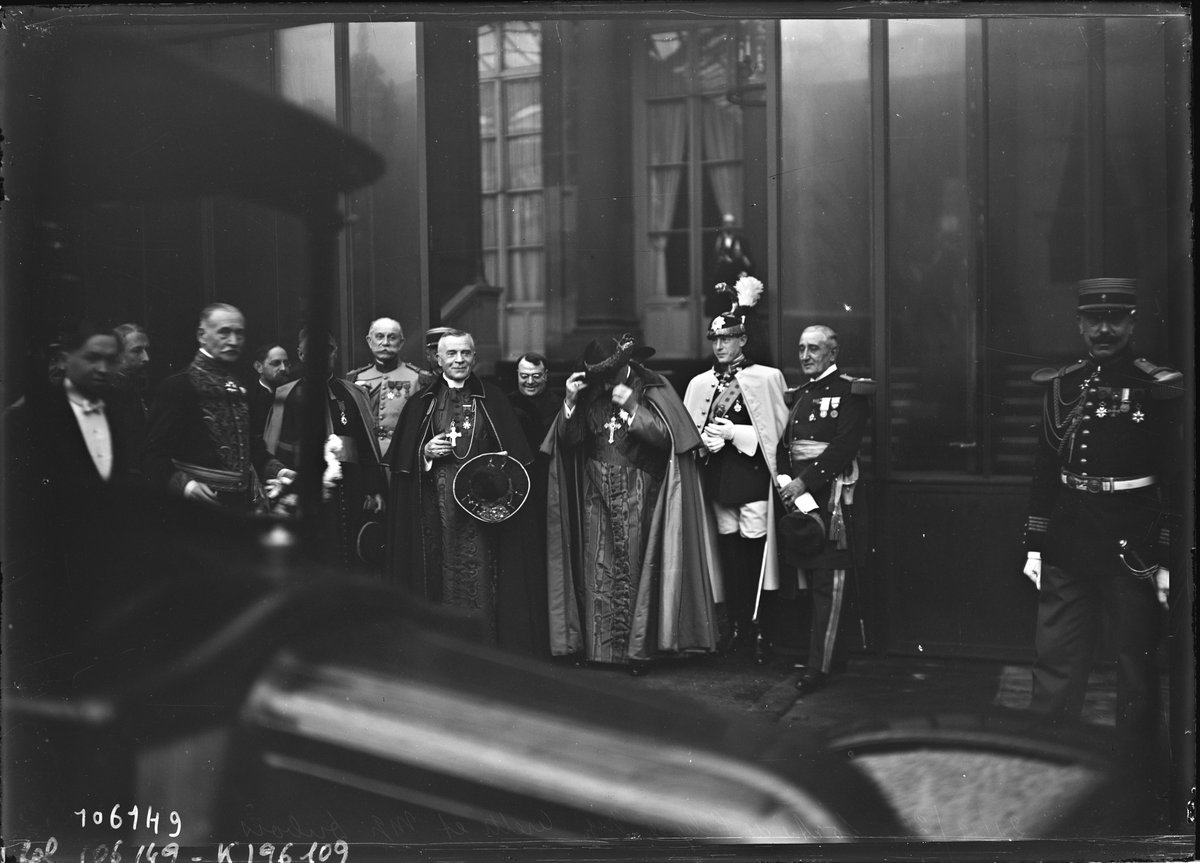
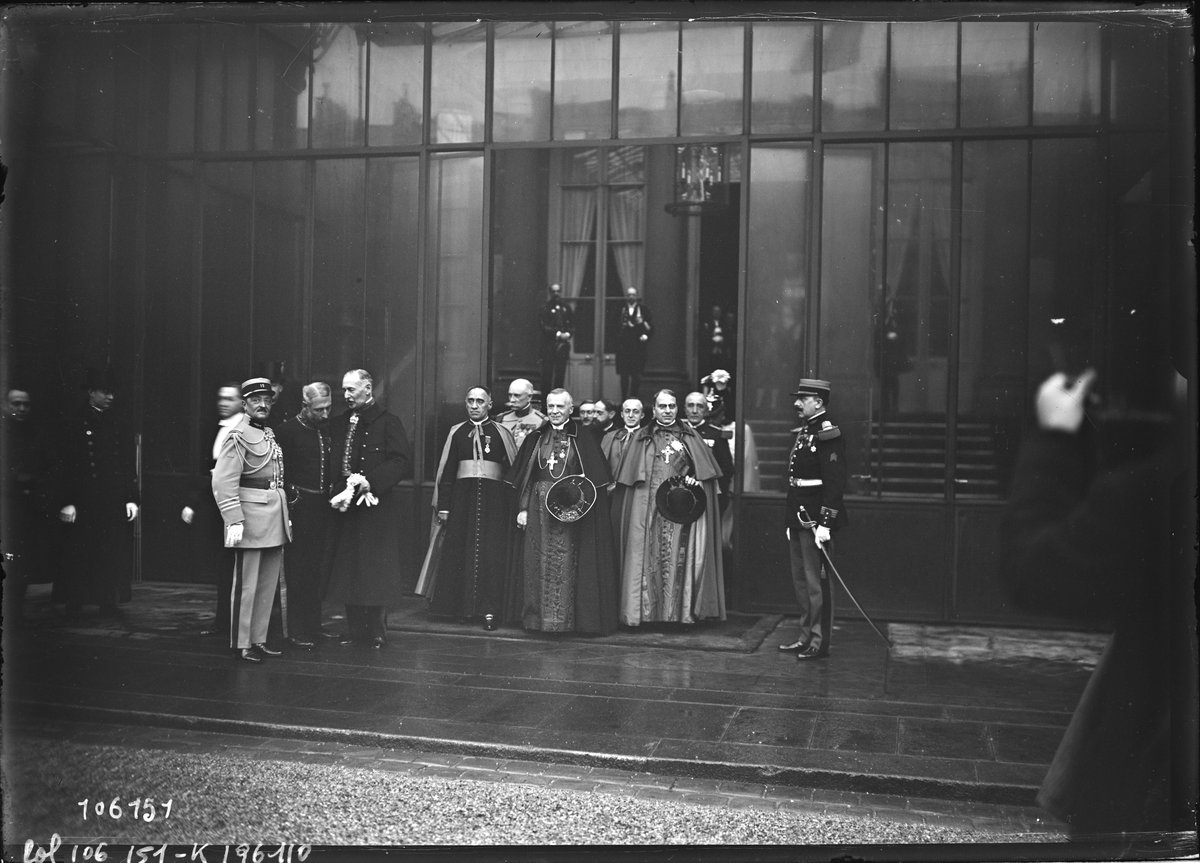
During the French Revolution, the Élysée Palace was confiscated and repurposed for public events. In 1805, Joachim Murat, Napoleon Bonaparte’s brother-in-law, acquired and renovated the palace, further enhancing its splendor. Napoleon I later took ownership, and the palace—renamed Élysée-Napoléon—became the site of his first abdication in 1814 (jacqueschirac-asso.fr).
Becoming the Presidential Residence
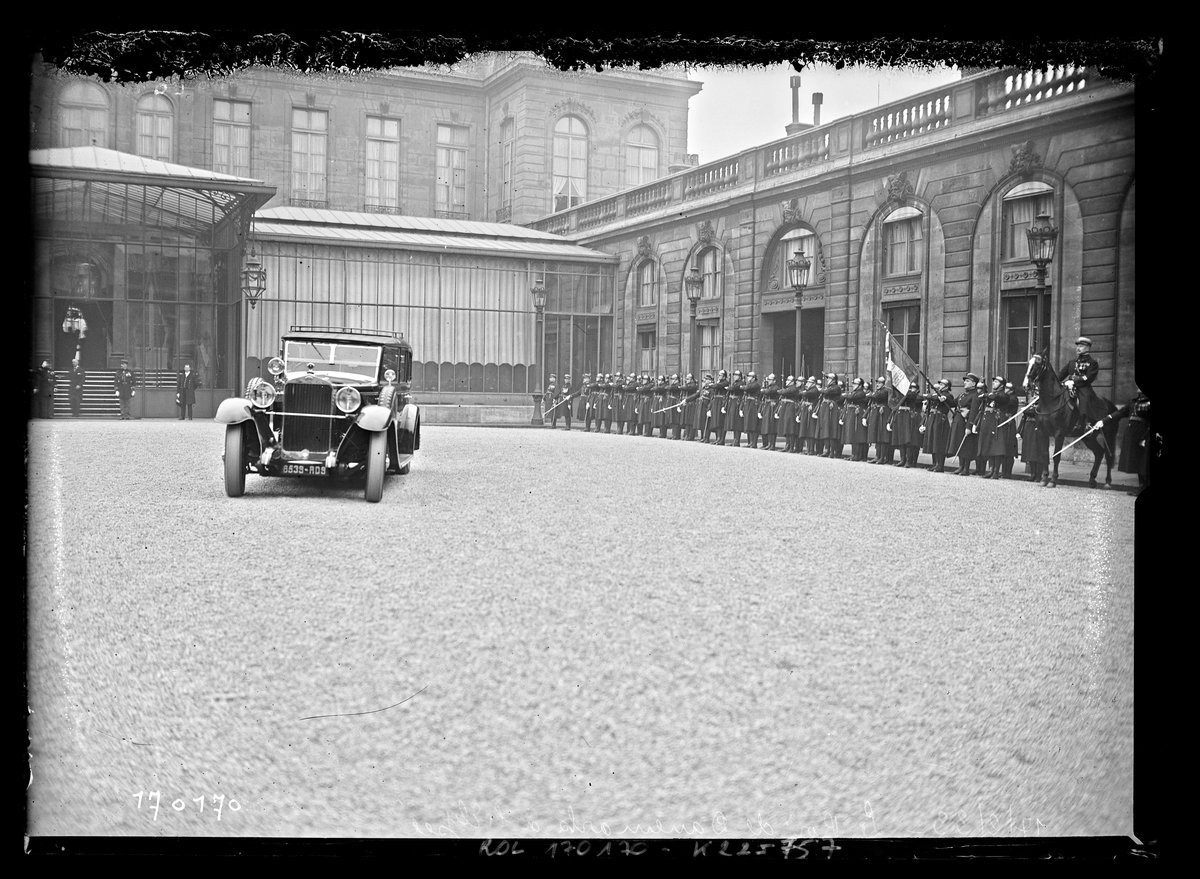
After the Bourbon Restoration, the palace returned to the royal family, serving as a residence for dignitaries. The pivotal moment came in 1848, when the National Assembly decreed it the official residence of the President of the French Republic. Louis-Napoléon Bonaparte (later Napoleon III) was its first presidential occupant. Throughout the 19th century, the palace was modernized with electricity, telephones, and central heating. The Salle des Fêtes (Grand Ballroom) was inaugurated in 1889 (elysee.fr).
Modernization in the 20th Century
The Élysée Palace survived political upheavals, including the Paris Commune and World War II, when it was closed from 1940 to 1946. Postwar, President Vincent Auriol restored the palace’s presidential function and modernized its interiors. The Salon Doré became the President’s office, and each leader added personal touches, balancing tradition with modern needs (linguavoyage.org).
Architectural and Cultural Highlights
Interior Spaces and Artistic Treasures
The Élysée Palace boasts 365 rooms, each reflecting layers of French artistic and political history:
- Grand Entrance Hall: Features the marble sculpture Hommage à la Révolution de 1789 by Arman.
- Salon Pompadour: Decorated with Rococo and neoclassical furnishings.
- Salon des Tapisseries: Houses an impressive tapestry collection.
- Salle à Manger Napoléon III: Used for official banquets, exemplifying Empire style.
- Artistic Collections: Over 2,000 pieces of furniture, 6,000 silverware items, and 3,000 Baccarat glassware pieces are maintained (VisitingParisByYourself.com).
Gardens and Exterior Features
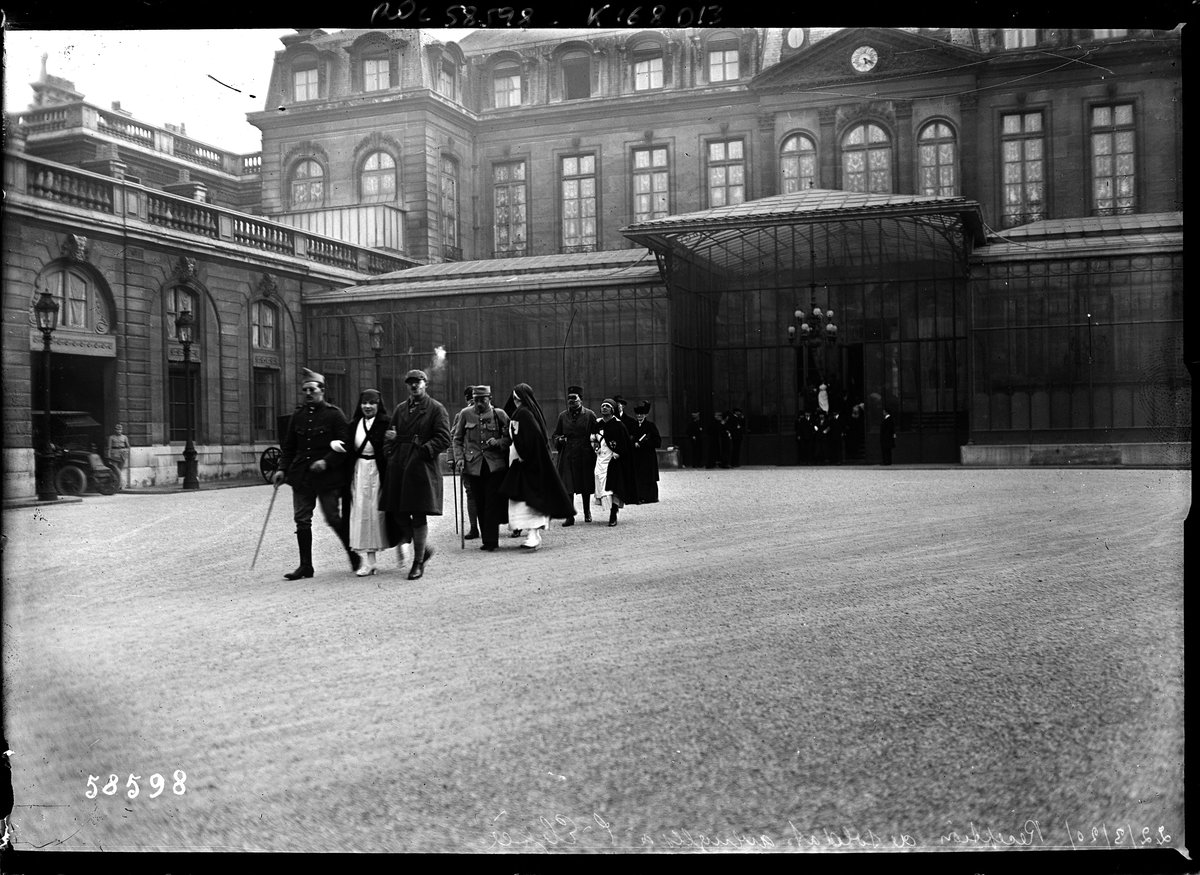
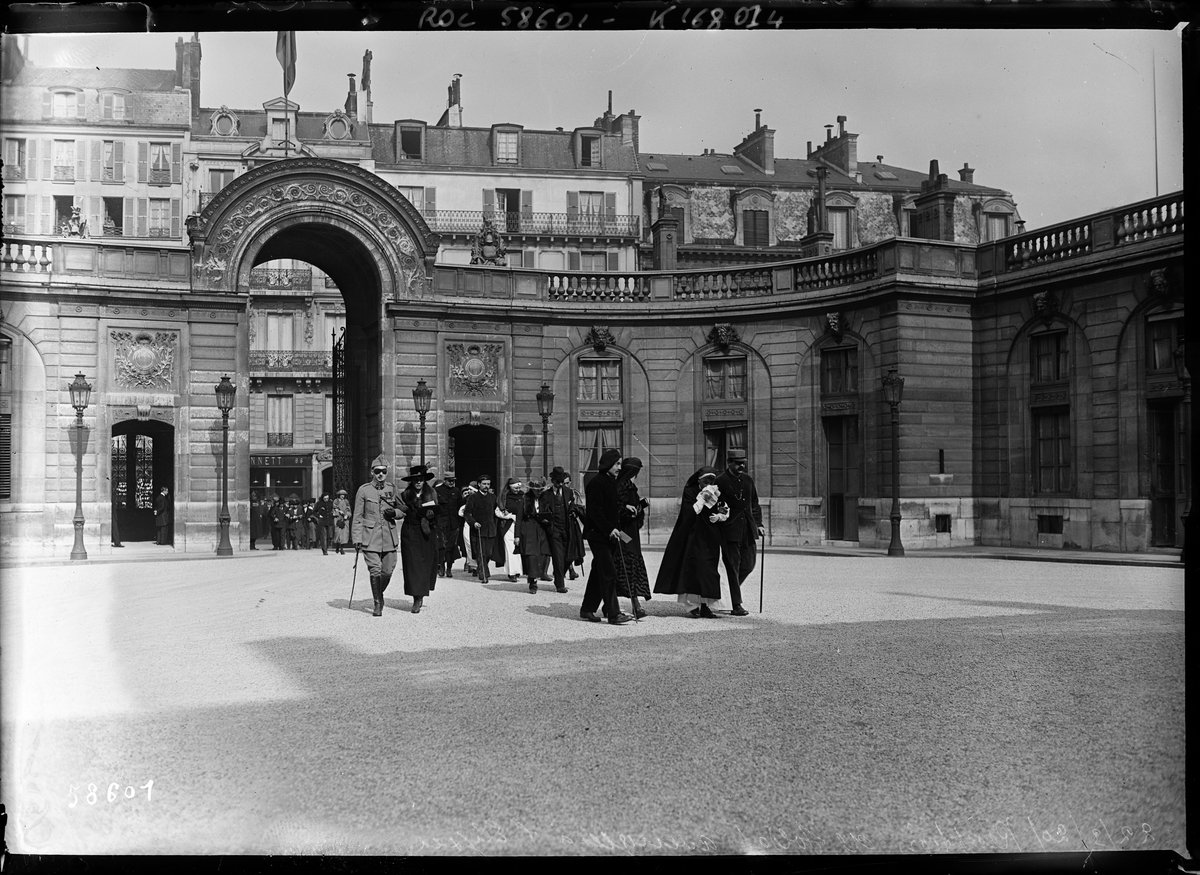
The palace’s two-hectare gardens, originally a swamp, now feature over 100 tree species and ancient plane trees. The limestone façade, with classical pilasters and wrought iron balconies, frames the entrance. The Cour d’Honneur serves as the ceremonial space for official guests (parissecret.com).
Visitor Information
Location and Access
The Élysée Palace is located at 55 rue du Faubourg Saint-Honoré, 75008 Paris, near the Champs-Élysées and Place de la Concorde (monumentsdeparis.net). It is easily accessible by:
- Metro: Concorde (Lines 1, 8, 12), Champs-Élysées–Clemenceau (Lines 1, 13), Miromesnil (Lines 9, 13)
- RER: Invalides (Line C)
- Bus: Multiple lines serve the area.
- Bicycle: Vélib’ stations at Petit Palais and Roquépine–Malesherbes.
No public parking is available at the palace; public transport is recommended (elysee.fr).
Visiting Hours and Tickets
Élysée Palace
- Public Access: Only during European Heritage Days (Journées du Patrimoine) in September.
- Admission: Free, but expect long queues and strict security.
- Booking: No advance booking typically required; check official site for updates.
Maison Élysée
- Hours: Tuesday to Saturday, 10:00 am – 7:00 pm.
- Admission: Free, including exhibitions and café (elysee.fr).
Accessibility
- Maison Élysée: Fully accessible with ramps, elevators, and adapted restrooms.
- Élysée Palace: Partial accessibility during Heritage Days due to historic constraints; advance contact recommended (france.fr, parisinfo.com).
Guided Tours and Special Events
- Maison Élysée: Free guided tours in French (advance reservation required), Tuesday to Friday at set times.
- European Heritage Days: Once-a-year interior access; arrive early.
- Virtual Tours: Available year-round on the official website.
Facilities and Amenities
- Café: Seasonal French menu.
- Boutique: Élysée-themed souvenirs.
- Restrooms: Accessible at Maison Élysée; temporary facilities during Heritage Days.
Security and Visitor Protocols
- Security: Airport-style screening; ID may be required.
- Prohibited Items: Large bags, pushchairs, scooters not allowed.
Language and Support
- Information: French and English.
- Guided Tours: Primarily in French; English tours by special request.
Travel Tips and Nearby Attractions
- Arrive Early: During open days to avoid crowds.
- Travel Light: Only essentials allowed.
- Nearby Sights: Champs-Élysées, Grand Palais, Petit Palais, Place de la Concorde.
Frequently Asked Questions (FAQ)
Q: Can the public visit the Élysée Palace?
A: Only during European Heritage Days in September; otherwise, access is restricted.
Q: Are tickets required?
A: No tickets are needed for Heritage Days; admission is free, but expect long lines.
Q: Is Maison Élysée open year-round?
A: Yes, Tuesday to Saturday, 10:00 am – 7:00 pm.
Q: Is the palace accessible to visitors with disabilities?
A: Maison Élysée is fully accessible; Élysée Palace offers partial accessibility during open days.
Q: Are there guided tours in English?
A: Primarily in French; inquire in advance for English options.
Q: Can I take photos?
A: Photography is generally allowed at Maison Élysée; restrictions apply during special tours or inside the palace.
Listen to the full story in the app
The whole Élysée Palace,
told well.
Audio guides for 1,100+ cities across 96 countries. History, stories, and local insight — offline ready.
Verified, and shown.
Researched and written by the Audiala editorial team from historical records, architectural archives, and local expertise.
Researched from Wikidata, Wikipedia & official sources · fact-checked · How we make our guides →