Plan and listen to Côte D'Azur Observatory with Audiala.
Audio guide in your pocket, itinerary in your browser. Built for the way you actually visit.
Introduction: The Côte d’Azur Observatory — Where Science Meets Heritage
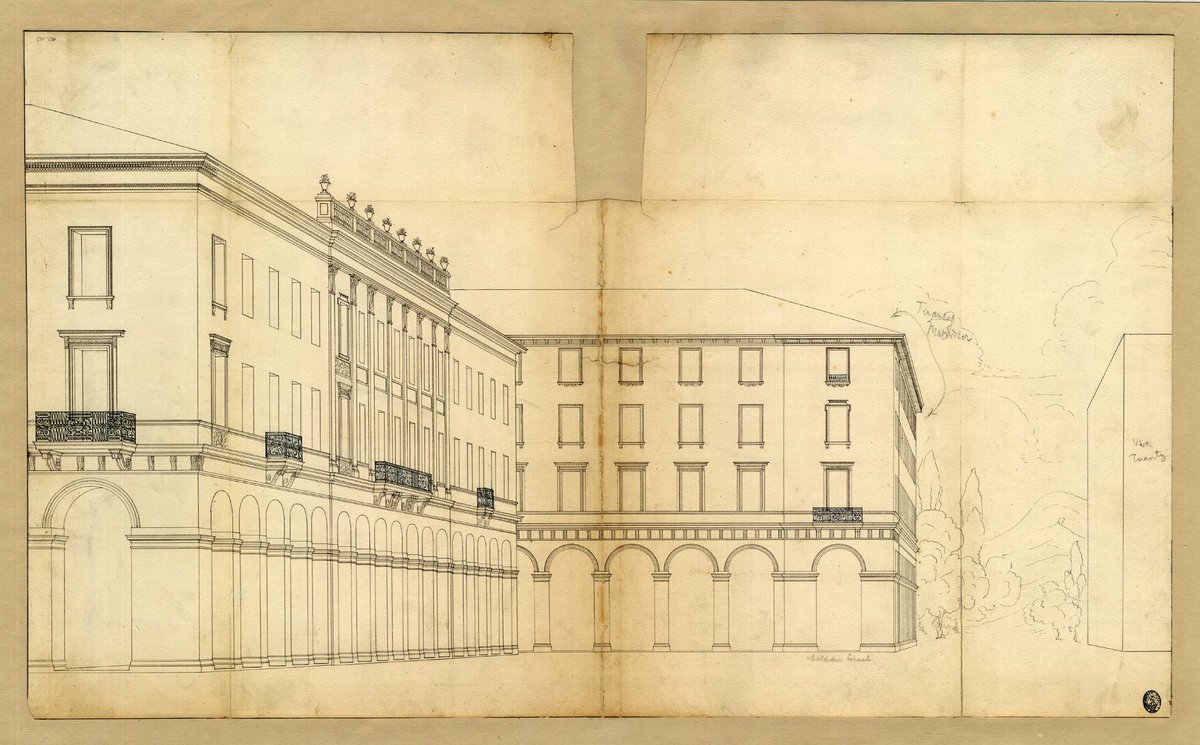
Perched atop Mont Gros with panoramic views of the French Riviera, the Côte d’Azur Observatory (Observatoire de la Côte d’Azur, OCA) is a remarkable blend of scientific innovation, architectural brilliance, and natural beauty. Established in 1881 by the banker Raphaël Bischoffsheim, this historic institution is renowned for its pioneering contributions to astronomy and geoscience. The observatory’s architectural highlights include a dome engineered by Gustave Eiffel and elegant Beaux-Arts buildings by Charles Garnier, the architect of the Paris Opera.
Serving both as a center for cutting-edge research and a cultural landmark, the site invites visitors to explore its fascinating history, groundbreaking scientific achievements, and stunning surroundings. Whether you are an astronomy enthusiast, a lover of architecture, or simply a curious traveler, this comprehensive guide will help you plan an unforgettable visit to one of Nice’s most esteemed destinations.
For additional historical resources, see the OCA digitized collections. For up-to-date information, visit the official Côte d’Azur Observatory website.
Origins and Foundation of the Nice Observatory
The Côte d’Azur Observatory traces its roots to the late 19th century, when Raphaël Bischoffsheim envisioned a state-of-the-art astronomical facility on the French Riviera. Construction began in 1878, and the observatory was inaugurated in 1887 atop Mont Gros, 375 meters above sea level (Discover Walks; Wikipedia). The architectural design was entrusted to Charles Garnier, while Gustave Eiffel engineered the observatory’s iconic rotating dome.
The main dome originally housed the Grand Lunette, a 77 cm (30 inch) refracting telescope—then the largest privately funded telescope in the world (Wikipedia). The site quickly became renowned for advances in planetary science and astrometry.
Expansion and Scientific Growth: CERGA and Calern Observatory
In the 20th century, advances in astronomy prompted the expansion to new facilities. In 1965, the Calern Plateau, northwest of Nice, was selected for its excellent observing conditions. The Plateau became home to the Geodynamics and Astrometry Research Center (CERGA) in 1970, focusing on satellite laser ranging, optical interferometry, and geosciences. The Calern site remains integral to OCA’s research, equipped with modern telescopes and instrumentation.
Institutional Merger and the Modern Côte d’Azur Observatory
In 1986, the Nice Observatory and CERGA merged to form the Alpes-Maritimes Observatory, later renamed the Observatoire de la Côte d’Azur in 1988. This merger unified the historic Mont Gros and innovative Calern sites, establishing OCA as a leading center for astronomical and geophysical research in France.
Visiting Information: Hours, Tickets, and Accessibility
Mont Gros Site (Nice)
- Visiting Hours: Guided tours are generally available Wednesday to Saturday at 10:00 and 14:00. Self-guided visits are limited due to the protected status of the site; check for updates on the official website.
- Tickets:
- Adults: €12
- Children/Students: €6
- Residents/Seniors: €10
- Children under 6: Free
- Family Pass and group rates available (RécréaNice)
- Booking: Advance online reservation is required due to limited capacity.
- Accessibility: Terrain is uneven and hilly, with limited wheelchair access. Contact the observatory in advance for accommodations.
Calern Plateau Site
- Visiting: Accessible only during special events or by arrangement; check the OCA events calendar for details.
Getting There and Travel Tips
- Address: 96 Boulevard de l’Observatoire, Nice
- By Car: Parking available near the entrance; spaces are limited during peak periods.
- By Public Transport: Bus line 84 (“Observatoire” stop) serves the site. Allow time for the uphill walk from the bus stop.
- Travel Tips: Wear sturdy footwear, bring water, and dress for the weather. Early morning or late afternoon visits offer cooler temperatures and better photography conditions.
Scientific and Cultural Highlights
The Côte d’Azur Observatory is acclaimed for:
- Defining international celestial and terrestrial reference frames vital for navigation and space missions.
- Precision satellite laser ranging, including lunar measurements with centimeter accuracy.
- Breakthroughs in optical interferometry, enabling advanced study of stars and planetary systems.
- Ongoing planetary science programs and collaborations in solar system dynamics.
The Mont Gros site is a showcase of Beaux-Arts architecture, with the Eiffel dome as its centerpiece. The site hosts heritage events, star-gazing nights, and educational programs throughout the year (OCA events calendar).
Architectural and Natural Heritage
- Design: 18 buildings, with 13 attributed to Charles Garnier, are arranged harmoniously across 35 hectares, integrating Ionic columns and Egyptian-inspired foundations (Nice Tourism).
- Eiffel Dome: The 92-ton dome remains the largest mobile dome in Europe, rotating smoothly thanks to Eiffel’s innovative engineering (Explore Nice Côte d’Azur).
- Natural Setting: The grounds feature Mediterranean forests and scrublands, supporting protected flora and fauna as part of the ZNIEFF and Natura 2000 networks (RécréaNice).
- Conservation: The observatory practices eco-responsibility, preserving biodiversity and participating in UNESCO’s “Astronomy and World Heritage” initiative.
Guided Tours and Educational Activities
- Guided Tours: Conducted primarily in French, these two-hour tours include access to the Eiffel dome, the Grand Lunette, auxiliary buildings, and panoramic viewpoints. English tours are available by prior arrangement (supplement applies).
- Educational Programs: Family-friendly workshops, storytelling sessions, and hands-on science activities are offered during school holidays and special events.
- Universarium: An interactive exhibition combining digital displays, hands-on activities, and immersive experiences focused on the universe’s history (Explore Nice Côte d’Azur).
Frequently Asked Questions (FAQ)
Q: What are the Côte d’Azur Observatory visiting hours?
A: Guided tours are usually available Wednesday to Saturday at 10:00 and 14:00; check the official website for seasonal updates.
Q: How do I buy Côte d’Azur Observatory tickets?
A: Reserve tickets online in advance via the observatory’s official ticketing page.
Q: Is the observatory wheelchair accessible?
A: Accessibility is limited; contact the observatory for specific needs.
Q: Are English tours available?
A: Yes, with advance request and an additional fee.
Q: What are the best nearby attractions?
A: Promenade des Anglais, Old Town (Vieux Nice), Castle Hill, Villa Ephrussi de Rothschild, and the Musée national Marc Chagall.
Q: Can I take photos?
A: Photography is allowed outdoors; flash and tripod use may be restricted inside the dome and museum.
Listen to the full story in the app
The whole Côte D'Azur Observatory,
told well.
Audio guides for 1,100+ cities across 96 countries. History, stories, and local insight — offline ready.

Verified, and shown.
Researched and written by the Audiala editorial team from historical records, architectural archives, and local expertise.
Researched from Wikidata, Wikipedia & official sources · fact-checked · How we make our guides →