Plan and listen to Arènes De Cimiez with Audiala.
Audio guide in your pocket, itinerary in your browser. Built for the way you actually visit.
Introduction
Nestled in the historic Cimiez neighborhood of Nice, the Arènes de Cimiez offers visitors an exceptional window into the city’s Roman past and its vibrant present. This guide provides a comprehensive overview of the amphitheater’s history, cultural significance, visiting hours, ticketing details, accessibility, nearby attractions, and helpful tips for planning your visit. Whether you’re a history enthusiast, culture seeker, or casual traveler, the Arènes de Cimiez invites you to experience a unique blend of ancient heritage and living tradition in the heart of the French Riviera (History Hit; Musée Matisse Nice).


Roman Origins and the City of Cemenelum
The Arènes de Cimiez, or Cimiez Arena, stands as a testament to the Roman roots of Nice. Constructed in the 2nd century AD, this amphitheater was part of Cemenelum, the capital of the Roman province Alpes Maritimae. Cemenelum, established in the 1st century BC, was a thriving administrative and military center, featuring a forum, temples, a vast bath complex, and the amphitheater itself, which served as a hub for public gatherings and entertainment (History Hit; Best of Nice Blog).
The amphitheater’s strategic location adjacent to the Roman baths highlights the importance of leisure and social cohesion in Roman urban life. These ruins—along with the remains of the baths—offer a direct link to the daily experiences of Cemenelum’s inhabitants (Musée Matisse Nice; provencetourguide.com).
Construction and Architectural Features
Originally designed as a training ground for Roman cohorts, the Arènes de Cimiez was later expanded to host public spectacles and could accommodate up to 4,000–5,000 spectators. Though modest compared to Rome’s Colosseum, its elliptical structure and stone seating reflect the Roman tradition of providing communal spaces for entertainment and socialization (Musée Matisse Nice; Real Journey Travels).
Key features include:
- Tiered seating
- Central arena floor (approx. 67 x 56 meters)
- Arches and entryways for spectators and performers
- Proximity to the bath complex for integrated leisure activities
Today, visitors can walk among the weathered stones and visualize the amphitheater’s vibrant past.
Social and Cultural Role in Roman Times
The Arènes de Cimiez was more than an architectural landmark; it was central to Cemenelum’s social and cultural life. It hosted gladiatorial contests, theatrical performances, and public ceremonies, reinforcing both local identity and imperial authority. The amphitheater’s capacity made it a significant gathering spot, attracting people from across the province and contributing to the region’s economic and cultural vitality (History Hit).
Decline, Rediscovery, and Preservation
After the decline of Cemenelum in the 6th–7th centuries, the amphitheater and surrounding city were gradually abandoned. Over time, many structures were buried or repurposed, leaving only the most robust elements visible. Archaeological interest in the 19th century led to restoration efforts, and the site was officially classified as a historical monument in 1965. Today, stabilization and excavation initiatives continue to preserve the ruins (Musée Matisse Nice; History Hit).
Artifacts discovered during excavations are displayed in the adjacent Archaeological Museum of Cimiez.
Modern Cultural Significance and Events
Annual Festivals
The Arènes de Cimiez remains a vital cultural landmark, hosting major festivals such as:
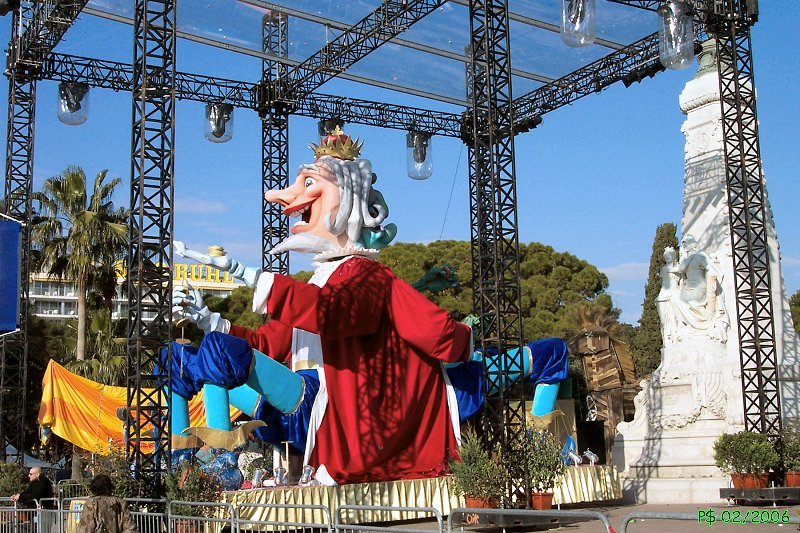
- Fête des Mai: A springtime festival celebrating Niçois heritage with folk dances, music, culinary specialties (like socca and tourte de blettes), and family activities. The event takes place every Sunday in May, transforming the gardens and arena into a lively celebration of local traditions (Nice.fr; montecarloliving.com).
- Festival de Tragédies: Held in July, this three-week theatrical event brings classical drama to the ancient arena, with performances inspired by Greek and Roman mythology (explorenicecotedazur.com).
The site has also hosted the Nice Jazz Festival (1974–2010), and continues to serve as a venue for concerts and open-air cinema (French Riviera Traveller).
Museums and Gardens
Within walking distance are the Musée Matisse and Musée Archéologique de Nice-Cimiez, both offering rich artistic and historical experiences. The park’s olive groves and manicured lawns provide a tranquil setting for relaxation and picnics (provencetourguide.com).
Visiting Hours, Tickets, and Accessibility
- Visiting Hours: Daily, 9:00 AM–6:00 PM (April–September), 9:00 AM–5:00 PM (October–March). Hours may be extended for festivals or special events (Audiala).
- Admission:
- Amphitheater and gardens: Free entry
- Archaeological Museum: €6 standard admission; reduced rates for students, seniors, and groups (SeeNice.com)
- Festival events: Tickets required, prices vary (e.g., €20 for Festival de Tragédies)
- Tickets: Available onsite or online through official tourism channels and the museum website
- Accessibility: The site features paved paths and is wheelchair accessible, although some uneven terrain exists near the ruins. The museum is fully accessible, and accessible restrooms are provided. For assistance or special needs, contact the museum in advance (Audiala).
Travel Tips and Nearby Attractions
- Transportation: Easily accessible by bus lines 5, 15, and 33, or a 20-minute walk from Nice-Ville train station (French Riviera Traveller). Limited parking available.
- Best Times to Visit: Early morning or late afternoon for cooler weather and ideal photography.
- What to Bring: Comfortable shoes, water, and sun protection.
- Nearby Sites: Musée Matisse, Monastery Gardens, Musée Marc Chagall, and the Franciscan Monastery (SeeNice.com).
- Dining: Food stalls appear during festivals; otherwise, visit local cafés nearby.
Frequently Asked Questions (FAQ)
Q: What are the Arènes de Cimiez visiting hours?
A: Open daily from 9:00 AM to 6:00 PM (spring/summer) and 9:00 AM to 5:00 PM (fall/winter), with possible seasonal adjustments.
Q: Is there an entrance fee?
A: Entry to the amphitheater and gardens is free. The Archaeological Museum charges €6.
Q: Are guided tours available?
A: Yes, bookable in advance via the museum or tourism offices. Informational panels are also onsite.
Q: Is the site accessible for wheelchair users?
A: Yes, the main paths and museum are accessible, though some uneven surfaces exist in the archaeological area.
Q: Can I picnic in the gardens?
A: Yes, picnics are allowed in designated areas; open flames or barbecues are not permitted.
Listen to the full story in the app
The whole Arènes De Cimiez,
told well.
Audio guides for 1,100+ cities across 96 countries. History, stories, and local insight — offline ready.
Verified, and shown.
Researched and written by the Audiala editorial team from historical records, architectural archives, and local expertise.
Researched from Wikidata, Wikipedia & official sources · fact-checked · How we make our guides →