Plan and listen to Hotel Of Hostalier with Audiala.
Audio guide in your pocket, itinerary in your browser. Built for the way you actually visit.
Introduction
Located in the heart of Montpellier’s medieval quarter, L’Écusson, the Hôtel Hostalier stands as a distinguished emblem of the city’s architectural and historical legacy. Exemplifying the “hôtel particulier” style that thrived from the Renaissance through the Classical periods, the Hôtel Hostalier offers a rare window into Montpellier’s evolution as a center of commerce, medicine, and religious diversity. Its ornate façade, elegant courtyards, and storied past make it a must-see for history enthusiasts, architecture lovers, and cultural travelers alike. This guide provides detailed information on the Hôtel Hostalier’s history, architecture, visiting hours, ticketing, and practical tips for an immersive experience (Montpellier Tourist Office, Monumentum).
From Medieval Foundations to Classical Refinement
The Hôtel Hostalier’s origins can be traced back to the period when Montpellier emerged as a significant hub of commerce and learning in southern France. The term “hôtel” historically referred to grand civic or noble residences rather than modern hotels. Established as part of the city’s charitable and civic infrastructure, the building played a role in providing refuge and support to travelers and the less fortunate—a testament to Montpellier’s tradition of hospitality and philanthropy (Montpellier Tourist Office).
As Montpellier grew, so did the architectural ambitions of its elite. In the 17th and 18th centuries, prosperous merchants and noble families commissioned hôtels particuliers throughout L’Écusson. Hôtel Hostalier is a quintessential example, with a street-facing portal characterized by a semicircular arch, rusticated pilasters, a broken pediment, and ornamental Ionic capitals featuring egg-and-dart motifs. The building’s elegant loggia staircase and luminous inner courtyard exemplify the blend of French classical design with regional Mediterranean influences (Monumentum, Wikipatrimoine).
Social and Religious Significance
Beyond its architectural grandeur, Hôtel Hostalier holds deep socio-religious significance. Owned by the Hostalier de Saint-Jean family from the early 18th century, it served as a discreet meeting place for the city’s Protestant community after the revocation of the Edict of Nantes in 1685. This historic role underscores the building’s contribution to Montpellier’s legacy of resilience and religious plurality (Wikipatrimoine).
Heritage Status and Preservation
Today, the Hôtel Hostalier is protected as a Monument Historique, with its portal, staircase, loggia, and courtyard facades under conservation (Monumentum). Ongoing restoration projects ensure the preservation of its architectural features while adapting to contemporary urban life.
Visitor Information
Location and Access
Hôtel Hostalier is situated at 8 rue de l’Argenterie, within walking distance of key sites such as Place de la Comédie and Saint-Pierre Cathedral (POP: la plateforme ouverte du patrimoine). The area is best explored on foot, with access facilitated by Montpellier’s tram network—lines 1 and 2 serve nearby stops. For drivers, Parking Comédie and Parking Corum are the most convenient garages (Gralon).
Visiting Hours and Tickets
As a private residence, Hôtel Hostalier is not open year-round to the public. However, it participates in special events such as the European Heritage Days (Journées Européennes du Patrimoine), typically in September. During these occasions:
- Opening Hours: Usually 10:00 AM to 6:00 PM on designated event days.
- Tickets: Admission may be free or require a modest fee, particularly for guided tours. Advance booking is recommended through the Montpellier Tourist Office.
- Guided Tours: Available during special openings, often conducted in French with occasional English-language options.
For the latest schedules and ticketing information, consult the Montpellier Tourist Office or event listings.
Accessibility
Due to its historic layout, some areas of Hôtel Hostalier may be challenging for visitors with limited mobility. Contact the tourist office in advance to inquire about accessibility arrangements.
What to See and Do
Architectural Highlights
- Grand Portal: Semicircular arch, rusticated pilasters, broken pediment, Ionic capitals, and original wooden doors.
- Courtyard: Bright, central space typical of Montpellier’s hôtels particuliers.
- Loggia Staircase: Graceful ascent with landings set back from the façade, optimizing privacy and natural light.
- Façade Details: Basket-handle arches, console keystones, and sculpted heads in bas-relief (Gralon).
Historical Context
Learn about the building’s use as a Protestant meeting place in the 18th century and its role in the city’s social and religious history. Guided tours during heritage events provide rich commentary on these themes (Wikipatrimoine).
Nearby Attractions
- Other Hôtels Particuliers: Hôtel Pomier-Layrargues, Hôtel de Saint-Félix, Hôtel de Bénézet.
- Place de la Comédie: Montpellier’s main square, lively with cafés and street performances.
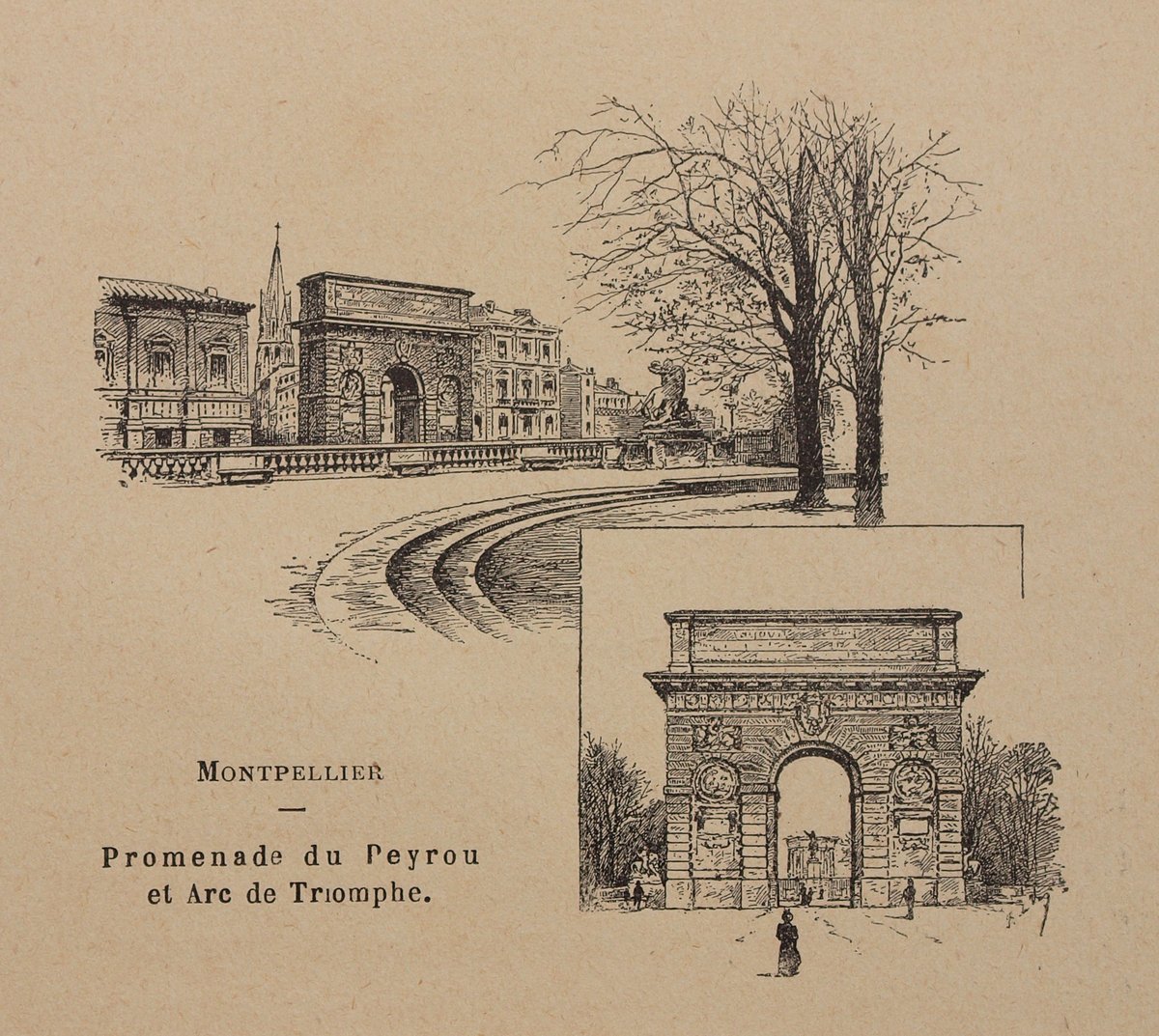
- Promenade du Peyrou: Panoramic city views and the iconic statue of Louis XIV.
- Saint-Pierre Cathedral: A Gothic landmark only steps away (France Travel Blog).
Practical Tips
- Footwear: Wear comfortable shoes for exploring narrow, cobbled streets.
- Photography: Permitted in public and courtyard areas during open days; respect privacy policies.
- Language: Most tours are in French, with some English options during major events.
- Parking: Use recommended garages for convenient access.
- Accessibility: Some areas may have limited access for wheelchair users.
Cultural Events and Modern Urban Context
Montpellier is celebrated for its vibrant cultural life, especially in June, with festivals such as Fête de la Musique and Festival Léz’arts Mouvants animating the historic center (Montpellier-France.com: All the Events). The Hôtel Hostalier, set amid this lively milieu, reflects the city’s dynamic blend of historic preservation and contemporary culture.
Frequently Asked Questions (FAQ)
Q: When can I visit Hôtel Hostalier?
A: Hôtel Hostalier is open to the public only during special events, such as the European Heritage Days. Check the Montpellier Tourist Office for specific dates.
Q: Are tickets required for entry?
A: Tickets may be required for guided tours during special openings. Booking in advance is recommended.
Q: Is the site accessible for wheelchair users?
A: Accessibility is limited due to historic architecture. Contact the tourist office for details.
Q: Can I take photographs inside?
A: Photography is generally allowed in public areas during open days, but always respect posted guidelines.
Q: What other historic sites are close by?
A: The area features several other hôtels particuliers, the Place de la Comédie, Saint-Pierre Cathedral, and the Promenade du Peyrou.
Listen to the full story in the app
The whole Hotel Of Hostalier,
told well.
Audio guides for 1,100+ cities across 96 countries. History, stories, and local insight — offline ready.

Verified, and shown.
Researched and written by the Audiala editorial team from historical records, architectural archives, and local expertise.
Researched from Wikidata, Wikipedia & official sources · fact-checked · How we make our guides →