Ganges, Hérault: History and Heritage
Medieval Development & Urban Landscape
Ganges, nestled at the confluence of the Hérault and Rieutord rivers, owes much of its historical significance to its strategic location. The town’s medieval origins are clearly visible in its maze-like streets, stone buildings, and fortified porches—remnants that speak to centuries of resilience and adaptation (France-Voyage).
The Silk Industry Legacy
From the 17th century, Ganges became celebrated for its silk stockings and sericulture, leveraging its riverine resources to foster a robust artisan economy (France-Voyage). Today, visitors can explore the Silk Museum at nearby Saint-Hippolyte du Fort, where interactive exhibits illuminate the history and techniques of silk production.
Architectural Highlights
Ganges’ town center is distinguished by its winding alleys, centuries-old stone houses, and characteristic porches that provided shelter during times of unrest. Paddle wheels along the Hérault river, once essential for irrigation, remain a unique feature of the local landscape.
Cultural Traditions and Festivals
Ganges thrives on community spirit, exemplified by its bustling Friday morning market and annual festivals. Notably, the September heritage festival sees locals don early-20th-century costumes in a lively celebration of the town’s enduring cultural identity (France-Voyage).
Montpellier’s Historical Sites
Saint-Pierre Cathedral: A Gothic Icon
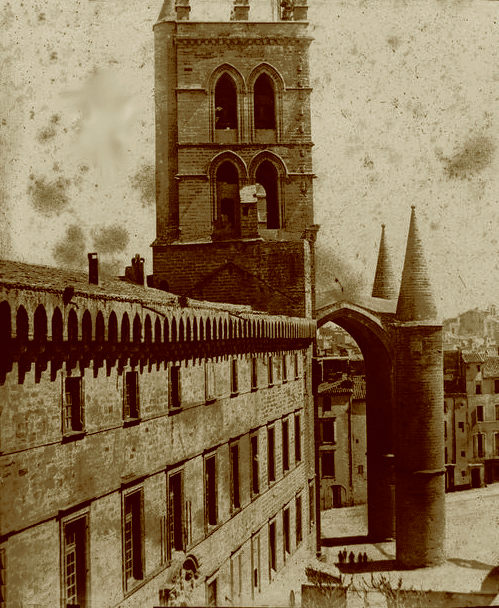
Dominating the city center, the Saint-Pierre Cathedral is a testament to Montpellier’s medieval grandeur. Originally built in the late 14th century, its fortress-like towers and intricate Gothic artistry draw visitors for both spiritual reflection and architectural fascination (Montpellier Cathedral Official Website).
Opening Hours:
- Monday–Saturday: 9:00 AM–6:00 PM
- Sunday: 10:00 AM–5:00 PM
Check for variations during holidays and special events.
Admission:
- Free entry; some special tours or exhibitions may require a fee.
Accessibility:
- Wheelchair-accessible entrances and assistance available.
Tips:
- Audio guides and multilingual tours are offered for deeper insights.
Promenade du Peyrou & Musée Fabre
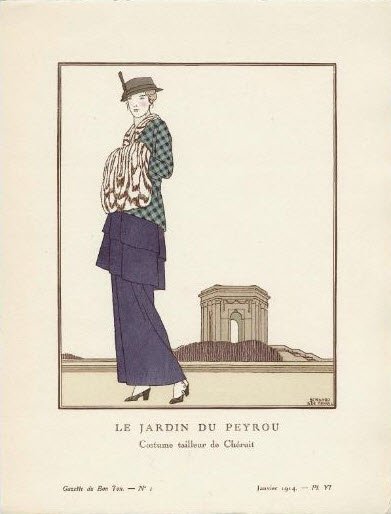
- Promenade du Peyrou Open at all times, this elevated park features panoramic city views and a triumphal arch—ideal for sunset photography.
- Musée Fabre Montpellier’s premier art museum, open Tuesday–Sunday, 10:00 AM–6:00 PM (closed Monday). Adult tickets are €11 (reduced €8); free entry on the first Sunday of each month.
Practical Visitor Information
Visiting Hours & Ticketing
- Ganges Silk Museum 10:00 AM–5:00 PM, closed Mondays. Adult entry ~€5.
- Ganges Town Center Outdoor heritage sites are free to explore.
- Dominican Château (Ganges) Guided tours only, 10:00 AM–5:00 PM (Wed–Sun), ~€8/adult. Book in advance via the tourist office.
Accessibility
- Montpellier Most attractions are wheelchair accessible, and the city’s public transport features low-floor trams and buses (Wheelchair Traveling: Montpellier Tips).
- Ganges Some cobbled streets and historic buildings may present challenges; inquire with accommodations and the tourist office for accessible options (Booking.com Ganges).
Transportation: Montpellier–Ganges
- By Bus Hérault Transport line 608 connects Montpellier and Ganges several times daily. The journey takes about an hour, with tickets under €5 (Hérault Transport).
- By Car The D986 road offers a scenic 50-minute drive from Montpellier to Ganges (Mappy Ganges-Montpellier Route).
- Note On Fridays, Ganges market day, some bus stops change—use “Mont Aigoual” instead of “Mairie.”
Accommodation & Dining
- Montpellier A broad range, from luxury hotels to budget options. Double rooms typically range from €70–€150/night (JJ Bucket List Travellers: Montpellier Guide).
- Ganges Smaller selection, including lodges and guesthouses. Reserve early during peak season (Booking.com Ganges).
- Dining Montpellier excels in Mediterranean cuisine, while Ganges offers regional specialties and farm-to-table eateries.
Markets, Festivals, and Events
- Montpellier “Les Estivales” festival (summer), wine tastings, and city markets.
- Ganges Lively Friday market, autumn and heritage festivals, and Occitan music events.
Visitor Tips & Insider Recommendations
- Guided Tours Book in advance for thematic tours—medieval architecture, silk heritage, and local folklore.
- Photography Top spots include the Saint-Pierre Cathedral façade, Ganges’ riverbanks, and the Dominican Château’s viewpoints.
- Outdoor Activities Explore Cévennes hiking trails, river kayaking, and the UNESCO-listed Saint-Guilhem-le-Désert nearby.
- Best Times to Visit Late spring and early autumn offer the best weather and fewer crowds.
Frequently Asked Questions (FAQ)
Q: Are historical sites in Ganges and Montpellier accessible for visitors with disabilities?
A: Many in Montpellier are fully accessible; in Ganges, accessibility varies—contact your accommodation or the tourist office for details.
Q: How do I travel between Montpellier and Ganges without a car?
A: Use Hérault Transport line 608 for a direct and affordable connection.
Q: Are guided tours available in English?
A: Yes, both cities offer English-language tours and audio guides.
Q: When is the best time to visit?
A: May–September is ideal for weather and festivals, with spring and autumn providing a more relaxed atmosphere.
Q: Where can I find updated visitor information?
A: Official tourism websites and the Audiala app offer real-time updates and resources.