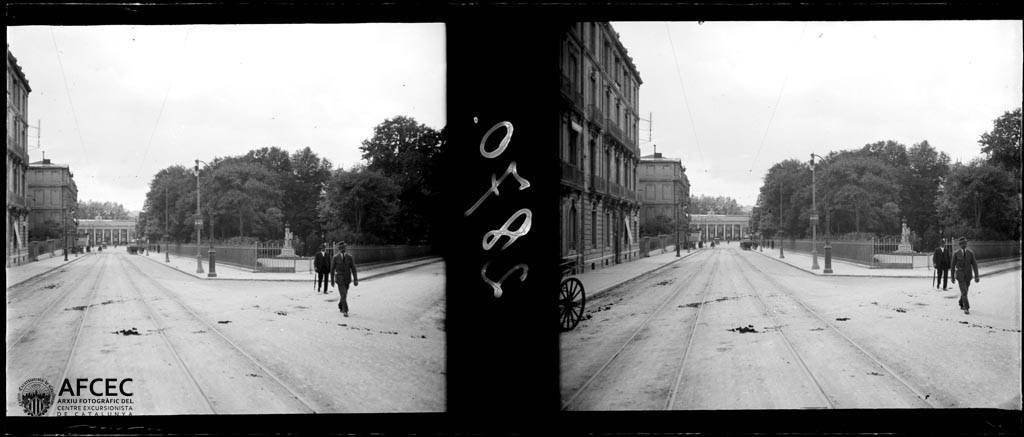
Historical Background of Bénézet Hotel
Origins and Historical Context
The Bénézet Hotel is among Montpellier’s many hôtels particuliers—grand private mansions constructed during the city’s economic and social boom in the late 17th and early 18th centuries. The Bénézet family, prominent in Montpellier’s public and commercial life, commissioned the mansion to reflect their status at a time when the city was becoming a cosmopolitan hub for trade, education, and the arts (worldcitytrail.com).
Role in Montpellier’s Urban Fabric
Situated in the Écusson district—the city’s medieval heart—the Bénézet Hotel is surrounded by nearly 70 other hôtels particuliers, many of which are protected historical monuments. Its proximity to Place Jean-Jaurès and the Hôtel des Trésoriers de France positions it at the core of Montpellier’s social and political life (montpellier-france.com, mapcarta.com).
Historical Significance
The Bénézet Hotel has witnessed centuries of change, from religious wars and plagues to urban renewal. Its survival and preservation are testaments to Montpellier’s resilience and the ongoing appreciation of its cultural patrimony (francetoday.com).
Architectural Features of Bénézet Hotel
Exterior Design
The hotel’s façade blends Baroque and classical elements: luminous pale limestone, elaborate carvings, family crests, pilasters, and ornate wrought-iron balconies—hallmarks of the era’s architectural style (secretattractions.com).
Courtyard and Interior Layout
A central courtyard (cour d’honneur) brings light and tranquility to the interior, often enhanced by fountains or formal gardens. Grand staircases, decorative plasterwork, and period fireplaces highlight the refined lifestyles of the original owners (montpellier-france.com).
Decorative Details
Inside, visitors encounter intricate wood paneling, painted ceilings, gilded mirrors, stucco work, and floral wrought-iron railings—showcasing the expertise of Montpellier’s artisans (secretattractions.com).
Preservation Efforts
Over the centuries, adaptation and restoration have ensured the hotel’s continued relevance. Heritage authorities prioritize the integrity of its architectural features, with events like the Festival des Architectures Vives offering the public unique glimpses of its private courtyards (montpellier-tourisme.fr).
Visitor Information
Visiting Hours and Tickets
- General Access The Bénézet Hotel is not open for daily public visits due to its private residential status.
- Special Events Public access is available during annual events such as the Festival des Architectures Vives (typically in June). During these occasions, visitors can explore the courtyards and select interiors.
- Guided Tours Occasionally, the Montpellier Tourist Office offers guided tours that include the Bénézet Hotel—advance reservation is strongly recommended (montpellier-france.com).
- Tickets Ticket prices and availability depend on the event or tour. Check the Montpellier Tourist Office website for current information.
Accessibility
Due to the building’s historic layout, accessibility for those with mobility issues may be limited. Contact the event organizers or Tourist Office in advance for specific accommodations.
Nearby Attractions
While visiting, explore the rich surroundings of the Écusson district, including:
- Hôtel des Trésoriers de France
- Place Jean-Jaurès
- Medieval alleys lined with cafés, boutiques, and other hôtels particuliers
These sites are all within easy walking distance and offer a comprehensive cultural experience (mapcarta.com).
Frequently Asked Questions (FAQ)
Q: Can I visit the Bénézet Hotel year-round?
A: No; it is only accessible to the public during special events or guided tours.
Q: How can I book a visit or tour?
A: Bookings are handled via the Montpellier Tourist Office or event-specific websites during public opening periods.
Q: Is the Bénézet Hotel accessible for visitors with disabilities?
A: Accessibility is limited due to historic architecture—check with event organizers in advance.
Q: What other sites should I visit nearby?
A: Hôtel des Trésoriers de France, Place Jean-Jaurès, Musée Fabre, and the medieval streets of Écusson are all highly recommended.