Introduction
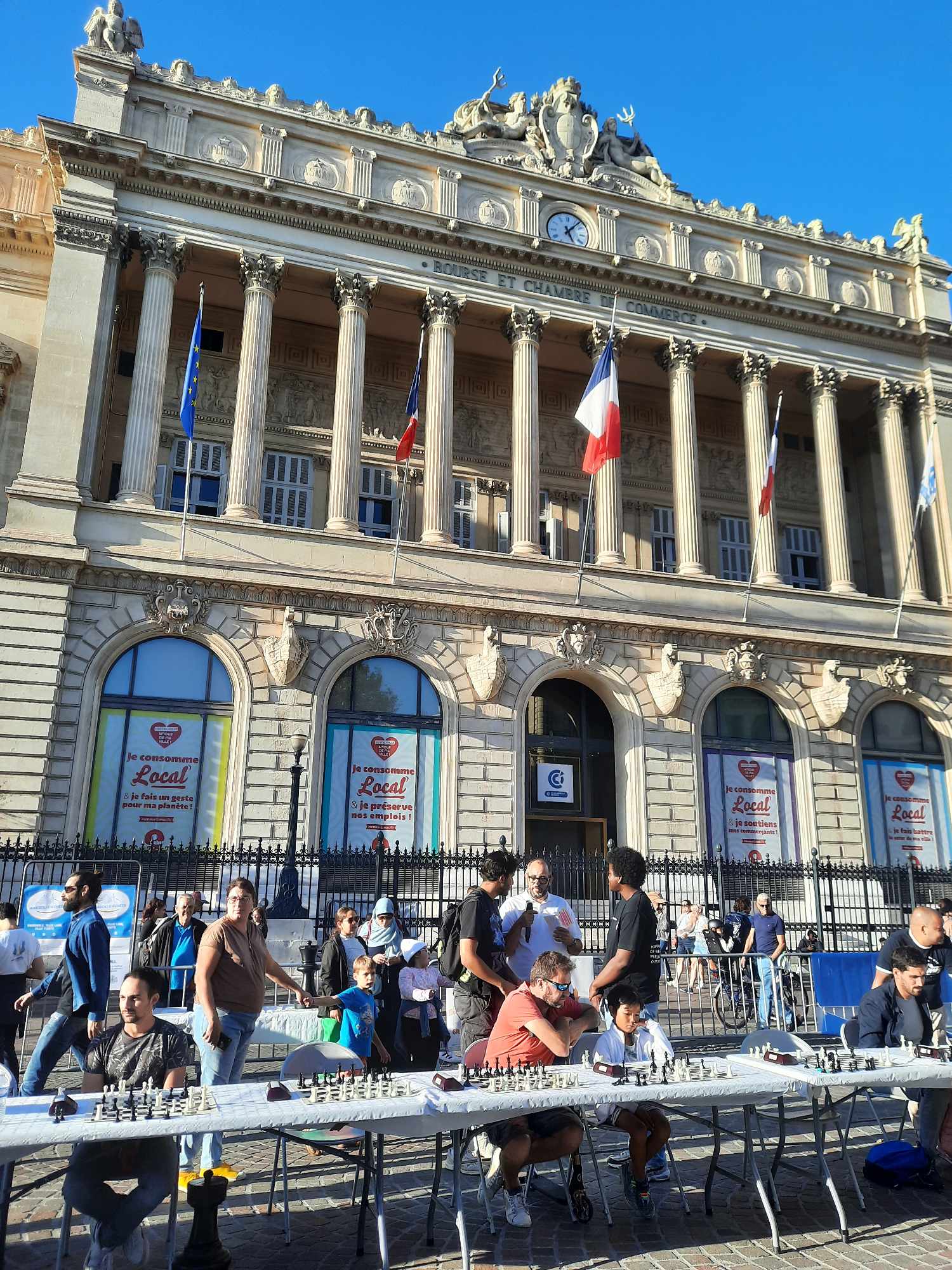
The Palais de la Bourse in Marseille is an iconic monument that vividly embodies the city’s commercial history, maritime legacy, and architectural grandeur. Centrally located at 9 La Canebière, this prestigious landmark stands as the seat of the Marseille-Provence Chamber of Commerce and Industry and serves as a vibrant cultural hub. From its 19th-century origins—symbolizing Marseille’s industrial and trading ascendancy—to its present-day role as a venue for exhibitions and civic events, the Palais de la Bourse offers visitors a unique journey through Marseille’s evolution as a Mediterranean metropolis (marseillecityofculture.eu, 1860lepalais.fr).
This guide provides all the essential information for visiting the Palais de la Bourse: opening hours, ticketing, accessibility, highlights, and expert tips to make the most of your experience. Whether you’re a history enthusiast, architecture lover, or traveler, the Palais is a must-see destination that connects you with centuries of Marseille’s dynamic past and present.
Founding and Commercial Significance
The Palais de la Bourse was conceived during a period of unprecedented growth for Marseille. By the mid-19th century, the city had established itself as France’s primary gateway to the Mediterranean and beyond, fueled by industrial innovation, colonial expansion, and the opening of the Suez Canal (marseillecityofculture.eu). The Chamber of Commerce, founded in 1599—the oldest in France—required a new, grander headquarters to reflect Marseille’s rising influence. In 1834, city leaders selected a central site on La Canebière to symbolize the unity and commercial vitality of Marseille (wikipedia).
Architectural Design and Construction
Designed by renowned architect Pascal-Xavier Coste, the building exemplifies Second Empire architecture, marked by neoclassical rigor and ornate grandeur. Construction began in 1852, overcoming significant engineering challenges due to unstable ground. The façade, adorned with allegorical sculptures, statues of famous explorers, and monumental arcades, celebrates Marseille’s role as a world port. The building was officially inaugurated on September 10, 1860, by Emperor Napoleon III and Empress Eugénie, with interior decorations completed over the following decades (marseilletourisme.fr, 1860lepalais.fr).
Symbolism and Inauguration
The inauguration of the Palais de la Bourse marked Marseille’s emergence as a modern commercial center. The grand event, attended by dignitaries and the imperial family, underscored the building’s dual function as a hub for trade and legal arbitration. The façade features sculptures and inscriptions honoring explorers like Cook, Magellan, Columbus, Vasco da Gama, and La Pérouse, and is crowned by the city’s coat of arms flanked by allegories of the ocean and Mediterranean (marseilletourisme.fr).
Wartime Impact and Restoration
During World War II, the Palais de la Bourse suffered damage from military action and fire, resulting in the loss of many original archives. Restoration efforts in the postwar period and a major renovation in 2010 have preserved its architectural integrity. In 2022, it was officially listed as a historic monument, ensuring its continued role as a civic and cultural landmark (wikipedia, marseilletourisme.fr).
Exploring the Palais de la Bourse
Exterior Features and Sculptures
The building’s monumental façade is a masterwork of Second Empire style, with symmetrical colonnades, grand arcades, and a central pediment. Allegorical sculptures depict Commerce and Justice, highlighting the building’s commercial and legal functions. Two four-meter-high marble statues represent France and Marseille, while circular cartouches along the peristyle commemorate major trading partners from the 19th century, emphasizing the city’s global reach (1860lepalais.fr).
A grand clock, manually wound since 1861, is a rare example of 19th-century public timekeeping and still operates today.
Interior Highlights and Artistic Heritage
Inside, the Grand Hall—spanning over 1,000 square meters—is illuminated by a skylight and features monumental arcades and marble flooring. Relief panels and inscriptions narrate pivotal moments in Marseille’s history, such as its founding, key military events, and commercial triumphs. The Salon d’Honneur on the first floor is decorated with tapestries, a monumental fireplace, and a grand marble staircase, showcasing the city’s opulence (myguidemarseille.fr).
Frescoes and sculpted panels throughout the interior recount Marseille’s economic and maritime heritage, making a visit both visually and historically immersive.
Museum and Exhibitions
The Palais de la Bourse houses the Musée de la Marine et de l’Économie, which features maritime artifacts, ship models, navigational instruments, and documents illustrating Marseille’s development as a major port. In recent years, the Grand Hall has hosted high-profile immersive exhibitions, such as the Mona Lisa digital art experience, drawing large audiences and highlighting the building’s adaptability (marseille-tourisme.com, artnews.com).
Practical Visitor Information
Location and Accessibility
- Address: 9 La Canebière, 13001 Marseille
- Access: Short walk from Vieux-Port–Hôtel de Ville Metro station, nearby tram and bus lines, and public parking. The building is wheelchair accessible, with ramps and elevators.
Visiting Hours
- General Hours: Typically open Tuesday to Sunday, 10:00 am to 6:00 pm (last admission 5:30 pm). Closed Mondays.
For the Chamber of Commerce offices: Monday to Friday, 8:30 am–12:30 pm and 1:30 pm–5:00 pm.
Always check official sources for exceptions, holiday hours, and special events.
Tickets and Admission
- General Admission: Free for ground floor public areas and many exhibitions.
- Special Exhibitions/Guided Tours: Fees may apply (typically €8–€15 for adults, with concessions). Advance booking is recommended for popular events (worldxo.org).
Guided Tours and Events
Regular guided tours delve into the Palais’s architecture and history and can be booked via the Marseille Tourist Office or on-site. Educational workshops and group visits are available, and the Grand Hall frequently hosts immersive digital exhibitions (teo-exhibitions.com, eonariumexperiences.com).
Visitor Amenities and Tips
- Accessibility: Wheelchair accessible, with assistance available. Service animals are welcome.
- Facilities: Restrooms, cloakroom, and a small gift shop.
- Photography: Non-flash photography is generally allowed.
- Nearby Cafés: Numerous options on La Canebière and the Old Port.
- Language: Exhibits have bilingual descriptions; translation apps recommended for full access.
Nearby Attractions
The Palais de la Bourse is close to many of Marseille’s top historical sites:
- Old Port (Vieux-Port)
- Le Panier district
- Notre-Dame de la Garde Basilica
- Marseille History Museum and Jardin des Vestiges
For more, see our guides to Marseille historical sites and Marseille City Pass travel tips.
Frequently Asked Questions (FAQ)
Q: What are the Palais de la Bourse visiting hours?
A: Usually Tuesday to Sunday, 10:00 am–6:00 pm. Check the official website for updates.
Q: Is admission free?
A: General entry is free; special exhibitions and tours may require tickets.
Q: Are guided tours available?
A: Yes, bookable via the Tourist Office or at the site.
Q: Is the Palais accessible to visitors with disabilities?
A: Yes, with ramps, elevators, and assistance provided.
Q: Can I take photos?
A: Non-flash photography is generally permitted unless otherwise posted.
Listen to the full story in the app
Your Personal Curator, in Your Pocket.
Audio guides for 1,100+ cities across 96 countries. History, stories, and local insight — offline ready.
Audiala App
Available on iOS & Android
Join 50k+ Curators
Sources
- verified
- verified
- verified
- verified
- verified
- verified
- verified
- verified
- verified
- verified
Last reviewed: