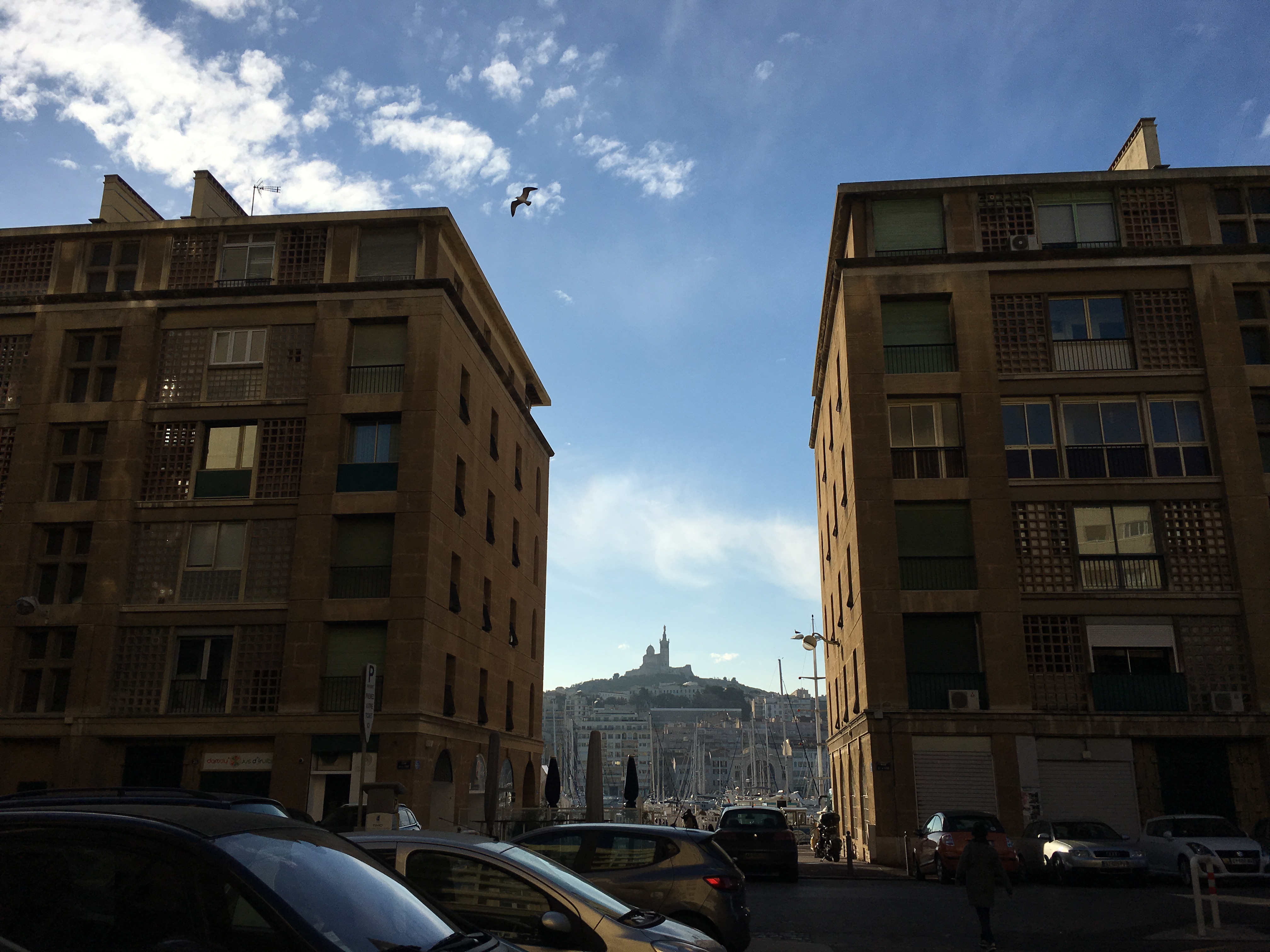
Plan and listen to Belsunce with Audiala.
Audio guide in your pocket, itinerary in your browser. Built for the way you actually visit.
Introduction
Belsunce, located in the vibrant core of Marseille, is a neighborhood that stands as a living testament to the city’s rich history, multicultural identity, and ongoing transformation. From its ancient Greek roots to its current status as a cultural crossroads, Belsunce offers an immersive experience for visitors keen on exploring the authentic spirit of Marseille. Whether you seek historical landmarks, bustling markets, or an encounter with contemporary urban life, this comprehensive guide will help you navigate Belsunce’s remarkable offerings, with detailed insights into visiting hours, ticketing, accessibility, and practical travel tips.
History and Origins of Belsunce
Belsunce’s story is deeply intertwined with that of Marseille, France’s oldest city, founded as Massalia by Greek settlers around 600 BCE (marseillecityofculture.eu). While Belsunce itself emerged in later centuries, its proximity to the ancient harbor made it a strategic site for trade and urban development. In the 17th century, the Cours Belsunce was established as a grand promenade, reflecting the aspirations of the city’s elite (tourisme-marseille.com).
A defining chapter in the area’s history was the Great Plague of 1720. Monseigneur Henri François-Xavier de Belsunce-Castelmoron, Bishop of Marseille, became a symbol of compassion during this crisis, leading to the naming of the cours and the district in his honor. The 19th century brought rapid urban growth and commercial expansion, while the 20th century saw waves of immigration that established Belsunce as a melting pot of cultures (marseillecityofculture.eu, evnreport.com).
Cultural Significance and Social Dynamics
Belsunce has become a microcosm of Marseille’s cosmopolitan identity, shaped by successive waves of immigration from Italy, Armenia, North Africa, and beyond (marseillenord.org). Its vibrant street life, multicultural markets, and strong community networks reflect a dynamic interplay of tradition and renewal. Local associations, such as the Association des Commerçants et Artisans de Belsunce, foster solidarity and cultural exchange, while events and festivals highlight the neighborhood’s ongoing creativity (marseille-tourisme.com).
Key Historical Landmarks and Attractions
Alcazar Library
The Alcazar Library is a striking example of architectural adaptation, evolving from a grand 19th-century theater into a modern cultural hub. Open Tuesday to Saturday, 10:00 AM to 7:00 PM, the library offers free admission, extensive collections, and regular cultural events.
Jardin des Vestiges
Adjacent to the Centre Bourse, the Jardin des Vestiges showcases the archaeological remains of the ancient Greek port of Massalia. Open daily from 9:00 AM to 7:00 PM, this garden is free and accessible, with interpretive panels guiding visitors through Marseille’s ancient maritime history.
Cours Belsunce
The Cours Belsunce, established in the 17th century, remains a lively avenue lined with historic facades, local shops, and bustling cafés—an ideal route for architectural walks and people-watching.
Centre Bourse and Marseille History Museum
The Centre Bourse is a major shopping and cultural complex, home to the Marseille History Museum. The museum is open Tuesday to Sunday, 10:00 AM to 6:00 PM (last entry 5:30 PM), with an entrance fee (around €8 for adults, discounts available).
Memorial de la Marseillaise
Located on Rue Thubaneau, the Memorial de la Marseillaise commemorates the birthplace of France’s national anthem. Open daily from 10:00 AM to 6:00 PM, with free entry.
Porte d’Aix
The Porte d’Aix is a neoclassical triumphal arch marking the historic entrance to Marseille, accessible at all times and surrounded by a lively square.
Rue Longue des Capucins
This bustling commercial street Rue Longue des Capucins is renowned for its multicultural shops and markets, offering goods from across the Mediterranean and Africa.
Visiting Hours, Ticket Information, and Accessibility
- General District Access: Belsunce is open year-round, 24/7.
- Museums and Libraries: Most sites open Tuesday to Saturday; typical hours are 10:00 AM–6:00/7:00 PM.
- Tickets: Street exploration is free; museums may charge entrance fees (adults €8, concessions available).
- Markets: Marché des Capucins is open 7:00 AM–2:00 PM daily.
- Accessibility: Most major sites and public spaces offer wheelchair access, though some older streets may be uneven.
Markets, Dining, and Shopping
Belsunce is famed for its lively markets, especially the Marché des Capucins and Marché du Soleil, brimming with fresh produce, spices, textiles, and specialty goods (timetomomo.com). Dining options are equally diverse, with North African, Armenian, Asian, and Mediterranean cuisines available in local cafés and restaurants. Shopping spans affordable clothing, electronics, and unique souvenirs.
Events, Local Life, and Street Art
The neighborhood regularly hosts cultural events, music festivals, and art exhibitions—particularly in summer and during Marseille’s major celebrations (Springer). Street art and murals are prominent throughout Belsunce, reflecting the district’s creative energy and multicultural heritage. Spaces like Coco Velten are hubs for exhibitions and community engagement.
Visitor Tips and Safety
- Best Time to Visit: Spring and autumn for mild weather and fewer crowds.
- Transportation: Easily reached by metro (Noailles, Saint-Charles), tram, and bus; walking is recommended within the district (The Broke Backpacker).
- Safety: Belsunce is generally safe during the day, but be vigilant about pickpocketing, especially in crowded areas. Avoid deserted streets at night (TravelSafe-Abroad).
- Etiquette: Greet shopkeepers with "Bonjour," ask before taking photos of individuals, and embrace the area’s cultural diversity.
Frequently Asked Questions (FAQs)
Q: Are tickets required to explore Belsunce?
A: No tickets are needed for general exploration. Museums may require paid entry.
Q: What are the main attractions’ visiting hours?
A: Museums and libraries: 10:00 AM–6:00/7:00 PM (closed Mondays). Markets: 7:00 AM–2:00 PM.
Q: Is Belsunce accessible for those with mobility needs?
A: Main streets and venues are accessible, though some older alleys may be challenging.
Q: Are guided tours available?
A: Yes, local operators and museums offer walking tours (typically €15–€30 per person).
Q: What are the best photo spots?
A: Alcazar Library façade, Jardin des Vestiges, Porte d’Aix, and vibrant street murals.
Q: Is Belsunce safe for tourists?
A: Generally safe during the day; exercise standard urban precautions.
Summary and Recommendations
Belsunce encapsulates Marseille’s layered history and enduring multicultural vibrancy. Visitors will find a blend of ancient ruins, historic promenades, lively markets, and creative spaces—all within easy reach of the city’s major landmarks. Practical information on visiting hours, tickets, and accessibility ensures a smooth experience, while local tips help visitors engage thoughtfully with the community.
Quick Recommendations:
- Visit early to enjoy markets and museums before crowds.
- Wear comfortable shoes for exploring narrow streets.
- Try local cuisine in multicultural cafés.
- Download the Audiala app for audio tours and up-to-date event info.
- Explore nearby districts like Le Panier and the Old Port for a comprehensive Marseille experience.
Listen to the full story in the app
The whole Belsunce,
told well.
Audio guides for 1,100+ cities across 96 countries. History, stories, and local insight — offline ready.

Verified, and shown.
Researched and written by the Audiala editorial team from historical records, architectural archives, and local expertise.
Last reviewed