
Architectural Mastery and Garden Design
The Genesis of French Baroque
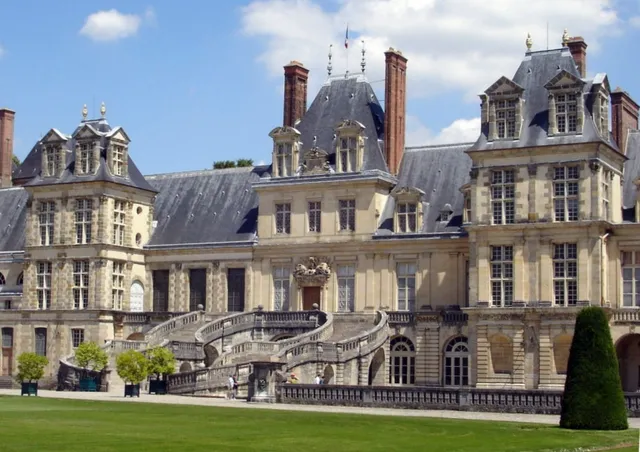
Built between 1658 and 1661, Vaux-le-Vicomte exemplifies the unity of architecture, interior art, and landscape. Architect Louis Le Vau’s symmetrical limestone façade, Charles Le Brun’s opulent interiors, and André Le Nôtre’s 33-hectare formal gardens harmonize to create a masterpiece that set the standard for French classicism (Vaux-le-Vicomte official history; Wikipedia).
Exterior Highlights
The château’s dramatic entrance, surrounded by a moat and approached through grand forecourts, leads to the distinctive domed oval salon—a precursor to the Hall of Mirrors at Versailles (Castrum to Castle; The World Trip).
Interior Opulence
Inside, Vaux-le-Vicomte dazzles with an enfilade of stately apartments, gilded woodwork, elaborate tapestries, and Le Brun’s decorative schemes. The central salon’s soaring dome and harmonious proportions became a model for French palatial interiors (Snippets of Paris).
Le Nôtre’s Gardens
Le Nôtre’s gardens are the archetype of the French formal style, featuring geometric parterres, water features, and optical illusions that enhance perspective and grandeur. These gardens served as the blueprint for Versailles and influenced landscape design across Europe (Tarifs.org; Moments Log; Spotting History).
The Fateful Fête and Its Legacy
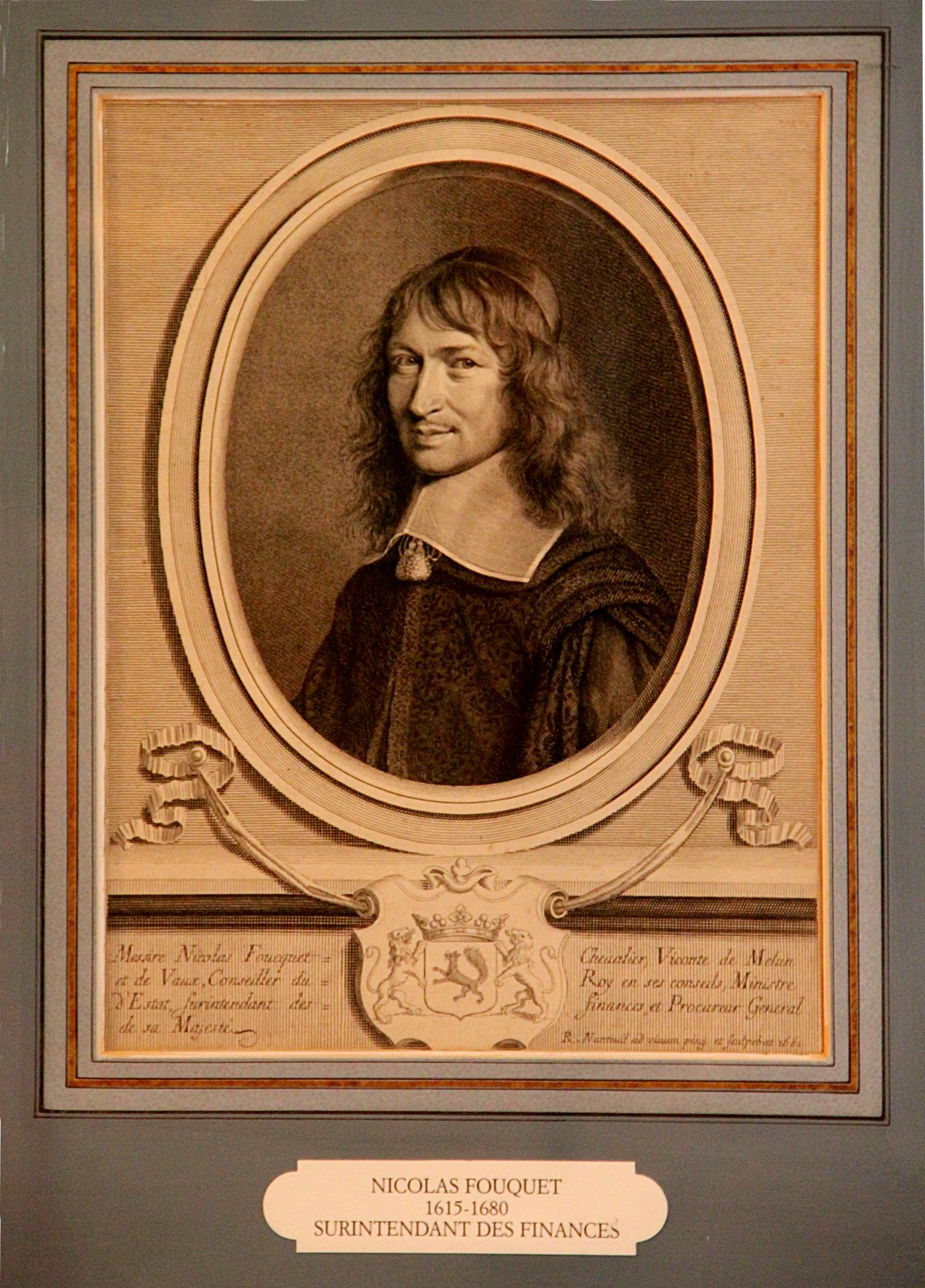
On August 17, 1661, Fouquet hosted an extravagant fête for King Louis XIV, featuring Molière’s theatre, ballet, and fireworks. The king, envious and suspicious, promptly had Fouquet arrested, seized the château, and later employed Vaux-le-Vicomte’s creators to build Versailles (The French History Podcast; Paris Property Group; Welcome to Versailles).
Restoration and Modern-Day Vaux-le-Vicomte
Following periods of neglect, Vaux-le-Vicomte was painstakingly restored by Alfred Sommier in 1875, and remains under the care of the Sommier family. Today, it stands as a vibrant cultural destination, hosting public visits, candlelit evenings, and seasonal events (Bonjour Paris; Vaux-le-Vicomte official history).
Visiting Vaux-le-Vicomte: Hours & Tickets
Opening Hours (2025)
- General March 15 – January 4, 10:00 am–5:30 pm (last entry 4:30 pm)
- Grand Siècle Day May 31, 11:00 am–9:30 pm
- Candlelit Evenings Saturdays, May 24 – Sept 27, open until 11:00 pm (melunvaldeseine-tourisme.com; visitparisregion.com)
Tip: Early arrival is recommended, especially on weekends or during special events.
Ticket Prices
- Adults €18
- Reduced €14.50 (students, children 6–17, job seekers, disabled visitors)
- Children under 6 Free
- Gardens only €13.50
- Special Events Additional charges apply (melunvaldeseine-tourisme.com; visitparisregion.com; cntraveler.com)
Purchase tickets online to guarantee entry, especially for popular events (official ticket page).
Getting There & Accessibility
- By Car 50-minute drive southeast of Paris; free parking on-site (chateaux-france.com).
- By Train Paris Gare de Lyon to Melun (RER D or SNCF); shuttle bus to château (weekends and holidays) (melunvaldeseine-tourisme.com).
- By Shuttle Seasonal shuttles from Melun station (melunvaldeseine-tourisme.com).
- Accessibility The gardens and main château are accessible, with adapted facilities and reduced rates for visitors with disabilities (visitparisregion.com).
Guided Tours, Events & Family Activities
- Self-Guided Visits Audio guides available in multiple languages (cntraveler.com).
- Guided Tours Book in advance for expert insights into the château’s art and history (melunvaldeseine-tourisme.com).
- Candlelit Evenings Over 2,000 candles illuminate the château and gardens on summer Saturdays (visitparisregion.com).
- Grand Siècle Day Costumed festivities evoke the 17th-century spirit (melunvaldeseine-tourisme.com).
- Christmas at Vaux-le-Vicomte Festive décor in each room (cntraveler.com).
- Dome Climb Panoramic estate views (supplemental fee) (visitparisregion.com).
- Family Activities Costume rentals, treasure hunts via the Paris Region Adventures app, and themed children’s activities (visitparisregion.com).
Dining & Amenities
- Le Relais de l’Écureuil On-site restaurant with indoor/outdoor seating (visitparisregion.com).
- Picnicking Permitted in the gardens (cntraveler.com).
- Tea Room & Gift Shop Additional refreshments and souvenirs (chateaux-france.com).
- Restrooms Facilities at entrance and in gardens.
Practical Tips for Your Visit
- Wear comfortable shoes The estate is extensive.
- Check the weather The gardens are best enjoyed in fair weather.
- Photography Permitted in most areas, but flash/tripods are restricted inside.
- Luggage & strollers Large bags may need to be checked; strollers allowed in gardens only.
- Pets Only service animals permitted.
Nearby Attractions
- Blandy-les-Tours Medieval fortress just 4 km away, offering a different historical perspective.
- Fontainebleau Palace Another iconic royal residence nearby.
- Maincy Village Explore local charm and history.
Frequently Asked Questions (FAQ)
Q: What are Vaux-le-Vicomte’s visiting hours?
A: Generally 10:00 am–5:30 pm (spring–autumn), with extended hours for events. Check the official website for exact times.
Q: How do I buy tickets?
A: Online via the official website or at the entrance. Advance booking is advised for special events.
Q: Is Vaux-le-Vicomte accessible?
A: Most areas are accessible, but some historic interiors may be challenging. Contact the château for detailed information.
Q: Are guided tours available?
A: Yes, in multiple languages. Book in advance for guided experiences.
Q: Are photos allowed?
A: Photography is permitted in most areas, but flash and tripods are restricted indoors.
Discover More
Vaux-le-Vicomte is a monument of French Baroque genius, blending architecture, artistic interiors, and visionary gardens. Its compelling history, special events, and family-friendly offerings make it an essential destination for cultural travelers. For the best experience, check the official website for updates, purchase tickets in advance, and consider using audio guides or the Audiala app for deeper immersion.
Start planning your visit today to experience the grandeur and legacy of Vaux-le-Vicomte—one of France’s most enchanting estates.