Plan and listen to Palais Saint-Pierre with Audiala.
Audio guide in your pocket, itinerary in your browser. Built for the way you actually visit.
Introduction
Located in the heart of Lyon, France, the Palais Saint-Pierre stands as a testament to nearly a thousand years of religious, architectural, and cultural history. Originally the Abbey of the Ladies of Saint-Pierre, this monumental site has evolved from a medieval Benedictine convent to its current role as the home of the Musée des Beaux-Arts de Lyon—recognized as one of France’s foremost art museums, second only to the Louvre. Its vast collections span over 5,000 years of art history, featuring masterpieces by Veronese, Rubens, Monet, Picasso, and many others.
This detailed guide provides everything you need to plan your visit to the Palais Saint-Pierre, including its historical significance, architectural highlights, museum opening hours, ticketing information, accessibility, guided tours, and nearby attractions. Whether you are an art lover, history enthusiast, or traveler seeking to immerse yourself in Lyon’s rich heritage, the Palais Saint-Pierre offers an unforgettable experience that seamlessly blends architectural splendor with world-class artistic treasures (Visit Lyon, Musée des Beaux-Arts de Lyon, Lyon France Tourist Information).


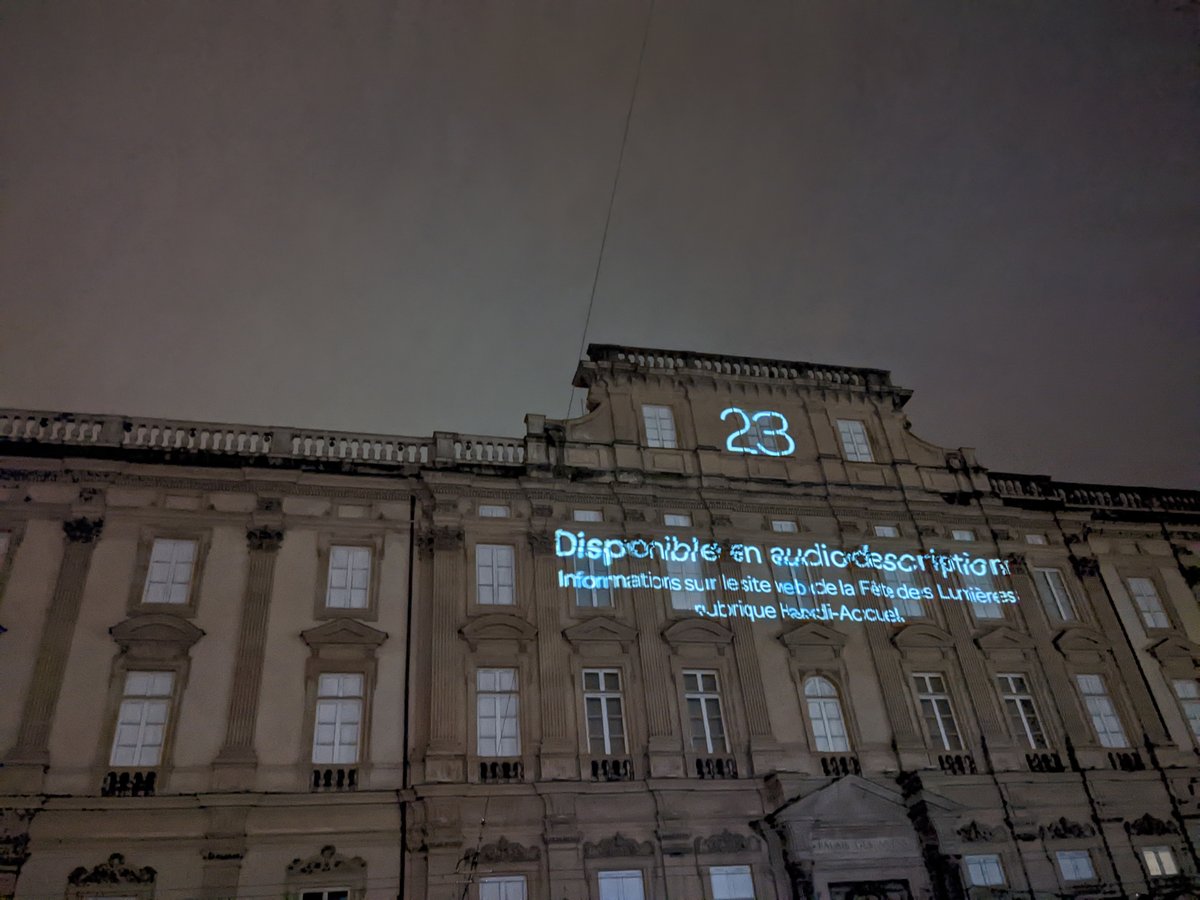


Early Foundations
While some historical accounts hint at a monastic presence on the site as early as the 5th century, the first concrete reference to the Abbey of Saint-Pierre dates to 810 CE, when Leidrade, Archbishop of Lyon, mentioned it in correspondence with Charlemagne. At that time, the abbey was known as “Saint-Pierre les Nonnains” and was home to a vibrant community of nuns, maintaining ties with other prominent monastic centers, such as the Abbey of Reichenau (visitonslyon.com).
Medieval Influence
Throughout the Middle Ages, the Abbey of Saint-Pierre played a significant role in Lyon’s religious, educational, and social life. The “Dames de Saint-Pierre” were influential in the city’s spiritual and cultural development. Over the centuries, the abbey expanded its buildings and grounds, though much of the medieval structure was later replaced.
Seventeenth-Century Transformation
A significant transformation occurred in the late 17th century under Abbess Anne de Chaulnes, who commissioned architect François de Royers de la Valfenière to redesign the site in the classical style. This period saw the construction of grand façades, formal courtyards, and the distinctive cloister garden, which remains a tranquil oasis today (monumentum.fr, lyonfrance.ca).
The French Revolution and Secularization
The French Revolution marked a dramatic shift: in 1792, the last nuns were expelled and the abbey’s assets seized. The site was briefly repurposed before being designated as the new Musée des Beaux-Arts de Lyon in 1802, reflecting the revolutionary ideals of public education and cultural democratization (visitonslyon.com).
19th–21st Centuries: The Musée des Beaux-Arts de Lyon
Since its establishment as a museum, the Palais Saint-Pierre has grown in stature and scope. The 19th century saw extensive renovations and the addition of university faculties. Today, the museum houses extensive collections of paintings, sculptures, antiquities, decorative arts, and coins, and regularly hosts thematic and temporary exhibitions (lyonfrance.ca).
Practical Visitor Information
Location and Access
- Address: 20 Place des Terreaux, 69001 Lyon, France
- District: Presqu’île, central Lyon
- Public Transport: Metro lines A and C (Hôtel de Ville-Louis Pradel station), multiple bus lines, and nearby Vélo’v bike stations (lyon.fr, velov.grandlyon.com)
Opening Hours
- Wednesday to Monday: 10:00 AM – 6:00 PM (Fridays from 10:30 AM)
- Closed: Tuesdays and select public holidays (January 1, Easter Monday, May 1 & 8, Ascension Day, Pentecost Monday, July 14, August 15, November 1 & 11, December 25)
- Early Closures: December 24 & 31, museum closes at 5:00 PM
- Note: During heatwaves, the museum may offer free admission as a designated “cool spot” (mba-lyon.fr, lyon.fr)
Ticketing and Admission
- General Admission: €8 (permanent collections)
- Reduced Admission: €4 (students, seniors, groups, etc.)
- Combined Ticket (permanent + temporary exhibitions): €12 (reduced €7)
- Free Admission: Under 18s, first Sunday of each month, Lyon City Card holders, and various other eligible categories
- Annual Passes: Carte Musées (€25), Carte Culture (€38, or €10 for ages 18–25)
- Lyon City Card: Grants free entry to the museum and 38 other attractions (en.visiterlyon.com)
- Tickets: Available at the museum ticket desk; online sales may be limited during special events (mba-lyon.fr)
Accessibility
- Wheelchair Access: Ramps, elevators, and accessible restrooms are available, though some historic areas may be less accessible.
- Assistance: Adapted tours and services for visitors with reduced mobility; check the museum's accessibility page for details.
Guided Tours and Audioguides
- Guided Tours: Available in multiple languages; English tours typically on Saturdays for an additional €3 (mba-lyon.fr)
- Audioguides: Free, available in English, Italian, and Chinese (online and on-site)
- Booklets: Thematic routes for Masterpieces, Nature, and Colour
Museum Highlights and Architectural Features
Notable Spaces
- Romanesque Porch: The oldest remaining element, dating from the medieval abbey
- 17th-Century Classical Façade: Facing Place des Terreaux, designed by François de Royers de la Valfenière
- Cloister and Garden: A serene green space with sculptures, free to access and designated as a “cool spot” during heatwaves
- Former Abbey Chapel: Now housing the museum’s impressive sculpture collection
- Puvis de Chavannes Staircase: Adorned with murals and leading to the upper galleries
Collections
- Ancient Art and Antiquities: Over 8,000 objects from Egypt, Greece, and Rome
- Paintings: Works by Veronese, Rubens, Rembrandt, Poussin, Monet, Picasso, and more
- Sculptures: Including pieces by James Pradier and monumental works displayed in the chapel
- Decorative Arts & Numismatics: 3,000 decorative objects and a collection of 50,000 coins and medals
- Works on Paper: 15,000 drawings, prints, and manuscripts
Temporary Exhibitions & Events
The museum frequently hosts major exhibitions, festivals, and a summer concert series. Upcoming events include “La Cabane” (May 2025–May 2026) and “Polar en Vacances” (July 2025) (visiterlyon.com).
Visitor Services & Amenities
- Café & Restaurant: First-floor dining with views of the garden and monumental paintings (en.visiterlyon.com)
- Bookshop & Gift Shop: Art history books and souvenirs, accessible without a museum ticket
- Cloakroom: Available for coats and small bags; large luggage not permitted
- Family-Friendly Activities: Workshops and activities throughout the year (mba-lyon.fr)
- Photography: Non-flash photography is allowed in permanent collections; restrictions may apply during special exhibitions
Nearby Attractions & Travel Tips
- Place des Terreaux: Vibrant city square featuring the Bartholdi Fountain and Hôtel de Ville
- Presqu’île & Vieux Lyon: Explore Lyon’s UNESCO-listed old town and lively shopping and dining districts
- Other Museums: Musée d’Art Contemporain de Lyon, Opéra de Lyon
- Travel Tips: Arriving early ensures a quieter visit; weekends and school holidays are busiest. The museum garden offers a peaceful retreat even without a ticket (mba-lyon.fr, traveltolyon.com)
Frequently Asked Questions (FAQ)
Q: What are the opening hours?
A: Wednesday–Monday, 10:00 AM–6:00 PM (Fridays from 10:30 AM). Closed on Tuesdays and select holidays.
Q: How much are tickets?
A: €8 (general), €4 (reduced), free for under 18s and on the first Sunday of each month.
Q: Is the museum accessible?
A: Wheelchair accessible, with ramps, elevators, and adapted restrooms. Some historic areas may be less accessible.
Q: Are guided tours available?
A: Yes, in several languages; check the website for schedules.
Q: Can I visit the garden without a ticket?
A: Yes, the cloister garden is free and open to all.
Q: May I take photos?
A: Non-flash photography is permitted in permanent collections, unless otherwise indicated.
Summary & Recommendations
The Palais Saint-Pierre is a cornerstone of Lyon’s historical and cultural landscape. Its evolution—from medieval abbey to a premier museum—mirrors the city’s own development. Today, visitors can marvel at its 17th-century classical façade, explore tranquil cloister gardens, and discover treasures spanning millennia. Comprehensive visitor services, accessibility features, and proximity to other landmarks make it an essential stop for anyone exploring Lyon.
Plan your visit, enjoy world-class art, and experience the layered history of Lyon at the Palais Saint-Pierre. For current updates, tickets, and event details, always refer to the official museum website. Enhance your experience with the Audiala app for audio-guided tours and stay connected for upcoming exhibitions and events.
Useful Links
- Musée des Beaux-Arts de Lyon Official Website
- Visit Lyon - Palais Saint-Pierre
- Lyon France Tourist Information
- Monument Historique Listing
- Nomads Travel Guide – Musée des Beaux-Arts de Lyon
- TravelSetu – Musée des Beaux-Arts de Lyon Tourism
- The Crazy Tourist – Best Things to Do in Lyon
- Velov Bike Sharing Lyon
For more on Lyon historical sites and travel inspiration, explore our related articles. Download the Audiala app for audio-guided tours and stay updated on cultural events via social media!
Audiala2024
Listen to the full story in the app
The whole Palais Saint-Pierre,
told well.
Audio guides for 1,100+ cities across 96 countries. History, stories, and local insight — offline ready.
Verified, and shown.
Researched and written by the Audiala editorial team from historical records, architectural archives, and local expertise.
Researched from Wikidata, Wikipedia & official sources · fact-checked · How we make our guides →