Plan and listen to Monument À La Cavalerie with Audiala.
Audio guide in your pocket, itinerary in your browser. Built for the way you actually visit.
Introduction
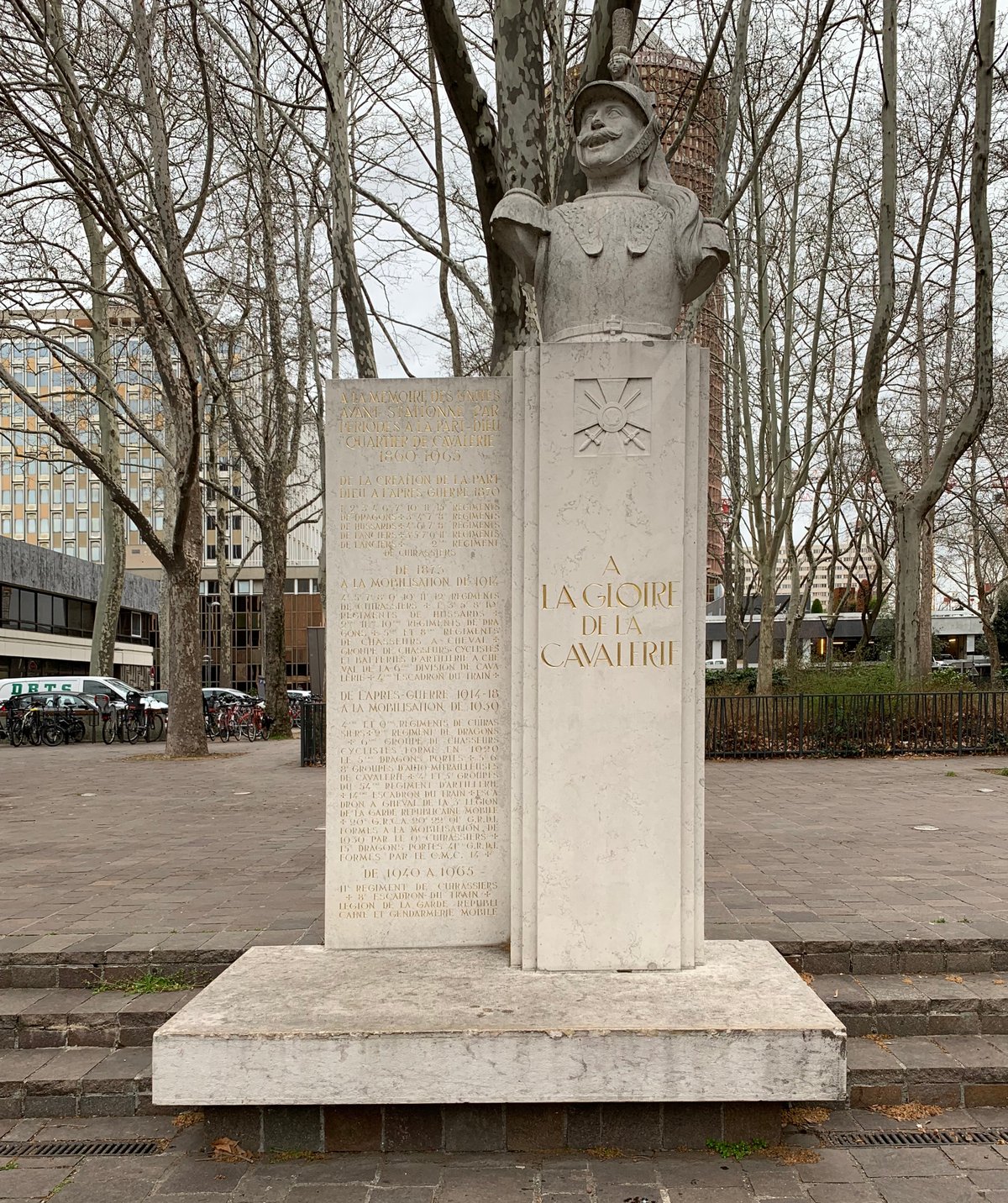
The Monument À La Cavalerie, located in Lyon, France, is a prominent tribute to the city’s military legacy, particularly the evolution and valor of cavalry units throughout French history. Lyon—founded as Lugdunum by the Romans in 43 BCE—has long been a cultural and strategic hub, shaped by its position at the Rhône and Saône rivers’ confluence. This monument stands as a testament not only to the changing face of warfare but also to Lyon’s enduring role as a crossroads of heritage, commerce, and conflict (visiterlyon.com, musee-cavalerie.fr).
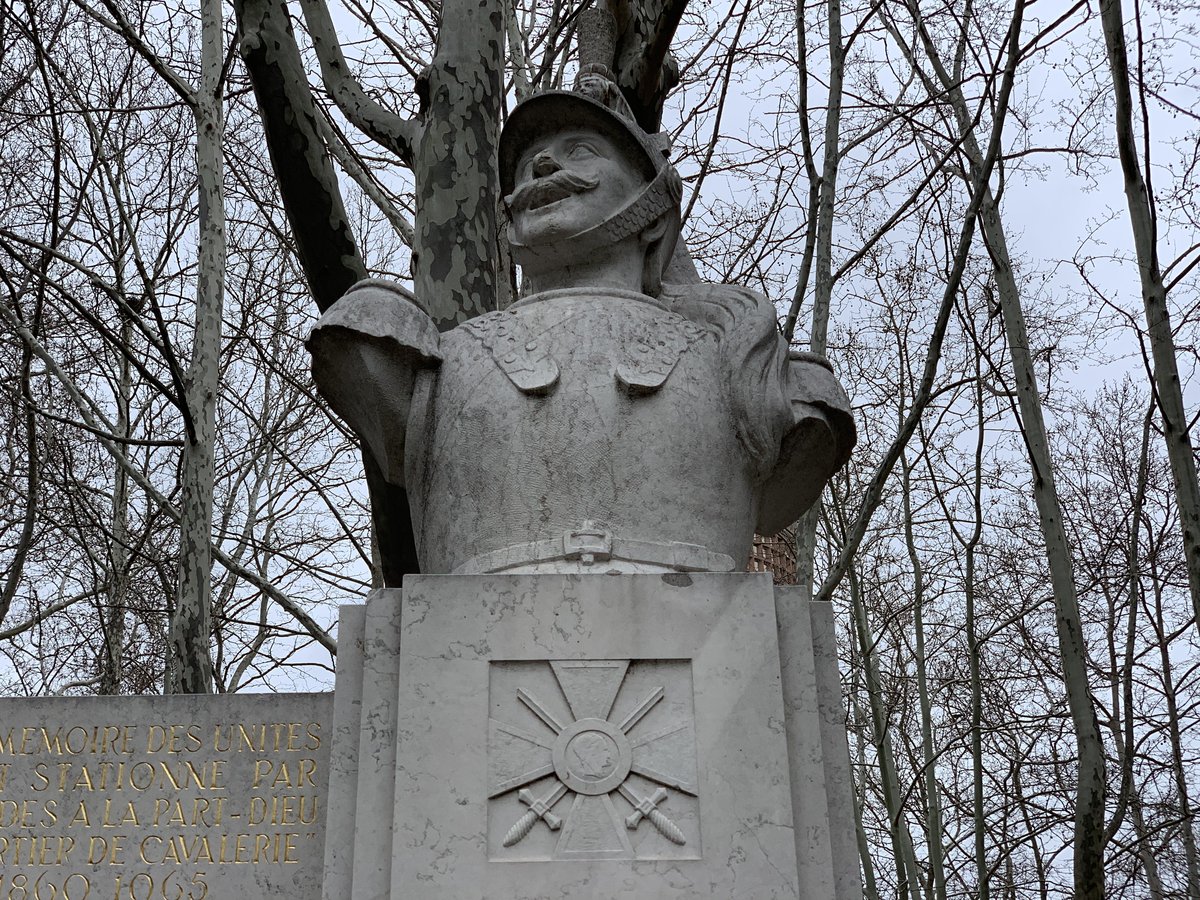
The Monument À La Cavalerie is more than a sculptural homage; it is a site for education, reflection, and cultural engagement. Its artistic features—equestrian statues, bas-reliefs, and evocative inscriptions—honor the bravery of cavalry regiments while integrating seamlessly into Lyon’s UNESCO World Heritage-listed historic center (monumentum.fr). This guide provides everything you need to plan your visit, from practical details and travel tips to historical context and nearby attractions.

1. Historical Context and Evolution
The Evolution of Lyon and Its Heritage
Lyon’s layered history stretches over two millennia, from its Roman foundations to its Renaissance prosperity as a center of banking, silk weaving, and printing. Districts such as Vieux Lyon, Presqu’île, and Croix-Rousse each tell a chapter of this story through their unique architecture and atmosphere (visiterlyon.com).
The Role of Cavalry in French History
Cavalry units were central to France’s military might from the medieval era through the early 20th century, offering mobility and striking power on the battlefield. In Lyon and the broader Rhône-Alpes region, cavalry regiments protected vital trade routes and the city’s defenses, especially during the Hundred Years’ War and Napoleonic campaigns (forum.pages14-18.com). The mechanization of warfare in the 20th century transformed traditional cavalry into armored units, a transition memorialized by monuments and museums throughout France (musee-cavalerie.fr).
2. Monument À La Cavalerie: Design, Symbolism, and Visitor Experience
Commemoration and Symbolism
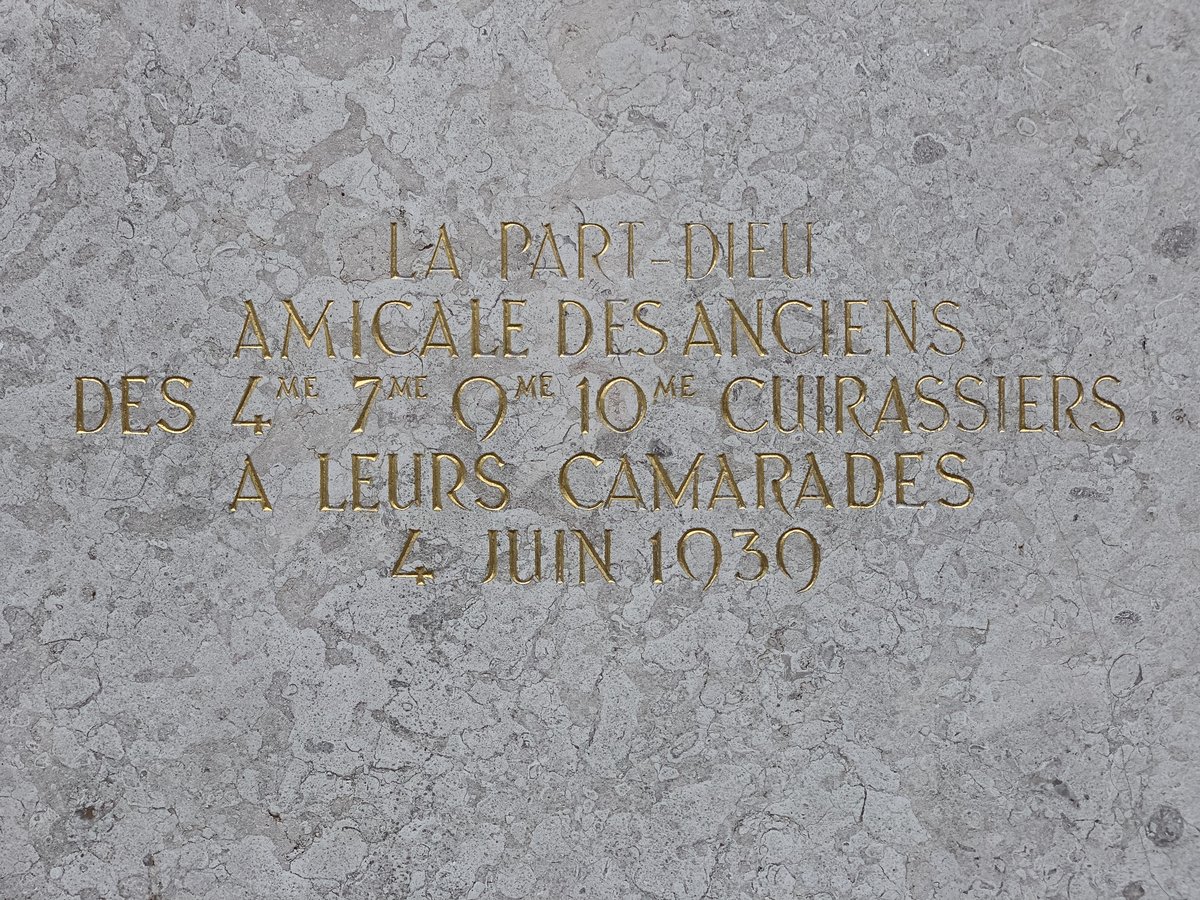
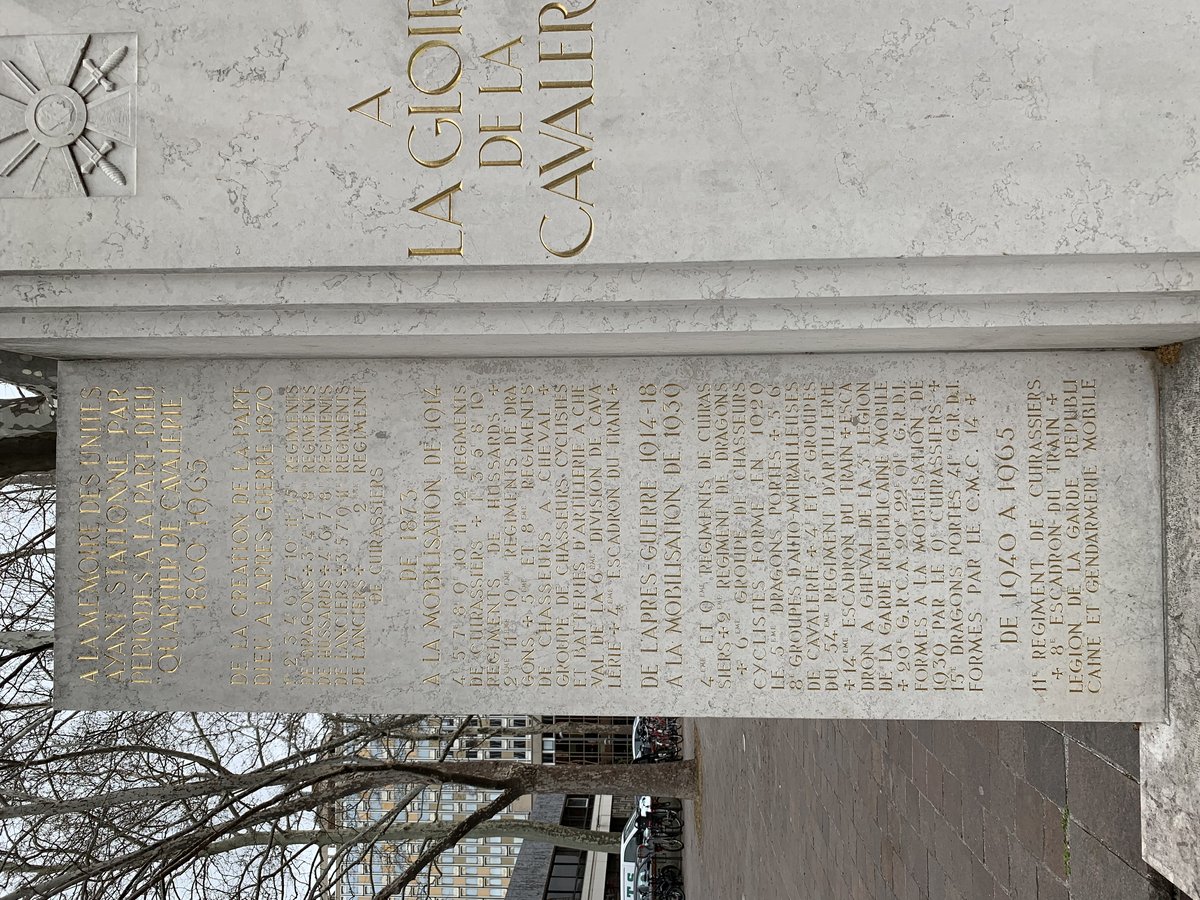
The monument acknowledges the heroism of cavalry soldiers, particularly those who served in landmark conflicts such as the Napoleonic Wars, World Wars I and II. It also serves as an educational point, illustrating the evolution of military technology and tactics (culture.gouv.fr).
Architectural and Artistic Features
Monuments of this kind typically feature:
- Equestrian Statues: Symbolizing valor and leadership.
- Bas-Reliefs and Inscriptions: Depicting historical battles and honoring regiments.
- Urban Integration: Located in public spaces, encouraging civic engagement (monumentum.fr).
3. Visiting Hours, Tickets, and Accessibility
- Visiting Hours: The monument is accessible outdoors year-round, typically best visited between 9:00 AM and 6:00 PM. Seasonal variations may apply; check local listings or official tourism sites for updates.
- Tickets: No admission fee is required. Entry is free as the monument is in a public space. Admission fees may apply for associated museums or guided tours.
- Accessibility: The site is wheelchair-accessible, with paved paths and nearby public transport.
- Travel Tips: Arrive using Lyon’s efficient public transport system; comfortable walking shoes are recommended.
4. Lyon’s Military Heritage and Broader Historical Sites
Lyon’s strategic position made it a military stronghold, evidenced by its fortifications and military barracks. Cavalry units stationed here provided rapid response and patrols. The shift from cavalry to armored divisions during the 20th century is commemorated in museums and public memorials (musee-cavalerie.fr).
5. Preservation, UNESCO Status, and Community Engagement
UNESCO World Heritage
Lyon’s historic center was designated a UNESCO World Heritage Site in 1998, recognizing its architectural harmony and urban continuity (visiterlyon.com). Monuments like the Monument À La Cavalerie are integral to this heritage.
Heritage Initiatives
The French Ministry of Culture supports the protection and accessibility of monuments through maintenance, educational programs, and events such as the Journées du Patrimoine (culture.gouv.fr). The Lyon City Card provides access to museums and guided tours (en.visiterlyon.com).
6. FAQ: Visiting the Monument
Q: What are the visiting hours?
A: Open daily, typically from 9:00 AM to 6:00 PM; check for seasonal changes.
Q: Is there an entry fee?
A: No; the monument is free to visit.
Q: Is it accessible?
A: Yes; wheelchair accessible with nearby public transport.
Q: Are guided tours available?
A: Yes; book through local tourism operators or with the Lyon City Card.
Q: What amenities are nearby?
A: Cafés, rest areas, and public transport stops are close to the monument.
7. Key Dates and Historical Figures
- 43 BCE: Lyon (Lugdunum) founded by Romans.
- Middle Ages–Renaissance: Lyon becomes a major trade and banking center.
- 19th Century: Expansion of military fortifications and cavalry presence.
- 1917: Mechanization of military units begins (musee-cavalerie.fr).
- 1998: Lyon’s center becomes a UNESCO World Heritage Site (visiterlyon.com).
8. Cultural Impact and Legacy
The Monument À La Cavalerie is a focal point for remembrance and education, highlighting the courage of cavalry soldiers and the evolution of military strategy. Its presence in Lyon’s urban landscape ensures ongoing public engagement with history and serves as an emblem of the city’s multifaceted identity.
9. Plan Your Visit: Practical Tips and Nearby Attractions
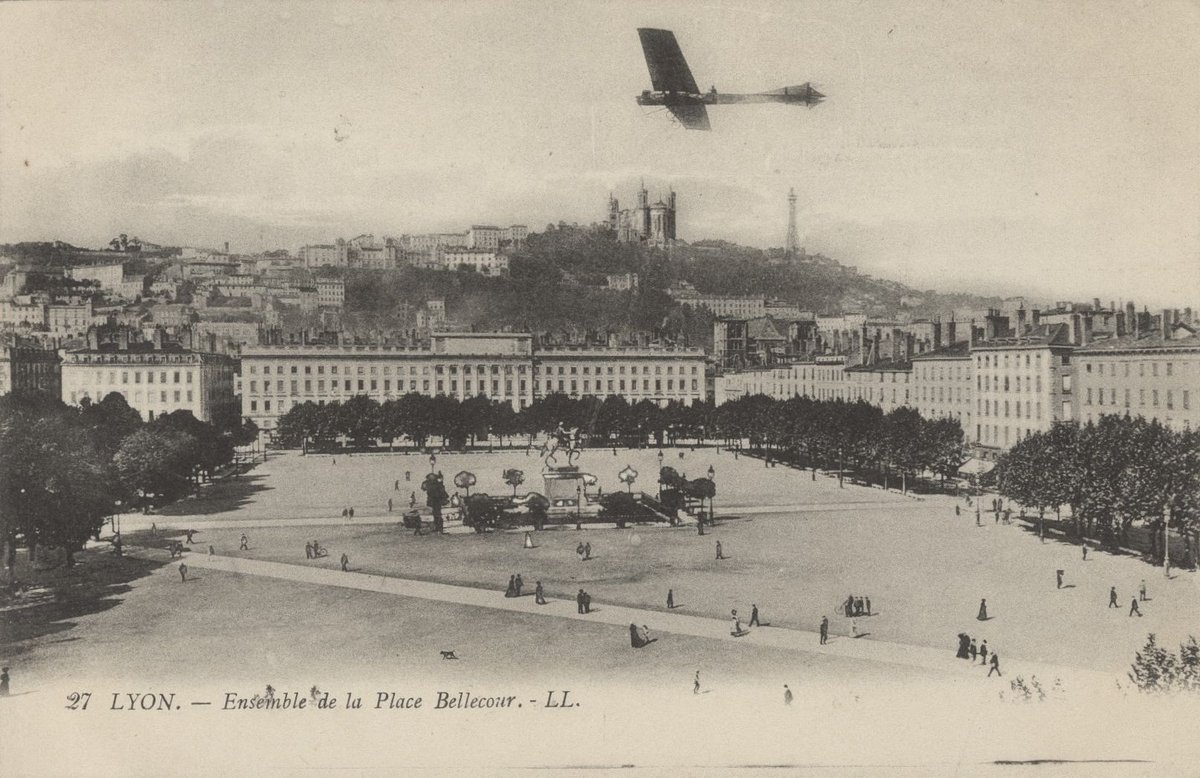
- Combine with Other Sites: Pair your visit with attractions like Vieux Lyon, Place Bellecour, Musée des Beaux-Arts, and the Resistance and Deportation History Center (Travel to Lyon).
- Guided Tours: Enhance your visit with a guided walking tour, available in both French and English (advance booking recommended).
- Travel Tips: Dress comfortably, stay hydrated, and secure valuables against pickpocketing (Happy to Wander).
- Accessibility: Most of the area is accessible, though some cobbled streets may pose challenges.
- Etiquette: Be respectful during commemorative events and avoid climbing on the monument.
- Weather: Lyon has a temperate climate; bring weather-appropriate clothing.
Final Tips and Recommendations
The Monument À La Cavalerie encapsulates Lyon’s military heritage and the evolution of French cavalry. Open year-round with no admission fee, it is easily accessible and well-integrated with the city’s historic core. For a deeper understanding, join a guided tour, explore nearby museums, and use digital resources like the Audiala app. Respect the site’s solemnity, and enjoy the surrounding amenities and attractions. This monument is a must-visit for anyone interested in France’s martial traditions and Lyon’s rich history (musee-cavalerie.fr, Promenades Archi Lyon).
Listen to the full story in the app
The whole Monument À La Cavalerie,
told well.
Audio guides for 1,100+ cities across 96 countries. History, stories, and local insight — offline ready.
Verified, and shown.
Researched and written by the Audiala editorial team from historical records, architectural archives, and local expertise.
Researched from Wikidata, Wikipedia & official sources · fact-checked · How we make our guides →