Plan and listen to Lyon Cathedral with Audiala.
Audio guide in your pocket, itinerary in your browser. Built for the way you actually visit.
Introduction
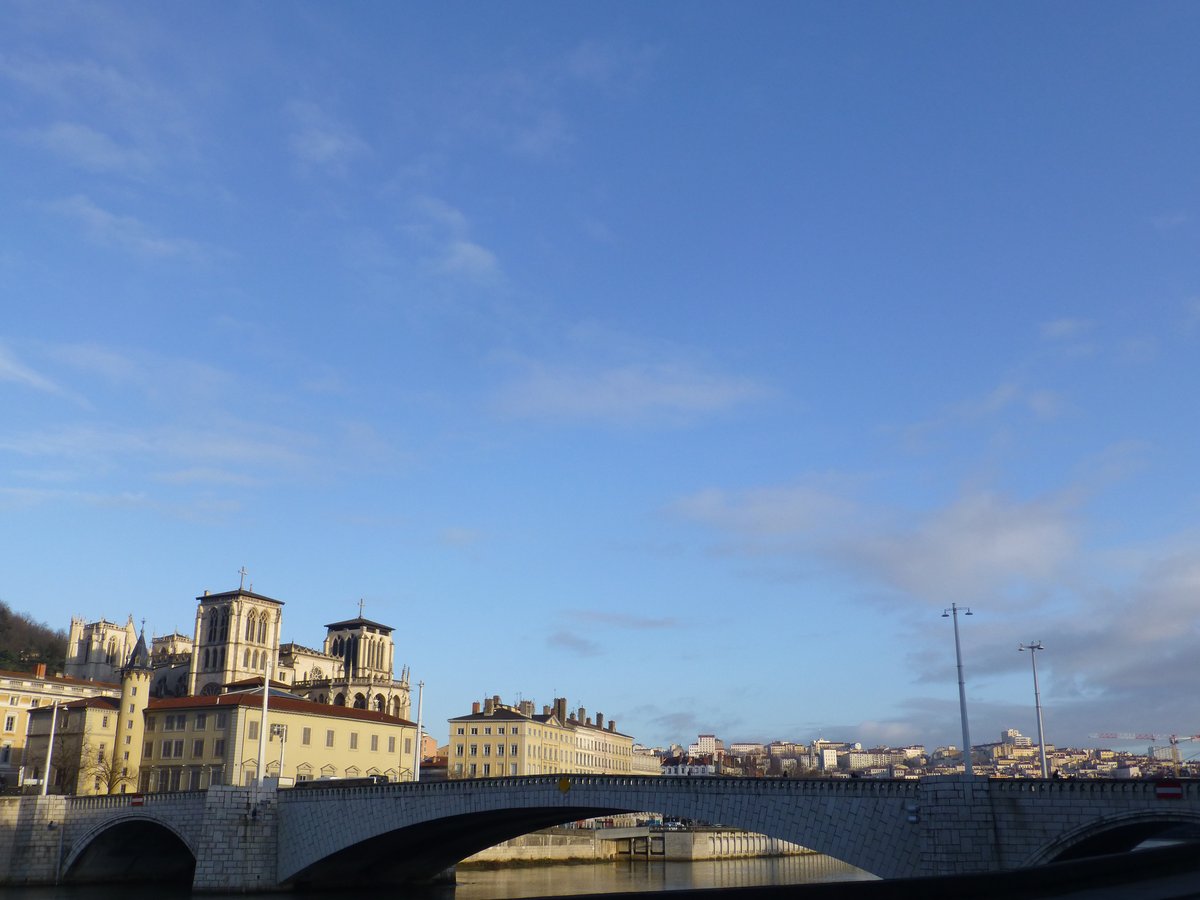
Lyon Cathedral, or Cathédrale Saint-Jean-Baptiste de Lyon, sits at the heart of Vieux Lyon, a UNESCO World Heritage Site. As one of the city’s most significant landmarks, it stands as a remarkable testament to medieval architecture, blending Romanesque solidity with Gothic elegance. Constructed between 1180 and 1476, the cathedral not only boasts architectural splendor but also bears witness to major historical events, including royal weddings and religious milestones. Today, it remains the spiritual seat of the Archbishop of Lyon, known as the "Primate of the Gauls," and attracts visitors from around the world for its art, history, and vibrant role in Lyon’s cultural life.
This guide provides detailed information on Lyon Cathedral’s visiting hours, ticketing, accessibility, architecture, historical significance, and practical travel tips, ensuring you are well-prepared for your visit. For additional details, refer to the Primatiale website, Visiter Lyon, and TravelSetu’s Lyon Cathedral guide.


Early Foundations and Roman Origins
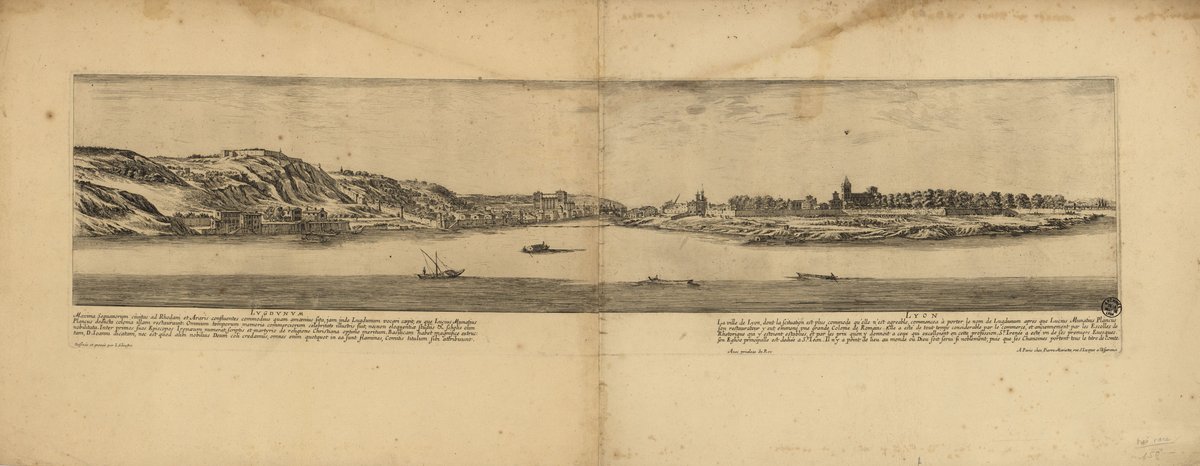
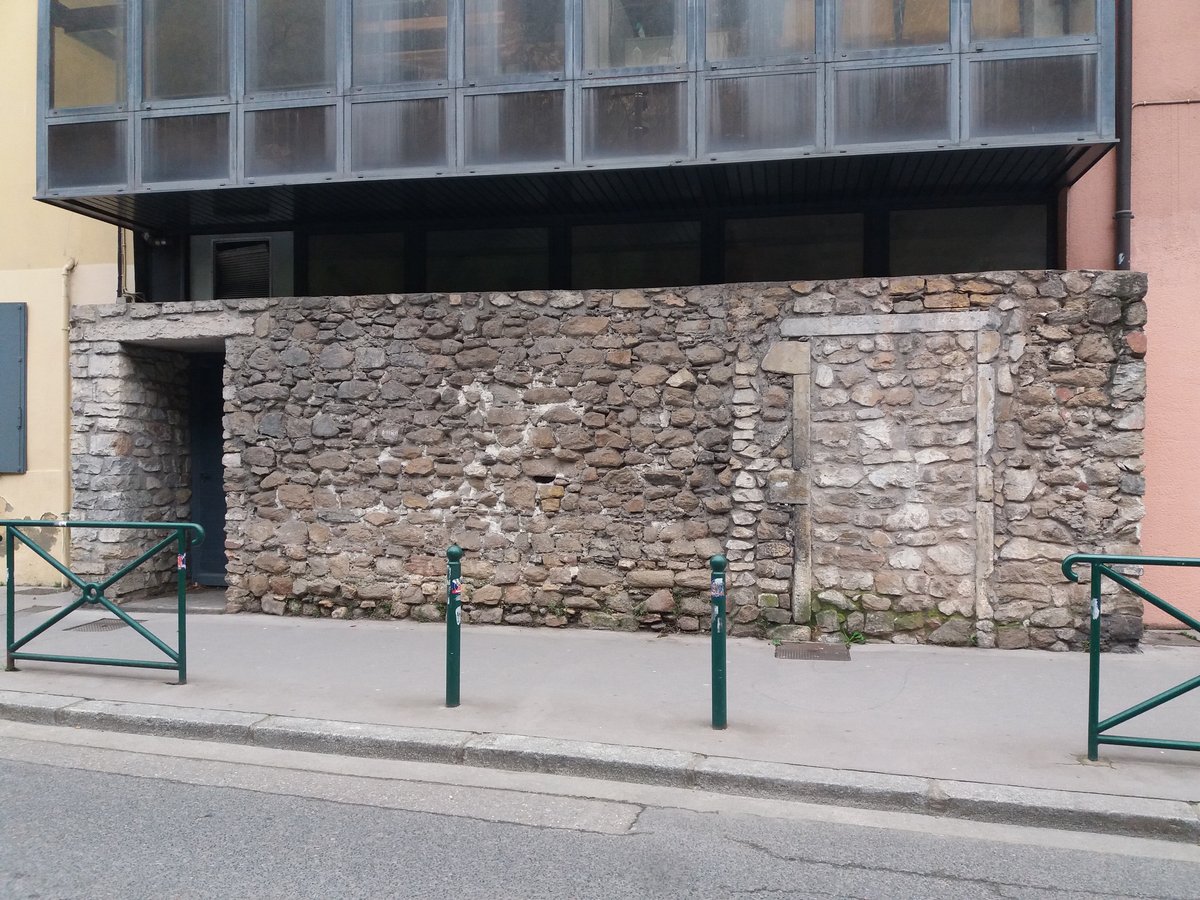
Lyon Cathedral’s site has been sacred since Roman times. As Lugdunum, Lyon was the capital of Roman Gaul and an early center of Christianity. Archaeological finds confirm that a Christian complex, including multiple churches and a baptistery, existed here by the 4th century. The city was also the scene of the first Christian martyrs in Gaul in 177 AD, and early bishops such as Saint Pothinus and Saint Irenaeus played pivotal roles in establishing the Christian community (Tresor Cathedrale Lyon; Discover Walks).
Construction and Architectural Evolution
Construction of the current cathedral began in 1180, replacing previous buildings that had stood on the site for centuries (TravelSetu). The project spanned nearly 300 years and showcases both Romanesque and Gothic elements:
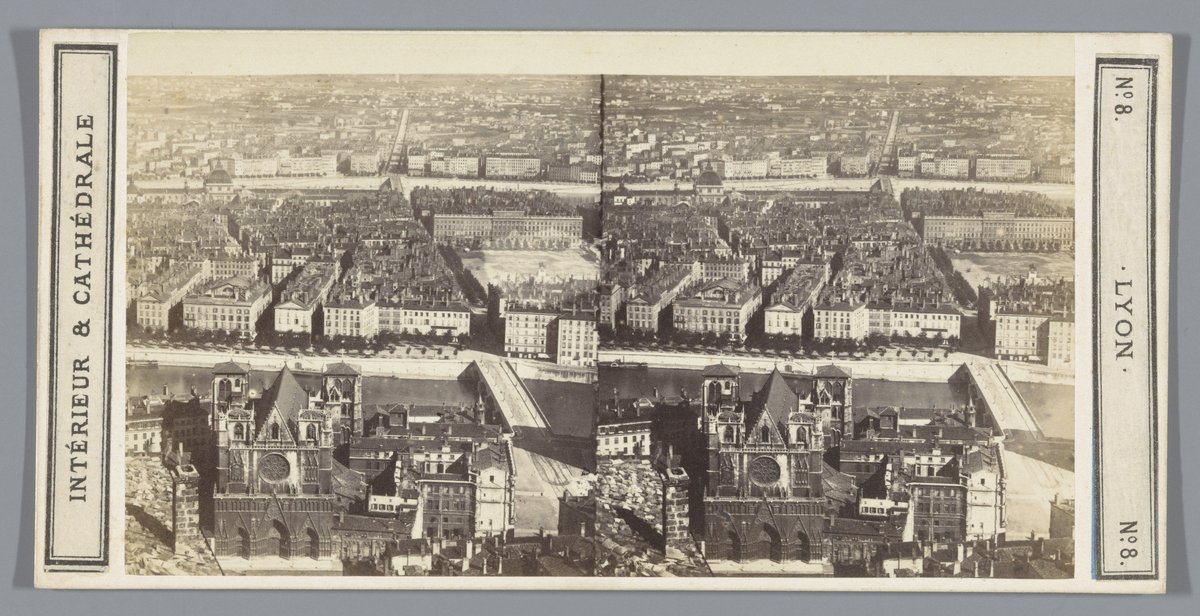
- Exterior and Facade: The west facade—completed in the late 15th century—is a masterpiece of Flamboyant Gothic architecture, with three portals decorated by 280 biblical medallions (Discover Walks).
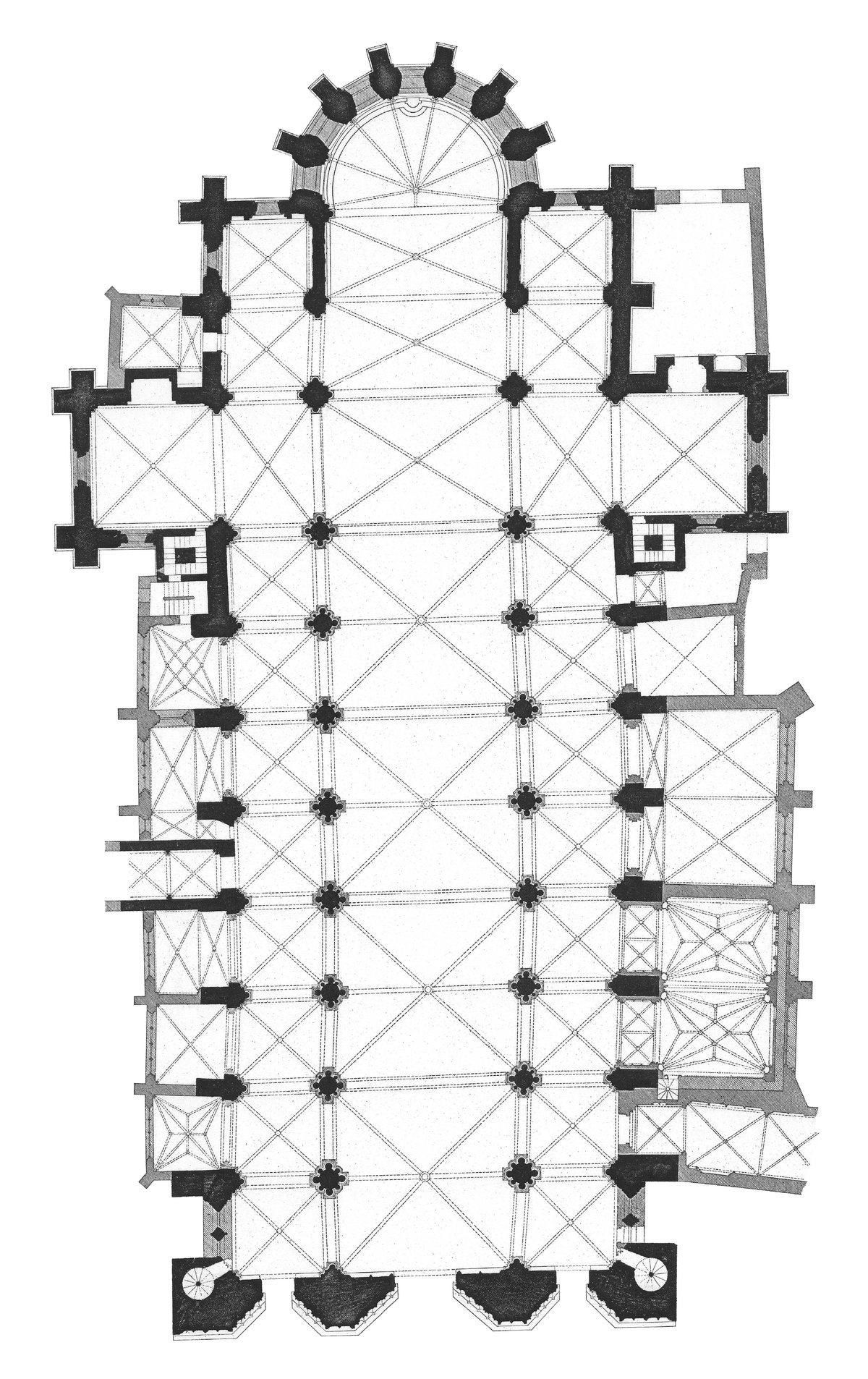
- Structural Layout: The cathedral follows a Latin cross plan, with an 80-meter length and a nave width of 20 meters. The apse and choir preserve Romanesque features like thick walls and rounded arches, while the nave and facade highlight Gothic verticality and ribbed vaults.
- Stained Glass: The cathedral houses one of France’s largest rose windows, measuring 15 meters in diameter, along with a remarkable collection of stained glass from the 12th to 15th centuries (Tourist Platform).
- Astronomical Clock: An engineering marvel from the 14th century, the astronomical clock in the north transept tracks time, celestial movement, and features automata (Travel to Lyon).
- Bourbon Chapel: This exquisite late Gothic chapel, built in the 15th century, displays elaborate stonework and a flamboyant spiral rose window.
- Interior Artworks: The cathedral contains medieval choir stalls, a 14th-century organ, a 16th-century baptismal font, and a treasury with liturgical objects and tapestries (Tresor Cathedrale Lyon).
The blend of Romanesque and Gothic elements offers a unique visual and spiritual journey through medieval architecture.
Historical Events and Religious Significance
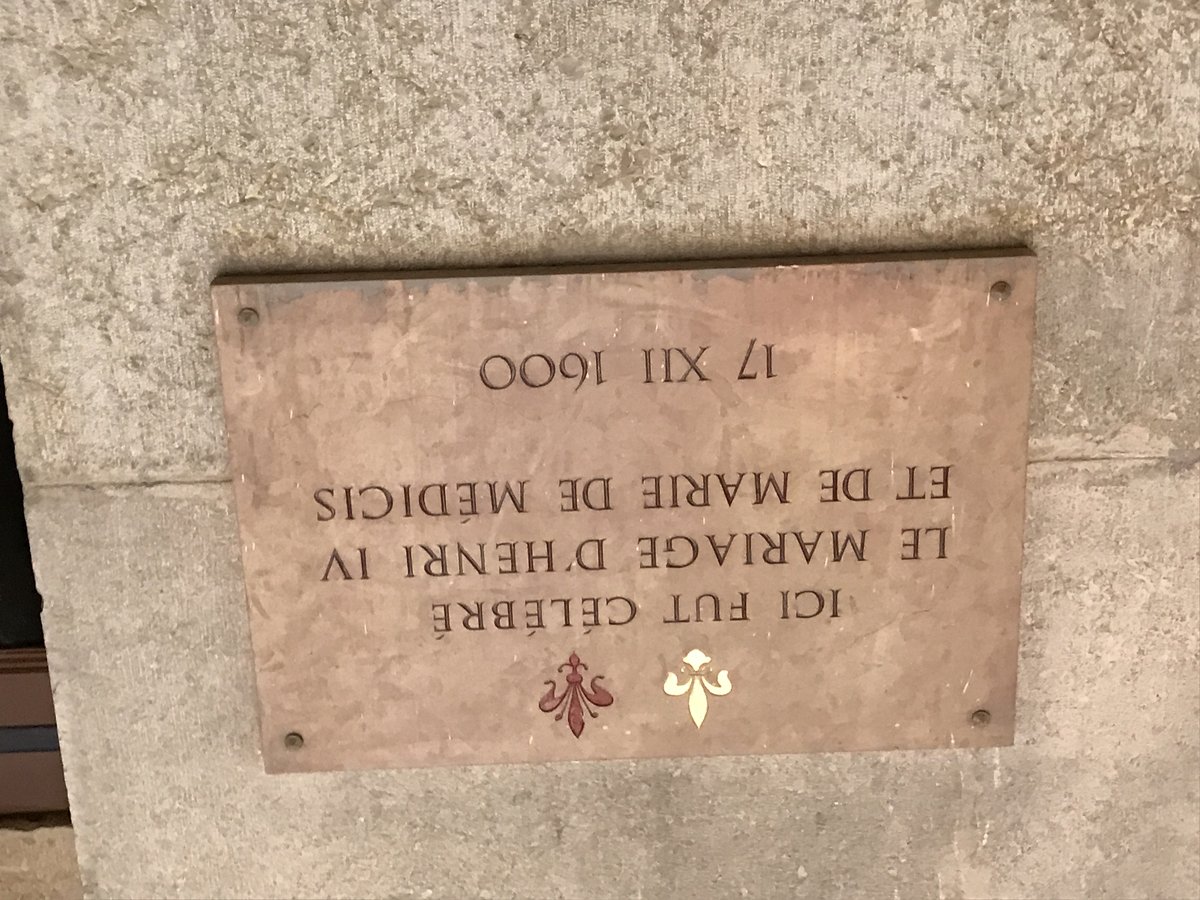
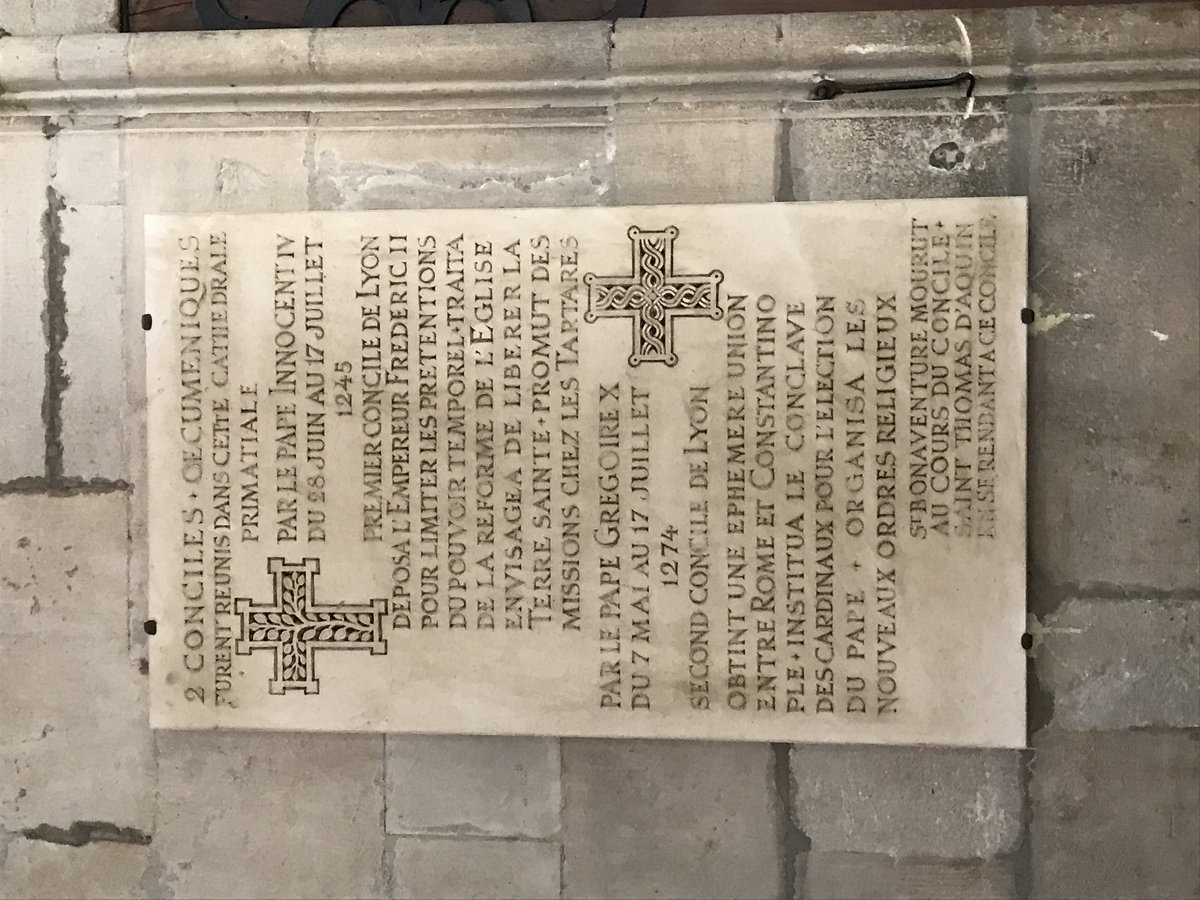
Lyon Cathedral has been at the center of the city’s religious and civic life for centuries. As the seat of the Archbishop of Lyon (“Primate of the Gauls”), it has hosted major ecclesiastical gatherings, ceremonies, and royal events, including the 1600 marriage of King Henry IV and Marie de’ Medici (TravelSetu).
Throughout its history, the cathedral endured damage during the Wars of Religion in 1562 and was repurposed during the French Revolution. Despite these challenges, it remains a symbol of resilience and continuity (Tourist Platform).
Artistic Treasures and Architectural Highlights
- Stained Glass: The cathedral’s windows, especially the rose window and apse panels, are renowned for their vivid colors and intricate biblical scenes.
- Astronomical Clock: Built in 1598, the clock is a highlight for visitors, featuring an elaborate mechanism and animated religious figures.
- Treasury: The accessible treasury displays medieval silverware, ivories, and vestments from various eras (Tresor Cathedrale Lyon).
Visiting Hours, Tickets, and Accessibility
- Visiting Hours: Typically open daily from 8:00 AM to 7:00 PM. Special hours may apply during religious services or holidays (Visiter Lyon).
- Admission: Entry is free.
- Guided Tours: Available for €5 (adults) and €3 (children/adolescents). Tours cover art, history, and Christian culture, offered in multiple languages (Primatiale).
- Accessibility: The cathedral is wheelchair accessible, with ramps at main entrances and accessible restrooms.
Special Events and Festivals
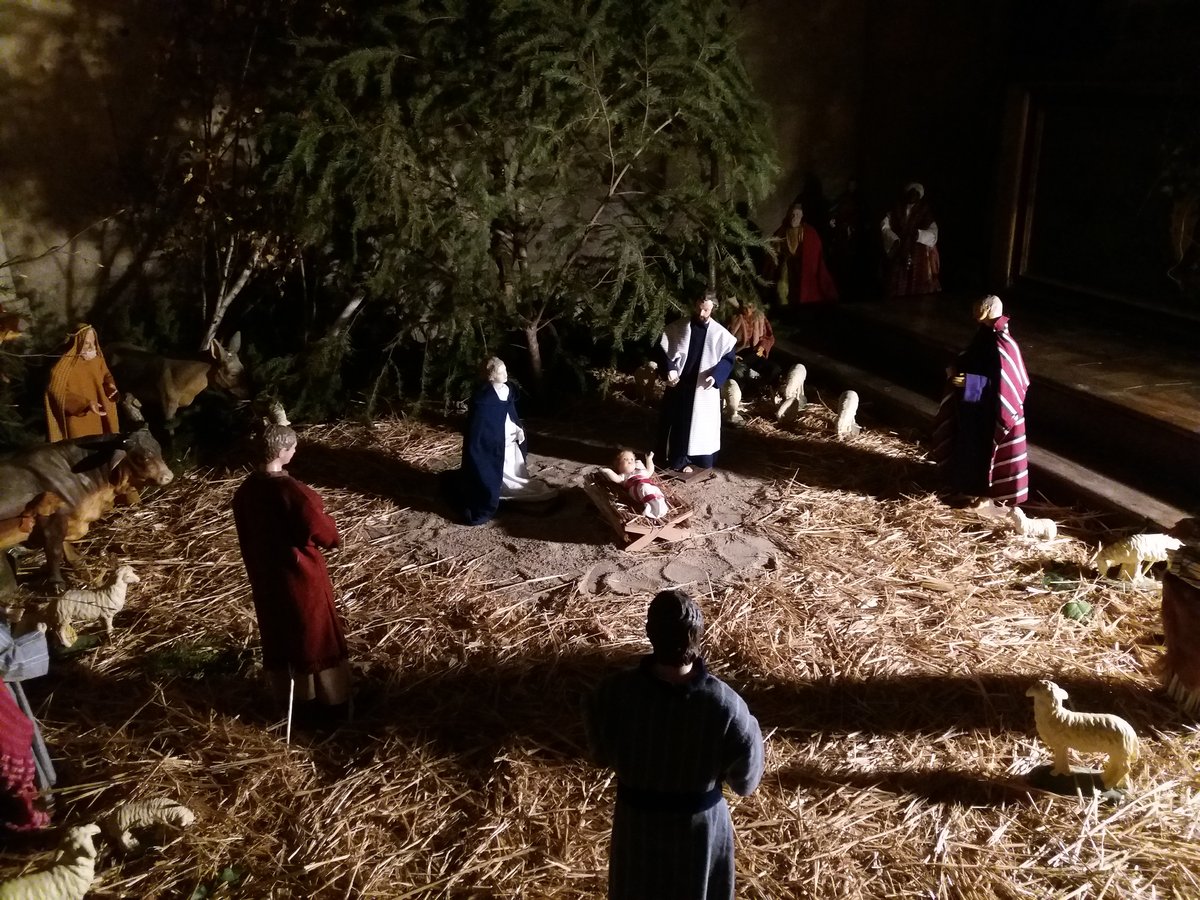
Lyon Cathedral is the venue for significant religious events, including Easter and Christmas Masses, as well as the annual Fête des Lumières (Festival of Lights), during which the cathedral’s facade is illuminated in spectacular displays (Discover Walks). Additionally, concerts and guided tours are offered throughout the year.
Nearby Attractions and Suggested Itineraries
Located in Vieux Lyon, the cathedral is within walking distance of:
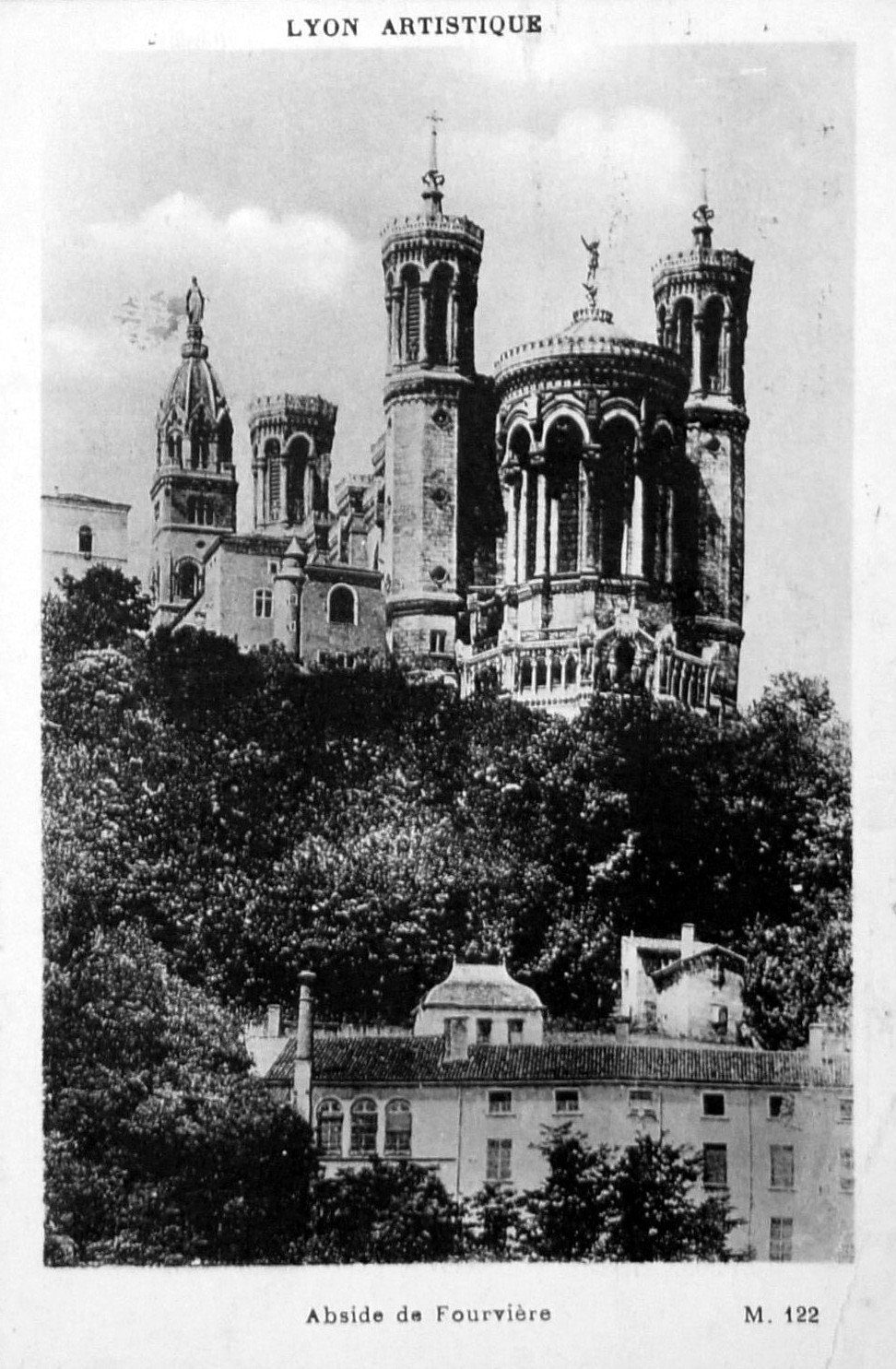
- Basilica of Notre-Dame de Fourvière
- Traboules (Lyon’s hidden passageways)
- Musée des Beaux-Arts
- Roman Theatres of Fourvière
- Musée Gadagne
The area offers a rich blend of history, architecture, and local culture (TravelSetu; Road Affair).
Restoration and UNESCO World Heritage Status
The cathedral has undergone extensive restorations, particularly after war- and revolution-related damage. Efforts focus on preserving the stonework and stained glass. In 1998, Lyon’s historic center, including the cathedral, was designated a UNESCO World Heritage Site (Tourist Platform).
Preservation and Educational Outreach
- Conservation: Restoration projects align with UNESCO guidelines to protect the cathedral’s integrity (EAA).
- Education: Guided tours, school programs, and special events deepen visitors’ understanding of the cathedral’s history and art (Visiter Lyon).
Practical Tips and Visitor Support
- Dress Code: Modest attire is recommended; shoulders and knees should be covered.
- Photography: Allowed without flash; respectful behavior during services is expected.
- Facilities: Restrooms are available nearby; Vieux Lyon offers many cafés and shops.
- Transport: Easily accessible by Metro Line D (Vieux-Lyon station), buses, and funicular.
For more visitor information, consult the ONLYLYON Tourist Office.
Frequently Asked Questions (FAQ)
What are Lyon Cathedral’s opening hours?
Open daily from 8:00 AM to 7:00 PM; check official sources for changes during holidays or events.
Is admission free?
Yes, entry is free. Donations are encouraged.
Are guided tours available?
Yes, in several languages for a small fee.
Is the cathedral accessible for visitors with reduced mobility?
Yes, with ramps and accessible facilities.
Can I take photos inside?
Yes, but no flash and please be respectful during services.
Plan Your Visit
Lyon Cathedral offers an unparalleled journey through centuries of history, faith, and art. Free admission, extended visiting hours, and a central location in Vieux Lyon make it easy to include on your itinerary. For an enhanced experience, consider a guided tour or download the Audiala app for audio guides and updates on events.
Don’t miss: The astronomical clock’s animated display, the rose window’s morning light, and the vibrant atmosphere during the Fête des Lumières.
Tickets & tours.
These are guided options from our partners — same price as booking direct.
Prices are indicative — final pricing and availability are confirmed at checkout. Audiala may earn a commission from bookings made through these links.
Listen to the full story in the app
The whole Lyon Cathedral,
told well.
Audio guides for 1,100+ cities across 96 countries. History, stories, and local insight — offline ready.
Verified, and shown.
Researched and written by the Audiala editorial team from historical records, architectural archives, and local expertise.
Researched from Wikidata, Wikipedia & official sources · fact-checked · How we make our guides →